
Quick Answer
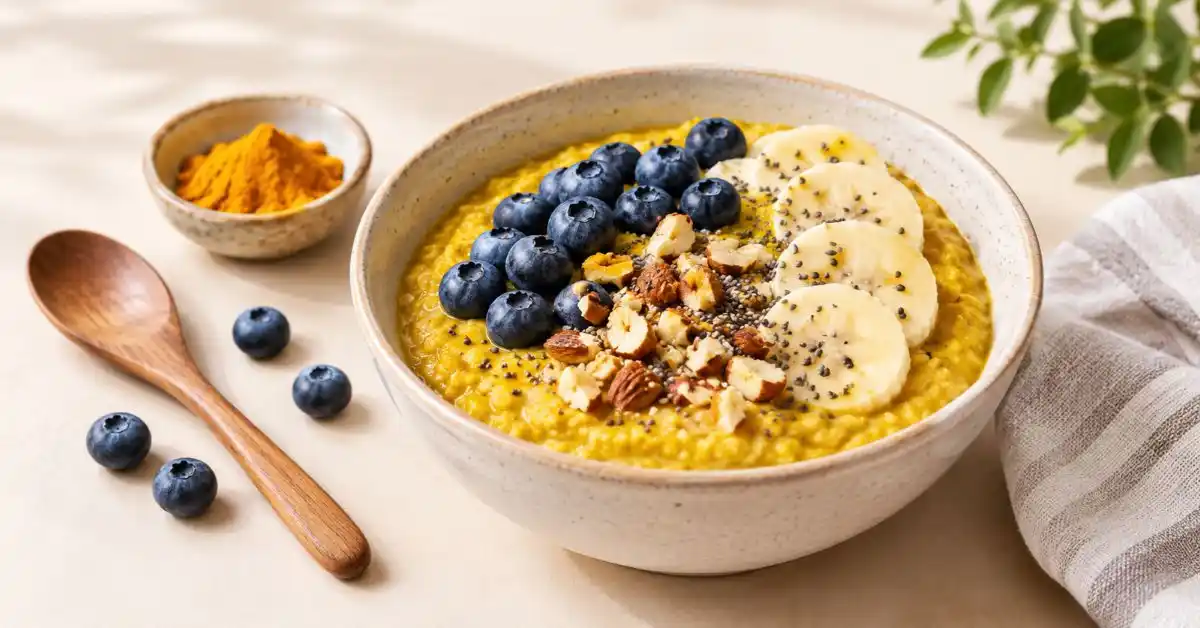
Turmeric oats for acne are a simple breakfast made with oats, a small amount of turmeric, and nutritious toppings such as fruit, seeds, or nuts. Oats provide fiber and can fit into a balanced, lower-glycemic eating pattern, which may help some people manage acne.
However, there is no strong clinical evidence that eating turmeric oats directly clears pimples, removes acne scars, or prevents hormonal breakouts. This breakfast is best viewed as one part of a balanced diet, alongside gentle skincare and proven acne treatments when needed.
Author Box
Author: Saira
Role: Publisher & Skincare Content Writer
Content Review: Evidence-informed skincare content based on trusted dermatology resources and skincare research.
Introduction
Have you ever wondered whether your breakfast could affect your skin? If you struggle with pimples, clogged pores, or frequent breakouts, you may be looking for simple ways to support your skin without spending money on unnecessary supplements. Turmeric oats for acne offer an easy breakfast option that combines whole-grain oats with the warm flavor of turmeric.
Turmeric is a golden-yellow spice commonly used in South Asian cooking. It contains curcumin, a compound studied for its biological effects, including possible anti-inflammatory activity. Oats provide carbohydrates, fiber, and other nutrients that can help make breakfast more satisfying.
These ingredients have nutritional value, but their benefits should not be exaggerated. Research on turmeric’s health effects is still developing, and evidence specifically showing that turmeric oats treat acne is lacking.
That does not mean you need to avoid this recipe. It can be a practical choice if you enjoy its taste and prepare it with balanced ingredients. The goal is to build a nourishing breakfast rather than rely on one food to solve a complex skin condition.
In this guide, you will learn how to make a golden oats recipe, choose toppings, understand what research says about diet and acne, and fit this meal into a realistic skin-friendly eating routine.
1. Can Turmeric Oats Help With Acne?
Turmeric oats may support a balanced eating pattern, but they are not a proven acne treatment. The possible benefit comes mainly from choosing nutritious ingredients and limiting unnecessary added sugar, rather than from a special acne-fighting effect.
Acne develops through several interacting processes, including excess oil production, blocked hair follicles, inflammation, and the activity of acne-related bacteria. Hormones, genetics, certain medications, and other factors can influence how frequently breakouts occur.
Food is only one possible part of this picture.
What oats may contribute
Oats contain beta-glucan, a type of soluble fiber. They also provide carbohydrates and small amounts of protein, minerals, and other nutrients.
Less processed oats, such as steel-cut oats, are among the foods the American Academy of Dermatology identifies as part of a lower-glycemic eating pattern. Small studies suggest that lower-glycemic diets may help reduce acne in some people, although findings are not conclusive.
A lower-glycemic eating pattern focuses on foods that generally cause a slower rise in blood glucose. The overall meal, portion size, preparation, and other ingredients all matter.
Oats do not work like an acne medication. Eating them will not immediately unclog pores or stop an active breakout.
What turmeric may contribute
Turmeric contains curcumin, a compound that researchers have studied for its potential biological effects. However, research on turmeric for various health conditions does not establish that ordinary culinary turmeric treats acne when eaten in oatmeal.
Adding a small amount can provide flavor and color without relying on sugar-heavy flavorings.
You do not need large amounts of turmeric to make this recipe. A small culinary portion is sufficient for taste.
What the evidence means for your skin
The most reasonable approach is to enjoy turmeric oats as part of a varied diet. Do not expect a guaranteed reduction in pimples, redness, or acne marks.
For a useful overview of the relationship between food and breakouts, read theAmerican Academy of Dermatology’s guidance on diet and acne.
2. Ingredients for a Skin-Friendly Golden Oats Recipe
You can prepare golden oats with basic kitchen ingredients. You do not need expensive powders, specialty products, or concentrated herbal supplements.
The following recipe makes one serving.
Ingredients
- ½ cup rolled oats
- 1 cup water or unsweetened milk of your choice
- ¼ teaspoon ground turmeric
- ¼ teaspoon ground cinnamon, optional
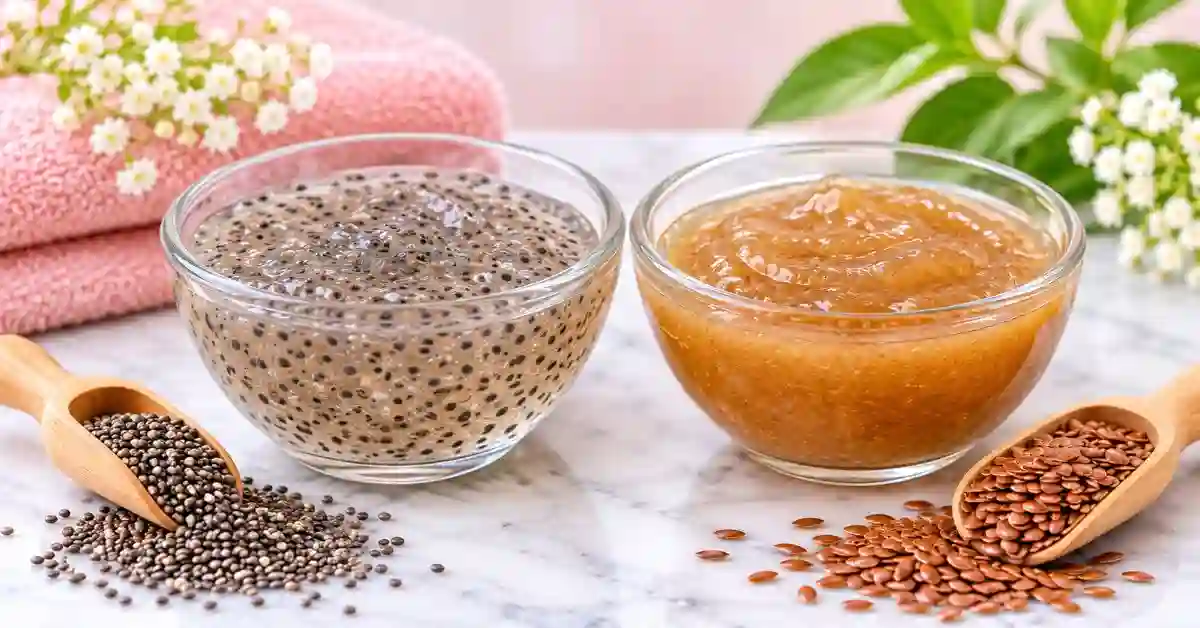
- 1 tablespoon chia seeds, optional
- ½ small banana or a handful of berries
- 1 tablespoon chopped nuts or seeds, optional

Choose the ingredients according to your taste, budget, allergies, and nutritional needs. You can leave out any optional ingredient without affecting the basic recipe.
Why these ingredients work well together
Rolled oats: Provide fiber and make the meal filling.
Turmeric: Adds golden color and a mild earthy flavor.
Cinnamon: Adds flavor without requiring much sweetener. It is optional and is not a proven acne treatment.
Chia seeds: Add fiber and plant-based omega-3 fatty acid called ALA.
Fruit: Provides natural sweetness, fiber, and various vitamins.
Nuts or seeds: Add texture, healthy fats, and some protein.
You can also use plain yogurt on the side if you tolerate it. There is no need to remove every dairy food from your diet unless you have a clear reason to do so or a healthcare professional recommends it.
For a more filling breakfast, choose a source of protein that suits you, such as plain yogurt, milk, soy milk, nuts, or seeds.
3. How to Make Turmeric Oats for Acne
This recipe takes around 5–10 minutes, depending on the type of oats you use. It is suitable for a quick weekday breakfast.

Step 1: Heat the liquid
Add one cup of water or your preferred milk to a small saucepan. Heat it over medium heat until it becomes warm.
If you use milk, stir occasionally to prevent it from sticking to the bottom.
Step 2: Add the oats
Stir in half a cup of rolled oats. Reduce the heat and let them cook according to the package instructions, usually for a few minutes.
Add a small splash of water if the mixture becomes too thick.
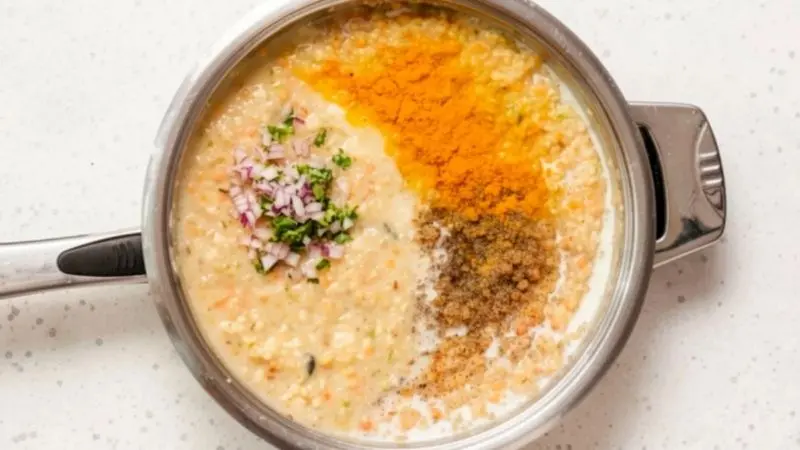
Step 3: Add turmeric
Stir in ¼ teaspoon of ground turmeric. Mix thoroughly so that the color spreads evenly throughout the oats.
You may add a little cinnamon if you like its flavor. Avoid adding excessive spices in an attempt to increase the recipe’s supposed skin benefits.
Step 4: Add your toppings
Remove the pan from the heat and let the oats cool slightly. Add your preferred fruit, chia seeds, and chopped nuts.
If you prefer a sweeter breakfast, try ripe banana or berries before adding sugar or syrup.
Step 5: Serve and enjoy
Transfer the oats to a bowl and eat them while warm. Adjust the consistency with a little more liquid if needed.
The result is a simple golden oats recipe that can fit into a balanced breakfast routine.
Recipe checklist
- Use plain oats rather than heavily sweetened instant oatmeal.
- Measure turmeric with a small spoon.
- Choose toppings that you enjoy and tolerate.
- Add a protein source if you want a more filling meal.
- Keep the recipe simple instead of buying expensive acne-focused food products.
4. How Turmeric Oats Fit Into an Anti-Inflammatory Breakfast for Clear Skin
An anti-inflammatory breakfast for clear skin is not a medical treatment or a guarantee of fewer breakouts. It is a practical way to describe a meal built around nutritious foods that support overall health.
Chronic inflammation is involved in acne, but that does not mean eating one ingredient with potential anti-inflammatory properties will resolve skin inflammation.
A balanced breakfast can still be worthwhile because it helps you meet your daily nutritional needs.
Choose less processed carbohydrate sources
Steel-cut or rolled oats can be a useful alternative to highly sweetened breakfast cereals. Their fiber content may help make a meal more satisfying.
The effect on blood glucose depends on the type of oats, serving size, preparation, and what you eat with them.
You do not need to eliminate carbohydrates. Choose portions that suit your energy needs and combine them with other nutritious foods.
Include fruit and other plant foods
Berries, apples, bananas, and other fruits provide fiber and a variety of nutrients. Frozen fruit can be a convenient, budget-friendly choice.
Vegetables, beans, lentils, nuts, and seeds can also help you build a varied diet throughout the day.
No single fruit or vegetable has been proven to clear acne on its own.
Add protein and healthy fats
A breakfast containing oats, fruit, and a source of protein can be more balanced than a bowl of oats alone.
Options include:
- Plain yogurt, if tolerated
- Eggs served alongside the oats
- Unsweetened soy milk
- Nuts and seeds
- A small serving of peanut butter without excessive added sugar
You can adapt the recipe to your preferences. There is no requirement to use dairy, and there is no reason to avoid it automatically if it does not seem to affect your skin.
Limit excess added sugar without becoming restrictive
Large amounts of added sugar and highly refined carbohydrates can make it harder to maintain a lower-glycemic eating pattern.
Try to reduce frequent sugary drinks, heavily sweetened cereals, and desserts if they make up a large part of your diet. You do not have to avoid every sweet food or feel guilty about an occasional treat.
The aim is consistency, not perfection.
5. Best Ingredients to Add to Your Golden Oats Recipe
You can adjust this recipe to suit your appetite and nutritional needs. The best additions are ingredients you enjoy, can afford, and tolerate well.
| Ingredient | Nutritional role | Practical tip |
| Rolled oats | Fiber and carbohydrates | Choose plain, unsweetened oats |
| Turmeric | Flavor and golden color | Start with a small culinary amount |
| Berries | Fiber and various vitamins | Fresh or frozen berries both work |
| Chia seeds | Fiber and plant-based ALA | Start with a small portion and drink enough fluids |
| Nuts | Healthy fats and some protein | Check for allergies |
| Plain yogurt | Protein and calcium | Optional; choose according to your tolerance |
| Unsweetened soy milk | Protein and fluid | Check the label for added sugar |
| Banana | Natural sweetness and carbohydrates | Use a portion that suits your appetite |
These ingredients make the meal more varied, but the table should not be interpreted as a list of foods that directly treat acne.
Should you add black pepper?
Black pepper contains piperine, which can affect curcumin absorption. Some concentrated turmeric supplements use this combination to increase bioavailability.
However, increasing curcumin absorption does not establish that the combination improves acne. You do not need to add black pepper to your breakfast for skin benefits.
If you enjoy a tiny pinch of pepper in savory oats, you can use it for flavor, but it is entirely optional.
Should you use turmeric supplements instead?
No supplement is necessary for this recipe. Concentrated turmeric or curcumin supplements differ from the small amounts of spice used in cooking.
Some enhanced-bioavailability curcumin products have been associated with liver injury. Supplements can also cause digestive side effects or interact with medicines.
For general information, consult theNational Center for Complementary and Integrative Health’s turmeric safety guidance.
6. Other Skin-Friendly Breakfast Ideas to Try
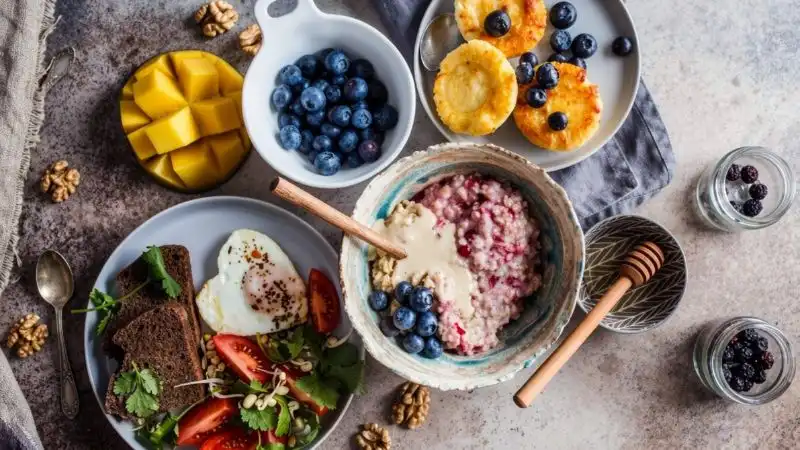
If you want variety, you can rotate turmeric oats with other balanced meals. You do not have to eat the same breakfast every day to support your overall health.
Oats with berries and nuts
Cook plain oats in water or unsweetened milk. Top them with berries and a small handful of nuts.
This option provides fiber, carbohydrates, and fats. Add yogurt or another protein source if you want a more filling meal.
Egg and whole-grain toast
Serve a cooked egg with whole-grain toast and a portion of fruit or vegetables.
This is a useful alternative if you prefer a savory breakfast or want more protein.
Plain yogurt with fruit and seeds
Combine plain yogurt with fruit and a small amount of seeds. Choose a product with little or no added sugar.
Dairy does not trigger acne in everyone. If you suspect a connection between a particular food and your breakouts, track your experience rather than automatically removing entire food groups.
Vegetable omelet with whole-grain toast
Cook eggs with vegetables such as spinach, tomatoes, or peppers, then serve with whole-grain toast.
This adds variety and helps you include vegetables early in the day.
How to choose between these meals
There is no single best breakfast for every person with acne. Consider your appetite, budget, cultural food preferences, allergies, and access to ingredients.
A simple meal you can prepare regularly is often more practical than an expensive routine built around so-called superfoods.
| Breakfast Option | Main Benefit | Acne-Related Evidence |
| Plain rolled oats | Provides fiber and carbohydrates | May fit a lower-glycemic eating pattern |
| Eggs with whole-grain toast | Provides protein and whole grains | No proven direct acne-clearing effect |
| Plain yogurt with berries | Provides protein, fiber, and nutrients | Individual dietary responses vary |
| Turmeric oats with seeds | Provides fiber and healthy fats | Not clinically proven to treat acne |
7. Common Mistakes When Using Food to Support Acne-Prone Skin
Changing your breakfast may be a positive step, but some common mistakes can lead to disappointment or unnecessary dietary restrictions.
Expecting turmeric oats to clear acne quickly
Acne is affected by several biological processes. A breakfast change alone may not make a noticeable difference, even if it improves your overall diet.
Do not judge the recipe by whether a new pimple appears the next day.
Adding too much sugar
Large amounts of sugar, syrup, sweetened condensed milk, or chocolate toppings can turn a simple breakfast into a heavily sweetened meal.
You can still enjoy sweet flavors. Try fruit, cinnamon, or a small amount of a sweetener instead of adding several sweet ingredients together.
Eating turmeric in excessive amounts
More turmeric does not mean better skin results. Large quantities may upset the stomach, and concentrated supplements carry additional safety considerations.
Stick to a small amount used for cooking.
Putting turmeric directly on your face
Eating turmeric oats and applying turmeric paste to the skin are different practices.
Homemade turmeric mixtures can stain the skin and may irritate sensitive skin. There is insufficient evidence to recommend kitchen turmeric paste as a reliable acne treatment.
If you have acne-prone or sensitive skin, avoid experimenting with harsh DIY masks. A gentle cleanser, moisturizer, and appropriate acne treatment are more dependable choices.
Stopping prescribed acne treatment
Do not stop prescribed medication because you have started eating a skin-friendly breakfast.
Food can complement an appropriate treatment plan, but it should not replace medical care for persistent, painful, or scarring acne.
Cutting out too many foods
Removing dairy, carbohydrates, gluten, and multiple other foods without a clear reason can make your diet unnecessarily restrictive.
If you suspect a dietary trigger, keep a simple food and symptom diary. Discuss major dietary changes with a qualified healthcare professional, especially if you have nutritional concerns.
8. How Long Does It Take to See Skin Changes?
There is no established timeline for seeing acne improvement from turmeric oats because the recipe has not been proven to treat acne.
You may notice that a balanced breakfast helps you feel satisfied and maintain a more consistent eating routine. That is a reasonable benefit, but it is different from proving that the meal reduces pimples.
Research on lower-glycemic dietary patterns suggests that any acne-related changes, when they occur, may take several weeks. Studies have often assessed outcomes over approximately 8–12 weeks, but those findings cannot be used to promise that turmeric oats will produce the same results.
If you want to understand whether your eating habits affect your skin, consider the following approach:
- Keep your normal skincare routine consistent.
- Eat balanced meals rather than relying on a single ingredient.
- Record any clear, repeated food-related patterns without assuming every breakout is caused by food.
- Take occasional photographs under similar lighting if you want to compare changes.
- Seek professional advice if acne continues, becomes painful, or leaves scars.
Avoid changing your diet, skincare products, and supplements all at once. Making many changes together makes it difficult to understand what, if anything, has helped.
Remember that acne can fluctuate because of hormonal changes, stress, genetics, medication, and other factors. A breakout does not automatically mean you ate the wrong food.
9. A Practical Routine for Diet and Acne-Prone Skin
The most useful approach combines balanced eating with a gentle skincare routine. You do not need a complicated plan or expensive products to get started.
Morning
- Eat turmeric oats or another balanced breakfast if you enjoy it.
- Wash your face gently with a cleanser suitable for your skin.
- Apply a non-comedogenic moisturizer.
- Use broad-spectrum sunscreen with SPF 30 or higher.
During the day
- Drink water regularly according to your thirst and needs.
- Include vegetables, fruit, whole grains, and suitable protein sources in your meals.
- Avoid picking or squeezing pimples.
- Notice whether a particular food repeatedly seems connected with your breakouts.
Evening
- Cleanse your face gently to remove sunscreen, oil, and dirt.
- Use an evidence-based acne treatment appropriate for your skin and health needs.
- Apply moisturizer to support your skin barrier.
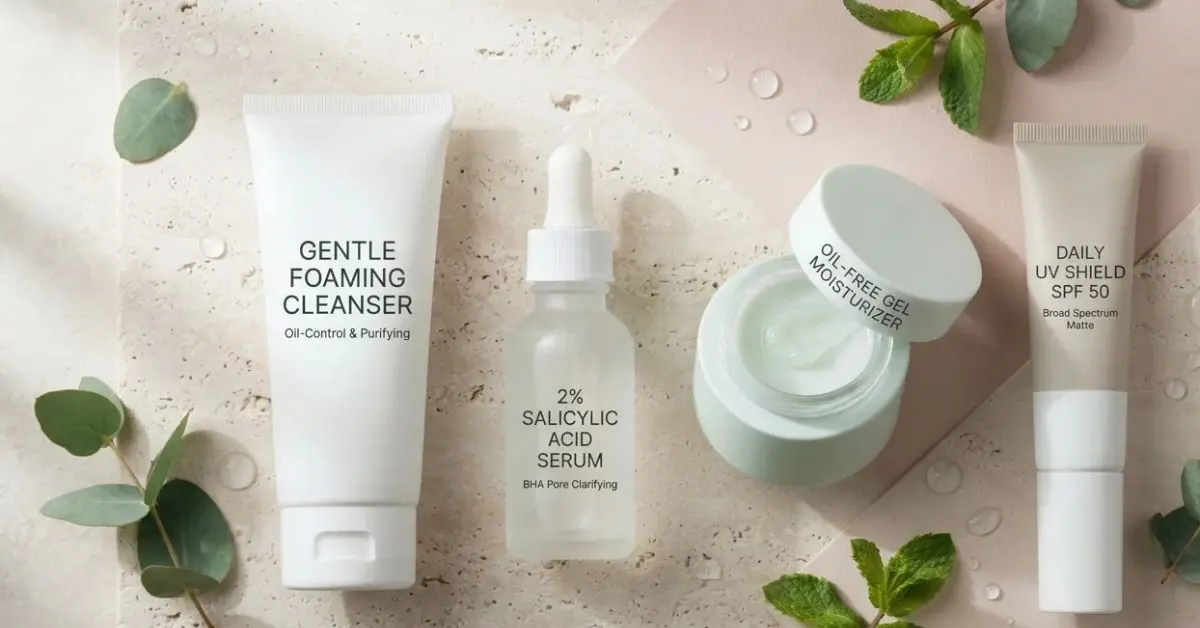
If you need help choosing products, GlowVixa’s guide to thebest exfoliator for acne-prone skin can help you understand exfoliation options and precautions. Exfoliation is not essential for everyone, and excessive use can irritate the skin.
You can also read theguide to acne on cheeks and its possible causes if that is where you experience frequent breakouts.
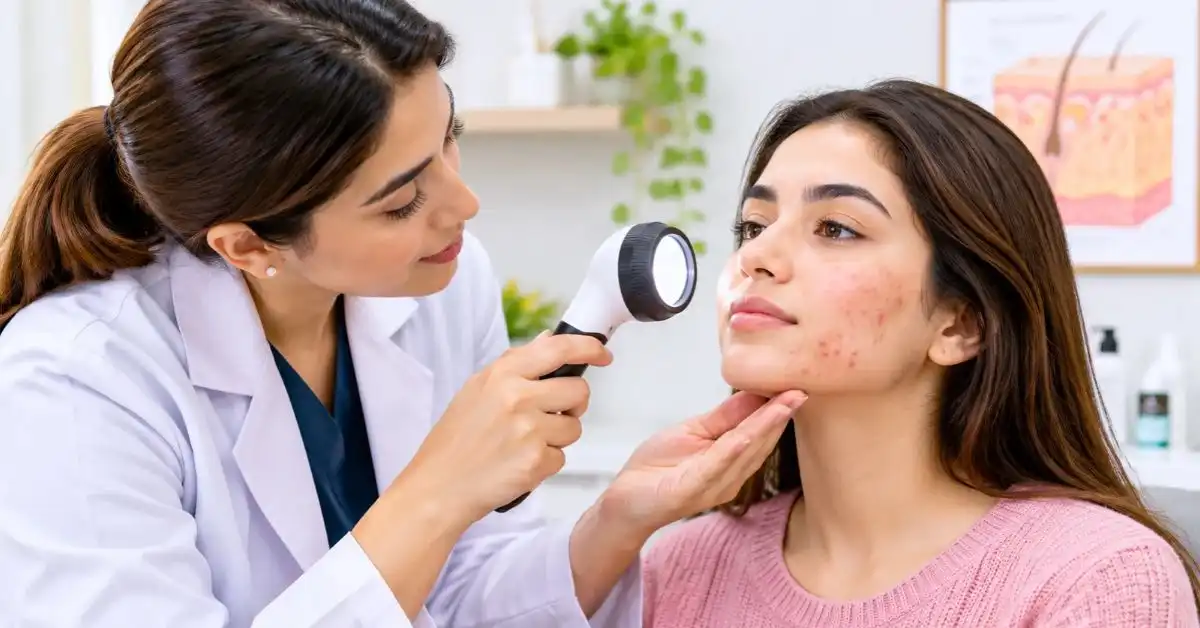
If acne is leaving dark marks, causing deep painful lumps, or affecting your confidence, consider seeing a dermatologist. Suitable treatment can help reduce new breakouts and lower the risk of scarring.
When to seek professional advice
Contact a qualified healthcare professional if:
- Your acne is severe, painful, or worsening.
- You develop deep nodules or cyst-like lesions.
- Breakouts leave scars or persistent dark marks.
- Over-the-counter products are not helping.
- Your skin becomes very irritated after trying new products.
- You are considering supplements or major dietary restrictions and have medical conditions, take medication, or are pregnant or breastfeeding.
Dietary changes are not a substitute for an individualized acne treatment plan.
Frequently Asked Questions
1. Are turmeric oats good for acne?
They can be part of a balanced diet, but there is no strong evidence that turmeric oats directly treat acne.
2. Can I eat turmeric oats every day?
Most people can enjoy ordinary food portions if the ingredients suit them. Variety across your overall diet is still important.
3. Does turmeric reduce pimples?
Turmeric contains curcumin, which is studied for its biological effects. It has not been established that eating culinary turmeric reduces acne.
4. Which oats are best for acne-prone skin?
Plain rolled or steel-cut oats are practical choices. Avoid assuming that any particular oat variety will clear acne.
5. How can I calm acne with food?
Build balanced meals around whole grains, vegetables, fruit, and suitable protein sources. A lower-glycemic eating pattern may help some people, but results vary.
Conclusion
Turmeric oats for acne are an easy way to prepare a warm, flavorful breakfast using familiar ingredients. Oats provide fiber, while turmeric adds color and taste. Fruit, nuts, seeds, and a suitable source of protein can make the meal more balanced.
The important point is to keep expectations realistic. Turmeric oats have not been proven to clear acne, remove scars, or stop hormonal breakouts. They can be part of a varied diet, but they cannot replace appropriate skincare or medical treatment.





Leave a Reply