

Quick Answer
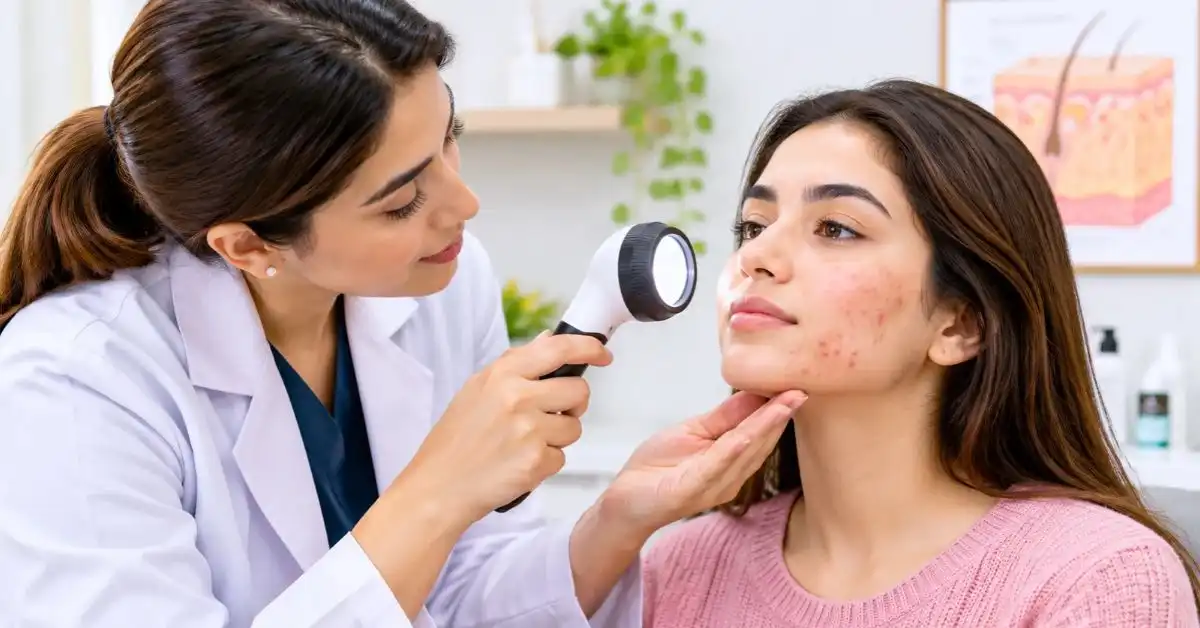
You should see a dermatologist for acne when pimples keep returning, become deep or painful, leave scars, or fail to improve with appropriate skincare and over-the-counter treatments. Professional advice is also important when breakouts spread across your face, chest, or back.
You do not need to wait until acne becomes severe. A dermatologist can identify the type of acne, understand possible triggers, and recommend a treatment plan that suits your skin. Early medical care may also reduce the risk of permanent scars and long-lasting dark marks.
Author: Saira
Role: Publisher & Skincare Content Writer
Content Review: Evidence-informed skincare content based on trusted dermatology resources and skincare research.
Introduction
Have you ever tried different face washes, acne creams, and home remedies but still noticed new pimples appearing on your face? If so, you may be wondering when to see a dermatologist for acne instead of continuing to experiment with skincare products.
Acne is one of the most common skin concerns. It can affect teenagers and adults, and it does not always disappear with a simple skincare routine. Some people experience occasional whiteheads, while others develop painful pimples, deep bumps, and stubborn breakouts that affect their daily lives.
It is easy to assume that every pimple needs another cleanser or spot treatment. However, acne can develop for several reasons, including excess oil, clogged pores, inflammation, hormonal changes, and genetics. Different types of acne may also need different treatments.
Using too many products without understanding your skin can lead to dryness, irritation, and more discomfort. In some cases, delaying appropriate treatment can increase the risk of acne scars.
The good news is that acne is manageable, and professional treatment is available. Understanding the warning signs can help you decide when home skincare is enough and when it is time to book an appointment with a skin specialist.
1. When to See a Dermatologist for Acne: 7 Important Warning Signs

Not every breakout requires a medical appointment. A few small pimples may improve with a gentle skincare routine and suitable over-the-counter treatments.
However, certain signs suggest that your skin needs professional attention. Recognizing them early can help you avoid unnecessary product experimentation and reduce the risk of long-term skin changes.
1. Your Acne Does Not Improve With Home Treatment
One important reason to consult a dermatologist is acne that continues despite consistent and appropriate treatment.
You may have already tried:
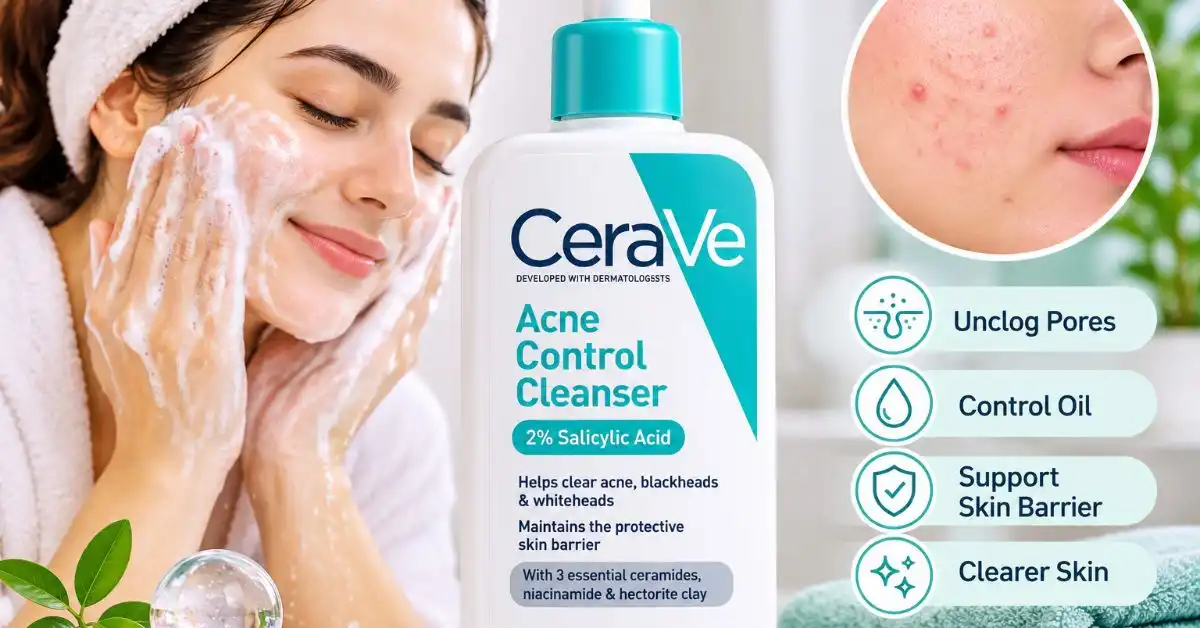
- Salicylic acid cleansers.
- Benzoyl peroxide products.
- Non-comedogenic moisturizers.
- Gentle exfoliating treatments.
- Basic morning and evening skincare routines.
These ingredients can help manage certain types of acne, but they do not work equally well for everyone.
For example, salicylic acid can help loosen dead skin cells and improve clogged pores. Benzoyl peroxide can reduce acne-causing bacteria and inflammation. However, deeper or more persistent acne may require prescription treatment.
Acne treatments also need time. Many commonly used treatments take around 6–8 weeks before early improvement becomes noticeable, and a longer period may be needed for more substantial results.
If your acne is not improving after using appropriate products consistently, a dermatologist can review your routine and recommend a more suitable approach.
2. You Have Deep and Painful Pimples
Small surface-level pimples are different from deep, painful acne bumps.
Some acne lesions develop deeper inside the skin. They may feel tender, swollen, and uncomfortable when you touch your face.
These breakouts can include inflammatory nodules and cyst-like lesions.
Common signs include:
- Large bumps beneath the skin.
- Pain when washing or touching your face.
- Swelling around the affected area.
- Breakouts that remain for a long time.
- New painful bumps appearing repeatedly.
Deep acne should not be treated like an ordinary whitehead. Strong scrubs, squeezing, and repeated spot treatments may irritate the area without addressing the underlying inflammation.
A dermatologist can examine the lesions and determine which treatment is appropriate. Medical treatment may also help reduce the chance of permanent scarring.
3. Acne Is Leaving Scars on Your Skin
Acne scars are another important reason to seek professional help.
When inflammation affects deeper layers of the skin, the healing process may change the skin’s structure. This can leave permanent depressions or raised areas.
There are different types of acne scars:
Atrophic scars: These appear as small depressions or indentations in the skin.
Ice-pick scars: These are narrow, deep marks that can look like tiny holes.
Rolling scars: These create an uneven or wavy skin surface.
Boxcar scars: These appear as wider depressions with more defined edges.
Hypertrophic scars: These are raised scars that develop when extra scar tissue forms.
Not every mark left after acne is a permanent scar. Flat brown or red spots may be post-inflammatory skin changes rather than structural scars.
This difference matters because pigmentation and actual scars need different treatment approaches.
A dermatologist can identify the type of mark and explain which treatments may help. Depending on the condition, options may include prescription skincare, chemical peels, microneedling, laser procedures, or other professionally selected treatments.
You can also read GlowVixa’s guide to how to use azelaic acid for acne scars and redness.
4. You Have Frequent Breakouts in the Same Areas
Do pimples keep returning to your chin, jawline, forehead, or cheeks?
Repeated breakouts in the same areas may indicate that your current skincare approach is not controlling the underlying acne.
For some people, hormonal changes contribute to acne around the chin and jawline. Others may experience clogged pores, irritation from skincare products, or acne influenced by genetics.
Pay attention to patterns such as:
- Breakouts appearing around menstrual periods.
- Pimples repeatedly developing on the chin.
- Small bumps returning across the forehead.
- Acne continuing into adulthood.
- Breakouts that improve temporarily but return.
Repeated acne does not automatically mean you have a hormonal disorder. A dermatologist can assess your symptoms and decide whether further investigation is needed.
If your breakouts mainly affect your cheeks, read GlowVixa’s article on acne on cheeks and what it may mean.
5. Your Acne Is Spreading to Your Chest or Back
Acne does not only affect the face. It can also develop on the shoulders, chest, upper arms, and back.
These areas contain oil-producing glands and hair follicles that can become clogged and inflamed.
Body acne may appear as:
- Small whiteheads.
- Blackheads.
- Red pimples.
- Pus-filled spots.
- Deep and painful bumps.
Sweat, friction, tight clothing, and certain personal care products may make some breakouts more uncomfortable.
Mild body acne may respond to suitable acne products. However, widespread, painful, persistent, or scar-forming breakouts deserve professional attention.
A dermatologist can also determine whether the bumps are actually acne. Other skin conditions, such as folliculitis, can sometimes look similar but need different care.
6. Acne Is Affecting Your Confidence or Mental Well-Being
Acne is not only a physical skin concern. It can also affect how you feel about your appearance.
Some people become uncomfortable attending social events, taking photographs, meeting new people, or going to school or work because of their breakouts.
You may notice:
- Feeling embarrassed about your skin.
- Avoiding social activities.
- Spending excessive time covering pimples.
- Feeling anxious before meeting people.
- Losing confidence because of repeated breakouts.
These feelings are valid. You do not need severe acne to deserve professional support.
A dermatologist can help you explore treatment options and discuss how acne affects your daily life. If acne is causing significant emotional distress, additional mental health support may also be helpful.
7. Your Acne Is Getting Worse or Your Diagnosis Is Unclear
Sometimes, what looks like acne may be another skin condition.
For example, folliculitis can cause acne-like bumps around hair follicles. Rosacea may cause facial redness and acne-like spots. Certain forms of irritation can also produce small bumps.
This is why repeatedly changing products without knowing the cause can be unhelpful.
Seek professional advice if:
- Your breakouts are spreading quickly.
- Your skin becomes increasingly swollen or painful.
- You develop unusual bumps that do not behave like ordinary acne.
- Your skin reacts badly to several products.
- You are unsure whether the problem is acne or another condition.
If the affected skin becomes hot, increasingly swollen, or very red, particularly with fever or feeling unwell, seek prompt medical assessment because these may indicate an infection.
2. Understanding Different Types of Acne and When They Need Professional Care

Understanding the type of acne you have can help you decide whether home skincare is suitable or whether you need a dermatologist.
Acne can appear in several forms. Some mainly involve clogged pores, while others cause deeper inflammation.
Whiteheads
Whiteheads develop when dead skin cells and oil block a pore. The opening remains closed, creating a small white or skin-colored bump.
They are generally considered non-inflammatory acne.
Gentle cleansing and suitable ingredients, such as salicylic acid or topical retinoids, may help manage them.
Blackheads
Blackheads are clogged pores with an open surface. The material inside the pore darkens after exposure to air.
The dark color is not dirt, so aggressive scrubbing is not necessary.
Salicylic acid and other appropriate acne treatments may help improve blackheads.
Papules
Papules are small, raised, inflamed bumps that often appear red or pink. They may feel tender but usually do not contain visible pus.
Repeated or widespread inflammatory papules may need professional treatment.
Pustules
Pustules are inflamed pimples with a visible white or yellow center containing pus.
Avoid squeezing them because this can increase inflammation and the risk of marks or scars.
Nodules and Cysts
Nodules are deep, firm, painful acne lesions. Cyst-like lesions may feel softer and contain inflammatory material.
These forms can be more difficult to manage with ordinary skincare products and have a higher risk of scarring.
A dermatologist should assess deep or painful acne rather than relying on home remedies.
Comparison Table: Different Acne Types
| Acne Type | Common Appearance | Professional Advice |
| Whiteheads | Small closed bumps | Helpful if persistent |
| Blackheads | Dark clogged pores | Consider if recurring |
| Papules | Red, inflamed bumps | Recommended if widespread |
| Pustules | Pimples with visible pus | Helpful for repeated breakouts |
| Nodules | Deep, firm, painful bumps | Important to seek care |
| Cyst-like acne | Deep, swollen lesions | Important to seek care |
The appearance of acne can overlap, so this table is educational rather than a way to diagnose your skin.
3. Home Acne Treatment vs. Dermatologist Treatment: What Is the Difference?
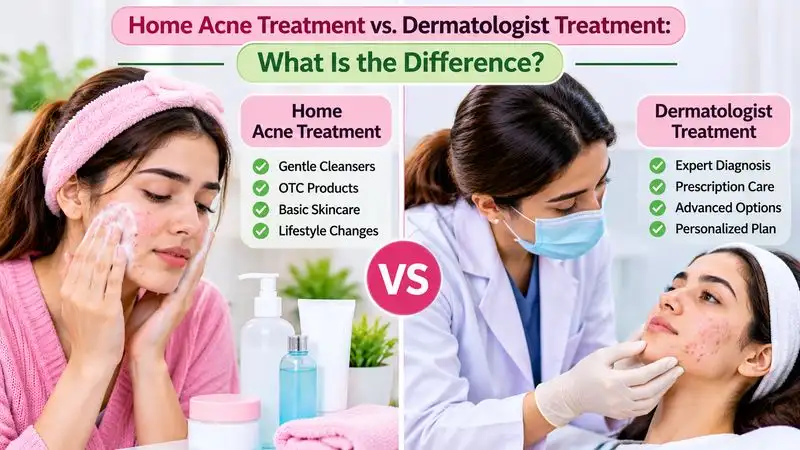
Many people start treating pimples at home because it is convenient and less expensive. This can be reasonable when acne is mild.
However, home skincare and professional treatment serve different purposes.
Home treatments generally focus on cleansing, reducing clogged pores, and managing mild breakouts. Dermatologists can assess the underlying condition and recommend prescription treatments when necessary.
What Can Home Skincare Help With?
A simple routine may help people with mild acne.
Useful skincare steps include:
- Gentle cleansing to remove sweat, dirt, and excess surface oil.
- Suitable acne ingredients to manage clogged pores or inflammation.
- Lightweight, non-comedogenic moisturizer.
- Daily sunscreen.
- Avoiding harsh scrubs and frequent product changes.
You can explore GlowVixa’s guide to the best exfoliator for acne-prone skin to understand how exfoliating ingredients may fit into an acne routine.
However, exfoliation is not essential for everyone, and excessive use may irritate the skin.
What Can a Dermatologist Offer?
A dermatologist can examine your skin and determine the type and severity of acne.
Depending on your needs, treatment may include:
Prescription topical treatments: These may include retinoids, benzoyl peroxide combinations, azelaic acid, or other prescribed medications.
Oral medications: Certain patients with moderate or severe acne may need oral treatment. The choice depends on age, medical history, pregnancy potential, and acne severity.
Hormonal treatment: Some patients may benefit from hormonal treatment when appropriate. A dermatologist will assess whether this is suitable.
Acne procedures: Selected patients may benefit from procedures such as chemical peels, corticosteroid injections for certain large inflammatory lesions, or treatments for established scars.
Not everyone needs medication or procedures. A treatment plan should be based on the actual skin condition rather than the number of products a person can purchase.
Home Treatment vs. Professional Care
| Feature | Home Skincare | Dermatologist Care |
| Best suited for | Some mild breakouts | Mild to severe acne |
| Main approach | Cleansers and OTC treatments | Individualized medical treatment |
| Diagnosis | Limited | Professional skin assessment |
| Prescription medication | Usually unavailable without prescription | Can be prescribed when appropriate |
| Deep painful acne | Often insufficient | Can be assessed and treated |
| Acne scars | Limited improvement | Access to scar-specific treatments |
| Follow-up | Self-monitoring | Professional monitoring |
Both approaches can have a place in acne management. The important thing is knowing when home care is no longer enough.
4. What Happens During Your First Dermatologist Appointment?

If you have never visited a dermatologist, you may feel nervous about what to expect.
The appointment is usually straightforward. The dermatologist will ask about your skin concerns, examine your acne, and discuss suitable treatment options.
Step 1: Discussion About Your Skin History
Your dermatologist may ask:
- When did your acne first appear?
- How often do you experience breakouts?
- Are the pimples painful or itchy?
- Do you notice acne around your menstrual cycle?
- Have you tried any acne products?
- Do you have a history of skin sensitivity?
- Does acne run in your family?
Answering honestly helps the dermatologist understand your skin better.
Step 2: Skin Examination
The dermatologist will examine the affected areas.
They may look at:
- The number of pimples.
- The type of acne lesions.
- Areas affected by breakouts.
- Signs of inflammation.
- Dark marks or scars.
- Possible signs of another skin condition.
In most routine acne appointments, the diagnosis can be made through a skin examination and medical history. Tests are not always necessary.
Step 3: Discussion of Treatment Options
After assessing your skin, the dermatologist may recommend a treatment plan.
This may involve one or more of the following:
- A gentle cleanser.
- A topical acne medication.
- A suitable moisturizer.
- Sunscreen.
- Oral medication when appropriate.
- Follow-up appointments to monitor progress.
Your dermatologist should explain how to use the prescribed products and what side effects to watch for.
Step 4: Follow-Up and Progress Monitoring
Acne treatment is not usually an overnight process.
Your dermatologist may ask you to return after several weeks to review your progress.
During follow-up, they may assess whether:
- New pimples are becoming less frequent.
- Existing inflammation is improving.
- Your skin is tolerating the treatment.
- The medication needs adjustment.
- Additional treatment is required.
Following the plan consistently is important. Do not increase medication strength or frequency without professional advice.
5. How to Prepare Before Visiting a Dermatologist for Acne

A little preparation can make your appointment more useful.
You do not need to buy new products or change your skincare routine before visiting.
Instead, collect information about your current skin condition.
Make a List of Products You Use
Write down the names of your current skincare products.
Include:
- Face washes.
- Moisturizers.
- Sunscreens.
- Serums.
- Acne creams.
- Prescription medications.
- Any home remedies you regularly use.
This helps the dermatologist identify ingredients that may be irritating your skin or interacting with your treatment.
Take Clear Photos of Your Breakouts
Acne can change from one day to another.
Taking clear photographs in natural lighting may help you explain how your breakouts have changed over time.
Avoid filters, makeup, and editing that alter the appearance of your skin.
Note Possible Triggers
Keep track of patterns you have noticed.
For example:
- Breakouts around your menstrual cycle.
- New pimples after changing skincare products.
- Acne after starting certain medications.
- Increased breakouts during periods of stress.
- Irritation after using exfoliating products.
These observations do not prove that a particular factor causes your acne, but they can help guide the discussion.
Prepare Questions
You can ask your dermatologist:
- What type of acne do I have?
- Do I need prescription treatment?
- How long should I use this medication?
- Which skincare ingredients should I avoid?
- How can I reduce the risk of acne scars?
- When should I return for a follow-up?
Understanding your treatment plan can make it easier to follow consistently.
6. Common Acne Mistakes to Avoid Before and After Your Appointment
Many people unintentionally make acne worse by trying too many treatments at once.
Even when a product is designed for acne-prone skin, incorrect use can lead to irritation.
Squeezing or Popping Pimples
Squeezing a pimple can damage surrounding skin and increase inflammation.
It may also increase the risk of infection, dark marks, and scarring.
Allow pimples to heal without repeatedly touching them.
Using Too Many Active Ingredients
Combining several exfoliating acids, retinoids, and acne treatments without a plan can irritate your skin.
For example, using a strong exfoliating serum, a salicylic acid cleanser, and multiple spot treatments together may be too much for some people.
Introduce products carefully and follow professional instructions.
Washing Your Face Too Often
Washing your face repeatedly does not prevent all acne.
Over-cleansing can cause dryness and irritation. Use a gentle cleanser according to your skin’s needs, generally no more than twice daily unless a healthcare professional advises otherwise.
Applying Toothpaste or Lemon to Pimples
Toothpaste and lemon juice are not reliable acne treatments.
Toothpaste may contain ingredients that irritate facial skin. Lemon juice can also cause irritation and may increase the risk of reactions when skin is exposed to sunlight.
Choose products designed for facial skin instead of experimenting with household ingredients.
Stopping Treatment Too Early
Some acne treatments need several weeks to show improvement.
Stopping too soon may prevent you from seeing their full benefit. However, do not continue a product that causes severe irritation or an allergic reaction.
Contact your healthcare professional if you experience concerning side effects.
Ignoring Sunscreen
Sun exposure can make post-acne dark marks more noticeable.
Choose a broad-spectrum SPF 30 or higher sunscreen that suits your skin. A lightweight, non-comedogenic formula may be more comfortable for acne-prone skin.
7. How Long Does Acne Treatment Take to Work?
One of the most common questions people ask is how quickly acne will improve after starting treatment.
The answer depends on the type of acne, treatment used, skin sensitivity, and consistency.
Some people notice early improvement within several weeks, while others need a longer treatment period.
Understanding the Treatment Timeline
First 1–2 weeks: Your skin may still experience breakouts. Some treatments can cause dryness, peeling, or mild irritation as your skin adjusts.
Around 6–8 weeks: Some acne treatments may begin showing noticeable improvement. New breakouts may become less frequent.
Around 8–12 weeks: A more useful assessment of treatment response may be possible. Your dermatologist may decide whether the treatment should continue or change.
After several months: Some people need longer-term treatment to maintain improvement and reduce recurring acne.
These timeframes are general examples, not guaranteed results. Different medications have different schedules, and some require closer medical monitoring.
What If Your Acne Is Not Improving?
Do not automatically add more products.
Instead:
- Check whether you are following the treatment instructions.
- Note any side effects.
- Avoid introducing multiple new products.
- Contact your dermatologist for a review.
- Discuss whether the diagnosis or treatment plan needs reassessment.
The goal is to find a treatment that controls acne without causing unnecessary irritation.
8. When Acne Needs Urgent Medical Attention
Most acne concerns can be assessed through a routine medical appointment. However, certain symptoms should not be ignored.
Seek prompt medical care if you experience:
- Rapidly increasing redness, warmth, or swelling.
- Severe pain around an affected area.
- Fever or feeling generally unwell alongside a suspected skin infection.
- A sudden severe acne flare with painful, ulcerated lesions.
- Significant swelling or a severe allergic reaction after using a skincare product.
A sudden, severe inflammatory acne condition known as acne fulminans requires urgent specialist assessment.
You should also seek support if acne is causing severe emotional distress. Your mental well-being matters just as much as your skin health.
For evidence-based advice about acne symptoms and when to seek help, consult the NHS acne guidance.
Frequently Asked Questions
1. When should I see a dermatologist for acne?
See a dermatologist if acne is persistent, painful, spreading, leaving scars, or not improving with appropriate home treatment.
2. Can a dermatologist completely cure acne?
Acne cannot always be permanently cured, but professional treatment can control breakouts, reduce inflammation, and help prevent future scarring.
3. Is it necessary to visit a dermatologist for a few pimples?
Not always. Mild occasional pimples may improve with suitable skincare. However, you can seek professional advice if they keep returning or cause discomfort.
4. How long does a dermatologist take to treat acne?
Some people notice improvement within 6–8 weeks, while others need several months. Treatment time depends on acne severity and the medication used.
5. Can a dermatologist help remove acne scars?
Yes. Dermatologists can recommend treatments for different types of acne scars. Options may include microneedling, chemical peels, laser treatments, and other procedures depending on the scar type.
Conclusion
Knowing when to see a dermatologist for acne can help you make better decisions about your skin. Although mild breakouts may respond to a simple skincare routine, persistent pimples, deep painful lesions, recurring acne, and visible scars often need professional attention.
You do not have to wait until acne becomes severe before asking for help. A dermatologist can identify your acne type, review possible triggers, and recommend treatments that suit your skin.
Remember that acne treatment takes patience. Avoid squeezing pimples, using too many active ingredients, or relying on harsh home remedies. Follow a gentle skincare routine, protect your skin with sunscreen, and use prescribed treatments as directed.
Most importantly, do not feel embarrassed about seeking professional advice. Acne is a common skin condition, and getting the right guidance can help protect your skin and confidence over time.






Leave a Reply