
Quick Answer
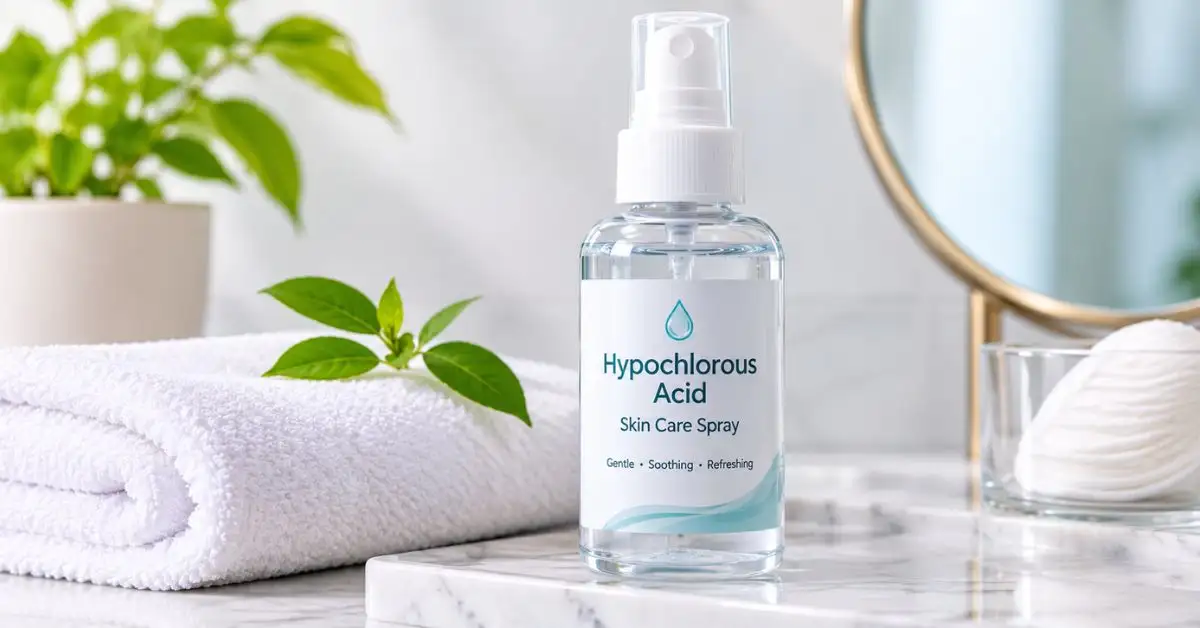
Hypochlorous acid for acne is a skincare option that may help calm inflammation, reduce certain harmful microbes on the skin, and support a healthy skin barrier. It is a naturally occurring compound produced by the body’s immune system to help fight germs.
Topical hypochlorous acid is commonly available in facial sprays and other skincare products. Its gentle properties make it an interesting option for people with sensitive, oily, and acne-prone skin. However, research specifically supporting its use for acne is still limited.
For best results, apply a facial hypochlorous acid mist to freshly cleansed skin, allow it to dry completely, and then follow with your regular moisturizer.
It may complement an existing acne routine, but it should not replace proven treatments such as benzoyl peroxide, salicylic acid, or retinoids when these are appropriate for your skin.
Author: Saira
Role: Publisher & Skincare Content Writer
Content Review: Evidence-informed skincare content based on trusted dermatology resources and skincare research.
Introduction
Have you ever noticed redness, small pimples, or irritation appearing on your face even when you follow a regular skincare routine? Acne-prone skin can be difficult to manage, especially when strong products cause dryness, burning, or discomfort.
This is one reason why hypochlorous acid for acne has become an interesting topic in modern skincare. Unlike traditional exfoliating acids, hypochlorous acid is known for its antimicrobial and anti-inflammatory properties. It works differently from ingredients such as salicylic acid and benzoyl peroxide.
Hypochlorous acid, often shortened to HOCl, is naturally produced by certain immune cells. Your body uses it as part of its defense against harmful microorganisms. Skincare manufacturers have developed stabilized topical formulations that allow people to use this ingredient on the skin.
Many people are interested in HOCl because it may help calm irritated skin without the harsh feeling associated with some traditional acne products.
However, there is an important difference between a promising skincare ingredient and a proven acne treatment. Although early research is encouraging, more high-quality clinical studies are needed to establish how effective different HOCl products are for acne.
In this guide, you will learn what hypochlorous acid does, how it may benefit acne-prone skin, how to use it correctly, which mistakes to avoid, and how to include it in a simple skincare routine.
Hypochlorous acid for acne is gaining attention as a gentle skincare option for people who want to calm irritated, acne-prone skin.
1. Understanding Hypochlorous Acid and Its Role in Skin Health
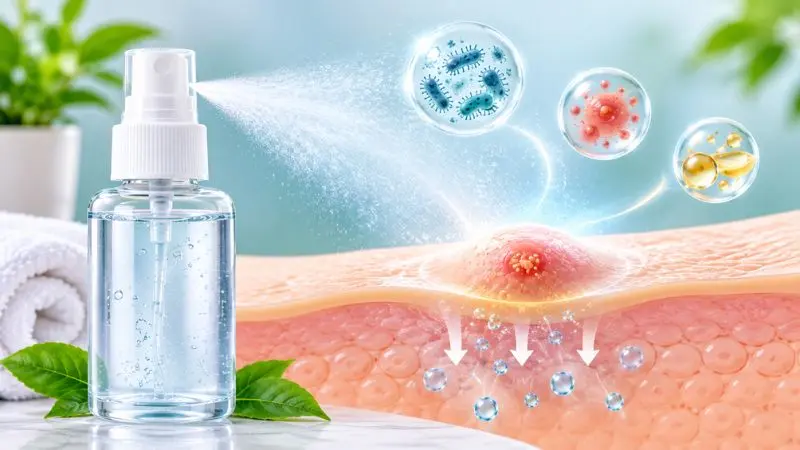
Hypochlorous acid (HOCl) is a compound that the body naturally produces as part of its defense system. It is released by specific immune cells when the body responds to unwanted microorganisms.
system. It is released by specific immune cells when the body responds to unwanted microorganisms.
This compound helps the immune system control harmful microbes through chemical reactions that affect their essential structures.
It helps destroy microorganisms by affecting important structures and processes inside them.
Scientists have developed stabilized versions of this compound for use in skincare, wound care, and other medical applications.
How Does Hypochlorous Acid Work on Skin?
Hypochlorous acid has several properties that make it useful in topical skincare formulations.
1. Antimicrobial activity
HOCl can help reduce certain microorganisms on the skin. This property is one reason researchers are investigating its potential role in managing inflammatory skin conditions.
2. Anti-inflammatory activity
Acne-related inflammation can make pimples look red, swollen, and irritated. Hypochlorous acid is being studied for its ability to support a calmer skin environment. Research involving other inflammatory skin conditions has also explored its potential to reduce irritation and inflammatory responses. However, more acne-specific studies are needed to confirm these effects.
3. Skin-supporting properties
Certain stabilized formulations are used in wound-care settings because they can help clean the skin and support a suitable environment for healing.
4. Gentle cleansing support
Skin-care formulations containing HOCl are often designed for people who want antimicrobial support without relying on harsh alcohol-based products.
However, gentle does not mean irritation is impossible. Your skin can still react to the complete formula, including preservatives and other ingredients.
Is Hypochlorous Acid the Same as Salicylic Acid?
No. Both ingredients are used in skincare, but they have different purposes.
Salicylic acid is a beta hydroxy acid (BHA). It helps loosen dead skin cells and improve clogged pores.
Hypochlorous acid is primarily known for its antimicrobial and anti-inflammatory properties. It does not work as a traditional exfoliant and should not be expected to clear blackheads in the same way as salicylic acid.
2. Benefits of Hypochlorous Acid for Acne-Prone Skin

Hypochlorous acid may offer several benefits for people dealing with frequent breakouts and skin irritation. However, the strength of evidence differs between its general skincare uses and its specific use for acne.
1. May Help Reduce Skin Microbes
One reason researchers are interested in HOCl is its ability to act against certain microorganisms.
Acne is a complex inflammatory skin condition involving excess oil, blocked hair follicles, hormonal influences, and the activity of Cutibacterium acnes.
Because HOCl has antimicrobial properties, researchers are exploring whether it can support acne management.
However, reducing microbes on the skin’s surface does not automatically mean that an ingredient can treat acne inside blocked pores.
2. May Calm Redness and Inflammation
Redness is a common feature of inflammatory acne.
Hypochlorous acid has properties that may help reduce inflammatory responses. This makes it an interesting option for people whose skin becomes irritated easily.
It may be useful as a supportive skincare step, particularly when your routine already contains active ingredients that sometimes cause dryness.
Still, it should not be considered a replacement for medical treatment when acne is severe.
3. May Suit Sensitive Skin
People with sensitive skin often struggle to find products that do not cause stinging or tightness.
Many topical HOCl formulations are designed to be gentle and are used in different skin-care and wound-care settings.
However, individual tolerance depends on the concentration, pH, formulation, and other ingredients.
If your skin reacts easily, start with a small amount and observe how it responds.
4. May Support Skin Comfort After Exercise
Sweat, heat, and friction can leave your face feeling uncomfortable after exercise.
A facial HOCl spray may offer a convenient cleansing-support step after a workout, especially when you cannot wash your face immediately.
However, it does not replace washing away sweat, sunscreen, and accumulated dirt with a suitable cleanser.
5. May Complement an Existing Acne Routine
One of the most interesting features of HOCl is that it works differently from common acne ingredients.
For example:
- Salicylic acid helps improve clogged pores.
- Benzoyl peroxide targets acne-associated bacteria.
- Retinoids help prevent clogged follicles.
- Hypochlorous acid offers antimicrobial and anti-inflammatory activity.
It may complement an existing routine, but using more products does not necessarily produce better results.
What Does Research Say?
Research on topical hypochlorous acid includes studies involving wounds, inflammatory skin conditions, and acne.
An earlier clinical study discussed in dermatology literature evaluated topical HOCl in people with inflammatory acne. The findings suggested potential benefits, but the evidence base remains small.
A separate randomized clinical trial evaluated 0.005% sodium hypochlorite in people with mild-to-moderate acne. The researchers reported a reduction in inflammatory acne lesions after one month.
It is important not to confuse sodium hypochlorite with hypochlorous acid. They are related chlorine-based compounds, but they are not interchangeable, and findings from one formulation cannot automatically be applied to another.
Overall, HOCl is a promising supportive skincare ingredient, not an established replacement for standard acne treatments.
3. How to Choose the Right Hypochlorous Acid Product

Not every product containing the word hypochlorous is suitable for facial skincare.
Choosing the correct formulation is important because products designed for household disinfection are not the same as products formulated for human skin.
Look for a Skin-Safe Formulation
Choose a product specifically labeled for topical skincare or facial use.
Check the packaging for:
- Clear ingredient information.
- Intended use on human skin.
- Manufacturer instructions.
- Expiration or stability information.
- Appropriate storage guidance.
- A clearly identified manufacturer.
Never use household cleaning sprays, surface disinfectants, or industrial solutions on your face.
Consider the Concentration
Commercial HOCl skincare products are available in different concentrations.
A higher concentration does not automatically mean better acne results. The overall formulation, pH, stability, and intended use also matter.
There is currently no universally established concentration that can be recommended as the best option for acne-prone skin.
Choose a product designed for facial use rather than trying to prepare or dilute a chemical solution yourself.
Check the Other Ingredients
The complete formula matters just as much as the main ingredient.
If you have sensitive or acne-prone skin, consider looking for:
- Fragrance-free formulations.
- Lightweight sprays.
- Simple ingredient lists.
- Products intended for sensitive skin.
Avoid assuming that every product marketed as natural or gentle is suitable for everyone.
Choose Suitable Packaging
HOCl stability can be affected by storage conditions and formulation quality.
Follow the manufacturer’s instructions regarding temperature, light exposure, and storage.
Avoid transferring the solution into another bottle unless the manufacturer specifically permits it.
Product Selection Checklist
| Feature | What to Look For | Why It Matters |
| Product type | Facial or topical skincare spray | Ensures intended skin use |
| Ingredients | Clearly listed formula | Helps identify potential irritants |
| Concentration | Manufacturer-specified | Avoids unnecessary experimentation |
| Packaging | Properly sealed container | Helps maintain product quality |
| Storage | Clear storage instructions | Supports product stability |
| Fragrance | Prefer fragrance-free if sensitive | May reduce avoidable irritation |
4. How to Use Hypochlorous Acid for Acne Correctly
Using hypochlorous acid does not require a complicated skincare routine.
The main goal is to apply a suitable product correctly without irritating your skin.
Step 1: Cleanse Your Face
Start with a gentle facial cleanser.
Use lukewarm water and massage the cleanser lightly over your face. Avoid scrubbing, rough brushes, and very hot water.
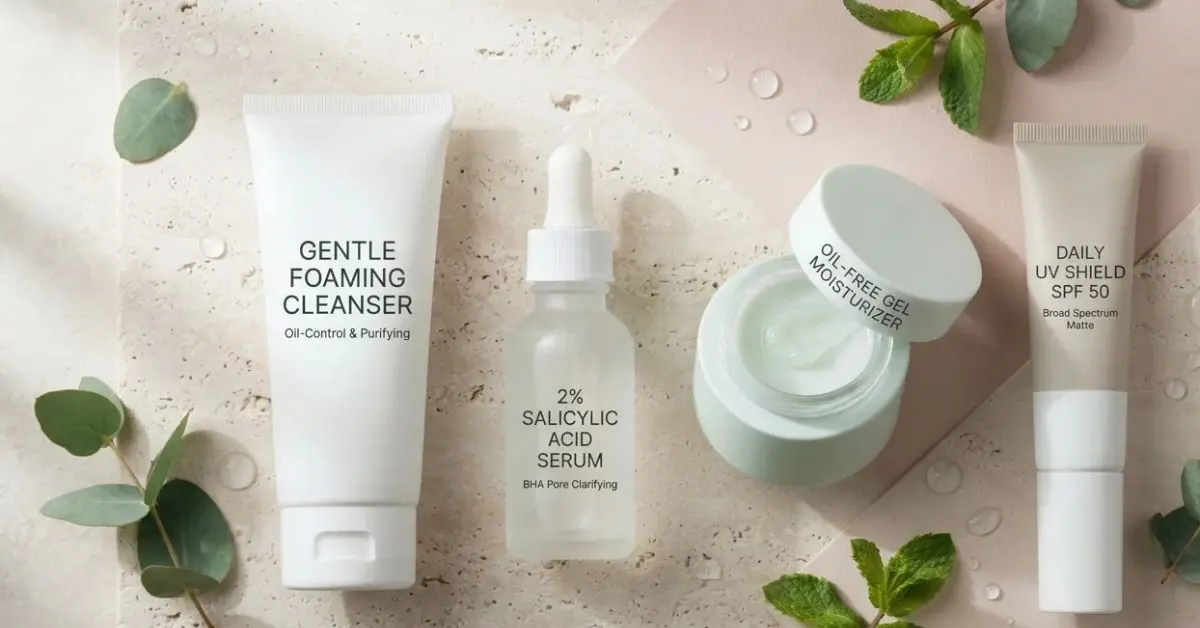
If you have oily skin, choose a cleanser that removes excess surface oil without leaving your face tight or uncomfortable. Following a gentle skincare routine for acne-prone skin can also help reduce unnecessary irritation.
Step 2: Apply the Hypochlorous Acid Spray
Follow the manufacturer’s instructions.
If the product is designed as a facial mist, spray it evenly over clean skin from the recommended distance.
Avoid spraying directly into your eyes or mouth.
Do not apply extra layers in the hope of getting faster results.
Step 3: Allow It to Dry
Let the product dry naturally according to its instructions.
You generally do not need to rub it into your face.
Avoid immediately layering several strong active ingredients if you are still learning how your skin responds.
Step 4: Apply Moisturizer
Once the spray has dried, apply a lightweight moisturizer.
A suitable moisturizer helps maintain skin hydration and supports the skin barrier.
Look for a non-comedogenic formula if you are prone to clogged pores.
Step 5: Finish With Sunscreen in the Morning
If you use HOCl in your morning routine, finish with broad-spectrum SPF 30 or higher.
Sunscreen protects your skin from ultraviolet damage and helps prevent existing acne marks from becoming darker.
Morning and Night Routine
Morning
- Gentle facial cleanser.
- Hypochlorous acid spray, following product directions.
- Lightweight moisturizer.
- Broad-spectrum SPF 30 or higher.
Night
- Remove makeup and sunscreen.
- Cleanse your face gently.
- Apply HOCl spray according to the label.
- Allow it to dry.
- Apply moisturizer.
- Use your prescribed acne treatment as directed, if applicable.
You do not have to use HOCl twice daily. Follow the product instructions and choose a frequency your skin tolerates.
5. Can You Use Hypochlorous Acid With Other Acne Ingredients?
Yes, HOCl may fit alongside several common skincare ingredients. However, the complete routine and your skin’s tolerance matter.
Introducing several new ingredients at the same time makes it difficult to identify the cause of irritation.
Hypochlorous Acid and Salicylic Acid
Salicylic acid helps loosen dead skin cells and improve clogged pores.
HOCl works through different mechanisms, mainly antimicrobial and anti-inflammatory activity.
They may have complementary roles in an acne routine. However, introduce them carefully, especially if your skin is sensitive.
Read our guide to salicylic acid serum vs face wash for acne-prone skin to understand how these products differ.
Hypochlorous Acid and Niacinamide
Niacinamide is a form of vitamin B3.
It is commonly used to support the skin barrier, improve the appearance of uneven skin tone, and help manage visible oiliness.
There is no established reason that everyone must avoid using niacinamide with HOCl. However, follow the instructions for both products and observe your skin’s response.
Hypochlorous Acid and Benzoyl Peroxide
Benzoyl peroxide is an established acne treatment that helps reduce acne-associated bacteria.
HOCl may provide additional antimicrobial support, but there is not enough evidence to show that combining both produces better acne outcomes.
Avoid applying multiple treatments excessively. If you already use prescription acne medication, ask your dermatologist before changing your routine.
Hypochlorous Acid and Retinoids
Retinoids such as adapalene are commonly used to manage acne by helping prevent clogged pores.
Some people experience dryness, peeling, and irritation when starting retinoids.
HOCl may be used as a separate supportive skincare step if tolerated, but it cannot replace the retinoid’s acne-targeting action.
Ingredient Compatibility Table
| Skincare Ingredient | Main Function | Can It Fit With HOCl? |
| Salicylic acid | Helps unclog pores | Potentially, with careful use |
| Niacinamide | Supports skin barrier | Generally compatible |
| Benzoyl peroxide | Treats acne-associated bacteria | May fit, but evidence on the combination is limited |
| Adapalene | Helps prevent clogged pores | Potentially, with attention to irritation |
| Moisturizer | Supports hydration | Yes |
| Sunscreen | Protects against UV damage | Yes |
6. Common Mistakes to Avoid When Using Hypochlorous Acid
Even a gentle skincare ingredient can cause problems when used incorrectly.
Avoid these common mistakes:
Using Household Disinfectant on Your Face
This is one of the most important safety points.
Household disinfectants and skincare sprays are not interchangeable. Their formulations, concentrations, and intended uses can be very different.
Use only a product specifically intended for application to human skin.
Expecting It to Cure Every Type of Acne
HOCl may offer supportive benefits, but it does not address every cause of acne.
Hormonal acne, clogged pores, and deep inflammatory breakouts may require different treatments.
Do not depend on a facial spray alone if your acne is persistent or worsening.
Spraying It Too Frequently
Applying more product does not guarantee better results.
Excessive use may increase exposure to other ingredients in the formulation and may cause discomfort in some people.
Follow the label instead of creating your own application schedule.
Skipping Moisturizer
People with oily skin sometimes believe moisturizer is unnecessary.
However, oily skin can still become dehydrated or irritated.
A lightweight, non-comedogenic moisturizer may help maintain skin comfort.
Combining Too Many Active Ingredients
Using several exfoliants, retinoids, and acne treatments together can increase irritation.
Introduce one new product at a time and allow your skin to adjust.
For additional guidance, read our article about the best exfoliator for acne-prone skin.
Ignoring Skin Reactions
Stop using the product if you experience persistent burning, swelling, itching, or significant redness.
A skincare product should not cause ongoing discomfort.
7. Who Should Use Hypochlorous Acid and Who Should Be Careful?
Hypochlorous acid may be worth considering for people who want a gentle supportive skincare step.
However, it is not necessary for everyone.
For Oily Skin
People with oily skin may appreciate a lightweight facial spray that does not leave a heavy or greasy feeling.
However, HOCl does not directly control sebum production.
If excess oil and clogged pores are your main concerns, an appropriate cleanser and evidence-based acne treatment may be more useful.
For Sensitive Skin
Some facial HOCl formulations are designed for sensitive skin.
However, sensitivity varies between individuals.
Start cautiously, check the ingredient list, and avoid applying it to damaged skin unless the product instructions specifically allow it.
For Acne-Prone Skin
People with occasional inflammatory breakouts may be interested in HOCl as an additional skincare step.
However, if you have frequent whiteheads, blackheads, or deep pimples, you may need other treatments that target the underlying acne process.
For People With a Damaged Skin Barrier
If your skin is already peeling, burning, or inflamed, simplify your routine first.
Avoid introducing several new products at once.
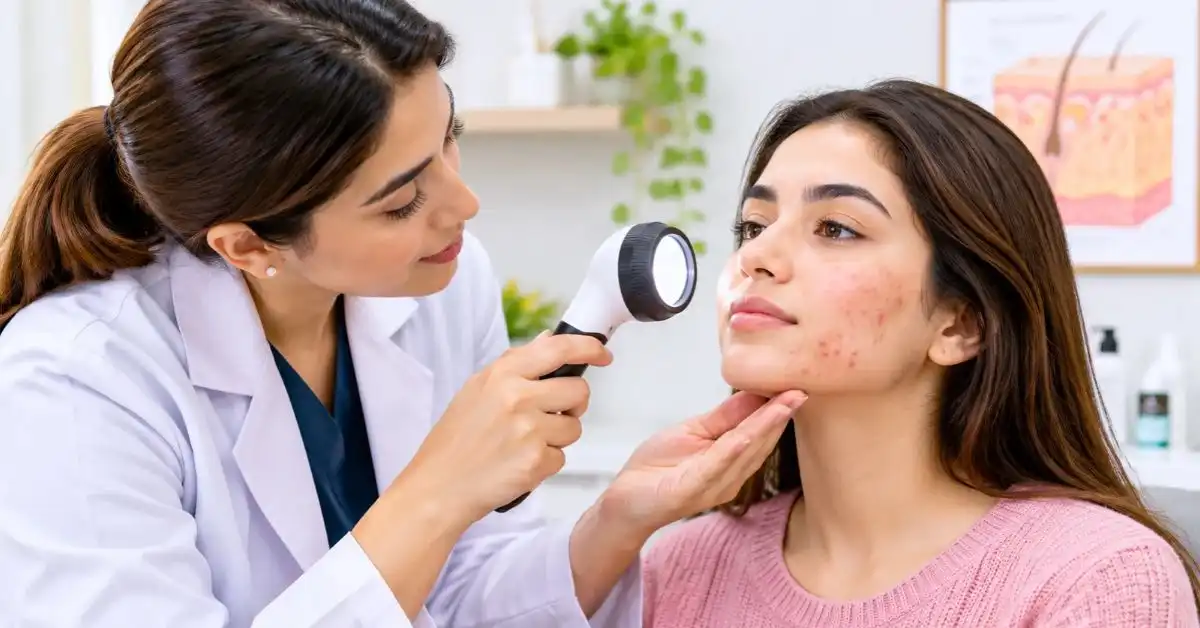
A dermatologist can help determine whether the symptoms are related to acne, irritation, eczema, or another skin condition.
When Should You Seek Medical Advice?
Consult a qualified dermatologist or healthcare professional if you experience:
- Deep or painful acne.
- Acne that leaves scars.
- Persistent breakouts despite consistent skincare.
- Severe swelling or irritation.
- Sudden worsening of acne.
- Acne that affects your confidence or daily life.
If you are pregnant, breastfeeding, or using prescription acne medication, ask a healthcare professional before introducing new active skincare products.
8. How Long Does Hypochlorous Acid Take to Show Results?
There is no reliable, universal timeline for acne improvement with topical HOCl.
Some people may notice that their skin feels more comfortable after using a suitable product. However, this does not necessarily mean that acne lesions are improving.
Research on HOCl for acne remains limited, and different products may have different formulations.
Your results may depend on:
- Your type of acne.
- The product’s concentration and stability.
- How consistently you use it.
- Other skincare ingredients in your routine.
- Your skin’s sensitivity.
- Whether you are using appropriate acne treatment.
Do not judge a product only by how your skin looks after one or two applications.
Track changes in redness, new breakouts, skin comfort, and irritation over time.
If your acne is not improving, do not keep increasing the amount or frequency. Seek professional advice about more established treatment options.
When considering hypochlorous acid for acne, choose a facial product specifically formulated for skincare and follow its label instructions.
Frequently Asked Questions
1. Is hypochlorous acid good for acne?
It may help calm inflammation and reduce certain skin microbes. However, research specifically supporting its effectiveness for acne is still limited.
2. Can I use hypochlorous acid every day?
Some facial formulations are designed for daily use. Follow the manufacturer’s instructions and reduce or stop use if irritation develops.
3. Does hypochlorous acid help with acne scars?
There is not enough evidence to show that HOCl directly removes acne scars or dark marks. It should not replace treatments designed for post-acne discoloration or scarring.
4. Can I use hypochlorous acid with salicylic acid?
They have different functions and may fit into the same routine. Introduce products gradually and monitor your skin for irritation.
5. Is hypochlorous acid safe for sensitive skin?
Many topical formulations are designed to be gentle. However, individual reactions are possible, so check the ingredients and test the product cautiously.
Conclusion
Hypochlorous acid is an interesting skincare ingredient with antimicrobial and anti-inflammatory properties. Its potential benefits make it worth understanding, especially for people who want additional support for sensitive and acne-prone skin.
When used correctly, a suitable facial HOCl spray may complement a simple skincare routine. However, it does not replace established acne treatments that target clogged pores, excess skin-cell buildup, and persistent inflammatory breakouts.
Choose a product specifically formulated for facial use, follow its instructions, moisturize regularly, and protect your skin with sunscreen during the day.
Most importantly, remember that healthy-looking skin does not require dozens of products. A gentle, consistent routine and appropriate acne treatment are more important than following every new skincare trend.





Leave a Reply