

Quick Answer
Ectoin and ceramides both support a healthy skin barrier, but they work in different ways. Ceramides help restore the skin’s natural protective lipid structure, while ectoin helps protect skin cells from environmental stress and supports hydration.
Ceramides are generally a more direct choice when your skin barrier is weakened, dry, flaky, or irritated. Ectoin can be particularly helpful when skin feels sensitive, dehydrated, or exposed to environmental stress.
Both ingredients can be included in the same skincare routine because they provide different types of skin barrier support.
. A skincare routine containing both ingredients may offer complementary benefits, depending on your skin type and product formulation.
Author: Saira
Role: Publisher & Skincare Content Writer
Content Review: Evidence-informed skincare content based on trusted dermatology resources and skincare research.
Introduction
Does your skin sometimes feel tight, irritated, rough, or unusually sensitive, even after applying moisturizer? These changes may indicate that your skin barrier needs extra care. When researching ingredients for barrier support, the comparison of ectoin vs ceramides is worth understanding because both ingredients offer different benefits.
Understanding ectoin vs ceramides can help you choose the right ingredients for your skin barrier needs.
The skin barrier forms the body’s first line of defense against everyday external factors. It helps keep essential moisture inside while limiting contact with irritants, allergens, and other substances that may affect skin health.
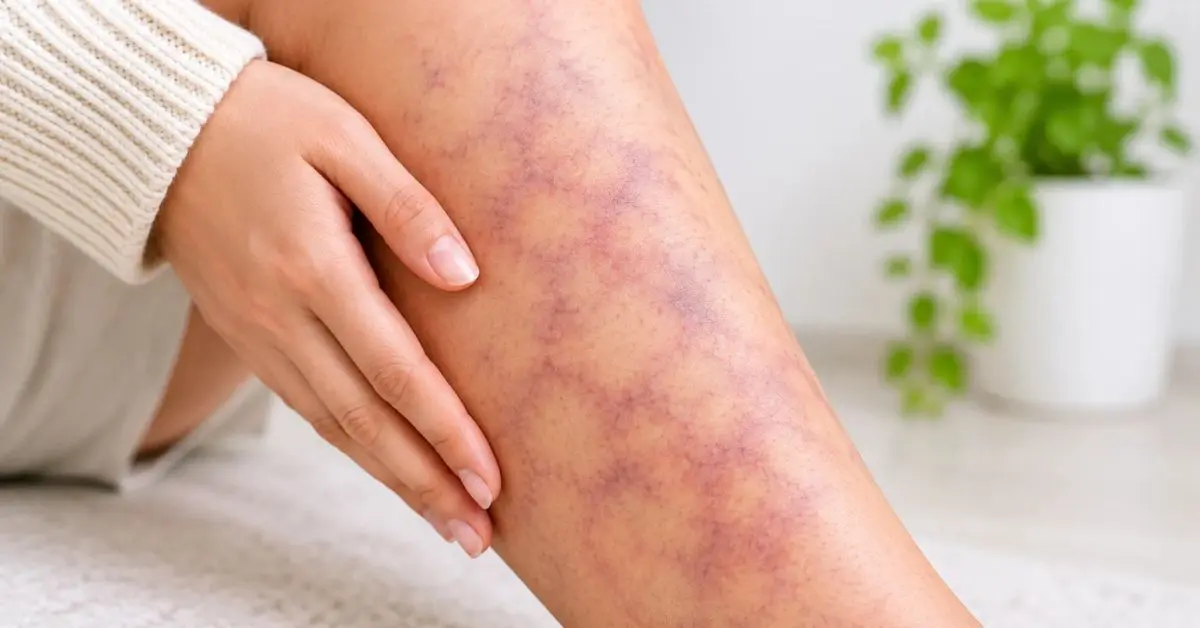
It helps retain moisture and protects against environmental irritants, allergens, and other external factors. When this protective layer becomes weakened, your skin may lose water more easily and become dry, flaky, uncomfortable, or reactive.
This is where barrier-supporting ingredients become important.Ceramides are naturally occurring fats that help hold skin cells together and maintain the protective structure of the outer skin layer.
Ectoin, on the other hand, is a protective molecule known for helping biological structures cope with environmental stress.
Although both ingredients can support healthier-looking skin, they are not interchangeable. Understanding their differences can help you choose a moisturizer or serum that meets your skin’s needs.
In this guide, we will compare ectoin and ceramides, explain how each ingredient works, explore their benefits, and discuss how to use them together in a simple skincare routine.
1. Understanding the Skin Barrier and Why It Needs Repair
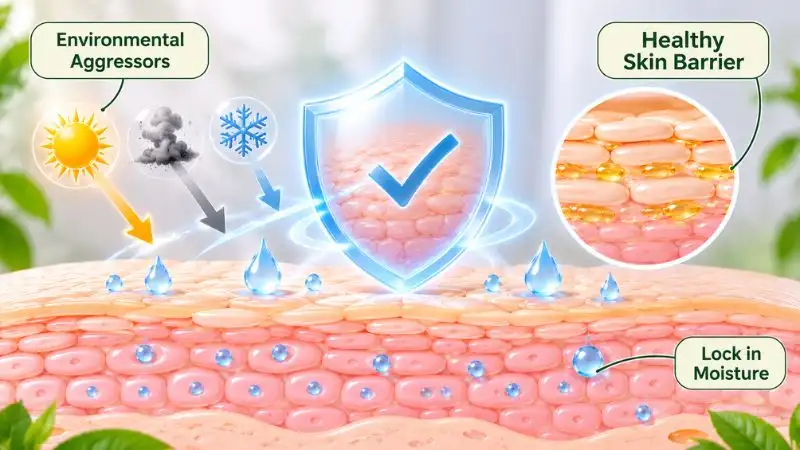
Before comparing ectoin and ceramides, it helps to understand what the skin barrier actually does.
Your skin has several layers, but the outermost part of the epidermis is especially important for protection. This layer is called the stratum corneum.
It contains flattened, mature skin cells called corneocytes. These cells are surrounded by a mixture of lipids, including ceramides, cholesterol, and fatty acids.
Dermatologists often describe this arrangement using a brick-and-mortar comparison:
- Corneocytes act like the bricks.
- Ceramides, cholesterol, and fatty acids help form the mortar.
- Together, these components create a protective structure.
This structure helps prevent excessive water loss while limiting the entry of unwanted substances.
What Happens When the Skin Barrier Becomes Weak?
A healthy skin barrier helps maintain comfortable hydration. However, several factors can interfere with its normal function.
Common causes include:
- Using harsh cleansers that remove too much natural oil.
- Overusing exfoliating acids or retinoids.
- Washing the face too frequently.
- Applying products that irritate sensitive skin.
- Frequent exposure to cold, dry, or windy weather.
- Certain skin conditions, including eczema and contact dermatitis.
- Using too many active ingredients in one routine.
When the barrier becomes compromised, water escapes more easily from the skin. This process is known as transepidermal water loss (TEWL).
You may notice:
- Tightness after washing your face.
- Dry or flaky patches.
- Redness or temporary irritation.
- Increased sensitivity to skincare products.
- Rough or uneven skin texture.
- A burning or stinging feeling when applying certain products.
These symptoms do not always mean your skin barrier is damaged. Some can also occur because of allergies, dermatitis, or other skin conditions.
Why Barrier-Supporting Ingredients Matter
A barrier-supporting skincare routine should focus on three important goals:
- Reduce unnecessary irritation.
- Improve and maintain skin hydration.
- Support the protective structure of the outer skin layer.
Ceramides help supply important barrier lipids, while ectoin offers a different type of cellular protection and hydration support.
Both can be useful, but choosing the right one depends on what your skin needs.
2. What Are Ceramides and How Do They Repair the Skin Barrier?
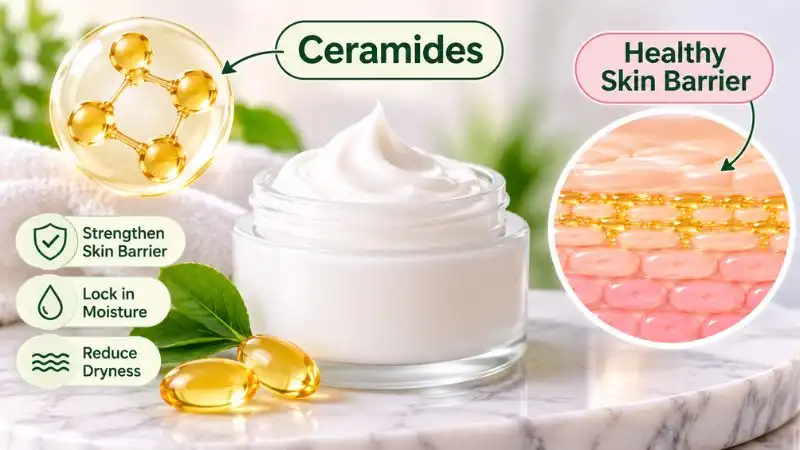
Ceramides are naturally occurring lipid molecules found in the outer layer of human skin. Lipids are fats that help form protective structures and reduce excessive moisture loss.
In the ectoin vs ceramides comparison, ceramides stand out for their direct role in supporting the skin’s protective lipid structure.
Ceramides are particularly important because they help hold the spaces between skin cells together.
Your skin naturally produces different types of ceramides. These molecules work with cholesterol and free fatty acids to create organized lipid layers.
When this arrangement is disrupted, the skin may struggle to retain moisture and protect itself from external irritants.
How Ceramides Work
Ceramides support the skin barrier through several processes.
1. Support the natural lipid structure
Ceramides are essential components of the protective lipid layers between skin cells. Applying a suitably formulated ceramide moisturizer can help support this structure.
2. Reduce excessive moisture loss
A well-maintained lipid barrier helps slow the escape of water from the outer skin layer.
3. Improve skin softness
When the outer layer retains sufficient moisture, roughness and flaking may become less noticeable.
4. Support dry and sensitive skin
Ceramide-containing moisturizers can be useful for people experiencing dryness, irritation, or barrier-related discomfort.
5. Complement other moisturizing ingredients
Ceramides are often combined with ingredients such as glycerin, cholesterol, hyaluronic acid, and fatty acids.
These ingredients perform different functions, making the overall moisturizer more comprehensive.
Different Types of Ceramides in Skincare
Not all ceramides are identical. Several forms appear in cosmetic formulations.
Common examples include:
- Ceramide NP
- Ceramide AP
- Ceramide EOP
- Ceramide NS
- Ceramide AS
You may see these names on skincare ingredient labels.
However, a product should not be judged only by how many ceramide types it contains. The overall formulation, ingredient stability, and compatibility with the skin also matter.
Research published in the International Journal of Cosmetic Science in 2024 discusses how the correct formulation of ceramides is important for their ability to support barrier repair.
This means that a well-designed moisturizer may be more useful than a product that simply advertises a high number of ceramide ingredients.
Who Should Consider Ceramides?
Ceramide-containing moisturizers may be useful for:
- People with dry or dehydrated skin.
- People experiencing tightness and flaking.
- Those with sensitive skin.
- People whose skin feels uncomfortable after excessive exfoliation.
- Individuals who want to maintain their skin barrier.
- People following dermatologist-recommended routines for certain dry-skin conditions.
Ceramides can also suit oily skin when included in a lightweight, non-greasy moisturizer.
The ingredient itself does not determine whether a product will clog pores. The complete formula and your individual skin response matter.
3. What Is Ectoin and How Does It Protect the Skin?

Ectoin is a naturally occurring protective molecule produced by certain microorganisms that survive in challenging environmental conditions.
When comparing ectoin vs ceramides, ectoin offers a different approach by supporting hydration and cellular protection.
These microorganisms may experience extreme temperatures, dryness, and high salt concentrations. Ectoin helps protect their cellular structures from environmental stress.
In skincare, ectoin is used as a skin-conditioning ingredient that may help support hydration and protect skin cells from certain forms of environmental stress.
Unlike ceramides, ectoin is not a structural lipid that forms part of the skin’s natural barrier mortar.
Instead, its proposed benefits involve stabilizing biological structures and supporting the skin’s ability to cope with stress.
How Ectoin Works on the Skin
Ectoin is classified as an extremolyte. It is associated with a process called preferential hydration, in which it helps maintain a favorable hydration environment around biological molecules.
Its skincare benefits are commonly discussed in four areas.
1. Supports hydration
Ectoin-containing formulations may help improve skin comfort and reduce dryness. Some clinical studies have investigated changes in skin hydration and transepidermal water loss.
2. Helps protect biological structures
Research suggests that ectoin can help stabilize proteins and cell membranes under challenging environmental conditions.
3. Supports sensitive skin
Ectoin-containing creams have been studied in people with inflammatory skin conditions, including atopic dermatitis.
Some studies reported improvements in dryness and dermatitis-related symptoms. However, the available clinical evidence is still limited.
4. Helps skin cope with environmental stress
Laboratory research has explored ectoin’s protective properties under conditions such as heat, dryness, and ultraviolet exposure.
However, using an ectoin serum does not replace sunscreen. It should not be treated as an alternative to proven sun protection.
Is Ectoin Suitable for Sensitive Skin?
Ectoin may be a useful option for people who experience dryness, tightness, or discomfort.
A 2022 systematic review evaluated six clinical studies involving ectoin-containing topical formulations for inflammatory skin conditions.
For more information, read the clinical research on topical ectoin published in PubMed.
The review found encouraging results, particularly with formulations containing 5.5%–7% ectoin. However, the number of studies was small, and the researchers noted differences in study design and treatment conditions.
These findings are promising, but they do not prove that every ectoin product will produce the same results.
Who May Benefit From Ectoin?
Ectoin-containing skincare may be worth considering for:
- People with sensitive or easily irritated skin.
- Those experiencing dehydration.
- People exposed to dry or challenging environmental conditions.
- Individuals looking for additional hydration support.
- People who want a complementary ingredient in a barrier-focused routine.
If you have persistent redness, itching, or inflammation, consult a dermatologist rather than relying on a cosmetic ingredient alone.
4. Ectoin vs Ceramides: Key Differences Explained

Now that you understand both ingredients, let’s compare them directly.
The main difference is their role in supporting skin health.
Ceramides are structural lipids that help maintain the skin’s natural protective barrier. Ectoin is a protective molecule that supports hydration and helps biological structures cope with environmental stress.
Neither ingredient is automatically better for every skin type.
This ectoin vs ceramides comparison highlights why both ingredients can support skin health in different ways.
Ectoin vs Ceramides Comparison Table
| Feature | Ectoin | Ceramides |
| Ingredient type | Protective osmolyte | Skin-identical lipids |
| Natural role | Helps microorganisms cope with environmental stress | Forms part of the skin’s natural lipid barrier |
| Main skincare purpose | Hydration and cellular protection | Barrier structure and moisture retention |
| Dry skin | May support hydration | Helps support the protective lipid layer |
| Sensitive skin | May help support skin comfort | Helps maintain barrier function |
| Barrier support | Indirect and supportive | Direct structural role |
| Common product forms | Serums and moisturizers | Creams, lotions, and moisturizers |
| Can be combined? | Yes | Yes |
Which Ingredient Works Better for Different Skin Concerns?
For a weakened skin barrier: Ceramides are generally the more direct choice because they are part of the skin’s natural lipid structure.
For dehydrated skin: Ectoin may provide additional hydration support. However, products containing glycerin and other humectants can also be helpful.
For dry and flaky skin: A ceramide-containing moisturizer with an appropriate emollient base may help improve comfort and reduce moisture loss.
For sensitive skin: Either ingredient may be suitable, depending on the complete product formulation.
For environmental stress: Ectoin is particularly interesting because of its protective properties, although clinical evidence for specific environmental benefits in humans remains limited.
The important point is that both ingredients have different functions. A good skincare choice should match your actual skin concern rather than follow ingredient trends.
5. Which Is Better for Your Skin Type?

Your skin type can help you decide whether to prioritize ectoin, ceramides, or both.
Choosing between ectoin vs ceramides depends on your skin type, hydration needs, and barrier condition.
However, remember that skin type and skin condition are not the same thing. Oily skin can still become dehydrated, and dry skin can also be sensitive.
Dry Skin
Ceramides are often a practical first choice for dry skin because they help support the lipid structure that reduces moisture loss.
Look for a moisturizer containing ceramides alongside glycerin or other moisturizing ingredients.
A cream-based formula may be more comfortable if your skin is very dry.
Ectoin can also complement your routine by providing additional hydration support.
Oily Skin
Oily skin produces more sebum, but this does not mean it always has enough water.
If your face feels tight after cleansing but becomes shiny later, you may be experiencing both oiliness and dehydration.
For this skin type:
- Choose a lightweight gel or lotion.
- Look for non-comedogenic labeling.
- Consider ceramides in a lightweight formulation.
- Try ectoin if you want additional hydration support.
- Avoid unnecessarily heavy products if they feel uncomfortable.
Neither ingredient directly controls sebum production.
Sensitive Skin
Sensitive skin may react to fragrance, harsh cleansers, exfoliating acids, or other irritating ingredients.
Both ectoin and ceramides can be considered in a gentle skincare routine.
Choose fragrance-free products where possible and avoid introducing several new products at the same time.
If you have a diagnosed skin condition, follow your dermatologist’s treatment advice.
Combination Skin
Combination skin has oily areas and drier areas, often around the cheeks and T-zone.
A lightweight moisturizer containing both ingredients may be a convenient option.
You can also apply different amounts of moisturizer to different areas depending on their needs.
Acne-Prone Skin
Acne-prone skin can still benefit from barrier-supporting ingredients.
Frequent use of exfoliating acids, acne treatments, and strong cleansers may cause dryness or irritation.
Ceramides can help support the skin barrier, while ectoin may provide additional hydration support.
Choose products with lightweight textures if richer creams feel too heavy.
You can also read our guide to the best exfoliator for acne-prone skin to understand why gentle exfoliation matters when building an acne-care routine.
Skin Type Recommendation Table
| Skin Type or Concern | Ingredient to Consider | Suitable Product Texture |
| Very dry skin | Ceramides | Rich cream |
| Dehydrated skin | Ectoin | Hydrating serum or lotion |
| Sensitive skin | Either or both | Gentle fragrance-free cream |
| Oily skin | Either or both | Lightweight gel or lotion |
| Combination skin | Both | Lightweight moisturizer |
| Acne-prone skin | Ceramides or ectoin | Non-comedogenic moisturizer |
These are general suggestions, not guaranteed outcomes. Your skin’s response to the finished product is more important than the ingredient name alone.
6. Can You Use Ectoin and Ceramides Together?
Yes. Ectoin and ceramides can be used together because they support skin health through different mechanisms.
Ceramides help maintain the lipid structure of the skin barrier, while ectoin offers hydration and protective support.
Using both may be a practical approach when your skin feels dry, sensitive, or uncomfortable.
Why Combining Both Ingredients May Help
A moisturizer containing both ingredients can offer complementary benefits.
- Ceramides support the outer skin’s lipid structure.
- Ectoin provides additional hydration-related support.
- Glycerin can attract water into the outer skin layer.
- Cholesterol and fatty acids can complement ceramide-containing formulas.
- Emollients help soften the skin.
However, the presence of both ingredients does not automatically make a product superior.
The quality of the complete formula, ingredient compatibility, and your skin’s tolerance remain important.
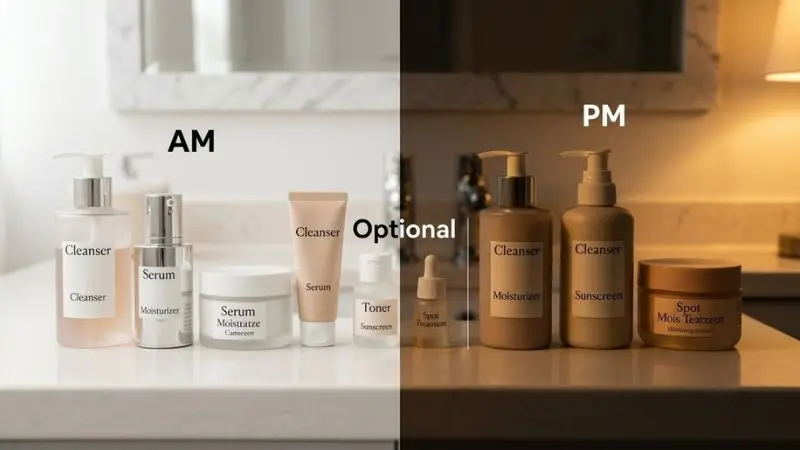
Simple Morning Routine
You do not need a complicated routine to use these ingredients.
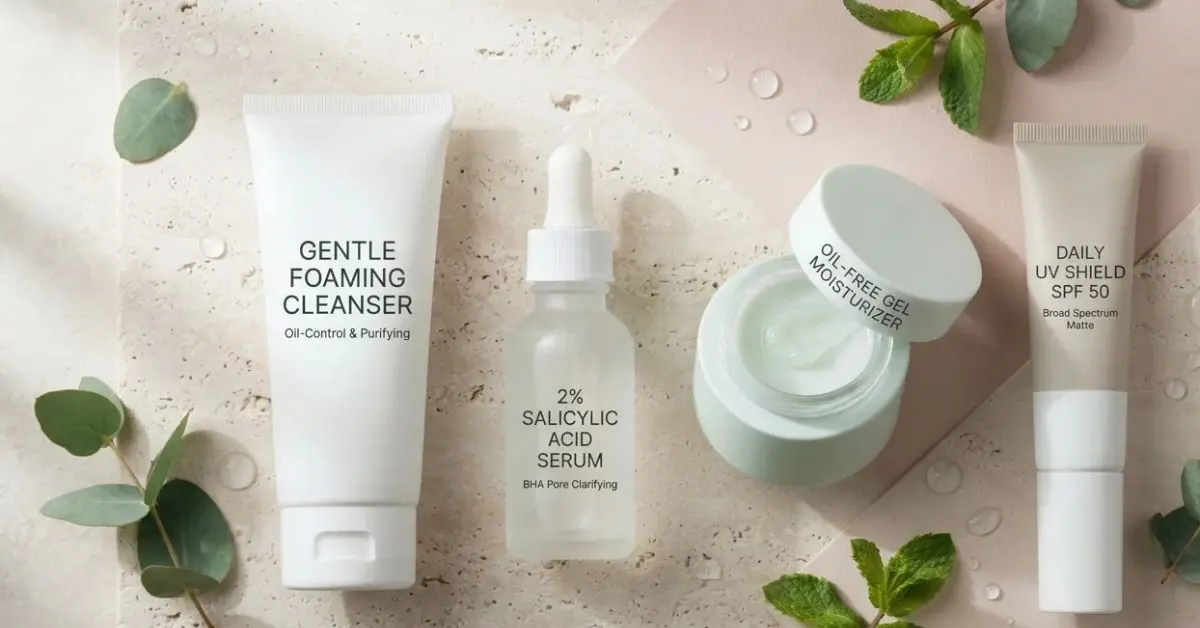
Step 1: Gentle cleanser
Wash your face with a mild cleanser that does not leave your skin feeling tight.
Step 2: Ectoin serum
If you use a separate ectoin serum, apply it according to the product instructions.
Step 3: Ceramide moisturizer
Apply a lightweight moisturizer containing ceramides. If your moisturizer already contains ectoin, you may not need a separate serum.
Step 4: Sunscreen
Finish with a broad-spectrum sunscreen with SPF 30 or higher.
Simple Night Routine
Step 1: Cleanse gently
Remove sunscreen, makeup, and daily impurities without scrubbing.
Step 2: Apply ectoin
Use an ectoin serum if it is part of your routine.
Step 3: Moisturize
Apply your ceramide moisturizer to help maintain hydration overnight.
Step 4: Avoid unnecessary actives
If your skin is irritated, consider temporarily reducing exfoliating acids and other potentially irritating products.
Should You Apply Ectoin Before Ceramides?
If you use separate products, a practical order is:
- Lightweight ectoin serum.
- Ceramide moisturizer.
- Sunscreen during the morning.
This order is based on product texture and consistency rather than a proven requirement that ectoin must always come first.
Always follow the instructions on individual products.
7. Common Mistakes to Avoid When Choosing Barrier Repair Products
Even helpful ingredients may not produce the results you expect if the rest of your routine is too harsh.
Here are common mistakes to avoid.
Choosing Ingredients Without Checking the Full Formula
A product may contain ectoin or ceramides but also include fragrance or other ingredients that your skin does not tolerate.
Read the complete ingredient list instead of focusing on one advertised ingredient.
Using Too Many Active Ingredients
Combining several exfoliating acids, retinoids, and acne treatments may increase irritation.
If your skin becomes uncomfortable, simplify your routine and introduce active products gradually.
Assuming Ectoin Replaces Ceramides
Ectoin and ceramides do different jobs.
Ectoin does not replace the structural role of ceramides, and ceramides do not perform exactly the same protective functions as ectoin.
Thinking More Ingredients Always Mean Better Results
A long ingredient list does not guarantee a better moisturizer.
A simple, well-formulated product that suits your skin may be more useful than a complicated formula with numerous active ingredients.
Using Heavy Moisturizers on Every Skin Type
Thick creams and ointments may be helpful for very dry skin, but they can feel uncomfortable on some oily or acne-prone skin.
Choose a texture that suits your skin and does not cause unwanted breakouts.
Expecting Immediate Barrier Repair
A moisturizer may make your skin feel softer quickly, but improving persistent dryness or irritation can take longer.
Do not judge a product only by how your skin looks after one application.
8. How Long Does Skin Barrier Repair Take?
There is no single recovery timeline that applies to everyone.
The time required depends on the cause of irritation, the severity of the problem, your skincare routine, and whether an underlying skin condition is present.
Mild dryness caused by a harsh cleanser may improve after switching to a gentler product and using a suitable moisturizer.
More persistent irritation may take longer and may require professional treatment.
What Changes Might You Notice?
During the first few days:
Your skin may feel more comfortable after applying a suitable moisturizer. Tightness caused by dryness may begin to improve.
After one to two weeks:
Some people may notice less flaking and improved skin softness with consistent gentle care.
Over several weeks:
A simplified routine may help maintain more comfortable hydration and reduce repeated irritation.
These are general expectations, not guaranteed treatment timelines. Clinical research on ectoin and ceramide-containing products uses different formulations and study periods, so results cannot be directly compared.
Habits That Support a Healthy Skin Barrier
Along with choosing suitable ingredients, follow these habits:
- Wash your face with lukewarm rather than very hot water.
- Use a gentle cleanser.
- Avoid scrubbing your face with rough towels.
- Apply moisturizer regularly.
- Wear sunscreen during the day.
- Introduce new products one at a time.
- Avoid exfoliating more often than your skin tolerates.
- Stop using products that cause persistent burning or irritation.
Consistency and a gentle routine are more useful than constantly switching products.
9. When Should You See a Dermatologist?
Skincare ingredients can support general skin health, but they cannot treat every cause of dryness, redness, or irritation.
Consider consulting a dermatologist if you experience:
- Persistent redness or inflammation.
- Severe itching or burning.
- Cracked or bleeding skin.
- Painful swelling or skin lesions.
- Repeated reactions to moisturizers.
- Symptoms that continue despite a gentle routine.
- Suspected eczema, contact dermatitis, or another skin condition.
Seek prompt medical advice if you develop a rapidly spreading rash, significant swelling, or signs of infection.
Do not stop prescribed treatment or replace medical care with ectoin or ceramide products.
A dermatologist can identify the cause of your symptoms and recommend suitable treatment.
10. Frequently Asked Questions
1. Is ectoin better than ceramides for skin barrier repair?
Ceramides are generally more directly involved in supporting the skin’s natural barrier structure. Ectoin offers complementary hydration and protective benefits.
2. Can I use ectoin and ceramides every day?
Yes. Both ingredients can generally be used daily in suitable skincare formulations. Follow the product instructions and monitor your skin’s response.
3. Are ceramides suitable for oily and acne-prone skin?
Yes. Ceramides can suit oily and acne-prone skin when included in a lightweight moisturizer that your skin tolerates.
4. Does ectoin help sensitive skin?
Ectoin-containing formulations have shown promising results in some studies involving sensitive and inflammatory skin conditions. However, individual results vary.
5. Can ceramides and ectoin be used with retinol?
They can generally be included in the same skincare routine. A moisturizer containing these ingredients may help support hydration when using retinol. Introduce products gradually and reduce retinol use if irritation develops.
Conclusion
When comparing ectoin vs ceramides, the best choice depends on what your skin needs.
The ectoin vs ceramides choice ultimately depends on which skin concern you want to address.
Ceramides have an important structural role in maintaining the skin’s natural protective barrier. They are a particularly useful ingredient to consider when dealing with dryness, flaking, and moisture loss.
Ectoin offers a different approach. It supports hydration and helps protect biological structures from environmental stress. It may be a helpful addition for people who want extra hydration and skin comfort.
You do not have to choose only one. A well-formulated moisturizer containing both ingredients can provide complementary benefits.
Focus on a gentle cleanser, suitable moisturizer, daily sunscreen, and consistent skincare habits. A simple routine that your skin tolerates is often a better starting point than using too many products at once.
If dryness, irritation, or redness continues, consult a qualified dermatologist to identify the underlying cause.





Leave a Reply