
Quick Answer
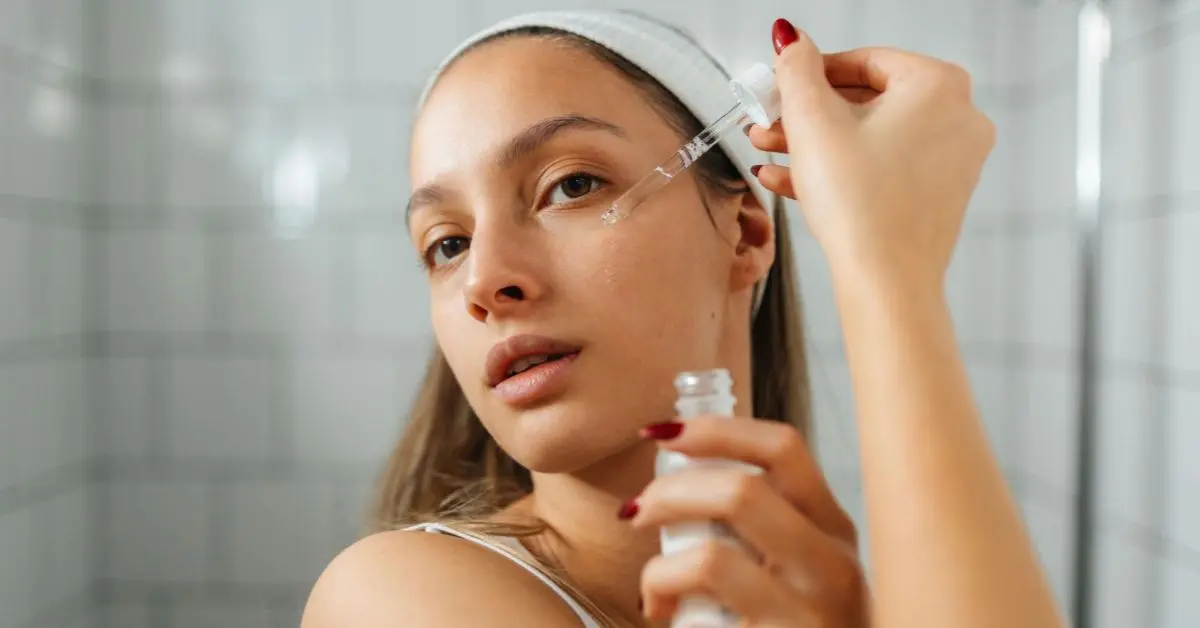
Is PDRN skincare safe for acne-prone skin? It may be suitable for some people, but safety depends on the complete product formula, your skin’s sensitivity, and how you use it. PDRN is short for polydeoxyribonucleotide, a material made of DNA fragments that is used in some skin-repair treatments and modern skincare products.
Topical PDRN serums and creams may help support skin hydration, but strong clinical evidence that they treat acne, prevent breakouts, or fade acne scars is still limited. A product containing PDRN is not automatically non-comedogenic, meaning it is not automatically guaranteed to avoid clogged pores.
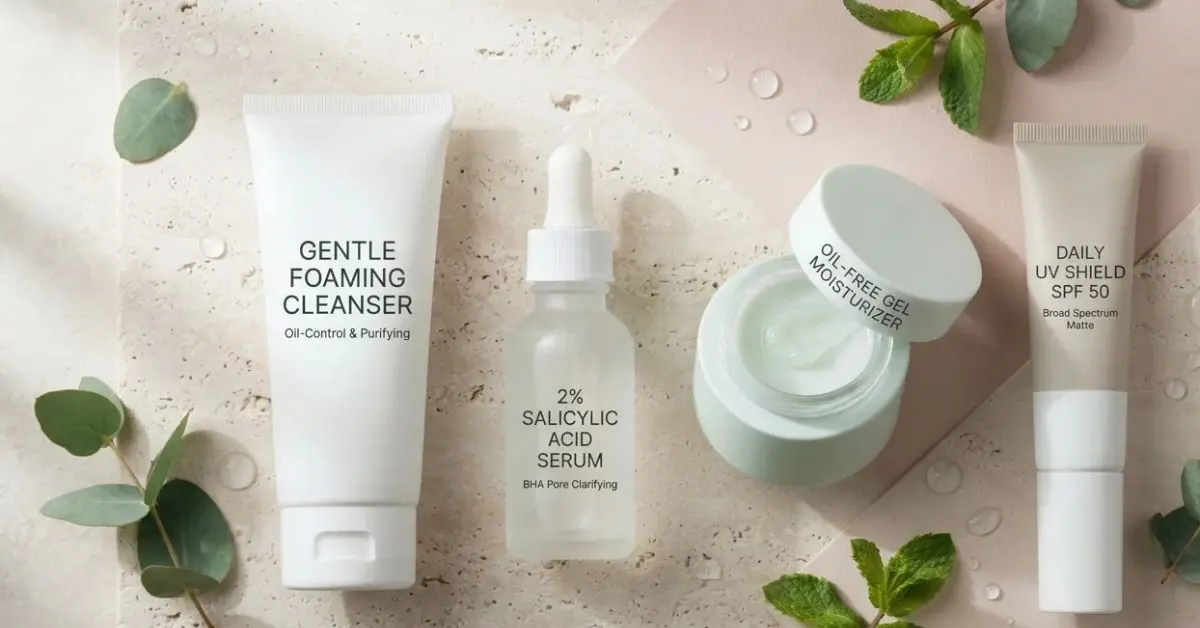
If you have acne-prone skin, choose a lightweight product with a simple formula, introduce it gradually, and patch-test it first. Keep your established acne treatment, gentle cleanser, moisturizer, and sunscreen as the foundation of your routine.
About the Author
Author: Saira
Role: Publisher & Skincare Content Writer
Content Review: Evidence-informed skincare content based on trusted dermatology resources and skincare research.
Introduction: Should You Try PDRN if You Have Acne-Prone Skin?
Have you ever wanted smoother, healthier-looking skin but worried that a new skincare trend might cause more pimples? If so, you may have come across PDRN serums, creams, ampoules, or Korean skincare products marketed for skin recovery and a healthy glow. Before buying one, it is important to understand whether PDRN skincare is safe for acne-prone skin and what it can realistically do.
PDRN has gained attention because of its use in certain medical and aesthetic treatments. Skincare brands now include it in products designed to improve the appearance of dry, tired, or uneven-looking skin. However, the evidence supporting injectable treatments cannot automatically be applied to ordinary serums and creams.
People with acne-prone skin need to consider more than the featured ingredient. The product’s texture, oils, fragrance, other active ingredients, and potential to irritate the skin can all affect whether it fits into a routine.
This guide explains what PDRN is, what research suggests about its benefits, its possible side effects, and how to evaluate a product before adding it to your skincare routine.
Understanding whether is PDRN skincare safe for acne-prone skin requires looking at the product formula, possible side effects, and available research.
1. What Is PDRN in Skincare?
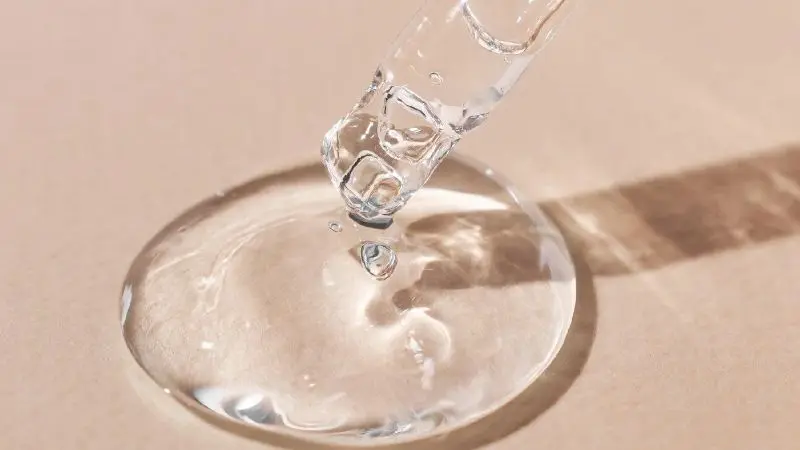
PDRN stands for polydeoxyribonucleotide. It consists of fragments of DNA and has been studied for its potential role in tissue repair and wound healing. Some medical preparations use purified PDRN obtained from biological sources, including salmon.
In skincare, the term usually appears on products marketed for hydration, skin recovery, smoother texture, or a more refreshed appearance. Depending on the formulation, a product may also contain ingredients such as glycerin, hyaluronic acid, niacinamide, peptides, or soothing agents.
These additional ingredients matter because the results you notice may come from the overall formula rather than PDRN alone.
How does PDRN work?
Researchers have investigated PDRN’s biological effects, including pathways associated with tissue repair and cellular activity. Some findings from medical research are promising, but the strength of the evidence varies by treatment type and intended use.
There is an important difference between a treatment delivered into the skin by a medical professional and a serum applied to the skin’s surface. The skin’s outer barrier limits the penetration of many large molecules. As a result, topical PDRN may not reach deeper skin layers in the same way as an injectable preparation.
This distinction is particularly important when a cosmetic product is advertised as offering results similar to an in-office treatment.
Is PDRN the same as salmon DNA skincare?
PDRN is often associated with salmon-derived DNA, but not every product has the same source or formulation. Some newer products are marketed as plant-derived alternatives.
The source, processing, concentration, molecular characteristics, and delivery system can differ. You should not assume that two products containing the word PDRN will produce identical results.
The key point: PDRN is an ingredient with promising areas of research, but its presence on a skincare label does not prove that the finished product treats acne or repairs deeper skin damage.
2. Is PDRN Skincare Safe for Acne-Prone Skin?

For many people, a well-formulated topical PDRN product may be reasonable to try. However, there is not enough high-quality research to guarantee that every PDRN serum or cream is suitable for acne-prone skin.
If you are wondering whether PDRN skincare is safe for acne-prone skin, remember that the complete formula and your skin’s sensitivity matter more than the featured ingredient alone.
Acne-prone skin can react to heavy moisturizers, irritating fragrances, or products that do not suit its needs. PDRN itself is only one part of the formula, so the ingredient name alone cannot tell you whether a product will cause breakouts.
What determines whether a PDRN product is suitable?
Consider these factors before purchasing:
- Formula: Look for a product that is labeled non-comedogenic, although this label does not guarantee that it will never cause breakouts.
- Texture: A lightweight serum or gel may be more comfortable for oily skin than a rich cream.
- Fragrance: If your skin is sensitive, a fragrance-free option may reduce the chance of irritation.
- Other active ingredients: Acids, retinoids, and other strong ingredients in the same product can affect tolerability.
- Your current skin condition: Inflamed, broken, or very irritated skin may need a simpler routine rather than another new product.
- Known allergies: Check the full ingredient list, particularly if you have a known fish allergy and the product contains fish-derived material.
The American Academy of Dermatology’s acne-care recommendations support choosing skin care products that do not clog pores. This principle remains useful when evaluating PDRN products.
Does PDRN cause pimples?
There is currently insufficient evidence to conclude that topical PDRN itself commonly causes acne or that it is guaranteed not to cause breakouts.
If new pimples appear after you introduce a product, several explanations are possible. The product may be too rich for your skin, another ingredient may irritate you, or the timing may be coincidental.
Do not assume that new pimples are a normal adjustment period or a sign that the product is working. PDRN is not an established acne treatment that should be expected to cause a beneficial purge.
Is PDRN skincare safe for acne-prone skin? It may be suitable for some people, but choosing the right formula and monitoring your skin’s response are essential.
3. Potential Benefits of PDRN for Acne-Prone Skin
PDRN skincare is often marketed for recovery, hydration, and smoother-looking skin. Some of these goals may be relevant to people who experience acne, but it is important to separate plausible benefits from proven results.
May support hydration
A PDRN serum may contain humectants such as glycerin or hyaluronic acid. Humectants attract water and help the skin feel hydrated.
This may be helpful if acne treatments leave your skin feeling tight or dry. However, the moisturizing effect may come mainly from the other ingredients in the formula rather than from PDRN itself.
May complement a simple skin-care routine
People with acne-prone skin do not always need more exfoliation or stronger active ingredients. A comfortable, lightweight hydrating product may complement a basic routine when the skin feels dry.
The goal is to maintain a routine that your skin tolerates. PDRN is optional, not a necessary step for healthy skin.
May have potential for skin recovery
Research on medical PDRN preparations has explored their role in tissue repair and wound healing. These findings are one reason the ingredient has attracted attention in cosmetic skincare.
However, evidence from injections, medical treatments, or laboratory research does not establish that an over-the-counter PDRN serum will heal acne lesions or prevent acne scars.
For a more detailed discussion of the evidence and limitations of topical formulations, read thisDermatology Times review of PDRN serums.
May improve the appearance of dry, uneven-looking skin
If a PDRN product also contains moisturizing ingredients, your skin may look temporarily smoother and feel softer. Better hydration can make fine surface lines appear less noticeable.
That is different from treating active acne, removing deep scars, or permanently changing skin texture. Results depend on the finished product and your individual skin.
If you are asking is PDRN skincare safe for acne-prone skin, remember that hydration benefits do not necessarily mean a product can treat acne or prevent clogged pores.
What PDRN cannot reliably do
At present, you should not rely on a topical PDRN product to:
- Clear active acne on its own.
- Unclog pores as effectively as established acne treatments.
- Prevent hormonal breakouts.
- Remove deep or pitted acne scars.
- Guarantee the fading of dark acne marks.
- Deliver the same results as an injectable procedure.
These limitations do not mean every PDRN product is useless. They mean that expectations should match the available evidence.
4. PDRN Serum vs. Cream: Which Is Better for Acne-Prone Skin?
The best format depends on your skin’s oiliness, sensitivity, and hydration needs. A serum is not automatically safer than a cream, and a cream is not automatically pore-clogging.
A serum is often designed to feel lighter and layer easily under moisturizer. A cream may provide more lasting moisture, which can be useful for dry skin or skin affected by acne medication.
Check the whole ingredient list rather than choosing based only on the product category.
| Feature | PDRN serum | PDRN cream |
| Typical texture | Lightweight or fluid | Creamy or richer |
| For oily skin | May be comfortable if the formula is light | Depends on how rich the formula is |
| For dry skin | May need moisturizer on top | May provide more moisture |
| Main concern | Other active ingredients may irritate | Some formulas may feel too heavy |
| Evidence for acne treatment | Limited | Limited |
What should you check on the label?
Before buying, look for:
- A complete ingredient list.
- Clear instructions for use.
- A reputable manufacturer and identifiable product source.
- A texture suitable for your skin.
- No ingredients you already know cause a reaction.
- Realistic claims about hydration and skin appearance rather than guaranteed acne cures.
If you have very oily skin, a lightweight, fragrance-free serum followed by a suitable moisturizer may be a practical option. If your skin is dry or peeling from acne treatment, a gentle moisturizer may be more useful than adding PDRN.
5. How to Use PDRN Skincare Safely: A Step-by-Step Routine
If you decide to try a topical PDRN product, introduce it slowly. You do not need to rebuild your entire skincare routine or buy several products containing the same ingredient.
Knowing whether is PDRN skincare safe for acne-prone skin starts with a patch test, a gentle routine, and careful product selection.
To decide is PDRN skincare safe for acne-prone skin, introduce the product slowly and monitor your skin for irritation or new breakouts.

Step 1: Cleanse gently
Wash your face with a gentle cleanser suited to your skin. Avoid harsh scrubbing, rough cleansing brushes, or repeatedly washing your face to remove oil.
If you use an acne cleanser, follow its directions and avoid combining too many irritating products.
Step 2: Patch-test the product
Apply a small amount to a discreet area of skin according to the product’s instructions. Repeat as directed over several days and watch for redness, itching, swelling, or bumps.
A patch test can help identify some reactions, but it cannot guarantee that your face will tolerate the product or that you will not develop acne.
Step 3: Apply a small amount
If the product is tolerated, apply it as directed on clean skin. Start with a small amount rather than layering several pumps or using multiple PDRN products at once.
Avoid broken skin and the immediate eye area unless the product is specifically intended for that area.
Step 4: Apply moisturizer
Use a moisturizer that suits your skin type. For acne-prone skin, look for lightweight or non-comedogenic formulations.
If you already use a moisturizer that works well, there is no need to replace it just because you are adding PDRN.
Step 5: Use sunscreen in the morning
Finish your morning routine with broad-spectrum SPF 30 or higher sunscreen. Sunscreen helps protect skin from ultraviolet damage and can reduce the risk of acne marks becoming darker.
PDRN is not a replacement for sunscreen.
Step 6: Introduce only one new product at a time
Keep the rest of your routine stable when trying PDRN. If you start several new products together, it becomes difficult to identify which one caused irritation or breakouts.
If your skin becomes persistently irritated or you develop a noticeable increase in breakouts, stop the new product and reassess your routine.
Example morning and evening routine
| Morning | Evening |
| Gentle cleanser | Gentle cleanser |
| PDRN serum, if tolerated | PDRN serum, if tolerated |
| Lightweight moisturizer | Moisturizer |
| Broad-spectrum SPF 30+ sunscreen | Established acne treatment, if appropriate and used as directed |
This is an example, not a requirement. If you use a prescribed acne treatment, follow your clinician’s instructions about where and when to apply it. You can also skip PDRN completely and maintain the other steps.
6. Common Mistakes to Avoid When Using PDRN
A new skincare ingredient can seem exciting, particularly when social media shows dramatic before-and-after photos. However, adding more products does not necessarily lead to better skin.
Buying a product because it is trending
Popularity does not prove that a product works. Before purchasing PDRN, decide what you want to address: dryness, active acne, dark marks, or scarring.
If your main concern is active acne, an established acne treatment is generally a more evidence-based starting point than PDRN.
Assuming PDRN treats acne directly
PDRN’s potential role in skin recovery does not make it a proven treatment for clogged pores or hormonal acne.
For acne management, ingredients such as benzoyl peroxide, topical retinoids, salicylic acid, and azelaic acid have more established roles, although suitability varies by person and formulation.
For example, if clogged pores and uneven texture are your main concerns, GlowVixa’s guide to thebest exfoliator for acne-prone skin may help you understand exfoliating options and their precautions.
Using too many active ingredients at once
Combining PDRN with several exfoliating acids, retinoids, or strong acne treatments may make it harder to identify the cause of irritation.
PDRN does not cancel out the side effects of other ingredients. Keep your routine simple and follow the instructions for each treatment.
Ignoring the rest of the formula
A product can contain PDRN alongside fragrance, botanical extracts, oils, or other ingredients that do not suit your skin.
Read the full ingredient list, especially if your skin is sensitive or you have experienced reactions to skincare products before.
Expecting overnight results
Hydration can change how your skin looks and feels relatively quickly, but changes in acne, dark marks, or scarring take longer and depend on the treatment.
Do not keep using a product that causes persistent irritation simply because you expect your skin to improve eventually.
Confusing a topical serum with an injection
PDRN injections and topical cosmetics differ in how they are delivered and in the evidence supporting their use. A serum should not be described as equivalent to an injectable skin treatment without strong evidence for that specific formulation.
Avoid attempting injections or using professional procedures at home. These treatments require appropriate medical assessment and trained professionals.
7. Who Should Avoid PDRN or Seek Professional Advice?
Although some people may tolerate topical PDRN well, it is not appropriate to assume that every formulation is safe for every person.
Whether PDRN skincare is safe for acne-prone skin also depends on possible allergies, existing irritation, and the other ingredients in the product.
People with sensitive or reactive skin
If your skin frequently develops redness, burning, itching, or swelling after trying new products, be cautious. Introduce one product at a time and stop using it if a persistent reaction develops.
People with eczema, rosacea, or an impaired skin barrier should consider professional advice before adding new products, especially during a flare.
People with fish allergies
Some PDRN products use salmon-derived material. If you have a known fish allergy, check the source and complete ingredient list, and consult a healthcare professional before using a fish-derived formulation.
Do not assume that a product is suitable simply because the ingredient has been purified. If the source is unclear, contact the manufacturer.
People with painful or severe acne
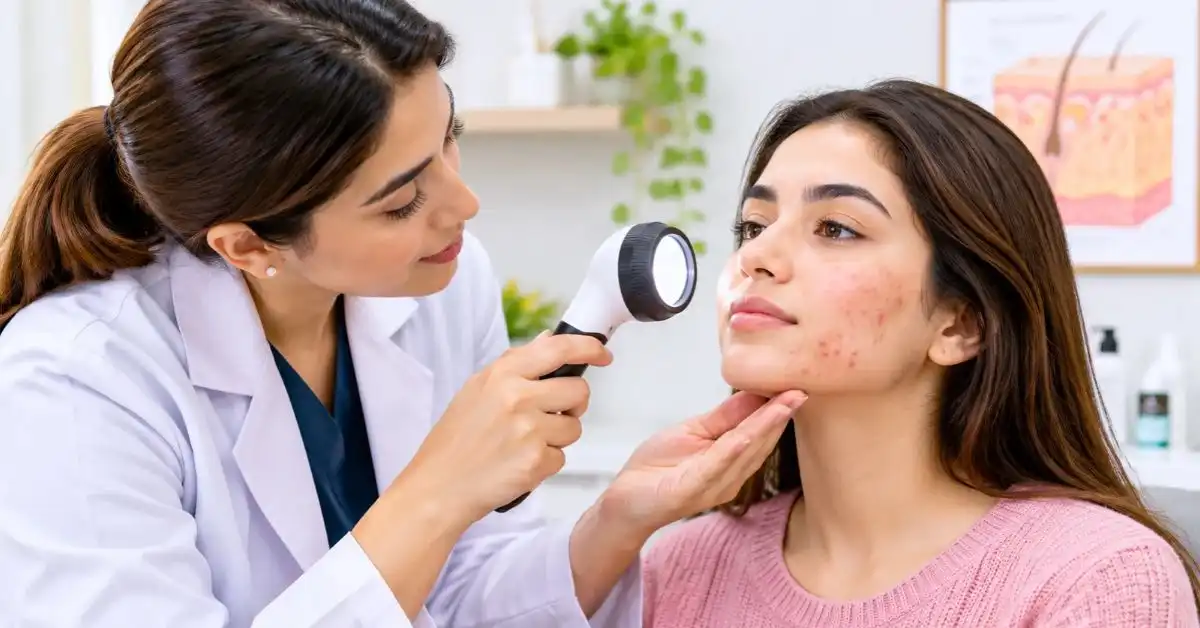
PDRN is not a substitute for treatment of deep, painful pimples, nodules, cysts, or acne that is leaving scars. These concerns may need medical treatment to reduce the risk of permanent scarring.
You can read GlowVixa’s guide tounderstanding acne on the cheeks for more information about common breakout patterns and when to seek help.
People considering injections or professional procedures
Injectable PDRN and polynucleotide treatments are different from topical skincare. Their suitability, possible complications, and regulatory status depend on the product and country.
Do not assume that evidence from one injectable preparation proves the safety or effectiveness of every injectable or topical product. Seek advice from a qualified medical professional before considering an invasive treatment.
When should you stop using PDRN?
Stop using the product if you notice persistent burning, itching, worsening redness, swelling, or a clear increase in breakouts.
Seek urgent medical attention if you develop difficulty breathing or swelling of the lips or tongue after using a product. These may be signs of a serious allergic reaction.
What Does the Research Say About PDRN and Acne?
PDRN research includes medical applications, laboratory findings, and studies of different formulations. These types of evidence cannot all answer the same question.
A published review,Comparison of Polynucleotide and Polydeoxyribonucleotide in Dermatology, discusses the proposed mechanisms, clinical uses, and safety considerations of these materials. It also highlights differences in formulations and applications.
The important distinction for consumers is that evidence supporting a medical preparation does not automatically demonstrate that a cosmetic serum will produce the same results. Research on topical products is still developing, and the findings for one specific formulation may not apply to another.
For acne-prone skin, the most practical approach is to evaluate the finished product, keep your routine gentle, and prioritize treatments with stronger evidence for your particular concern.
Frequently Asked Questions
1. Is PDRN skincare safe for acne-prone skin?
It may be suitable for some people, but the complete formula matters. Patch-test first and stop using it if irritation or worsening breakouts develop.
2. Can PDRN serum cause acne?
There is not enough evidence to say that topical PDRN itself commonly causes acne or can never trigger breakouts. Other ingredients and the product’s texture may affect your skin.
3. Can PDRN remove acne scars?
Topical PDRN has not been proven to remove deep acne scars. Different types of scarring may require treatments recommended by a dermatologist.
4. Can I use PDRN with salicylic acid?
They may be used in the same routine if both products suit your skin, but evidence for this particular combination is limited. Introduce products gradually and avoid excessive irritation.
5. Is PDRN better than niacinamide for acne-prone skin?
Neither ingredient is best for everyone. Niacinamide has a more established role in skincare for barrier support, while topical PDRN has more limited evidence. Neither should replace appropriate acne treatment.
Conclusion
So, is PDRN skincare safe for acne-prone skin? It may be a reasonable optional addition for some people, particularly when the product is lightweight, well-formulated, and compatible with their skin. However, its safety and benefits cannot be guaranteed by the PDRN label alone.
Choose products carefully, patch-test before regular use, and introduce only one new product at a time. If your main concern is active acne, focus first on a gentle cleanser, a suitable moisturizer, sunscreen, and evidence-based acne treatments.
PDRN may be worth exploring if you are interested in newer skincare ingredients, but it is not essential for healthy skin. A consistent, comfortable routine is a better foundation than following every new skincare trend.
Is PDRN skincare safe for acne-prone skin? It may be suitable for some people, but individual tolerance and product ingredients matter.





Leave a Reply