
Quick Answer
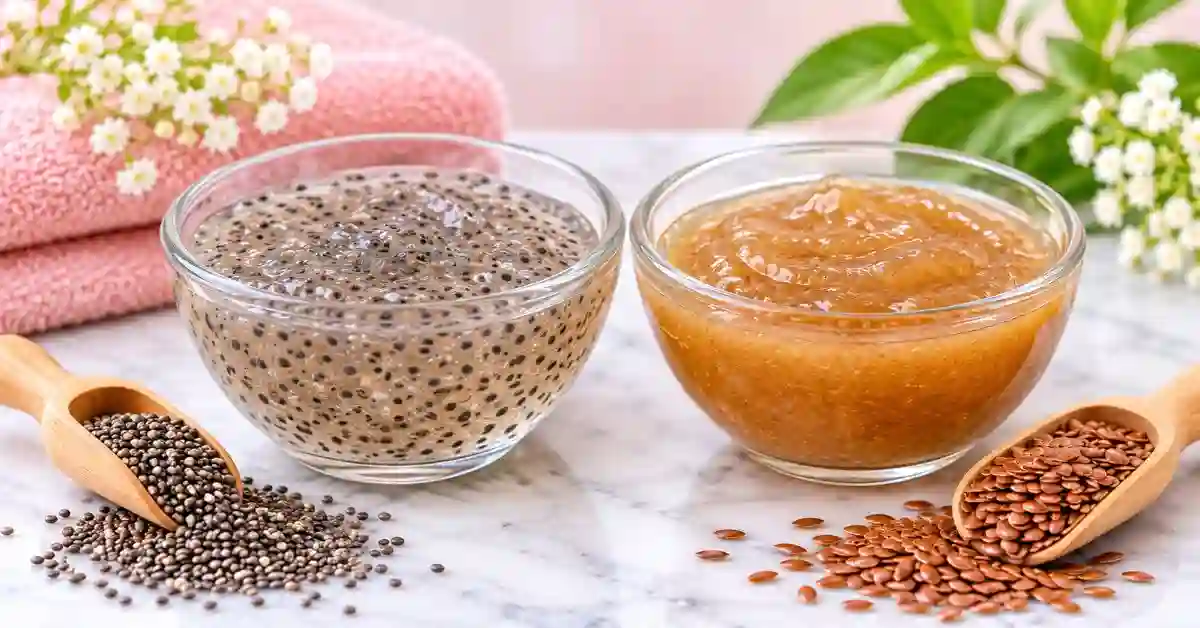
Chia seeds and flaxseed gel are two popular natural skincare ingredients that may help improve the appearance of your skin by providing temporary hydration and a smoother surface. Both seeds release a gel-like substance when mixed with water. This natural substance is called mucilage, which can create a light, slippery texture on the skin.
However, chia seeds vs flaxseed gel for face is not a competition with one proven winner. Chia seed extract has some human research supporting its moisturizing potential, while evidence for homemade flaxseed gel on facial skin is more limited. Neither homemade gel has been proven to create permanent glass skin, remove acne scars, or shrink pores.
If your main goal is a fresh, hydrated appearance, either may be worth exploring cautiously. Your skin type, sensitivity, preparation method, and regular skincare routine matter more than choosing one ingredient based on online beauty trends.
About the Author
Author: Saira
Role: Publisher & Skincare Content Writer
Content Review: Evidence-informed skincare content based on trusted dermatology resources and skincare research.
This article explains the possible skincare benefits of chia seeds and flaxseed gel, compares their properties, and provides practical safety guidance for beginners. The information is based on available dermatology resources and published skincare research.
Introduction
Have you ever looked at someone’s smooth, fresh-looking skin and wondered how they achieve that natural glass skin glow? Many people try expensive serums, hydrating masks, and complicated skincare routines to achieve a similar appearance. However, simple ingredients from the kitchen have also become popular in natural beauty routines.
Chia seeds and flaxseeds are two examples. When soaked in water, both develop a thick, slippery gel that attracts attention among people interested in homemade skincare.
But which one deserves a place in your beauty routine?
The discussion around Chia Seeds vs Flaxseed Gel for Face has become popular because both ingredients are easy to find, affordable, and simple to prepare at home. Their gel-like texture also makes them interesting alternatives to traditional face masks.
Still, natural does not automatically mean safe or effective. A homemade gel is different from a professionally formulated skincare product. Its cleanliness, concentration, storage, and contact with your skin can affect the experience.
In this guide, you will discover how chia seed gel and flaxseed gel differ, what their ingredients may offer, which option may suit different skin types, and how to use them more carefully.
1. Understanding Chia Seeds and Flaxseed Gel for Facial Skin
Before comparing their skincare benefits, it helps to understand what these two seeds are and why they form a gel when placed in water.
Both chia seeds and flaxseeds contain natural plant compounds, including soluble fiber. When they come into contact with water, some of this fiber absorbs moisture and forms a thick outer coating.
This coating is known as mucilage.
Mucilage gives each mixture its slippery, gel-like consistency. It is also responsible for the smooth texture that makes these ingredients popular in homemade beauty recipes.
What Is Chia Seed Gel?
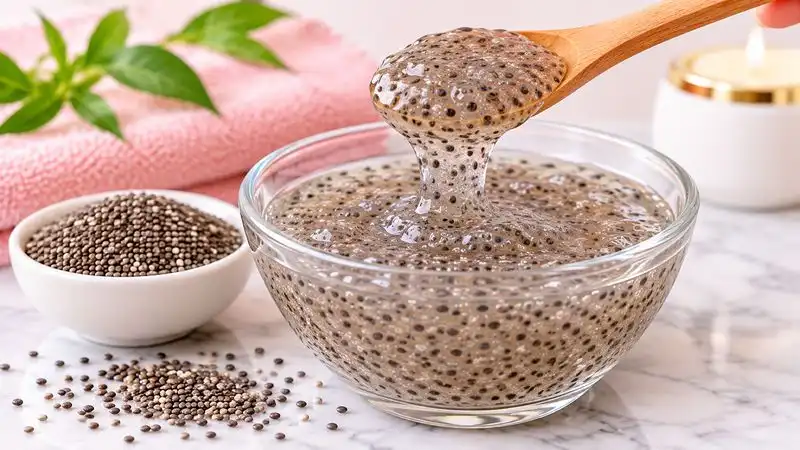
Chia seeds come from the plant Salvia hispanica. They are small, oval-shaped seeds that are commonly used in food and nutrition.
When soaked in water, chia seeds develop a transparent, slightly slippery coating. This creates a soft gel around each seed.
Chia seeds contain:
- Soluble dietary fiber.
- Plant-based omega-3 fatty acids.
- Small amounts of protein.
- Minerals and other plant compounds.
Their nutritional composition makes them interesting in skincare research. However, eating chia seeds and applying homemade chia gel to your face are two different things.
The presence of nutrients in a seed does not prove that all those nutrients enter the skin when you apply its gel.
What Is Flaxseed Gel?
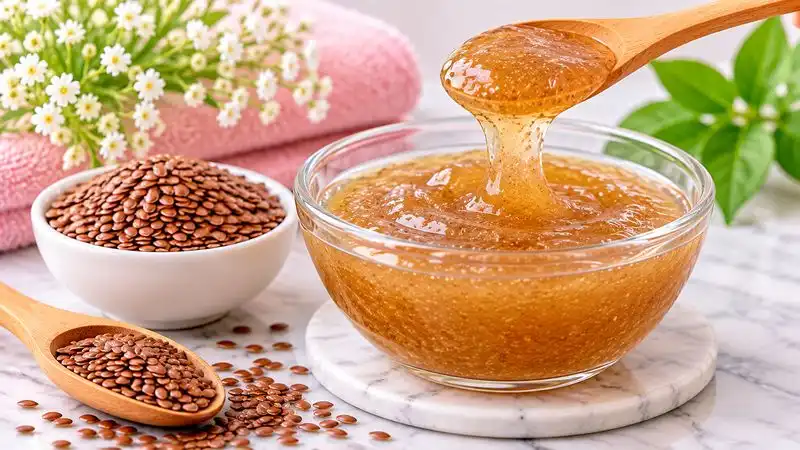
Flaxseeds, also known as linseeds, come from the plant Linum usitatissimum.
When flaxseeds are heated gently in water, they release mucilage and create a thicker gel. Many people prepare this mixture at home because it has a smooth consistency.
Flaxseeds contain:
- Soluble and insoluble fiber.
- Alpha-linolenic acid (ALA), a plant-based omega-3 fatty acid.
- Lignans.
- Other naturally occurring plant compounds.
The gel itself is mainly valued for its texture and potential film-forming properties.
A thin layer may temporarily make the skin feel softer and smoother. However, this does not mean it works like a proven anti-aging treatment or a medical skin barrier repair product.
2. Chia Seeds vs Flaxseed Gel for Face: Main Differences
Both ingredients form a natural gel, but they are not identical.
Chia seed gel usually develops without heating. Flaxseed gel commonly requires gentle heating to release enough mucilage and produce a smooth consistency.
Their textures, preparation methods, and available skincare research also differ.
Texture and Consistency
Chia seed gel often contains small visible seeds and has a slightly uneven texture unless it is carefully strained or blended.
Flaxseed gel usually has a smoother and more slippery consistency after straining.
This difference can affect how comfortably each mixture spreads across the face.
If you prefer a lighter-feeling application, a well-strained mixture may be easier to distribute than a thick gel containing visible seeds.
Hydration Potential
Both gels contain water and natural polysaccharides that can form a temporary layer over the skin.
This layer may reduce the feeling of dryness while the skin is damp. However, the moisturizing effect of a homemade mixture has not been established through strong clinical comparisons.
There is some interesting research on chia seed extract.
A 2020 clinical study published in the Journal of Cosmetic Dermatology evaluated a specially prepared chia seed extract in a cream formulation. The researchers reported improved skin hydration in a small group of 16 participants.
Importantly, this research examined a formulated chia extract, not ordinary homemade chia seed gel.
Therefore, the findings cannot be directly applied to every DIY recipe.
Comparison Table: Chia Seed Gel vs Flaxseed Gel
| Feature | Chia Seed Gel | Flaxseed Gel |
| Source | Chia seeds | Flaxseeds |
| Scientific name | Salvia hispanica | Linum usitatissimum |
| Preparation | Soaking in water | Gentle heating in water |
| Texture | Soft and slightly slippery | Smooth and slippery |
| Main gel component | Natural mucilage | Natural mucilage |
| Research | Some topical chia extract research | More limited direct facial skincare evidence |
| Skin feel | May feel hydrating | May leave a temporary smooth film |
| Best consideration | Simple soaking method | Smooth gel consistency |
Neither ingredient has been proven superior for creating glass skin.
3. Potential Skin Benefits of Chia Seed Gel
Chia seeds are often discussed in natural skincare because they contain plant compounds associated with moisture and skin barrier function.
However, it is important to separate scientific research on formulated chia extracts from the possible effects of homemade gel.
Here are some potential benefits worth understanding.
1. May Support a Hydrated Appearance
Hydration is one of the most important factors in achieving healthy-looking skin.
When the outer layer of your skin contains enough water, it can appear softer and less dull.
A water-based chia gel may temporarily provide a comfortable, hydrated feeling. Its gel texture can also help create a thin layer over the skin.
However, homemade chia gel should not replace a properly formulated moisturizer.
2. May Help Skin Feel Softer
Dry skin can feel rough, tight, and uncomfortable.
A thin layer of a water-based gel may temporarily improve how the skin feels by providing moisture and reducing the feeling of dryness.
This effect is cosmetic and temporary. It does not mean the gel permanently changes skin texture.
3. Contains Skin-Relevant Fatty Acids
Chia seeds contain alpha-linolenic acid and linoleic acid.
These fatty acids are relevant to skin research because lipids play an important role in maintaining the skin barrier.
However, homemade water-based chia gel does not deliver the same composition as a standardized chia seed oil or professionally formulated extract.
4. May Give a Temporary Smooth Finish
The natural mucilage in chia seeds creates a slippery consistency.
After application, this mixture may leave a thin film that makes the skin feel temporarily smoother.
This can create the appearance of a softer surface, especially when the skin is properly moisturized.
It should not be confused with removing wrinkles, treating acne scars, or permanently reducing visible pores.
5. A Simple Water-Based Skincare Option
Chia gel can be prepared using water without adding several ingredients.
This simplicity may appeal to people who prefer basic skincare experiments.
Still, homemade products do not contain the preservatives used in commercial skincare formulations. They can become contaminated if prepared or stored carelessly.
4. Potential Skin Benefits of Flaxseed Gel
Flaxseed gel is another popular homemade beauty ingredient. Its smooth consistency makes it easy to spread, and its natural mucilage has attracted interest in topical skincare research.
However, strong human clinical evidence specifically proving the benefits of homemade flaxseed facial gel remains limited.
1. May Temporarily Improve Skin Softness
Flaxseed gel contains water and plant-derived mucilage.
When applied as a thin layer, it may leave the skin feeling softer after washing.
This effect may be useful for people who experience temporary surface dryness.
It does not replace ingredients such as glycerin, ceramides, or hyaluronic acid in a properly formulated moisturizer.
2. Creates a Light Film on the Skin
One reason people like flaxseed gel is its slippery, film-forming texture.
After application, the gel may leave a temporary coating on the skin.
This can make the surface feel smoother. However, the film is not the same as a scientifically proven skin barrier treatment.
3. Contains Plant-Based Compounds
Flaxseeds naturally contain ALA, lignans, and soluble fiber.
Researchers have studied flaxseed mucilage for possible topical applications because of its physical and chemical properties.
However, research involving isolated ingredients, specialized formulations, or laboratory testing does not establish the effectiveness of a homemade face mask.
4. May Help Dry Skin Feel More Comfortable
A water-based gel can feel refreshing when applied to clean skin.
People with mild surface dryness may enjoy the temporary softness it provides.
However, if your skin is very dry, flaky, or irritated, a suitable moisturizer is a more reliable choice.
5. Easy to Prepare at Home
Flaxseed gel requires only seeds and water for a basic recipe.
The preparation process takes a little longer than chia gel because the seeds are usually heated.
After straining and cooling, the mixture develops a smooth consistency.
This makes it convenient for people who prefer a simple DIY skincare experiment.
5. Which One Is Better for Different Skin Types?
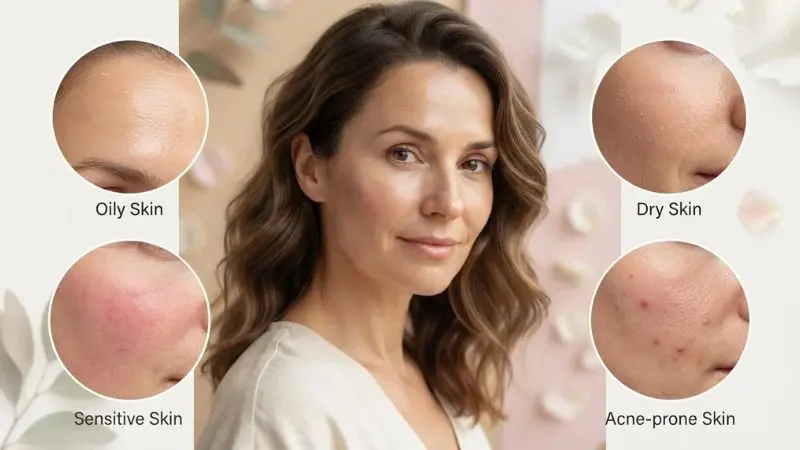
The best option depends on how your skin reacts to different ingredients.
A product that feels comfortable on dry skin may not feel suitable for oily or acne-prone skin.
Similarly, sensitive skin may react to natural ingredients even when they contain no added fragrance.
Here is how to think about the two options.
For Oily Skin
Oily skin produces more sebum than it needs.
People with this skin type often prefer lightweight skincare products that do not leave a heavy or greasy finish.
A small amount of properly strained, water-based gel may feel lighter than an oil-rich homemade mixture.
However, neither chia nor flaxseed gel has been proven to control sebum production.
If your skin becomes shiny quickly, focus on a gentle cleanser, lightweight moisturizer, and non-comedogenic sunscreen.
For Dry Skin
Dry skin often lacks enough moisture and may feel tight or rough.
Both gels may provide a temporary hydrating sensation because of their water content.
However, hydration alone is not enough.
A moisturizer containing ingredients such as glycerin, ceramides, or hyaluronic acid is generally a more dependable choice for supporting comfortable skin.
You can learn more about maintaining smoother skin through GlowVixa’s guide to the best exfoliator for acne-prone skin, especially if rough texture and clogged pores are also concerns.
For Sensitive Skin
Sensitive skin can react to botanical ingredients, homemade preparations, and changes in skincare routines.
Do not assume that chia or flaxseed gel is automatically gentle.
If your skin is sensitive:
- Test only one new ingredient at a time.
- Avoid adding lemon juice or essential oils.
- Do not apply the mixture to broken skin.
- Stop if you experience itching, burning, or redness.
- Avoid rubbing or scrubbing the gel across your face.
A fragrance-free moisturizer with a simple ingredient list may be a safer everyday option.
For Acne-Prone Skin
Acne-prone skin needs special attention because some homemade preparations can irritate already inflamed areas.
Neither chia seed gel nor flaxseed gel is a proven acne treatment.
They do not replace established acne ingredients such as salicylic acid, benzoyl peroxide, or other treatments recommended by a dermatologist.
If you have frequent cheek breakouts, read GlowVixa’s article on acne on cheeks and its common causes.
Skin Type Comparison Table
| Skin Type | Chia Seed Gel | Flaxseed Gel |
| Oily | May feel lightweight when strained | May feel smooth but can leave a film |
| Dry | May provide temporary surface hydration | May provide temporary softness |
| Sensitive | Patch testing is important | Patch testing is important |
| Acne-prone | Not an acne treatment | Not an acne treatment |
| Combination | May suit some dry areas | May suit some dry areas |
Your personal skin response matters more than choosing one gel based on your skin type alone.
6. How to Prepare and Apply Chia Seed Gel and Flaxseed Gel Safely
If you want to try either ingredient, preparation and hygiene are important.
A homemade gel does not have the same controlled manufacturing process as a commercial skincare product.
Use clean equipment, fresh water, and clean hands. Prepare a small amount rather than making a large batch for repeated use.
How to Make Chia Seed Gel
You will need:
- 1 teaspoon of plain chia seeds.
- Approximately 3 tablespoons of clean drinking water.
- A clean glass bowl.
- A clean strainer if needed.
Preparation steps:
- Add the chia seeds to a clean glass bowl.
- Pour the water over the seeds.
- Stir gently to distribute them evenly.
- Allow the mixture to soak for approximately 20–30 minutes.
- Stir again to break up clumps.
- If you prefer a smoother texture, strain the mixture carefully.
- Allow it to reach room temperature before considering application.
The mixture should have a soft gel-like consistency.
Do not use a mixture that smells unusual, changes color unexpectedly, or shows signs of contamination.
How to Make Flaxseed Gel
You will need:
- 1 tablespoon of whole flaxseeds.
- Approximately 1 cup of clean drinking water.
- A small clean saucepan.
- A clean strainer.
- A clean glass container.
Preparation steps:
- Add the flaxseeds and water to the saucepan.
- Heat the mixture gently.
- Stir occasionally while it warms.
- Continue heating until the water becomes slightly thick and slippery.
- Remove the saucepan from the heat.
- Strain the mixture while it is still warm enough to pass through the strainer safely.
- Allow the gel to cool completely.
- Transfer it into a clean container.
Avoid overheating the mixture until it becomes extremely thick because this can make straining difficult.
How to Apply Either Gel to Your Face
If you decide to try one of these preparations, follow a cautious approach.
- Clean your face: Wash your face with a gentle cleanser to remove surface oil, sweat, and dirt.
- Dry gently: Pat your skin with a clean towel. Avoid rubbing, especially if you have active acne.
- Patch test first: Test the mixture on a small area before applying it to your full face. Follow the dermatologists’ guidance on testing new skincare products.
- Apply a thin layer: If the patch test is comfortable, spread a small amount gently over a limited area of clean skin.
- Keep the application brief: For a first trial, use a short contact time of around 5–10 minutes. This is a cautious DIY approach, not a clinically established treatment schedule.
- Rinse gently: Use lukewarm water to remove the mixture. Do not scrub your skin.
- Apply moisturizer: Finish with a gentle moisturizer suitable for your skin type.
- Use sunscreen during the day: Apply broad-spectrum SPF 30 or higher as part of your regular morning skincare routine.
Do not apply homemade gels near your eyes, on open wounds, or over severely irritated skin.
7. Common Mistakes to Avoid and How to Build a Glass Skin Routine
Many people assume that applying more natural ingredients will produce better results.
However, adding too many DIY treatments can irritate your skin and make your routine difficult to manage.
Common DIY Skincare Mistakes
Avoid these mistakes when experimenting with chia seed or flaxseed gel:
- Applying an untested mixture to your entire face.
- Using unclean bowls, spoons, or containers.
- Adding lemon juice to increase brightness.
- Mixing several homemade ingredients together.
- Scrubbing the gel against the skin.
- Applying it to inflamed or damaged skin.
- Leaving homemade gel on overnight.
- Reusing an old mixture without checking its condition.
- Assuming that natural ingredients cannot cause allergies.
- Replacing your regular moisturizer with homemade gel.
How to Achieve a Healthier Glass Skin Appearance
Glass skin is a beauty term used to describe skin that looks smooth, hydrated, fresh, and naturally radiant.
It does not mean that your skin must have invisible pores or a completely flawless surface.
Healthy skin naturally has texture, pores, and small variations.
A simple and consistent skincare routine is more useful than depending on a homemade mask.
Morning Routine
Step 1: Use a gentle cleanser
Wash your face with a cleanser suitable for your skin type.
If your skin is oily, choose a gentle formula that removes excess oil without leaving your face tight.
Step 2: Apply a hydrating serum
A serum containing glycerin or hyaluronic acid may help improve skin hydration.
Apply it according to the product instructions.
Step 3: Use a lightweight moisturizer
Choose a moisturizer that suits your skin type.
Look for a comfortable texture that does not leave your face feeling excessively greasy.
Step 4: Apply sunscreen
Use a broad-spectrum sunscreen with SPF 30 or higher.
Sun protection helps reduce the effects of ultraviolet exposure, including premature skin aging and uneven pigmentation.
Night Routine
Step 1: Remove makeup and sunscreen
Clean your face properly at the end of the day.
If you wear makeup, use a suitable makeup remover before cleansing.
Step 2: Apply a treatment product if needed
Choose skincare treatments based on your actual concerns.
For example, people with acne may benefit from evidence-based acne ingredients rather than relying on homemade seed gels.
Step 3: Moisturize your skin
Apply a suitable moisturizer to help maintain skin comfort and hydration overnight.
Step 4: Keep your routine consistent
Avoid changing several products at the same time.
Consistency helps you understand which products work well for your skin and which ones cause irritation.
If you enjoy makeup as part of your beauty routine, GlowVixa also has a guide to choosing the best primer for acne-prone skin.
Lifestyle Habits That Support Healthy-Looking Skin
Your daily habits also influence how your skin looks and feels.
Try to:
- Drink enough water throughout the day.
- Eat a balanced diet containing fruits, vegetables, and healthy fats.
- Get sufficient sleep.
- Exercise regularly.
- Avoid smoking.
- Use sunscreen consistently.
- Keep pillowcases and face towels clean.
- Avoid touching your face unnecessarily.
These habits support general health and a consistent skincare routine. They do not guarantee glass skin, but they can help you maintain healthier-looking skin over time.
8. Safety, Expected Results, and When to Seek Professional Advice
Natural skincare trends often focus on benefits while overlooking possible side effects.
Both chia seed gel and flaxseed gel are homemade preparations. Their quality, cleanliness, and consistency can vary from one batch to another.
That is why safety should always come before appearance.
Can Chia Seed or Flaxseed Gel Cause Irritation?
Yes, a natural ingredient can still cause an unwanted skin reaction.
Possible signs include:
- Redness.
- Itching.
- Burning or stinging.
- Swelling.
- A rash.
- Increased discomfort.
If any of these symptoms develop, rinse the mixture off and stop using it.
People with known allergies to chia seeds or flaxseeds should avoid applying them to their skin without professional advice.
Why Patch Testing Matters
The American Academy of Dermatology recommends testing new skincare products on a small area before using them regularly.
Its guidance suggests applying the product to a test area twice daily for 7–10 days and watching for signs of irritation or an allergic reaction.
Homemade mixtures are not identical to commercial skincare products, but the same cautious approach is sensible when introducing an unfamiliar ingredient.
Read the American Academy of Dermatology’s guide to testing skincare products before experimenting with a new preparation.
How Long Does It Take to See Results?
There is no scientifically established timeline for seeing glass skin results from homemade chia or flaxseed gel.
You may notice that your skin feels softer immediately after washing off a hydrating mixture.
However, this temporary feeling should not be confused with long-term changes in skin health.
Consider the difference:
- Immediately: Skin may feel temporarily soft or refreshed.
- After regular skincare: Consistent cleansing and moisturizing may improve skin comfort.
- Over several weeks: Appropriate skincare products may gradually improve some concerns, depending on the ingredients and your skin condition.
Do not continue using a DIY preparation simply because you expect better results with time.
If it causes irritation, stop using it.
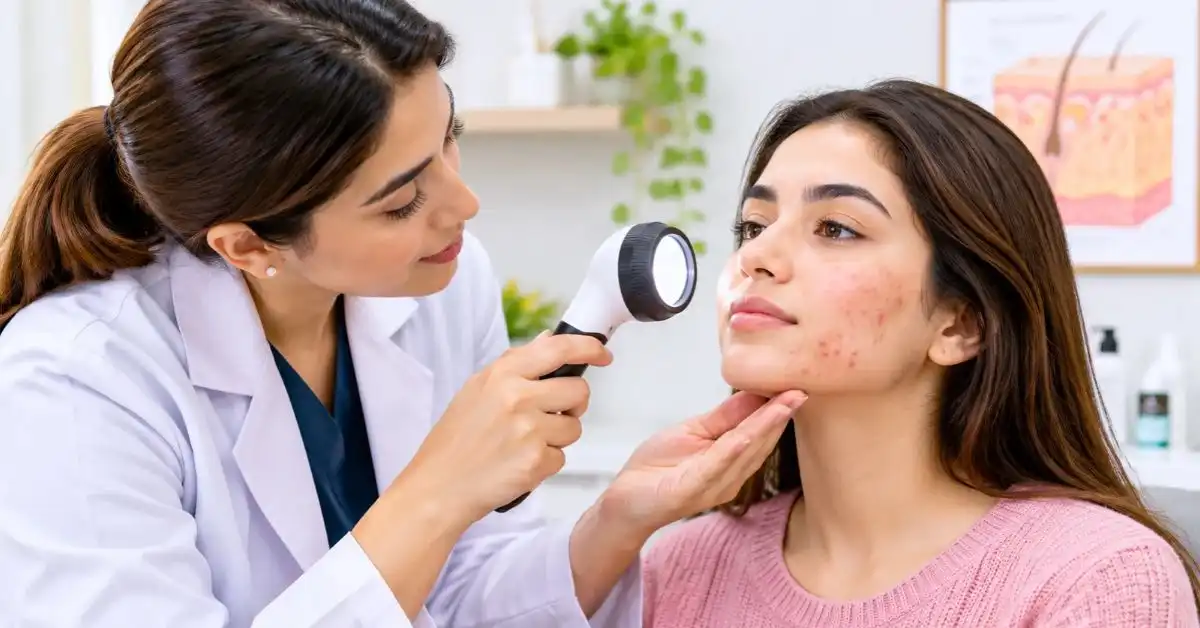
When Should You See a Dermatologist?
Consider professional advice if you experience:
- Persistent redness or irritation.
- Severe dryness or peeling.
- Painful or deep acne.
- Repeated allergic reactions.
- Acne that leaves scars.
- Dark spots that continue to worsen.
- A rash that does not improve after stopping the product.
A dermatologist can help identify the underlying concern and recommend treatments based on your skin condition.
Remember, homemade gels are optional cosmetic experiments. They are not medical treatments for acne, eczema, pigmentation, or other skin conditions.
Frequently Asked Questions
1. Is chia seed gel better than flaxseed gel for the face?
Neither has been proven better in direct clinical comparisons. Chia has some research on formulated topical extracts, while homemade flaxseed gel has less direct facial skincare evidence.
2. Can chia seed gel give you glass skin?
Chia seed gel may temporarily make skin feel hydrated and smooth. However, it cannot guarantee glass skin or permanently change your skin texture.
3. Can I use flaxseed gel on my face every day?
There is no established daily-use schedule for homemade flaxseed gel. Start cautiously, patch test first, and stop if irritation develops.
4. Which gel is better for oily and acne-prone skin?
Neither gel is a proven treatment for oily skin or acne. If you try either one, use a small amount and monitor your skin carefully.
5. Can I mix chia seed gel and flaxseed gel together?
You can physically mix the two preparations, but there is no strong clinical evidence that combining them improves skincare results. Using one ingredient at a time also makes it easier to identify irritation.
Conclusion
Choosing between chia seed gel and flaxseed gel depends on your skincare preferences, skin sensitivity, and desired results.
Chia seed gel is interesting because some research has explored the moisturizing potential of specially formulated chia seed extract. Flaxseed gel is popular because its natural mucilage creates a smooth, slippery consistency that may temporarily soften the skin.
However, neither homemade preparation has been proven to deliver permanent glass skin, eliminate acne, or remove dark spots.
If you want to experiment with natural skincare, start with a small amount, maintain proper hygiene, and patch test before applying anything to your face.
Most importantly, remember that healthy-looking skin comes from a consistent routine that includes gentle cleansing, appropriate moisturizing, and daily sun protection.
You do not need an expensive or complicated routine to support your skin. Focus on what works comfortably for your skin and choose evidence-informed products whenever possible.





Leave a Reply