
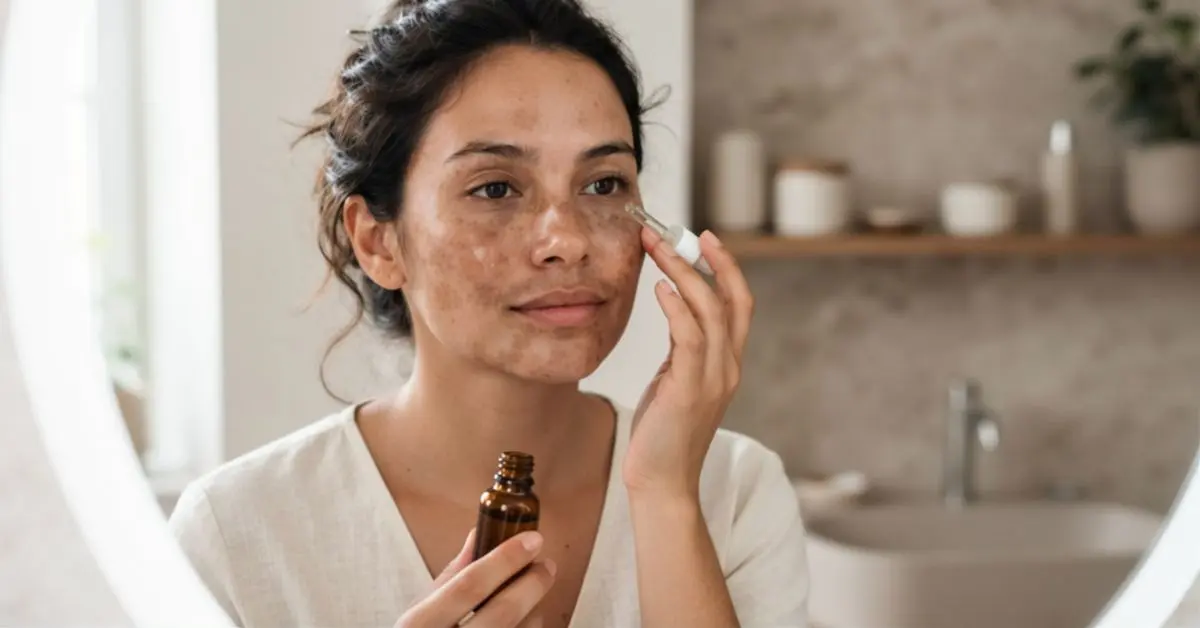
Dark spots, acne marks, and uneven skin tone can make your face look dull even when your skin is otherwise healthy. If you are searching for the best treatment for hyperpigmentation on face, the right approach starts with understanding what caused the pigmentation and then choosing ingredients that target it without irritating your skin.
Hyperpigmentation happens when your skin produces extra melanin, the pigment that gives skin its color. Acne, sun exposure, hormonal changes, inflammation, skin injuries, and irritation can all trigger darker patches or spots. For acne-prone skin, even a small pimple can leave a brown mark that lasts much longer than the breakout itself.
The good news is that you do not need a complicated routine to improve uneven pigmentation. Daily sunscreen, gentle skincare, and carefully selected brightening ingredients can make a meaningful difference over time.
Among cosmetic ingredients, alpha arbutin and vitamin C are popular choices for improving the appearance of dark spots. Niacinamide, azelaic acid, and retinoids can also have a useful role depending on your skin type and the cause of your pigmentation.
In this guide, you will learn about the best treatment for hyperpigmentation on face, how to use different ingredients safely, what mistakes can make pigmentation worse, and when to see a dermatologist.
What Is Hyperpigmentation on the Face?
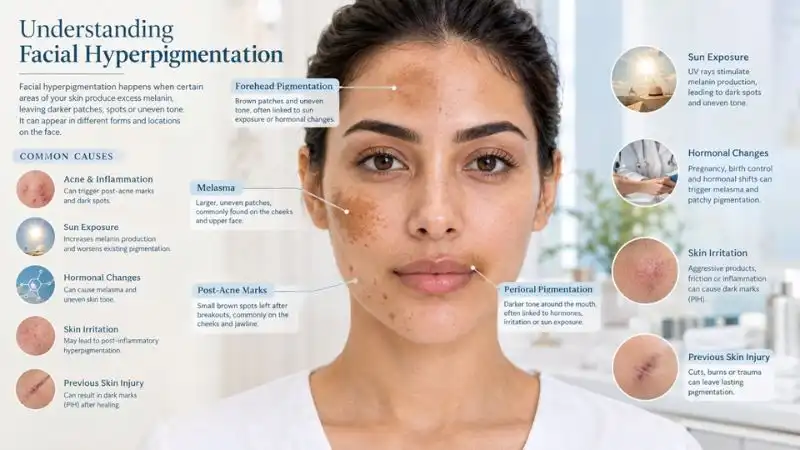
Hyperpigmentation means that some areas of your skin become darker than the surrounding skin. It happens when your skin produces or stores more melanin than usual.
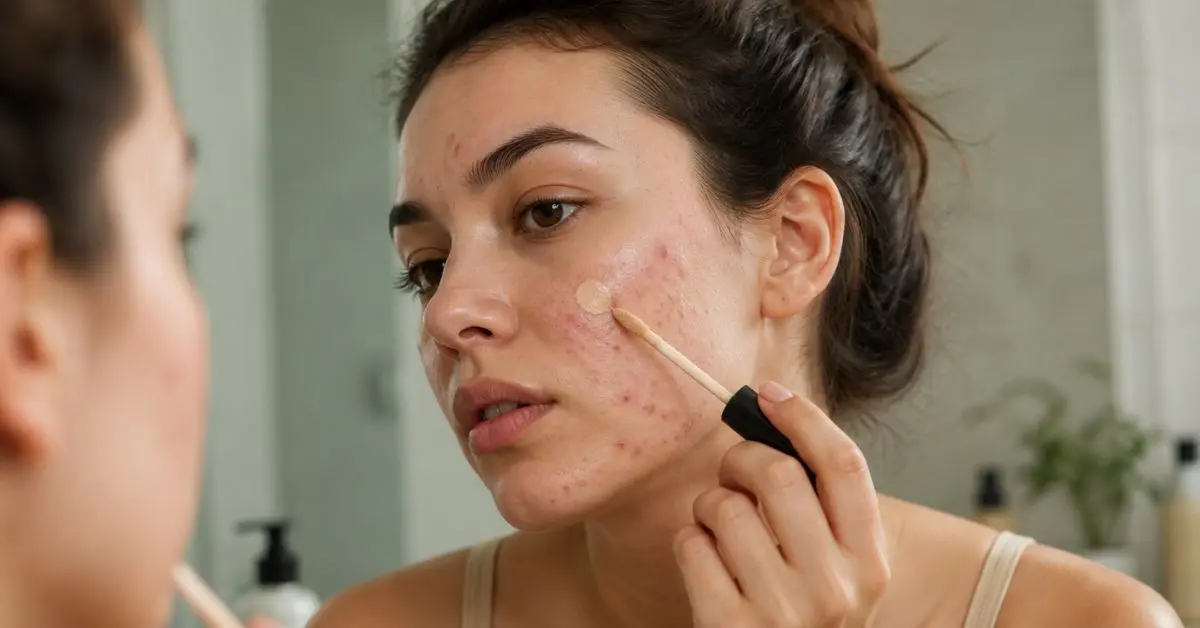
The appearance can vary. You may notice tiny brown spots after acne, larger patches on your cheeks, or darker areas around the mouth, forehead, or jawline.
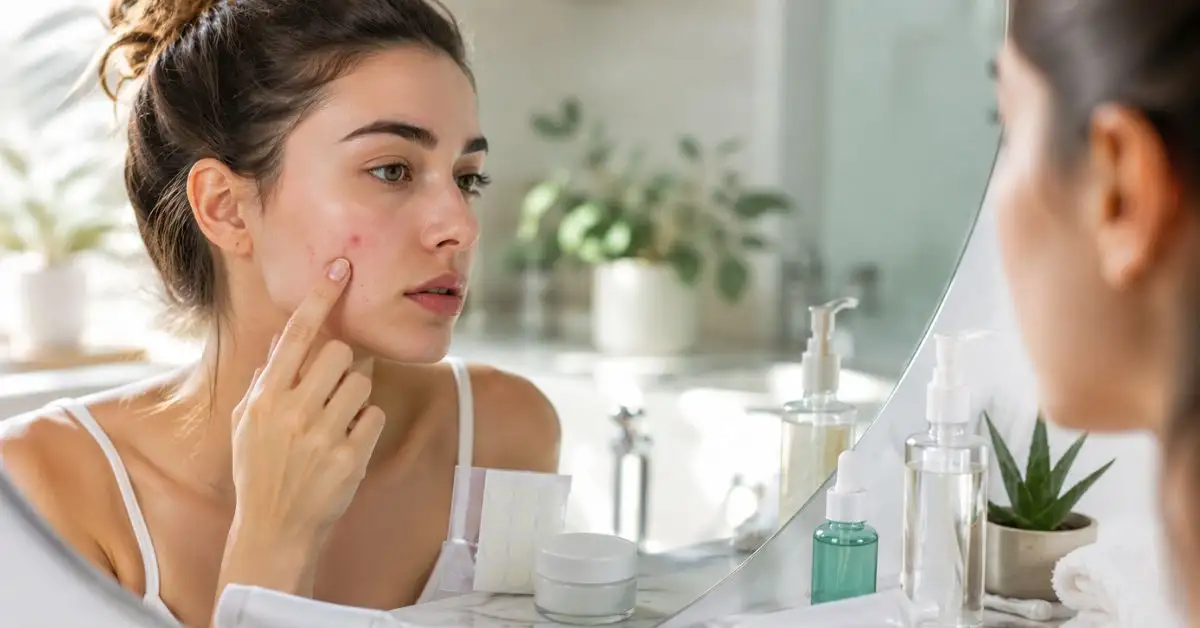
One of the most common forms in acne-prone skin is post-inflammatory hyperpigmentation (PIH). This happens after inflammation or injury to the skin. A pimple may disappear, but the brown or gray-brown mark can remain for weeks or months.
Common causes include:
- Acne and pimples
- Picking or squeezing acne
- Sun exposure
- Hormonal changes
- Melasma
- Skin irritation
- Burns or injuries
- Certain skin conditions
- Inflammation from harsh skincare products
The best treatment for hyperpigmentation on face depends heavily on its cause. A treatment that works well for acne marks may not be the right choice for melasma or another pigmentation condition.
What is post-inflammatory hyperpigmentation?
Post-inflammatory hyperpigmentation is a dark mark that appears after inflammation or injury to the skin. Acne is one of its most common triggers.
What is melasma?
Melasma usually causes larger, brown or gray-brown patches, often on the cheeks, forehead, nose, or upper lip. Hormonal changes and sunlight can contribute to it.
If you are unsure why your skin has developed pigmentation, avoid using multiple strong treatments at once. Identifying the problem first can prevent unnecessary irritation.
Why Sunscreen Is the First Treatment for Hyperpigmentation
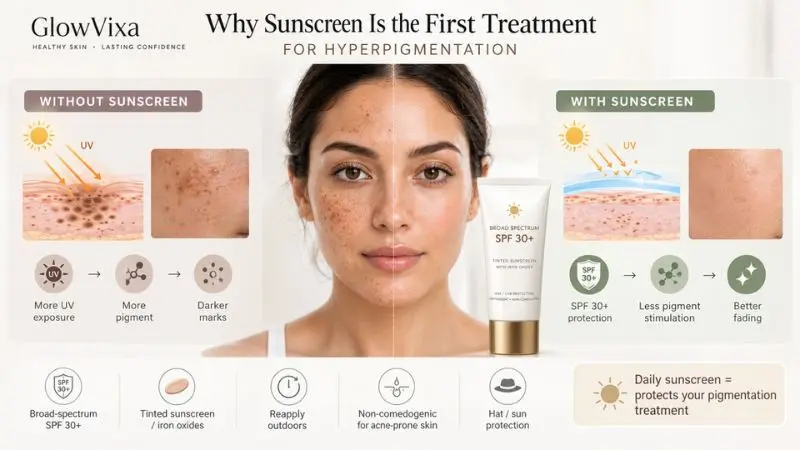
When discussing the best treatment for hyperpigmentation on face, sunscreen should always come first.
Sun exposure can stimulate melanin production and make existing dark spots look darker. Without daily sun protection, even a good brightening routine may produce disappointing results.
The American Academy of Dermatology recommends using a broad-spectrum sunscreen with SPF 30 or higher for people dealing with dark spots. Tinted sunscreens containing iron oxides may also provide protection from visible light, which can be particularly helpful for some pigmentation concerns.
Use sunscreen every morning, even if you are mostly indoors. UV rays can still reach your skin through windows, and outdoor exposure can quickly increase pigmentation.
Your daily sunscreen routine
- Choose broad-spectrum SPF 30 or higher.
- Apply sunscreen to all exposed facial skin.
- Reapply when spending extended time outdoors.
- Consider tinted sunscreen if pigmentation is your main concern.
- Choose a non-comedogenic formula if you have acne-prone skin.
- Wear a hat when spending long periods in direct sunlight.
Think of sunscreen as protection for your entire treatment routine.
No sunscreen → more pigment stimulation → darker marks → slower improvement
Consistent sunscreen → less additional pigment → better chance of gradual fading
Sunscreen will not remove dark spots overnight, but it helps prevent them from becoming darker while your other skincare products work.
This is why the best treatment for hyperpigmentation on face is not simply a brightening serum. It is a complete routine that includes daily sun protection.
Alpha Arbutin for Dark Spots: Does It Work?
Alpha arbutin is a popular brightening ingredient used in skincare products designed to improve the appearance of uneven skin tone and dark spots.
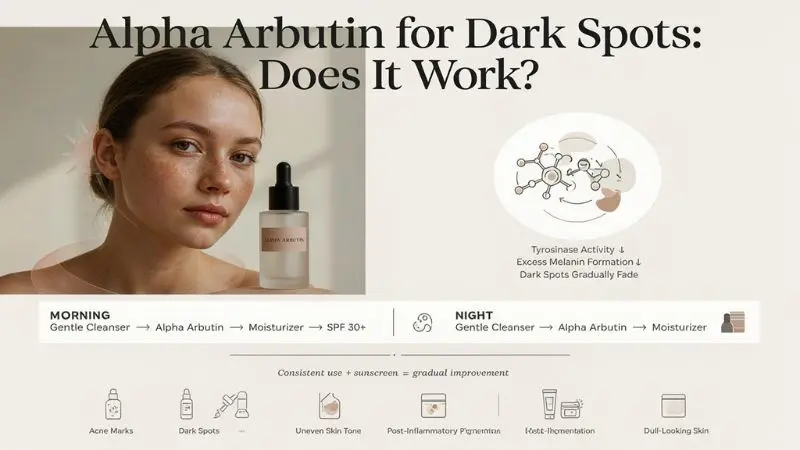
It works by interfering with tyrosinase, an enzyme involved in melanin production. By helping reduce the formation of excess pigment, alpha arbutin can support a more even-looking complexion over time.
It may be a useful option for people looking for the best treatment for hyperpigmentation on face, especially when dealing with acne marks, dark spots, and uneven skin tone.
It may be useful for:
- Acne marks
- Mild sun-related dark spots
- Uneven skin tone
- Post-inflammatory pigmentation
- Dull-looking skin
However, alpha arbutin should not be treated as a miracle ingredient. Results take time, and sunscreen remains essential.
How to use alpha arbutin
A simple routine can look like this:
Morning:
Gentle cleanser → Alpha arbutin → Moisturizer → Sunscreen
Night:
Gentle cleanser → Alpha arbutin → Moisturizer
If your skin is sensitive, start once daily or every other day. Watch for redness, burning, itching, or persistent irritation.
You can also use alpha arbutin with other gentle ingredients such as niacinamide, but introducing several new products at once makes it difficult to know which product is helping or irritating your skin.
The best treatment for hyperpigmentation on face is usually the routine you can follow consistently without damaging your skin barrier.
Vitamin C for Hyperpigmentation: Why It Is So Popular
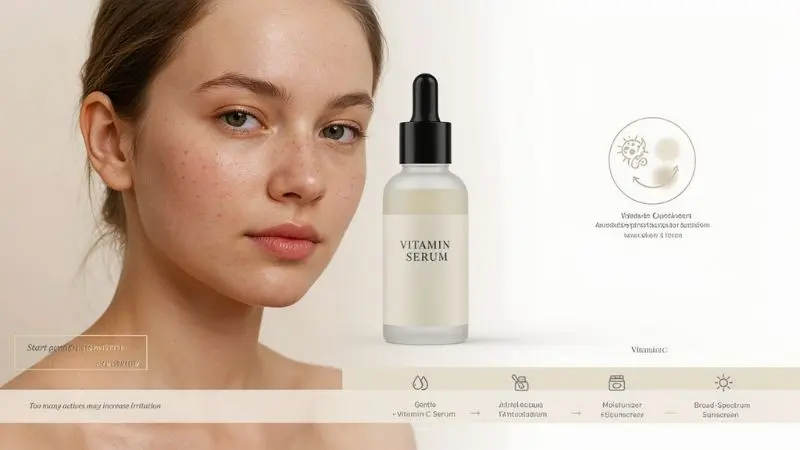
Vitamin C is another well-known ingredient for improving the appearance of dark spots and uneven skin tone.
For those searching for the best treatment for hyperpigmentation on face, vitamin C can be a useful brightening option.
It acts as an antioxidant and can help protect skin from oxidative stress caused by environmental factors. It can also interfere with pathways involved in melanin production.
Vitamin C is often used in the morning because it pairs well with sunscreen.
A simple morning routine can include:
- Gentle cleanser
- Vitamin C serum
- Moisturizer
- Broad-spectrum sunscreen
You do not need to use a very high-strength vitamin C product to start. Sensitive or acne-prone skin may react better to a lower concentration.
Vitamin C can cause irritation in some people, especially when you introduce it too quickly or combine it with multiple other active ingredients.
If your skin becomes persistently red, itchy, or uncomfortable, stop the new product and simplify your routine.
Alpha Arbutin vs Vitamin C
| Ingredient | Main benefit | Good for | Main caution |
| Alpha arbutin | Helps reduce excess pigment formation | Dark spots and uneven tone | Results take time |
| Vitamin C | Antioxidant and brightening support | Dullness and pigmentation | Some formulas may irritate |
| Niacinamide | Supports skin barrier and even tone | Sensitive or oily skin | High concentrations may irritate |
| Azelaic acid | Pigmentation and acne support | Acne-prone skin | May sting initially |
| Retinoids | Supports cell turnover | Acne and uneven tone | Can cause dryness and irritation |
Both alpha arbutin and vitamin C can fit into a pigmentation routine. However, you do not need to use every brightening ingredient together.
Start with one main active and give your skin time to adjust.
Niacinamide and Azelaic Acid for Hyperpigmentation
Alpha arbutin and vitamin C are not your only options
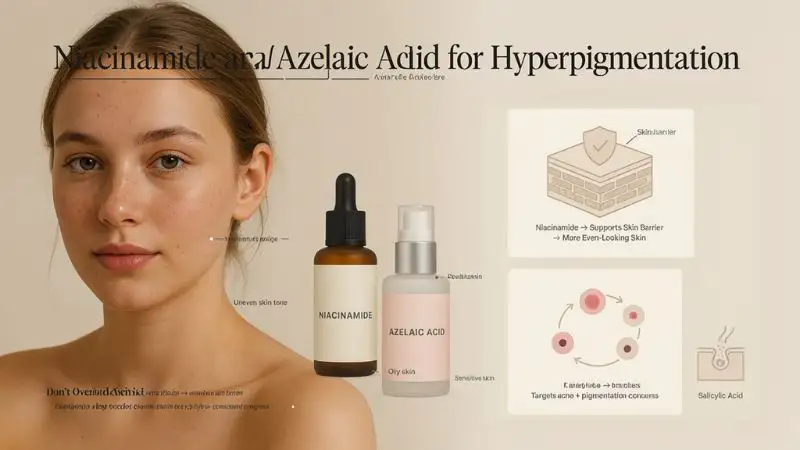
.The best treatment for hyperpigmentation on face may also include niacinamide or azelaic acid, depending on your skin concerns.
Niacinamide is a form of vitamin B3 that can support the skin barrier and improve the appearance of uneven skin tone. It can be especially useful for people who have oily or sensitive skin and want a relatively gentle ingredient.
Niacinamide may also help support the skin barrier when used as part of a balanced skincare routine.
This can make niacinamide a useful part of the c, especially for sensitive skin.
Azelaic acid can be particularly useful for acne-prone skin because it can target both acne-related inflammation and pigmentation.
This makes azelaic acid an interesting option when your dark marks are appearing because of frequent breakouts.
For example:
Acne → inflammation → dark mark → new acne → another dark mark
If you only treat the pigmentation but ignore the acne, the cycle can continue.
Azelaic acid may help address more than one part of that cycle.
If you have frequent forehead breakouts, you can also read GlowVixa’s guide to getting rid of forehead acne.
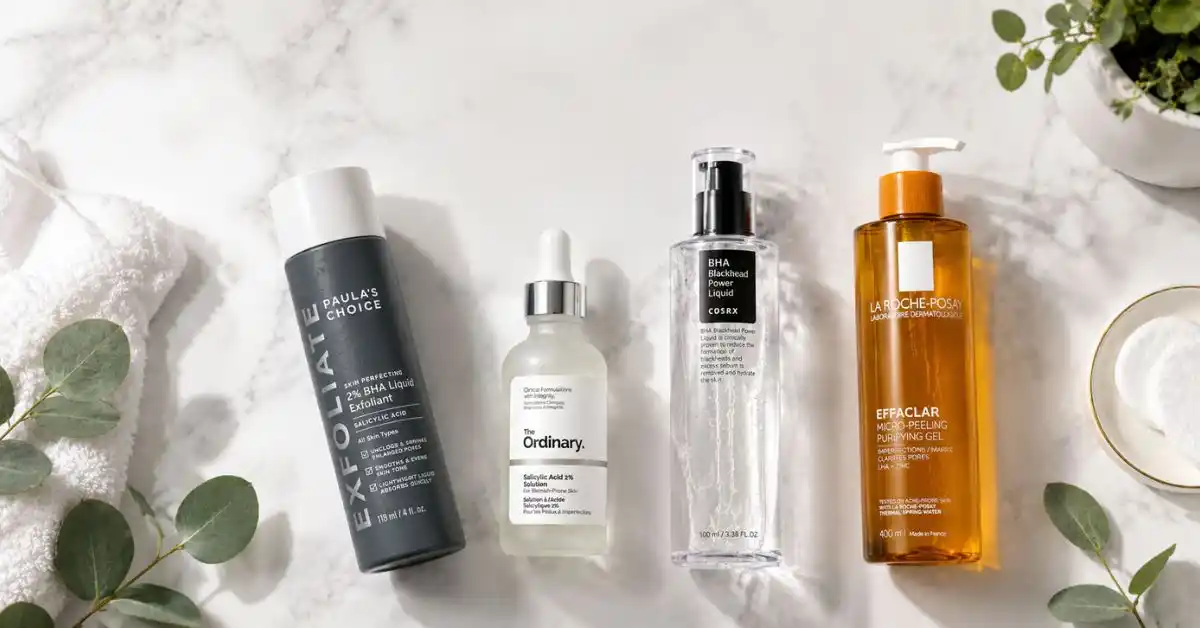
For people with clogged pores and acne, salicylic acid may also have a role in the overall routine. However, avoid using too many exfoliating products at the same time.
The goal is not to attack your skin from every direction. The goal is to reduce inflammation while gradually improving pigmentation.
How to Build the Best Treatment Routine for Hyperpigmentation

A good routine does not need ten products.
When choosing the best treatment for hyperpigmentation on face, keeping your routine simple can help reduce irritation and improve consistency.
In fact, using too many active ingredients can irritate the skin and make pigmentation more noticeable
.A simple routine is often a better starting point when choosing the best treatment for hyperpigmentation on face.
Morning routine
Step 1: Cleanse gently
Use a gentle cleanser that removes sweat, oil, and skincare residue without leaving your skin tight.
Step 2: Choose one brightening ingredient
You can use vitamin C, alpha arbutin, or niacinamide depending on your skin and product tolerance.
Step 3: Moisturize
Use a lightweight moisturizer if your skin needs hydration.
Step 4: Apply sunscreen
Finish with broad-spectrum SPF 30 or higher.
Night routine
Step 1: Cleanse gently.
Step 2: Apply your selected treatment.
Step 3: Moisturize.
If you use a retinoid or exfoliating acid, you may not need another strong active on the same night.
Product introduction framework
Use this simple method whenever you add a new product:
Patch test → Start slowly → Monitor → Increase only if tolerated
Do not introduce three new serums on the same day.
If irritation develops, you will not know which product caused it.
Give each new active enough time to show whether your skin tolerates it.
You can also use GlowVixa’s skin analyzer to better organize your skincare concerns before changing your routine.
Common Mistakes That Make Dark Spots Worse

Sometimes people make pigmentation worse while trying to remove it
.Choosing the best treatment for hyperpigmentation on face also means avoiding products and habits that can irritate your skin.
The most common mistake is using too many strong products.
When a product burns or causes excessive peeling, some people assume that it is “working.” That is not a safe way to judge skincare.
Irritation can damage the skin barrier and increase inflammation. In acne-prone skin, more inflammation can lead to more post-inflammatory pigmentation.
Avoid:
- Harsh physical scrubs
- Picking pimples
- Squeezing blackheads
- Using lemon juice on the face
- Applying several acids together
- Starting multiple retinoids
- Skipping sunscreen
- Using unknown whitening creams
- Changing products every few days
- Using prescription medicines without professional guidance
Do not use lemon juice as a DIY pigmentation treatment. Even if a natural ingredient seems harmless, concentrated acidic substances can irritate your skin.
You should also avoid unverified whitening products. Some unsafe products may contain ingredients that are not clearly listed on the label.
Skin barrier safety checklist
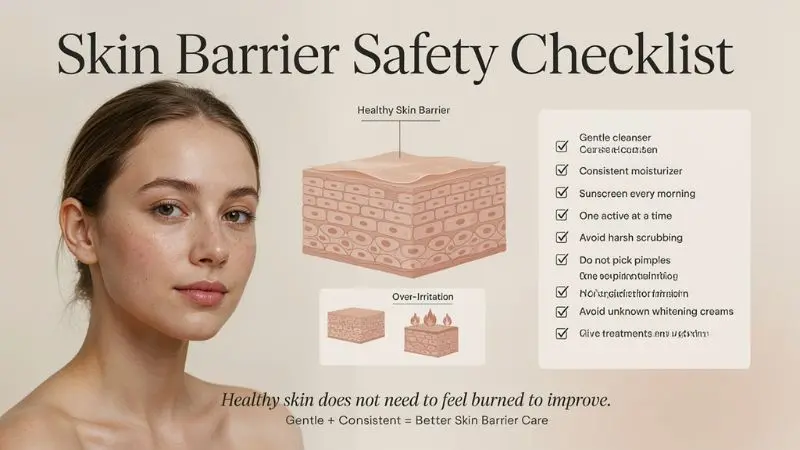
☐ Use a gentle cleanser
☐ Moisturize consistently
☐ Wear sunscreen every morning
☐ Introduce one active at a time
☐ Avoid harsh scrubbing
☐ Do not pick pimples
☐ Stop products that cause significant irritation
☐ Avoid unknown whitening creams
☐ Give treatments enough time to work
Healthy skin does not need to feel burned to improve.
How Long Does Hyperpigmentation Take to Fade?

One of the biggest challenges with pigmentation is patience.
This is why the best treatment for hyperpigmentation on face should focus on steady improvement rather than quick results.
Dark spots usually do not disappear within a few days. Some marks can gradually become lighter over several months, especially when you consistently protect your skin from sunlight and avoid new inflammation.
The timeline depends on several factors:
- Cause of pigmentation
- Depth of the pigment
- Skin tone
- Sun exposure
- Ongoing acne
- Skin irritation
- Treatment consistency
- Type of pigmentation
Post-acne marks may improve gradually, while deeper pigmentation can take considerably longer.
Do not judge your routine after one week.
Instead, take a clear photo once every four weeks under similar lighting. This makes small changes easier to notice.
A simple progress tracker

Morning
☐ Cleanser
☐ Brightening treatment
☐ Moisturizer
☐ Sunscreen
Night
☐ Cleanser
☐ Treatment
☐ Moisturizer
Weekly
☐ No harsh scrubbing
☐ No picking
☐ No unnecessary new products
☐ Skin feels comfortable
☐ Acne is being managed
Consistency is more useful than constantly searching for a stronger product.
When Should You See a Dermatologist?

Home skincare can help mild hyperpigmentation, but some pigmentation needs professional assessment.
See a dermatologist if:
- Dark patches continue spreading.
- Pigmentation suddenly appears without an obvious reason.
- Your skin develops severe irritation.
- You have painful or severe acne.
- Dark spots do not improve despite consistent skincare.
- You are unsure whether the pigmentation is acne-related.
- You want prescription-strength treatment.
- You are considering chemical peels or laser procedures.
A dermatologist can identify the cause of your pigmentation and recommend the best treatment for hyperpigmentation on face based on your skin condition.
Professional treatments may include prescription creams, chemical peels, or certain laser procedures depending on the diagnosis. These treatments should not be chosen simply because they sound stronger.
Some procedures can also cause irritation or worsen pigmentation in certain people, particularly when the skin is prone to post-inflammatory pigmentation.
If you are pregnant or breastfeeding, speak with your healthcare professional before starting certain active treatments, especially retinoid products or prescription medicines.
The best treatment for hyperpigmentation on face is not always the strongest option. It is the option that fits your skin, the cause of pigmentation, and your ability to use it consistently.
Best Treatment for Hyperpigmentation on Face: A Simple Plan
If you want to keep your routine simple, start here.
This simple plan can help you follow the best treatment for hyperpigmentation on face without using too many active ingredients.
Morning
Cleanser → Vitamin C or Alpha Arbutin → Moisturizer → SPF 30+ Sunscreen
Night
Cleanser → Alpha Arbutin, Niacinamide, or Azelaic Acid → Moisturizer
Do not use every active at once.
If your skin is sensitive, start with one treatment ingredient and use it a few times per week before increasing frequency.
If acne is your main trigger, focus on controlling breakouts as well as treating dark marks.
For clogged pores, you can also explore GlowVixa’s salicylic acid acne treatment guide.
If your dark spots are mainly acne marks, your skincare routine should follow this simple framework:
Treat → Protect → Prevent
Treat: Choose a suitable pigmentation ingredient.
Protect: Use sunscreen every morning.
Prevent: Reduce acne, avoid picking, and protect your skin barrier.
This approach is much more practical than constantly buying new brightening products.
Frequently Asked Questions
FAQs
1. What is the best treatment for hyperpigmentation on the face?
Alpha arbutin, vitamin C, niacinamide, and daily sunscreen can help reduce hyperpigmentation.
2. Can alpha arbutin remove dark spots?
Yes. Alpha arbutin can help reduce excess melanin and gradually fade dark spots.
3. Is vitamin C good for hyperpigmentation?
Yes. Vitamin C can brighten the skin and help reduce the appearance of dark spots.
4. How long does hyperpigmentation take to fade?
Mild dark spots may improve within several weeks, but deeper pigmentation can take longer.
5. Can sunscreen prevent hyperpigmentation from getting worse?
Yes. Daily broad-spectrum sunscreen helps protect dark spots from becoming darker.
6. Can I use alpha arbutin and vitamin C together?
Yes, they can generally be used together if your skin tolerates both. Start slowly if you have sensitive skin.
Conclusion
The best treatment for hyperpigmentation on face starts with consistent, gentle skincare and daily sunscreen. Alpha arbutin, vitamin C, niacinamide, and azelaic acid can help improve dark spots and uneven skin tone.
Avoid harsh scrubbing, lemon juice, picking, and unknown whitening products, as they may worsen pigmentation. Start with one active ingredient at a time and give your skin enough time to improve.
If pigmentation is severe, persistent, or difficult to identify, consult a dermatologist for proper treatment. With patience and a consistent routine, you can gradually achieve a more even-looking complexion.
.
Medical Disclaimer: This article provides general skincare information and does not diagnose or treat individual medical conditions. For severe acne, sudden pigmentation changes, pregnancy-related skincare questions, prescription treatments, or persistent skin problems, consult a qualified healthcare professional or dermatologist.






Leave a Reply