

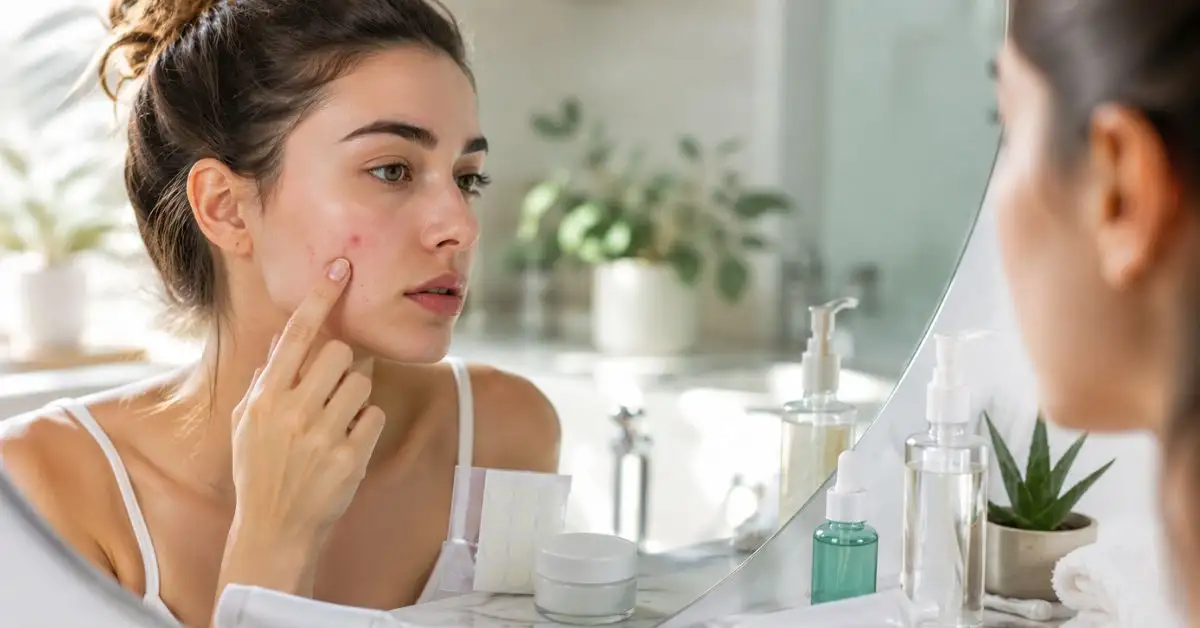
“Acne is frustrating on its own, but when your skin is also sensitive, treating breakouts can feel like a difficult balancing act. You may try a product designed to clear pimples, only to end up with burning, redness, dryness, peeling, or even more irritation. Then you stop the treatment, your skin settles down, and the acne returns. It can feel like there is no winning, making the search for a safe and reliable acne cure for sensitive skin feel exhausting.”
The good news is that sensitive skin does not mean you have to accept persistent acne. The key is choosing treatments that target clogged pores and inflammation while protecting the skin barrier. Instead of using several powerful products at once, a gentle and consistent approach is usually more sustainable.
There is no single product that can permanently “cure” every type of acne, because acne can have different causes, including excess oil, clogged pores, hormones, inflammation, bacteria, genetics, and certain medications. However, the right acne cure for sensitive skin approach can significantly reduce breakouts while minimizing irritation.
“This guide explains why sensitive skin can become acne-prone, which ingredients are generally better tolerated, how to build a simple sensitive acne-prone skin routine, which home remedies may be reasonable, what ingredients to avoid, and why finding a balanced acne cure for sensitive skin matters for long-term health.”
Understanding Why Sensitive Skin Breaks Out
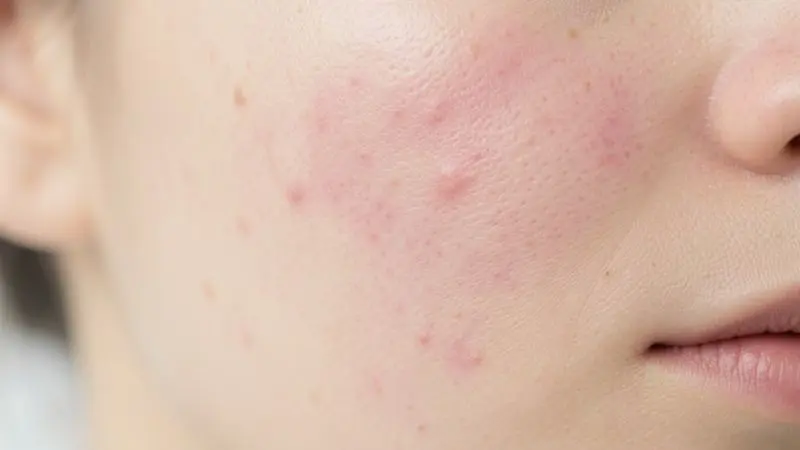
When dealing with skin that reacts easily, every new product can feel like a risk. This is why developing a proper acne cure for sensitive skin strategy is essential to achieve results without damaging the skin.
1. A damaged skin barrier
Your skin barrier is the outer protective layer of your skin. It helps retain water and protects the skin from environmental irritants.
When the barrier becomes damaged, you may notice:
- Burning or stinging after applying products
- Tightness and dryness
- Flaking or peeling
- Increased redness
- Greater sensitivity to skincare products
- Irritation from ingredients that were previously tolerated
Over-cleansing, frequent exfoliation, harsh scrubs, strong acne treatments, and excessive use of active ingredients can contribute to barrier disruption.
“When your barrier is struggling, adding more aggressive acne products can create a cycle of irritation. Your skin may become red and inflamed, making existing acne look worse and complicating any hope of finding a working acne cure for sensitive skin. Because of this, breaking the cycle requires a much gentler approach.”
2. Inflammation
Acne is an inflammatory skin condition. When a pore becomes clogged with oil and dead skin cells, inflammation can develop around the follicle.
Sensitive skin may already react strongly to environmental or cosmetic triggers. Adding irritation on top of acne-related inflammation can make the skin appear more swollen, red, or uncomfortable.
This is why the goal should not simply be to “dry out” every pimple. Healthy acne management involves reducing clogged pores and inflammation without unnecessarily damaging surrounding skin.
3. Over-treatment
One of the most common mistakes people with sensitive acne-prone skin make is using too many treatments simultaneously.
For example, someone might use:
- A strong acne cleanser
- A physical scrub
- An exfoliating toner
- A benzoyl peroxide treatment
- An acid serum
- A clay mask
- A retinoid
Using multiple active products without a plan can overwhelm sensitive skin.
More products do not automatically mean faster results. In many cases, a simple routine that you can consistently tolerate is more useful than an aggressive routine that causes constant irritation.
4. Changes in the skin microbiome
The skin has a natural community of microorganisms known as the skin microbiome. It plays a role in maintaining the skin’s normal environment.
Harsh cleansing and unnecessary irritation may interfere with the skin’s natural balance. This does not mean that every acne problem is caused by a “bad microbiome,” but it is another reason to avoid excessively stripping the skin.
A gentle cleanser, appropriate moisturizer, and carefully selected acne treatment can help support a healthier environment.
The Golden Rules of Treating Acne on Sensitive Skin
“The foundation of a proper acne cure for sensitive skin is not simply finding the strongest acne ingredient. It is learning how to control acne while keeping irritation under control.”
Rule 1: Stop trying to dry out your skin
A common misconception is that acne should be aggressively dried.
Extreme dryness can cause:
- Flaking
- Tightness
- Burning
- Increased sensitivity
- Greater difficulty tolerating acne medications
Instead, aim for balanced skin. Your goal is to reduce clogged pores and inflammation while maintaining adequate hydration.
Rule 2: Avoid harsh physical scrubs
Scrubs containing rough particles can create friction against already inflamed skin.
Avoid vigorously rubbing acne-prone areas with:
- Apricot or nut-shell scrubs
- Rough exfoliating gloves
- Brushes used aggressively
- Homemade sugar or salt scrubs
If exfoliation is appropriate for you, a carefully selected chemical exfoliant may be easier to control than aggressive physical friction.
Rule 3: Be cautious with strong benzoyl peroxide
Benzoyl peroxide can be an effective acne treatment, but it can also cause dryness, peeling, redness, or irritation, particularly when introduced too quickly.
People with sensitive skin should not automatically assume that a higher concentration will produce better results.
If benzoyl peroxide is recommended for your acne, consider discussing the appropriate concentration and frequency with a dermatologist. Introduce it gradually rather than applying a large amount repeatedly.
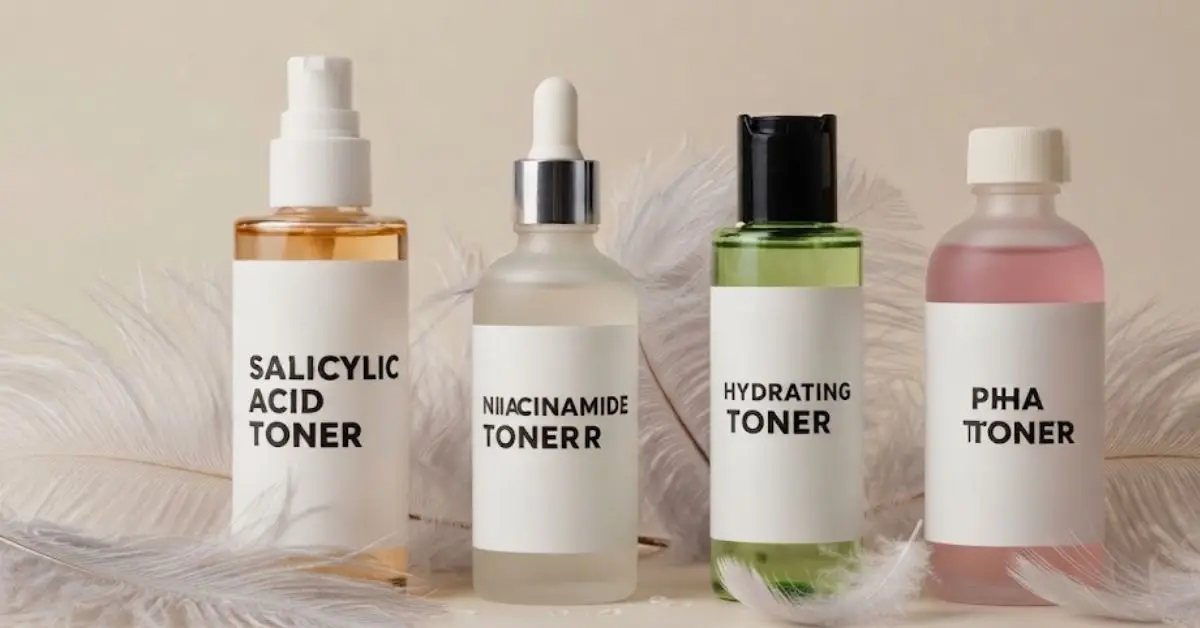
Rule 4: Skip alcohol-heavy toners
Some traditional toners contain high amounts of drying alcohol. These products can make the skin feel temporarily “clean” or tight but may be uncomfortable for reactive skin.
A toner is also not an essential step. If your skin is sensitive, you can often simplify your routine by focusing on cleansing, treatment, moisturizing, and sun protection.
Rule 5: Repair before you intensify
If your skin is actively burning, peeling, or extremely irritated, pause unnecessary active ingredients.
Focus temporarily on:
- Gentle cleansing
- A bland moisturizer
- Sun protection
- Avoiding fragrance and harsh exfoliation
Once your skin feels comfortable again, introduce acne treatments slowly.
This is one of the most important principles for learning how to treat acne without irritation.
Top Safe Ingredients for Sensitive Acne-Prone Skin
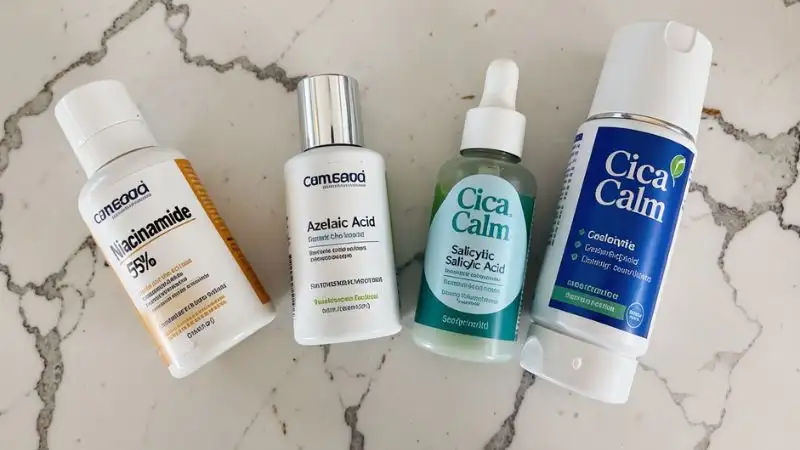
When choosing an acne cure for sensitive skin, start with one active ingredient at a time.
Niacinamide
Niacinamide, a form of vitamin B3, is one of the more versatile skincare ingredients.
It may help support the skin barrier, improve the appearance of redness, regulate excess oil, and improve overall skin texture.
For sensitive skin, a lower concentration may be more comfortable than immediately choosing a very high-strength serum.
Look for simple formulations rather than combining several strong actives in the same product.
Best for: Mild redness, excess oil, barrier support, and overall skin maintenance.
Azelaic Acid
Azelaic acid is particularly interesting for people dealing with acne and sensitivity because it can address several concerns at once.
It has anti-inflammatory and antimicrobial properties and can help with acne lesions. It may also help improve the appearance of post-acne dark marks over time.
Some people experience mild tingling when they first start using it. If your skin is highly reactive, introduce it gradually.
Best for: Acne, inflammation, and post-acne discoloration.
Centella Asiatica (Cica)
Centella asiatica, commonly called cica, is frequently used in products designed for irritated or sensitive skin.
It is not a primary acne medication, but it can be useful in a routine focused on calming and supporting the skin.
Look for products with simple formulas and avoid assuming that “cica” automatically means a product will be suitable for everyone.
Best for: Soothing and supporting irritated skin.
Colloidal Oatmeal
Colloidal oatmeal is an established soothing skincare ingredient that can help support irritated, dry skin.
It is particularly useful when acne treatments leave your skin feeling dry or uncomfortable.
Rather than using oatmeal scrubs, choose a properly formulated skincare product containing colloidal oatmeal.
Best for: Dryness, irritation, and barrier support.
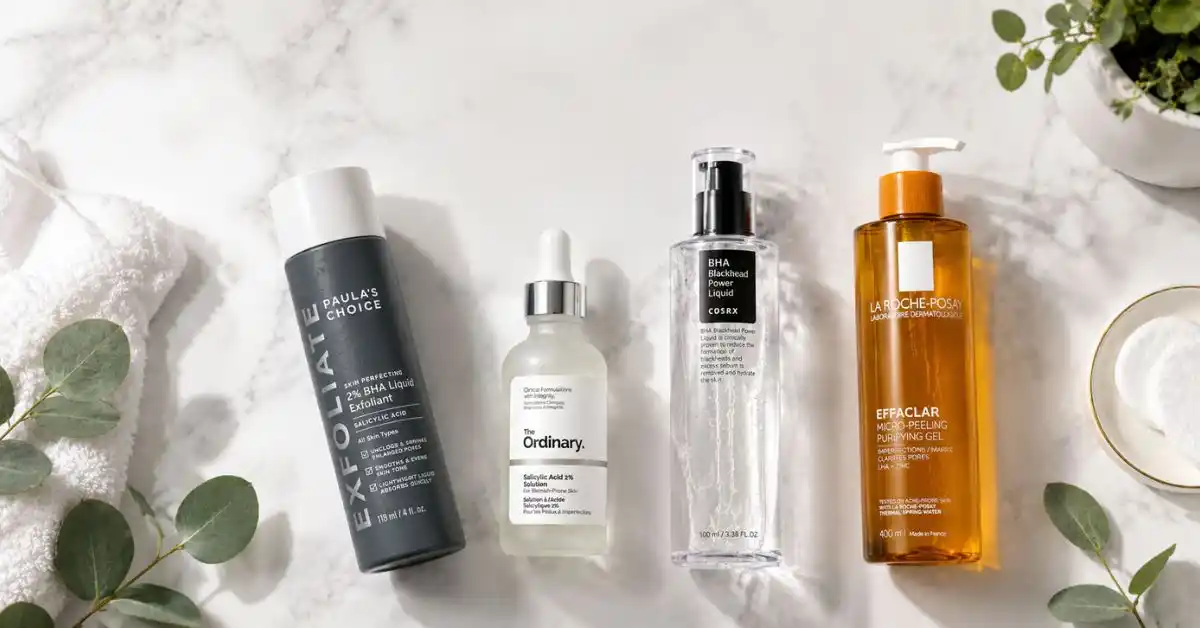
Low-Strength Salicylic Acid
Salicylic acid is a beta hydroxy acid (BHA) that can penetrate into oily pores and help remove excess dead skin cells.
It can be useful for blackheads, whiteheads, and clogged pores. However, sensitive skin may not tolerate frequent or high-strength use.
Start conservatively. You do not necessarily need salicylic acid every day.
If your skin becomes persistently dry, red, or uncomfortable, reduce frequency or stop and allow the barrier to recover.
Best for: Clogged pores, blackheads, and mild acne.
A Step-by-Step Sensitive Acne-Prone Skin Routine
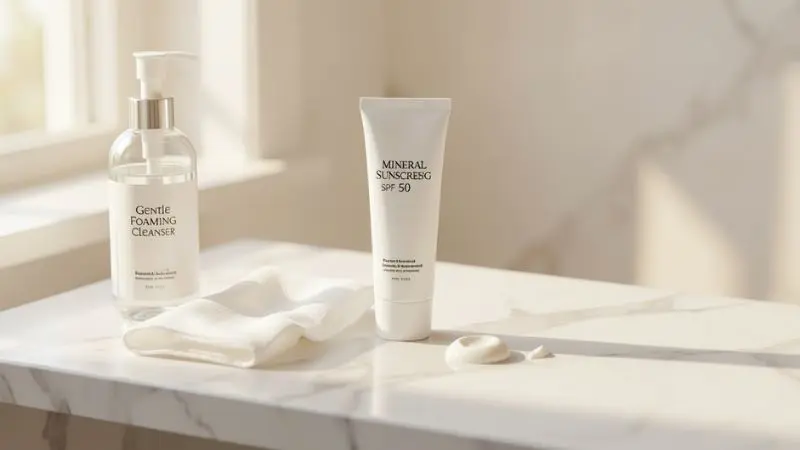
A good sensitive acne-prone skin routine should be simple enough that you can follow it consistently.
You do not need ten products.
Morning Routine
Step 1: Use a gentle cleanser
Choose a fragrance-free, non-abrasive cleanser that removes sweat and excess oil without leaving your skin feeling tight.
If your skin is extremely dry or sensitive in the morning, simply rinsing with lukewarm water may be sufficient for some people.
Avoid very hot water.
Step 2: Apply a soothing serum if needed
This step is optional.
A simple niacinamide or soothing formula may be appropriate if your skin tolerates it.
Do not add a serum simply because you feel your routine is incomplete. Sensitive skin often benefits from fewer products.
Step 3: Moisturize
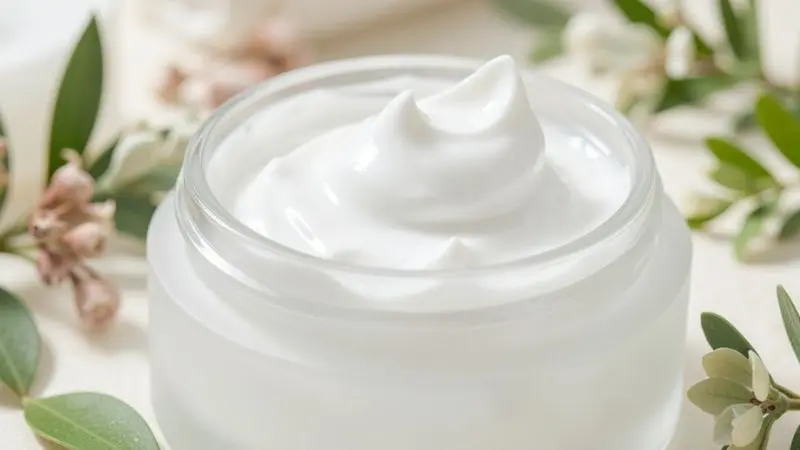
Choose a lightweight, non-comedogenic moisturizer.
Look for ingredients that support the barrier, such as:
- Ceramides
- Glycerin
- Hyaluronic acid
- Panthenol
- Colloidal oatmeal
A moisturizer does not automatically cause acne. In fact, keeping the skin comfortable can make acne treatments easier to tolerate.
Step 4: Apply sunscreen
Use broad-spectrum sunscreen every morning.
Sun exposure can worsen post-acne discoloration and make dark marks more noticeable. Sunscreen is particularly important if you are using exfoliating or acne-targeted treatments.
If your skin is sensitive, choose a sunscreen that feels comfortable and does not sting.
Night Routine
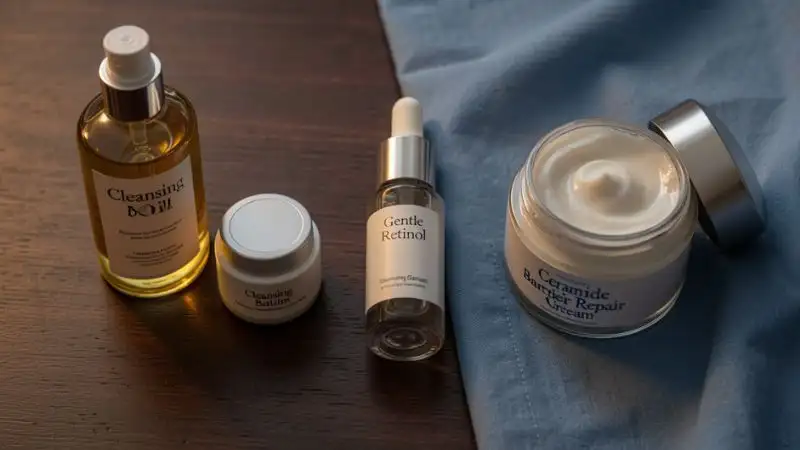
Step 1: Remove sunscreen and makeup
If you wear makeup or water-resistant sunscreen, you may need a gentle first cleansing step.
A cleansing balm, cleansing oil, or micellar water can be used if your skin tolerates it.
Follow with a gentle cleanser when necessary.
Double cleansing does not mean scrubbing twice. Both steps should be gentle.
Step 2: Use one targeted acne treatment
Choose one primary acne treatment rather than layering multiple active ingredients.
Depending on your skin and acne type, this could be azelaic acid or a carefully introduced salicylic acid product.
If you have persistent inflammatory acne, a dermatologist may recommend a prescription treatment instead.
Step 3: Finish with a repairing moisturizer
Apply moisturizer after your treatment, especially if your skin tends to become dry.
For very sensitive skin, you may also use the “moisturizer sandwich” approach: moisturizer first, treatment, then another thin layer of moisturizer.
This can reduce irritation for some topical treatments.
Ingredients and Habits to Avoid When Your Skin Is Reactive
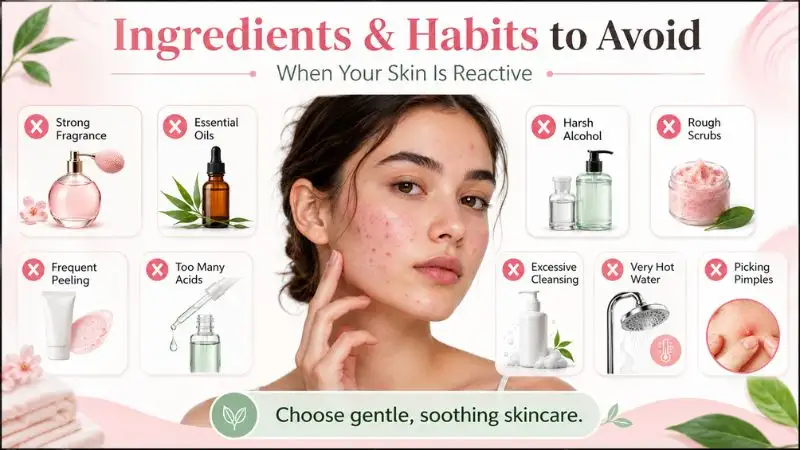
Look for gentle ingredients that support an acne cure for sensitive skin without causing unnecessary irritation.
Be cautious with:
- Strong fragrance
- Essential oils
- Harsh alcohol-heavy products
- Rough physical scrubs
- Frequent peeling masks
- Multiple exfoliating acids
- Excessive cleansing
- Very hot water
- Picking or squeezing pimples
Natural does not automatically mean gentle.
Lemon juice, baking soda, undiluted apple cider vinegar, toothpaste, and essential oils are frequently promoted online as acne remedies. These can irritate or burn the skin and are not recommended substitutes for evidence-based acne treatment.
Natural and Home Remedies That May Be Safer
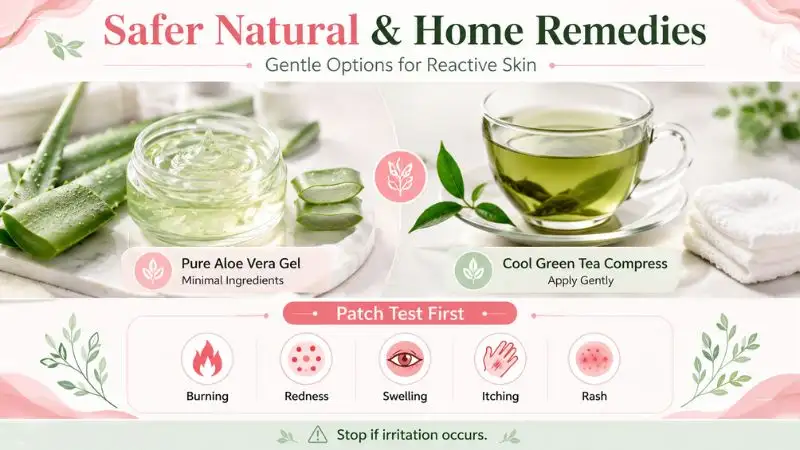
Home remedies should be approached carefully, especially when your skin is reactive.
Pure aloe vera gel
A simple aloe vera gel may feel soothing for some people.
However, choose a product with a minimal ingredient list and avoid formulas containing heavy fragrance or ingredients that have previously irritated you.
Aloe vera should not be considered a replacement for proven acne medication.
Green tea compress
A cooled green tea compress may feel calming on irritated skin.
To try it:
- Brew plain green tea.
- Allow it to cool completely.
- Soak a clean cotton pad or soft cloth.
- Apply gently for a few minutes.
- Do not rub the skin afterward.
Do not apply hot tea to your face.
Patch-test everything
Before using a new product or DIY ingredient over your entire face, test a small area first.
Watch for:
- Burning
- Severe redness
- Swelling
- Itching
- Rash
If you develop a significant reaction, wash the product off and discontinue it. If swelling, blistering, difficulty breathing, or another severe reaction occurs, seek urgent medical attention.
How Long Does It Take to See Improvement?
One of the biggest mistakes people make is changing their routine every few days.
Acne generally requires patience.
A new skincare routine may need several weeks before you can properly judge whether it is helping. Some treatments can initially cause dryness or mild irritation, while others may take longer to produce visible improvement.
Instead of checking your skin every few hours, monitor progress over several weeks.
Take photos under similar lighting once every few weeks. This can help you recognize gradual improvement that may otherwise be difficult to notice.
If a treatment consistently causes burning, significant peeling, or worsening irritation, however, do not force yourself to “push through it.” Persistent irritation is a reason to reassess the routine.
When to See a Dermatologist
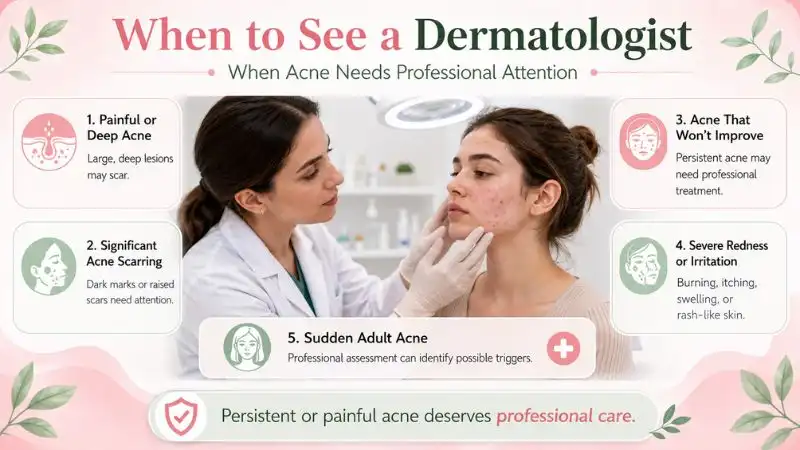
Home skincare may be appropriate for mild acne, but some cases require professional treatment.
See a dermatologist if you have:
and one targeted treatment. Avoid harsh scrubs, excessive exfoliation, irritating DIY remedies, and the temptation to use several powerful acne products at once.
“Most importantly, remember that persistent, painful, cystic, or scarring acne deserves professional attention alongside your daily acne cure for sensitive skin routine. With the right combination of gentle skincare and appropriate treatment…”
Large, deep, painful lesions can increase the risk of permanent scarring. These often require more than over-the-counter skincare.
Significant acne scarring
Indented scars, raised scars, or persistent dark marks may need professional treatment.
The earlier severe acne is controlled, the better the chance of preventing additional scarring.
Acne that does not improve
If you have followed a gentle routine consistently and your acne continues to worsen or remains persistent, professional evaluation can help identify the underlying pattern.
Severe or persistent inflammation
Constant redness, burning, itching, swelling, or a rash-like reaction may not be ordinary acne.
Conditions such as rosacea, contact dermatitis, perioral dermatitis, and other skin disorders can sometimes resemble acne. A dermatologist can help distinguish between them.
Sudden adult acne
A sudden increase in acne, especially when accompanied by other hormonal symptoms, deserves professional assessment.
A dermatologist can determine whether hormonal factors, medications, skincare products, or another issue may be contributing.
The Most Important Mindset for Sensitive Acne-Prone Skin

The best acne cure for sensitive skin is not necessarily the strongest product available. It is a strategy that addresses acne while respecting your skin’s tolerance.
Think of your routine as a balance between treatment and protection.
You want to:
- Keep the skin clean without over-cleansing.
- Treat clogged pores and inflammation gently.
- Maintain a healthy skin barrier.
- Moisturize consistently.
- Protect the skin from UV exposure.
- Introduce new products one at a time.
- Avoid picking and squeezing.
- Seek professional care when acne is severe or persistent.
Consistency matters more than complexity.
A simple routine that your skin tolerates is much more useful than an aggressive routine that leaves you red and peeling.
Conclusion
Treating acne on sensitive skin is all about finding the right balance between clearing breakouts and protecting your skin barrier. Instead of using harsh products, focus on gentle cleansing, regular moisturizing, sunscreen, and carefully selected ingredients such as azelaic acid, niacinamide, or low-strength salicylic acid.
“Be patient for better results and introduce new products gradually. With a consistent acne cure for sensitive skin approach, you can reduce breakouts while keeping your skin calm, comfortable, and healthy.”
Frequently Asked Questions
1. What is the best acne treatment for sensitive skin?
Azelaic acid, niacinamide, and low-strength salicylic acid can be helpful, depending on your skin type. Start slowly and always use a gentle moisturizer.
2. How can I treat acne without irritating sensitive skin?
Use a gentle cleanser, moisturizer, and sunscreen, and introduce only one acne treatment at a time. Avoid harsh scrubs and over-exfoliation.
3. Is salicylic acid safe for sensitive acne-prone skin?
Yes, if your skin tolerates it. Start with a low-strength product a few times a week and stop if you experience significant dryness or irritation.
4. Can moisturizer cause acne on sensitive skin?
A non-comedogenic moisturizer usually does not cause acne and can help protect your skin barrier from dryness and irritation caused by acne treatments.
5. When should I see a dermatologist for acne?
See a dermatologist if you have painful cysts, severe inflammation, persistent acne, or noticeable scarring that does not improve with a gentle skincare routine.





Leave a Reply