

About the Author
Saira is the creator behind GlowVixa, a skincare and beauty blog focused on practical skincare guidance, beauty routines, and everyday skin-care tips. She aims to make skincare information accessible and easy to understand, helping readers explore their options, develop informed routines, and approach beauty trends with realistic expectations.
Introduction
Flaxseed gel is a simple homemade skincare preparation that has gained attention among people who enjoy exploring natural beauty routines. Its smooth consistency makes it easy to spread over the skin, and it can be prepared at home with just two basic ingredients. If you are curious about how to use flaxseed gel for face, understanding the preparation process, application method, and possible limitations is a good place to start.
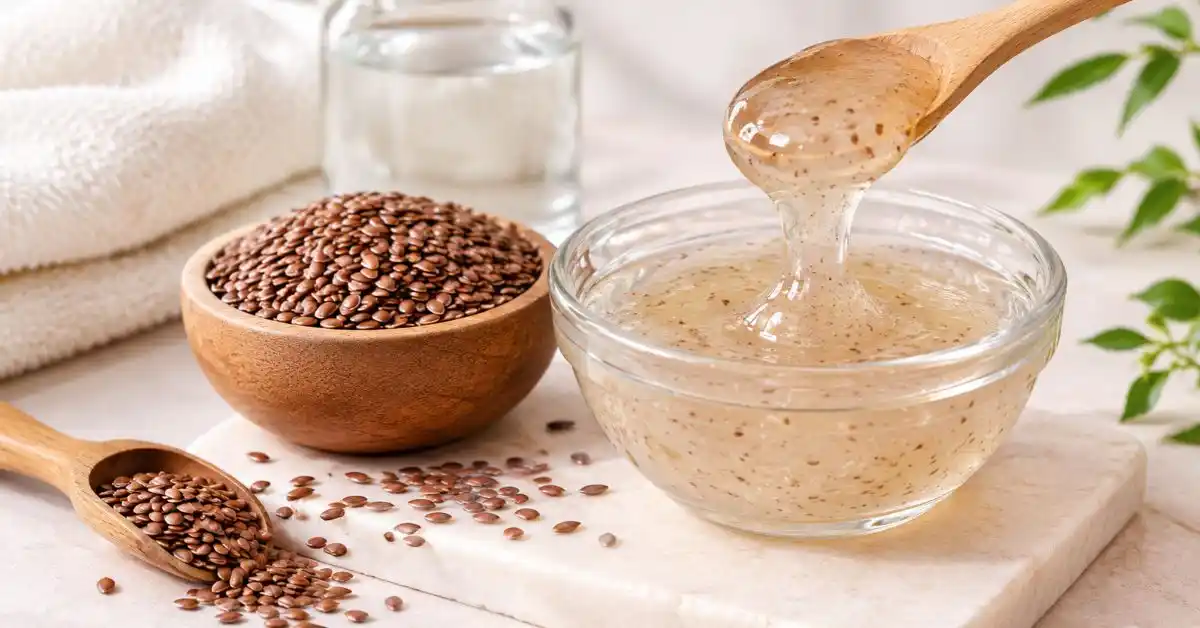
When flaxseeds are heated in water, they release a substance that gives the mixture a thick, slippery texture. Some people enjoy using this gel as an occasional facial mask because it leaves their skin feeling soft after rinsing.
However, a homemade skincare ingredient is not automatically suitable for everyone. Scientific research on the effects of applying flaxseed gel directly to facial skin remains limited. This guide explains how to prepare it, how to apply it carefully, and how to decide whether it belongs in your skincare routine.
What Makes Flaxseed Gel Different From Other Face Masks?
Unlike many store-bought face masks, homemade flaxseed gel starts with whole seeds and water rather than a finished cosmetic formula. The seeds release water-binding mucilage during cooking, creating a consistency similar to a lightweight gel.
Flaxseeds contain dietary nutrients, including alpha-linolenic acid, a plant-based omega-3 fatty acid. Nevertheless, the nutritional value of flaxseeds does not establish that their homemade gel delivers the same benefits when spread over the skin.
The appeal of this DIY preparation is its simplicity. You can make a small quantity without purchasing a collection of skincare ingredients. What matters most is using clean equipment, avoiding irritating additions, and having realistic expectations about the results.
Learning how to use flaxseed gel for face can help you include this simple DIY preparation in your skincare routine while keeping its limitations in mind.
Understanding how to use flaxseed gel for face can help you try this simple DIY mask safely and realistically.
Possible Benefits of Flaxseed Gel for Facial Skin
People may enjoy the feel of flaxseed gel on their skin, but its specific cosmetic benefits have not been thoroughly established through clinical studies.
1. A More Comfortable Skin Feel
The water in the gel may provide temporary moisture while the slippery consistency creates a comfortable coating on the skin. This can make your face feel less dry immediately after use.
For longer-lasting hydration, a properly formulated moisturizer remains a more dependable choice.
2. Temporary Softness
After rinsing away the gel, you may notice that your skin feels smoother to the touch. This is a temporary cosmetic effect and should not be interpreted as a permanent improvement in skin texture.
3. An Affordable DIY Option
Flaxseeds and water are simple ingredients that many households already have available. Making a small batch can be an inexpensive way to explore a homemade facial mask without buying several different products.
Still, homemade preparations lack the quality controls and preservation systems found in properly manufactured cosmetics.
4. A Simple Addition to Occasional Skincare
If your skin tolerates the preparation, you may choose to use it occasionally before applying your regular moisturizer. It should remain an optional step rather than a replacement for your usual skincare essentials.
There is insufficient strong clinical evidence to conclude that flaxseed gel treats acne, removes pigmentation, eliminates wrinkles, or permanently tightens facial skin.
How to Prepare Fresh Flaxseed Gel at Home
You do not need complicated equipment to prepare this gel. A small saucepan, clean strainer, and a suitable container are enough.
Before learning how to use flaxseed gel for face, prepare a fresh batch with clean equipment and allow it to cool completely before application.
What You Will Need
- 1 tablespoon of whole flaxseeds
- 1 cup of clean water
- A small saucepan
- A fine-mesh strainer
- A clean heat-safe bowl
- A clean container with a lid
Preparation Instructions
Step 1: Combine the flaxseeds and water.
Put the water and whole flaxseeds into the saucepan. Starting with a measured quantity makes it easier to manage the consistency.
Step 2: Heat the mixture gently.
Place the saucepan over medium heat. Stir occasionally while the water heats, making sure the seeds do not stick to the bottom.
Step 3: Watch for the gel to develop.
As the mixture simmers, the water will gradually become thicker and more slippery. Cooking time varies, so pay attention to the consistency instead of relying on an exact number of minutes.
Step 4: Separate the liquid from the seeds.
Remove the saucepan from the heat and strain the mixture carefully while it is still warm enough to pass through the strainer. Use caution around hot liquid to prevent burns.
Step 5: Allow the gel to cool.
Leave the strained mixture to cool completely before it touches your skin. Never test the temperature by applying hot gel directly to your face.
Step 6: Prepare only what you need.
For the lowest practical storage risk, make a small quantity intended for immediate use. If you have leftovers, transfer them using clean equipment to a covered container and refrigerate promptly. Discard the remainder rather than storing it for an extended period.

How to Use Flaxseed Gel for Face Correctly
Applying a homemade preparation carefully is just as important as making it. Follow this method if you decide to try flaxseed gel.
To understand how to use flaxseed gel for face safely, follow each application step carefully and avoid using the gel on irritated or broken skin.
Step 1: Start With a Clean Face
Remove makeup and wash your face with a gentle cleanser appropriate for your skin. Rinse thoroughly and pat dry with a clean towel.
Avoid harsh scrubbing, which can leave the skin uncomfortable before you even apply the mask.
Step 2: Test the Preparation on a Small Area
Before using flaxseed gel across your face, test it on a small patch of skin. The American Academy of Dermatology advises testing new skincare products on a small area twice daily for seven to ten days when practical.
Homemade preparations can vary between batches, and even a successful patch test cannot guarantee that a reaction will never occur. If you develop itching, redness, swelling, or burning, do not continue using the gel.
Step 3: Spread a Light Layer
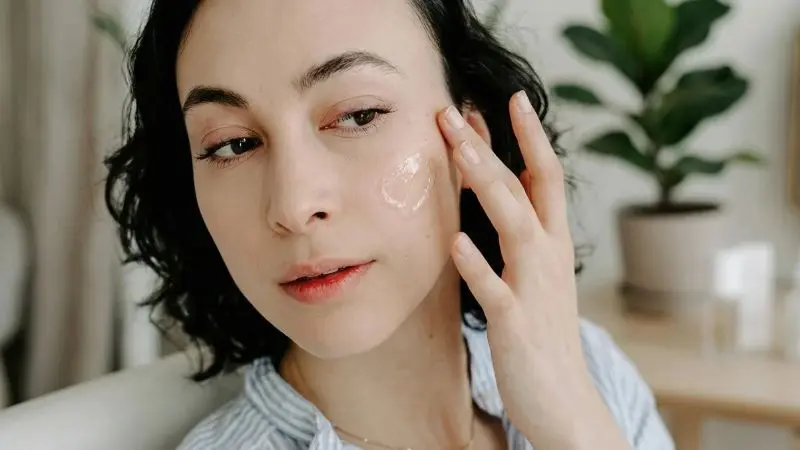
Once your skin has tolerated the preparation, use clean fingertips to distribute a small amount over your face.
Keep it away from your eyes and lips. Do not apply it to broken skin, open wounds, or areas that are already inflamed.
There is no need to cover your face with a thick layer. A thin application is easier to rinse off and lets you assess how your skin responds.
Step 4: Keep the Application Brief
For an initial trial, you can start with approximately five minutes and rinse it off sooner if your skin feels uncomfortable. There is no scientifically established ideal application time for homemade flaxseed gel.
Do not assume that leaving the mask on longer will improve the results.
Step 5: Remove the Gel Gently
Rinse your face with lukewarm water until the residue has been removed. Avoid pulling at the skin or rubbing it aggressively with a towel.
Pat your face dry rather than wiping it repeatedly.
Step 6: Complete Your Skincare Routine
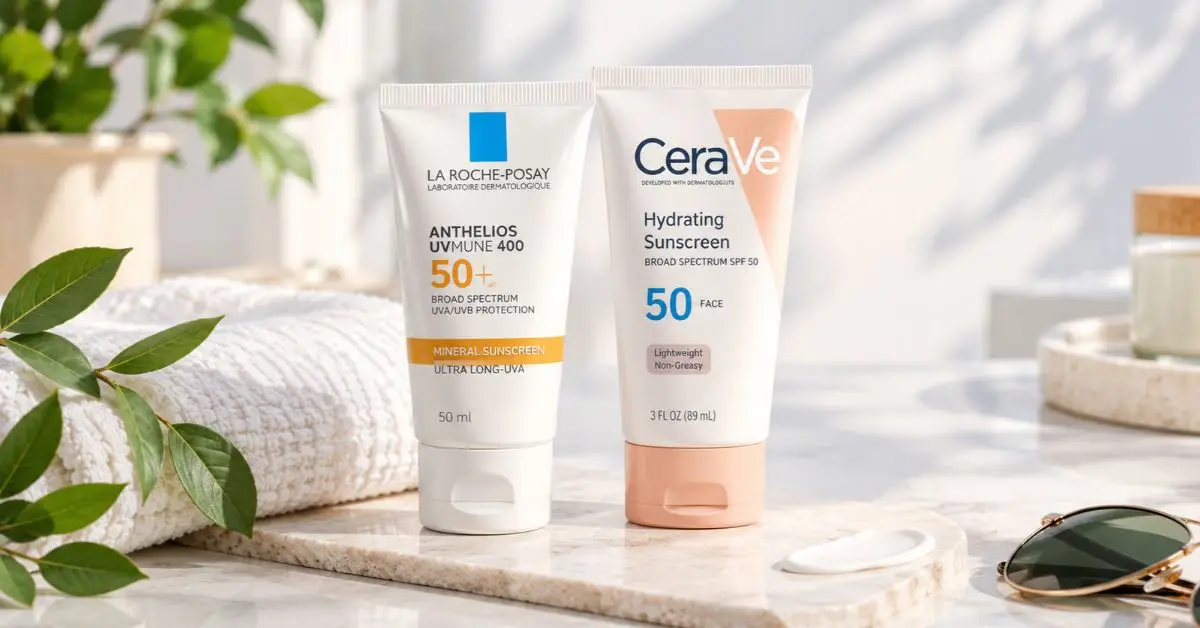
Apply a moisturizer suited to your skin’s needs. If you are doing this routine in the morning, finish with a broad-spectrum sunscreen rated SPF 30 or higher.
Flaxseed gel does not provide dependable protection against ultraviolet radiation and cannot replace sunscreen.
How Often Should You Apply Flaxseed Gel?
There is no established evidence-based schedule for applying homemade flaxseed gel to the face.
When learning how to use flaxseed gel for face, start with occasional application and monitor your skin’s response before deciding whether to continue.
If you want to experiment with it, begin with occasional use, such as once a week, and observe how your skin responds. This is a cautious starting approach rather than a medically proven frequency.
Avoid increasing use simply because you want faster results. Stop applying the gel if your skin becomes irritated, unusually dry, or uncomfortable.
For everyday skin maintenance, concentrate on gentle cleansing, regular moisturizing, and sun protection. A complicated routine is not necessary to care for your skin effectively.
Is Flaxseed Gel Suitable for Your Skin Type?
How to use flaxseed gel for face depends on your skin’s tolerance, so start with a small amount and monitor your skin’s response.
Different skin types have different needs, and the same DIY preparation may feel comfortable to one person but unsuitable for another.
The best way to use flaxseed gel for face is to start with a small amount and check how your individual skin responds.
Dry Skin
If your skin often feels tight or rough, the water-based gel may provide a temporary comfortable sensation. Follow it with a moisturizer designed to support the skin barrier.
Look for established moisturizing ingredients, such as glycerin or ceramides, if they suit your skin.
Oily Skin
People with oily skin may prefer lightweight products that do not leave a heavy residue. If you try flaxseed gel, apply a thin layer and rinse it off completely.
Do not rely on it to control excess sebum, unclog pores, or prevent breakouts because these effects have not been established.
Combination Skin
Combination skin can feel oily in some areas and dry in others. Start with a small amount on a limited area and assess whether the preparation feels comfortable.
Continue using products suited to the different needs of your skin rather than expecting one mask to address every concern.
Sensitive Skin
If your skin reacts easily to new products, be particularly cautious with homemade preparations. A product being natural does not mean it is hypoallergenic.
People with eczema, rosacea, or an impaired skin barrier may wish to avoid experimental DIY masks and ask a qualified healthcare professional for guidance.
Can Flaxseed Gel Be Used Every Day?
Daily facial application is not necessary, and its long-term safety for everyday use has not been adequately established.
Repeated exposure to a new ingredient can cause problems for some people, especially when the preparation is homemade and its quality is not standardized. Start conservatively, and discontinue use if your skin reacts.
You do not need flaxseed gel to maintain healthy-looking skin. A consistent routine built around suitable cleansing, moisturizing, and sunscreen can provide a more reliable foundation.
Mistakes to Avoid When Using Homemade Flaxseed Gel
A few simple precautions can help you avoid common problems when experimenting with DIY skincare.
- Applying it before it cools: Warm gel can burn or irritate your skin. Always allow it to cool completely.
- Skipping a patch test: A small test can help identify possible irritation before you apply the preparation more widely.
- Adding too many ingredients: Lemon juice, baking soda, essential oils, and fragrances may introduce additional irritation risks.
- Leaving it on for too long: Extended application has no established advantage and may cause discomfort.
- Expecting dramatic changes: Do not treat temporary softness as proof that the gel has repaired skin damage or removed wrinkles.
- Ignoring your skin’s reaction: Rinse the preparation off and stop using it if you experience burning, redness, or itching.
- Keeping leftovers indefinitely: Homemade water-based mixtures can become contaminated, even when they appear normal.
How to Store Homemade Flaxseed Gel
Homemade flaxseed gel does not have a validated preservative system, so it requires particular care. Refrigeration can slow some microbial growth, but it cannot guarantee that a preparation remains safe.
Follow these precautions:
- Make a small batch instead of preparing a large quantity.
- Wash your hands and clean your equipment before preparation.
- Use a clean, covered container for any unavoidable leftovers.
- Refrigerate leftovers promptly.
- Discard the gel if its appearance, smell, or consistency changes unexpectedly, or if you notice mold.
- Do not rely on appearance or smell alone to determine whether the gel is safe.

There is no scientifically validated storage period that guarantees the safety of homemade flaxseed gel. Making a fresh amount for immediate use and discarding the rest is the most cautious approach.
When learning how to use flaxseed gel for face, remember that fresh preparation and careful handling are important because homemade gel has no validated preservative system.
Frequently Asked Questions
1. Can I apply flaxseed gel directly to my face?
Yes, but patch-test it first and use only completely cooled gel on healthy skin.
2. Does flaxseed gel make skin glow?
It may temporarily make your skin feel smoother, but lasting glow benefits are not scientifically established.
3. Can flaxseed gel help with acne?
There is not enough scientific evidence to confirm that flaxseed gel treats acne.
4. How long should I leave flaxseed gel on my face?
Start with 5 minutes, then rinse it off. Remove it sooner if irritation occurs.
5. Can I use flaxseed gel every day?
Daily use has not been adequately studied. Start with occasional use and monitor your skin.
6. Can I leave flaxseed gel on overnight?
Overnight use is not proven safe or more effective. A short, wash-off application is preferable.
Conclusion
Flaxseed gel is a straightforward homemade preparation that may appeal to people who enjoy simple DIY skincare. By combining flaxseeds with water, you can create a gel that is easy to apply as an occasional wash-off facial mask.
If you are exploring how to use flaxseed gel for face, focus on careful preparation, a brief application, and gentle rinsing rather than expecting dramatic skincare results.
Knowing how to use flaxseed gel for face safely means preparing a small batch, patch-testing it, and rinsing it off gently.
The important part is understanding its limitations. While the gel may temporarily improve how your skin feels, there is not enough strong clinical evidence to establish that it treats acne, removes wrinkles, or produces lasting changes in facial skin texture.
If you are exploring how to use flaxseed gel for face, remember that gentle application and realistic expectations are more important than frequent use.
If you decide to try it, prepare a small amount, patch-test carefully, keep the application brief, and follow with a suitable moisturizer. Prioritize clean preparation and safe handling, and stop if irritation occurs. For persistent skin concerns, evidence-based skincare products and professional guidance are more dependable than relying on a homemade mask.









Leave a Reply