
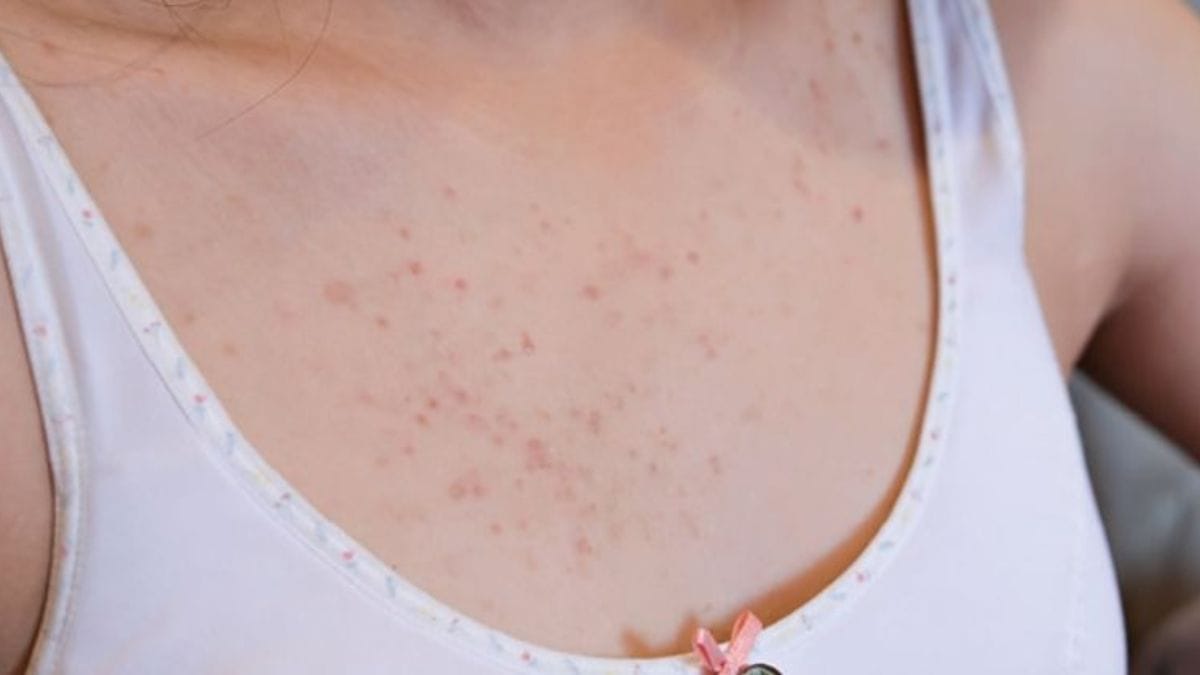
Chest acne affects many people at different stages of life. It appears as pimples, whiteheads, or red bumps on the chest area. Sometimes it feels painful or itchy. This condition can make you feel uncomfortable, especially when you wear certain clothes or go out in public.
Many factors can trigger chest acne. Your body produces excess oil, sweat builds up on your skin, and dead skin cells block your pores. Tight clothing, stress, and hormonal changes also increase the risk. If you ignore it, chest acne can become worse and may leave marks or scars on your skin.
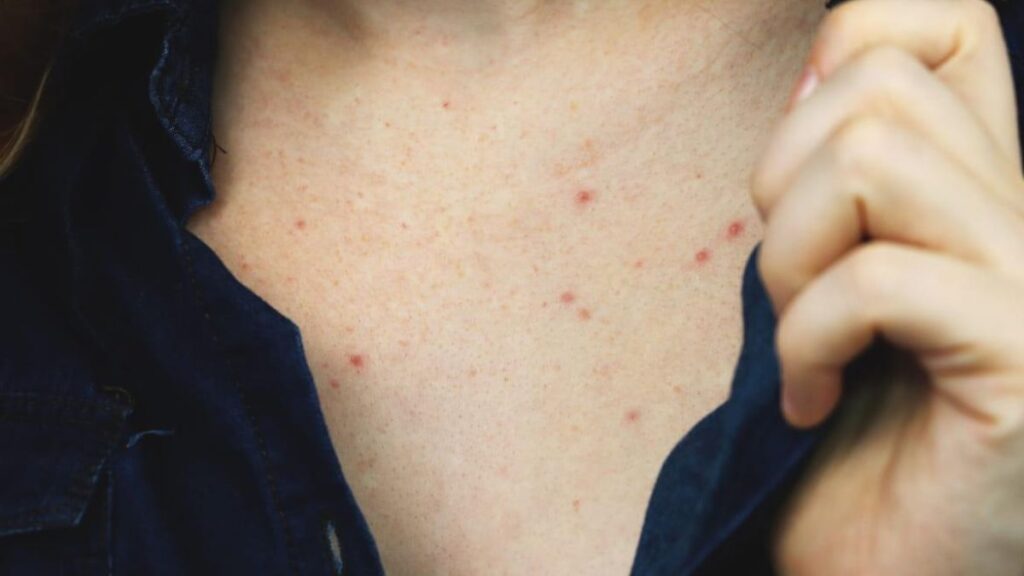
In this complete guide, you will learn everything about chest acne. You will understand its causes, explore effective treatments, and discover simple ways to prevent it. With the right care and routine, you can improve your skin and feel more confident.
What Is Chest Acne and Why It Happens
Chest acne forms when pores get blocked with oil, sweat, and dead skin cells. The chest area has many oil glands. These glands produce sebum. When sebum mixes with dirt and bacteria, it blocks the pores. This leads to acne.
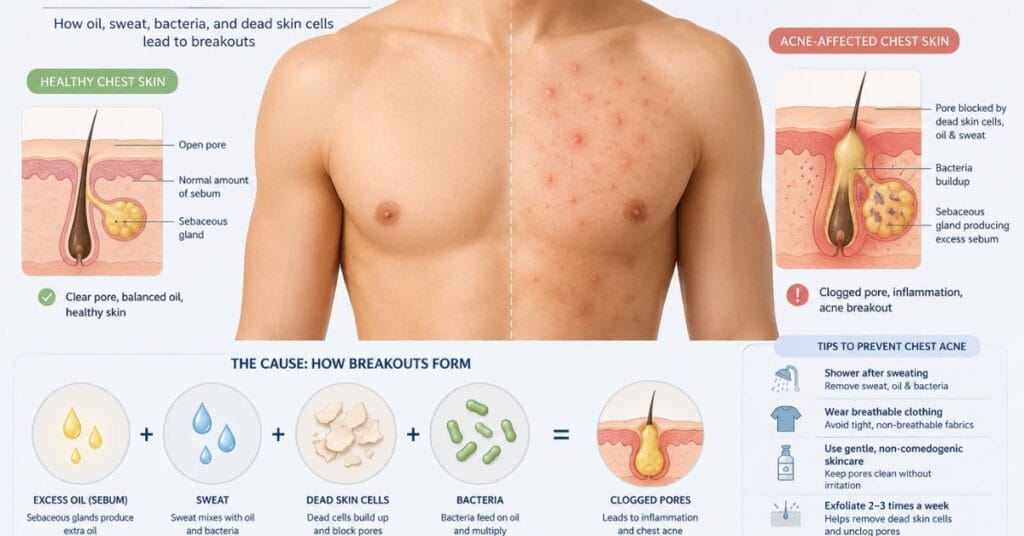
Many people ignore chest acne at first. But if you do not treat it, it can get worse. It may turn into painful cysts or leave marks on the skin.
Your lifestyle also plays a big role. Tight clothes, sweating, and poor hygiene can increase chest acne. Hormones also affect your skin. When hormone levels change, your body produces more oil. This increases the risk of breakouts.
You should treat chest acne early. This helps you avoid scars and dark spots. A proper skincare routine can help you control it.
Main Causes
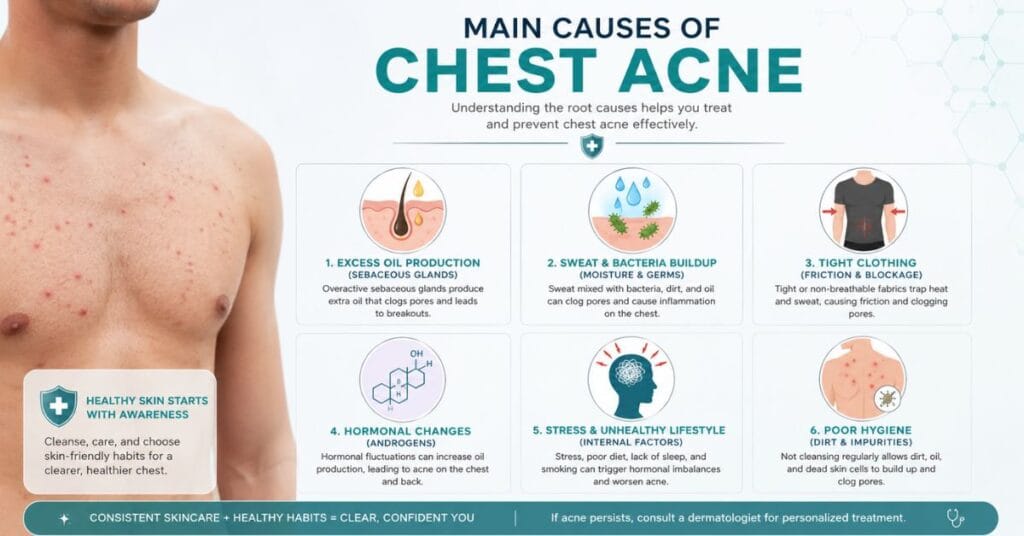
- Excess oil production in skin
- Sweat and bacteria buildup
- Wearing tight clothes
- Hormonal changes
- Stress and unhealthy lifestyle
- Poor hygiene habits
Common Types of Chest Acne You Should Know
Not all chest acne looks the same. Different types need different treatments. You should understand the type before choosing a solution.
Whiteheads and blackheads are mild forms. They form when pores get clogged but stay close to the skin surface. Red pimples are inflamed and may feel painful. Cystic acne is the most severe type. It forms deep under the skin and can cause scars.
Some people also confuse chest acne with fungal acne. Fungal acne causes small itchy bumps. It needs different treatment than regular acne.
Knowing your acne type helps you choose the right products. It also saves time and prevents skin damage.
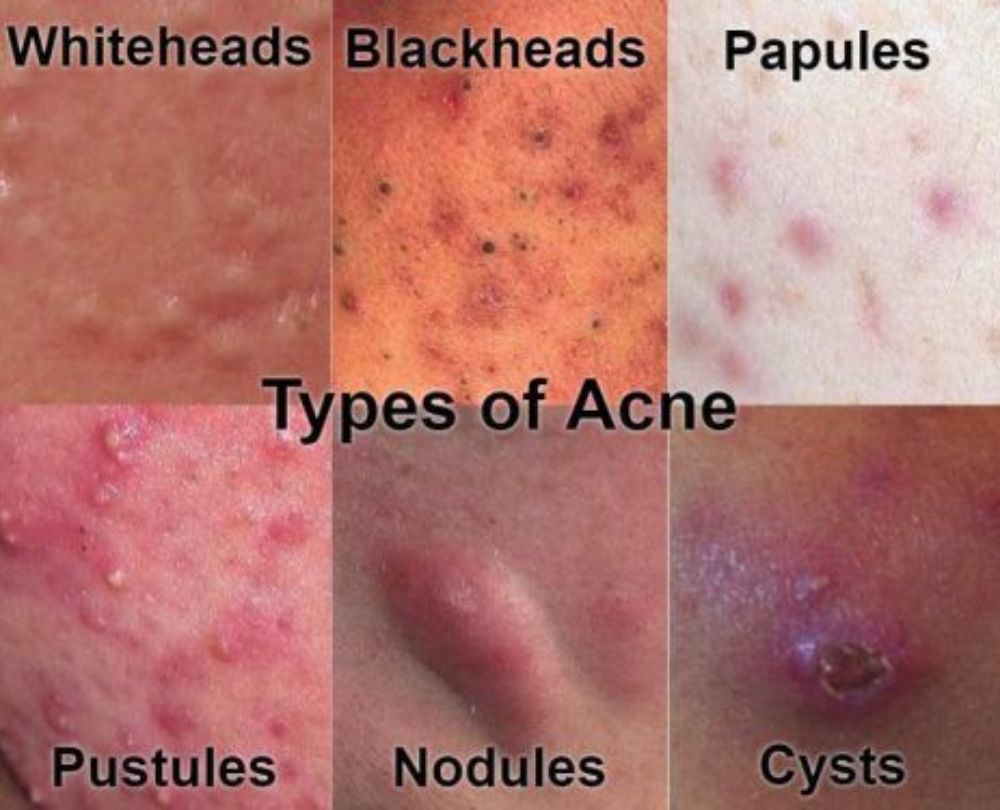
Types of Acne
- Whiteheads (closed pores)
- Blackheads (open clogged pores)
- Papules (small red bumps)
- Pustules (pimples with pus)
- Cystic acne (deep and painful)
- Fungal acne (itchy bumps)
Chest Acne Causes You Must Understand
Many factors cause chest acne. Some are related to your body. Others come from your daily habits.
Hormones are the biggest cause. Teenagers and adults both face hormonal changes. These changes increase oil production. This leads to clogged pores.
Sweat also plays a major role. When sweat stays on your skin for a long time, it mixes with bacteria. This blocks pores and causes acne.
Diet also affects your skin. Eating too much oily or sugary food can trigger acne. Dairy products may also increase breakouts in some people.
Stress is another hidden reason. It increases cortisol levels. This hormone triggers more oil production.
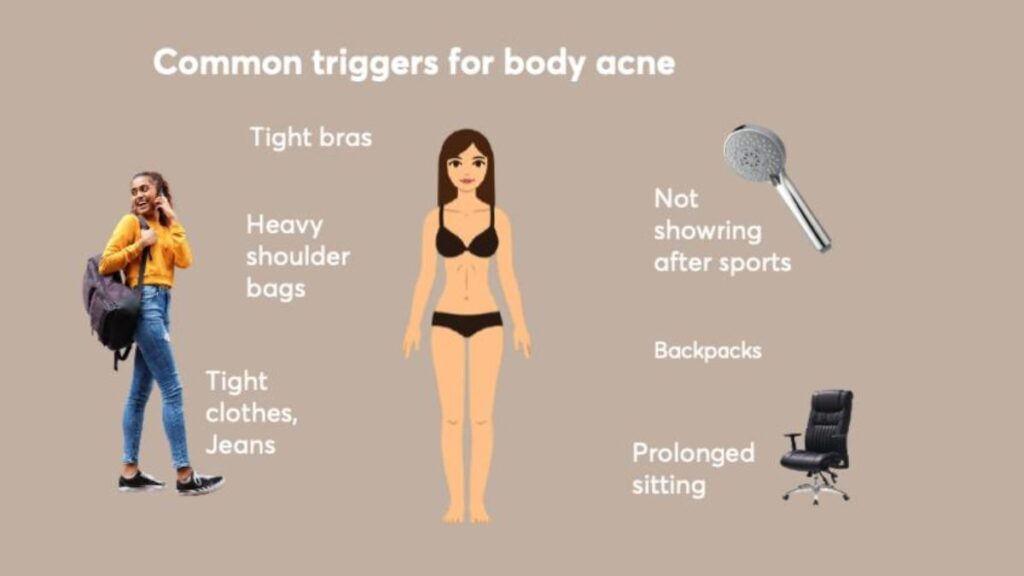
Key Causes
- Hormonal imbalance
- Excess sweating
- Oily and sugary diet
- Stress and anxiety
- Dirty clothes or towels
- Heavy skincare products
Best Acne Treatment Options That Work
You can treat chest acne with the right products and habits. Mild acne can improve with over-the-counter treatments. Severe acne may need a doctor’s help.
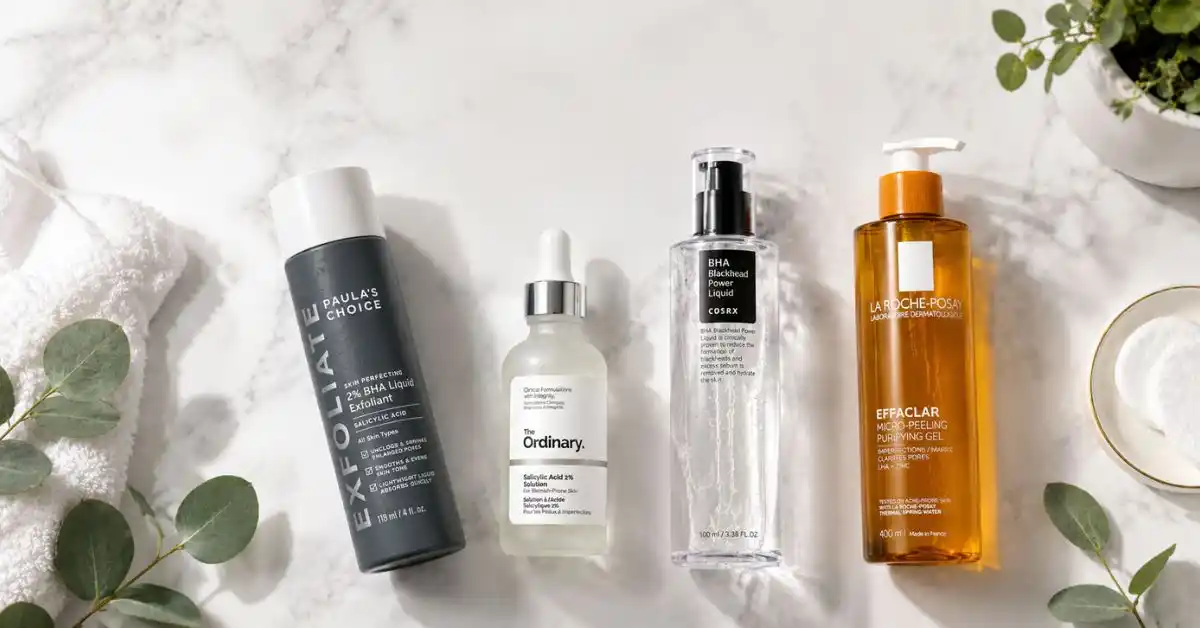
Products with salicylic acid help clean pores. Benzoyl peroxide kills bacteria. These ingredients work well for most people.
You should wash your chest daily with a gentle cleanser. Avoid harsh scrubs. They can irritate your skin.
If your acne does not improve, visit a dermatologist. They may suggest stronger treatments like antibiotics or creams.
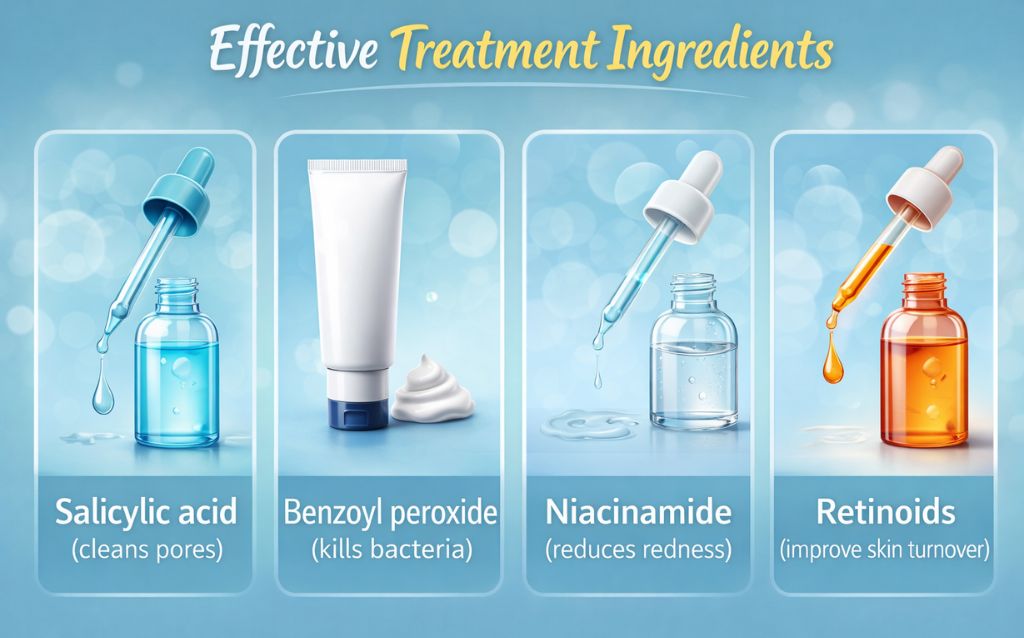
Effective Treatment Ingredients
- Salicylic acid (cleans pores)
- Benzoyl peroxide (kills bacteria)
- Niacinamide (reduces redness)
- Retinoids (improve skin turnover)
Daily Skincare Routine for Chest Acne
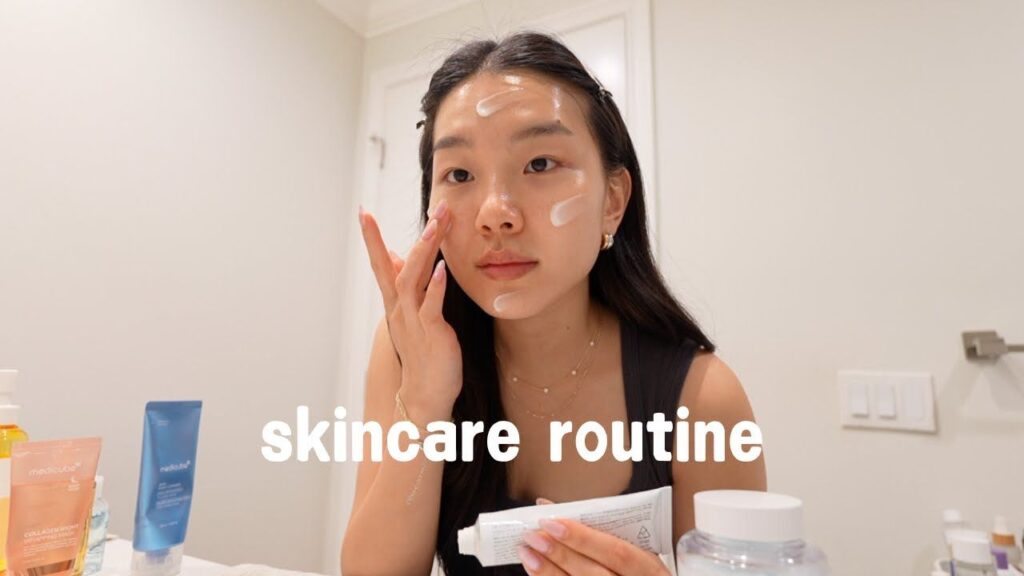
A simple routine can control chest acne. You do not need expensive products. You just need consistency.
Start your day with a gentle cleanser. After sweating, clean your chest quickly. This removes bacteria and oil.
Use lightweight and non-comedogenic products. These do not block pores. Always wear clean clothes.
At night, wash your chest again. Apply acne treatment if needed. Keep your skin clean and dry.
Simple Routine Steps
- Clean your chest twice daily
- Shower after sweating
- Use oil-free products
- Wear loose cotton clothes
- Avoid touching or picking acne
Best Home Remedies for Chest Acne
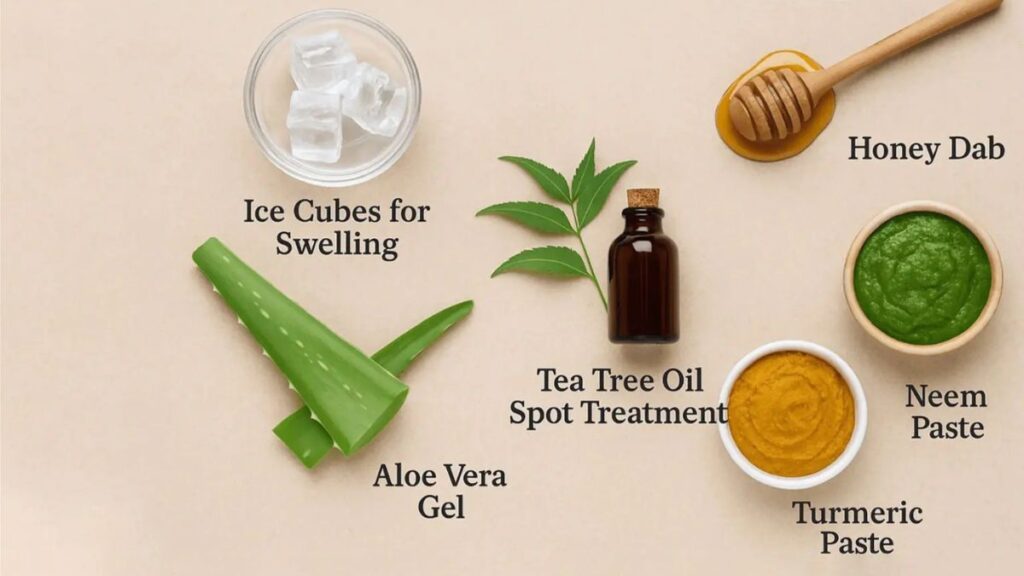
Some home remedies can help reduce chest acne. They work best for mild cases.
Aloe vera soothes the skin. Tea tree oil kills bacteria. Honey has natural healing properties.
You should test any remedy before use. Some natural ingredients may irritate sensitive skin.
Home remedies take time. You need patience and regular use.
Natural Remedies
- Aloe vera gel
- Tea tree oil (diluted)
- Honey mask
- Apple cider vinegar (diluted)
- Turmeric paste
Foods That Help Reduce Chest Acne
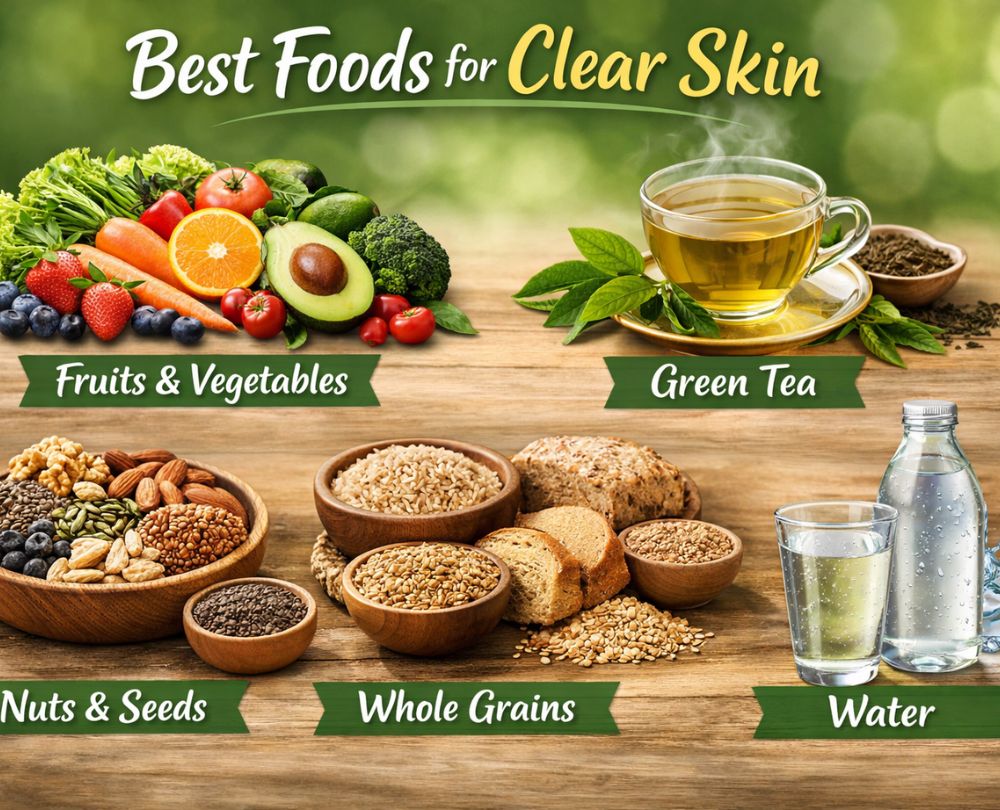
Your diet affects your skin more than you think. Healthy food helps reduce acne. Junk food makes it worse.
Drink plenty of water. It helps flush toxins from your body. Eat fresh fruits and vegetables.
Avoid sugary drinks and fried food. Reduce dairy intake if it triggers acne.
Best Foods for Clear Skin
- Fruits and vegetables
- Green tea
- Nuts and seeds
- Whole grains
- Water
Acne Prevention Tips You Should Follow
Prevention is always better than treatment. You can avoid chest acne by following simple habits.
Keep your skin clean. Avoid tight clothing. Wash your workout clothes regularly.
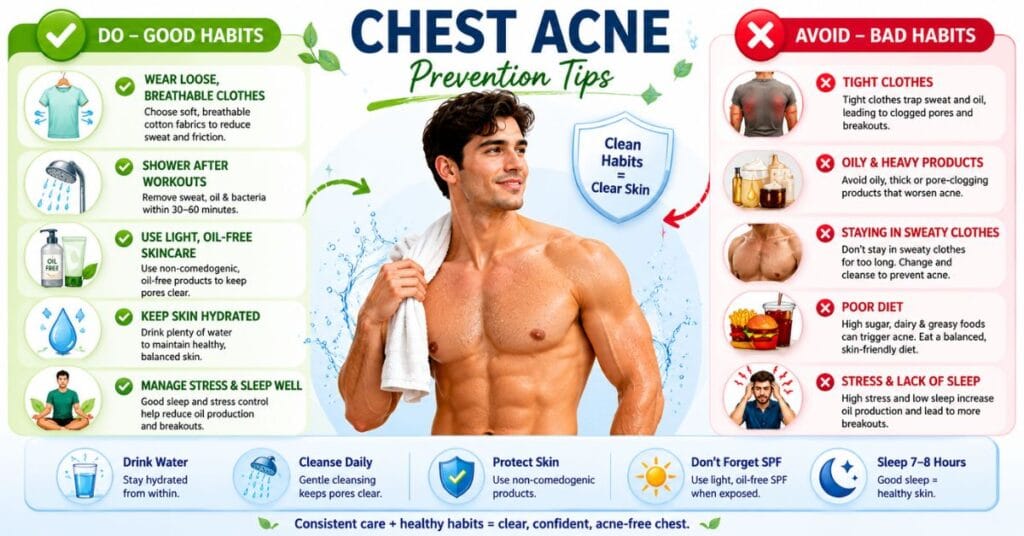
Do not use heavy creams on your chest. Choose light and breathable products.
Stay hydrated and manage stress. These small steps make a big difference.
Prevention Tips
- Wear loose clothes
- Shower after workouts
- Avoid oily products
- Keep skin dry
- Maintain healthy lifestyle
Chest Acne vs Back Acne: Key Differences
| Feature | Chest Acne | Back Acne | |
| Treatment | Gentle products | Strong treatments | |
| Common cause | Hormones +clothes | Sweat+ oil buildup | |
| Sweat level | Moderate | High | |
| Skin type | More sensitive | Thicker skin |
When to See a Doctor
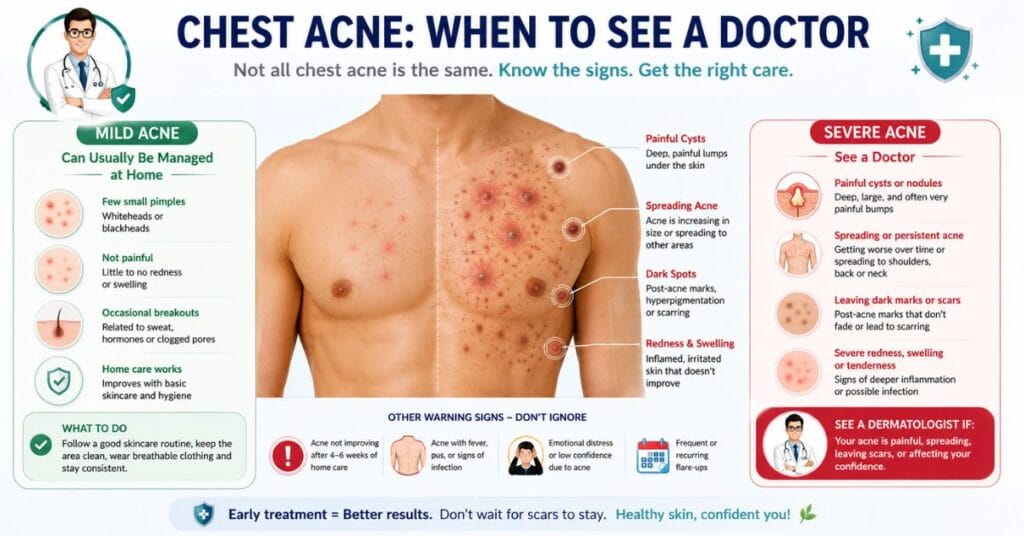
Sometimes home treatments do not work. In that case, you should see a doctor.
Severe acne can cause scars. Painful cysts need medical treatment. If acne spreads fast, do not ignore it.
A dermatologist can give proper treatment. They help you avoid long-term skin damage.
Signs You Need Help
- Painful cystic acne
- Acne not improving
- Dark spots or scars
- Severe redness
FAQs
1. What causes chest acne the most?
Hormones, sweat, and clogged pores cause chest acne.
2. How can I remove chest acne fast?
Use salicylic acid or benzoyl peroxide and keep your skin clean.
3. Is chest acne normal?
Yes, many people experience chest acne at some point.
4. Can diet affect chest acne?
Yes, sugary and oily foods can increase breakouts.
5. Does sweating cause chest acne?
Yes, sweat mixed with bacteria can clog pores.
6. Can I use face products on chest acne?
Yes, but choose products suitable for body skin.
Conclusion
Chest acne may feel frustrating, but you can manage it with the right approach. You should keep your skin clean, follow a simple skincare routine, and use the right products. Small lifestyle changes can also make a big difference.
If you take action early, you can prevent severe breakouts and avoid scars. Stay consistent with your routine and choose healthy habits. With time and care, you can achieve clear and healthy skin.

Leave a Reply