
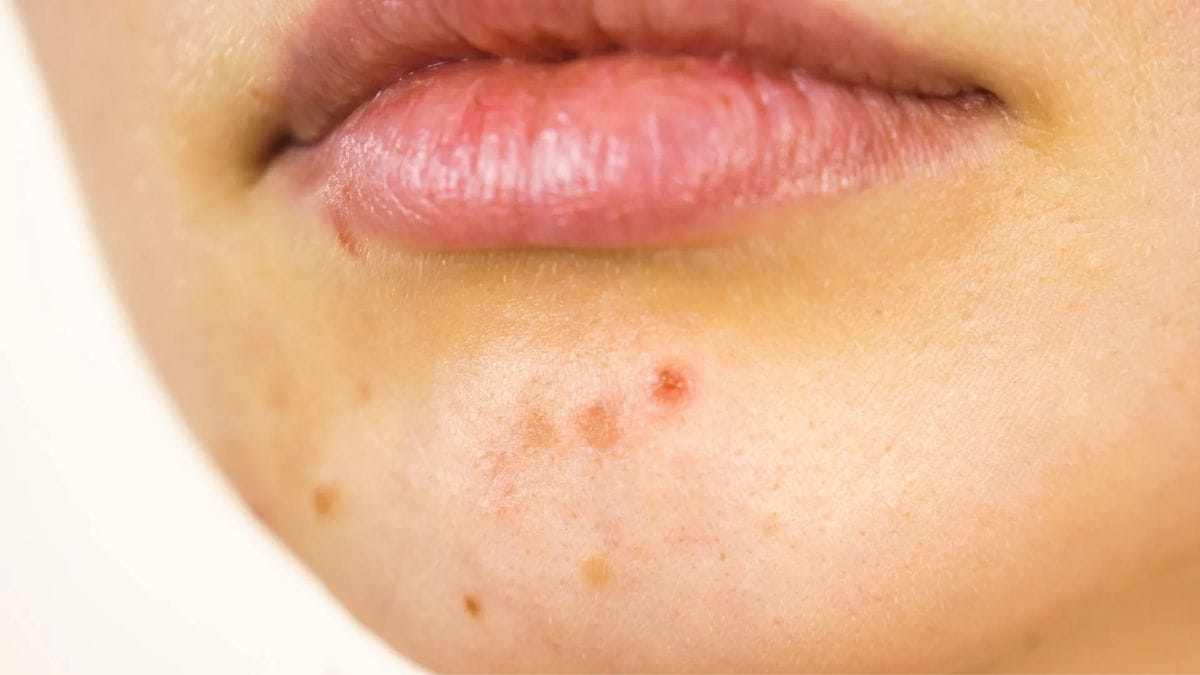
Acne on chin is one of the most common skin problems that affects both teenagers and adults. It usually appears as small pimples, painful bumps, or deep cysts around the chin and jawline area. Many people feel frustrated because chin breakouts often keep coming back even after basic skincare.
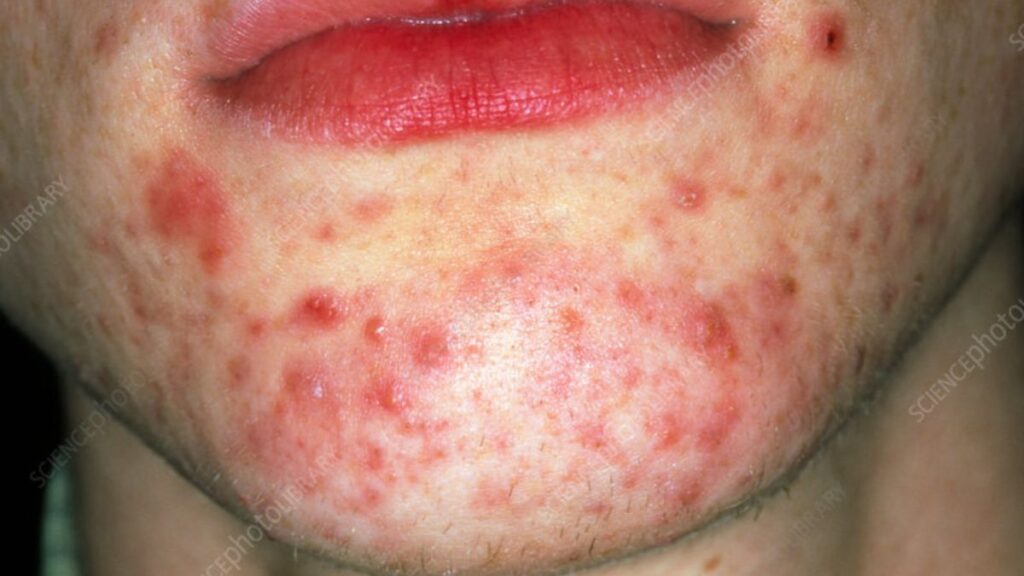
The main reason behind acne on chin is usually linked with hormones, lifestyle, and skincare habits. The good news is that it can be controlled and reduced with the right routine and treatment. In this article, you will learn everything about chin acne, including its causes, treatments, home remedies, and even a clear before-and-after understanding of how your skin can improve over time.
What is Acne on Chin?
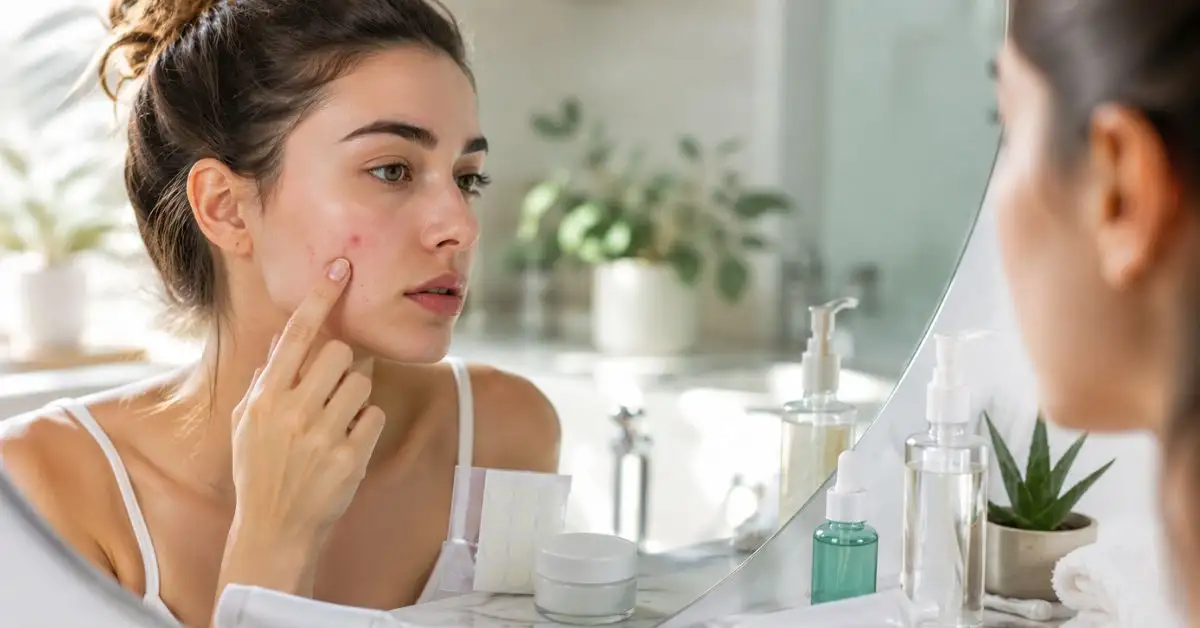
Acne on chin refers to pimples, blackheads, whiteheads, or cystic acne that appears specifically on the chin and jawline area. Unlike forehead acne, chin breakouts are often deeper and more painful.
This type of acne is commonly connected to hormonal changes in the body. That is why many people notice it during puberty, menstrual cycles, stress periods, or hormonal imbalance.
Chin acne can be mild (small pimples) or severe (painful cysts that take time to heal).
Causes of Acne on Chin
There are several reasons why acne appears on the chin. Understanding the cause is the first step to treating it properly.
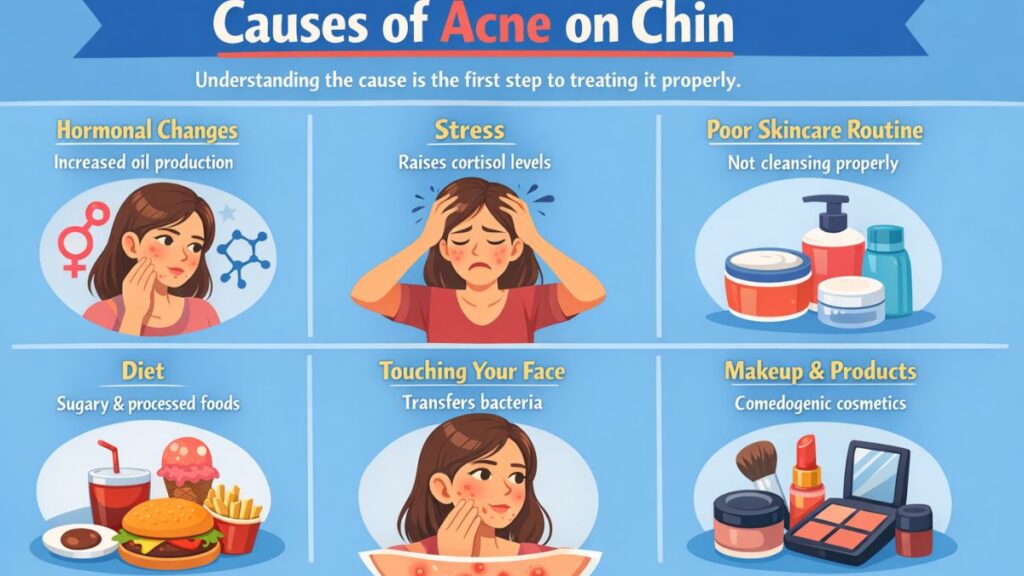
1. Hormonal Changes
Hormones are the biggest cause of chin acne. When hormone levels increase, the skin produces more oil (sebum), which clogs pores and leads to breakouts.
2. Stress
Stress increases cortisol hormone in the body, which can trigger more oil production and worsen acne on chin.
3. Poor Skincare Routine
Not washing your face properly or using heavy oily products can block pores and cause pimples.
4. Diet
Foods high in sugar, dairy, and processed items may increase acne in some people.
5. Touching Your Face
Frequently touching your chin transfers bacteria and dirt, which can lead to breakouts.
6. Makeup and Products
Using low-quality or comedogenic makeup can clog pores and cause acne flare-ups.
Who Gets Acne on Chin?
Acne on chin can affect anyone, but it is more common in:
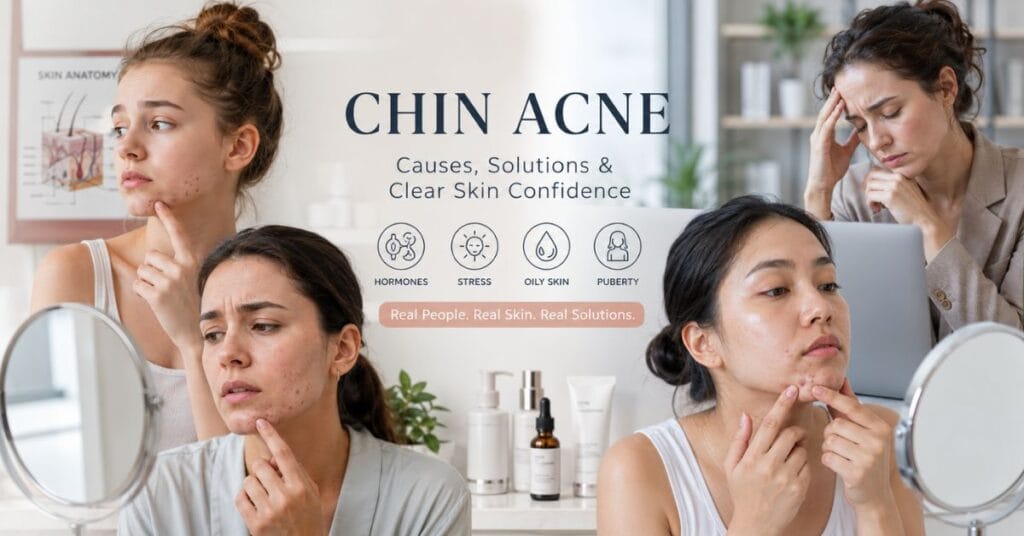
- Teenagers going through puberty
- Women during menstrual cycles
- Adults with hormonal imbalance
- People with oily skin
- Individuals under high stress
It is also common in people who wear masks for long hours, as friction can irritate the skin.
Types and Symptoms of Chin Acne
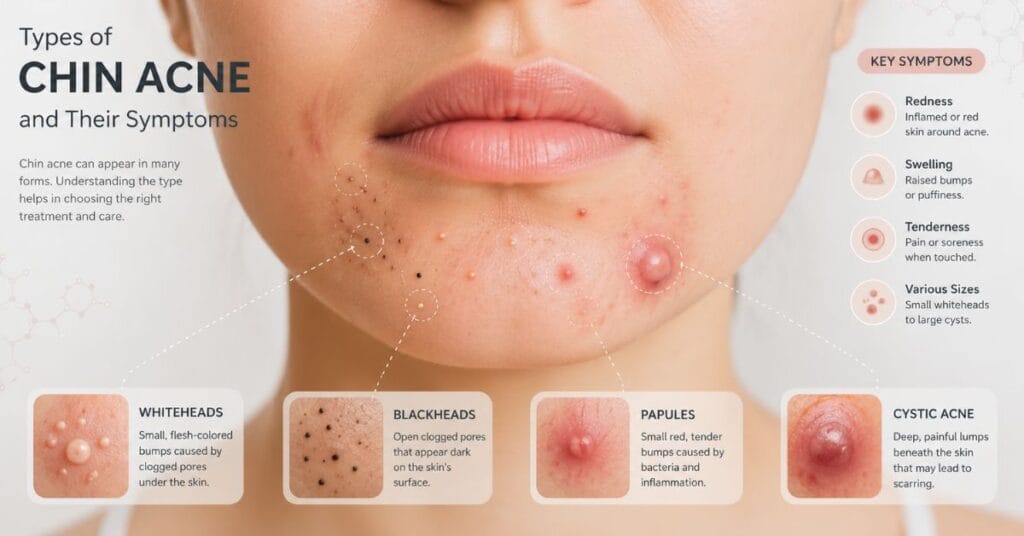
Chin acne can appear in different forms:
1. Whiteheads
Small white bumps caused by clogged pores.
2. Blackheads
Open pores filled with oil and dirt that turn black.
3. Papules
Small red, inflamed bumps that may feel tender.
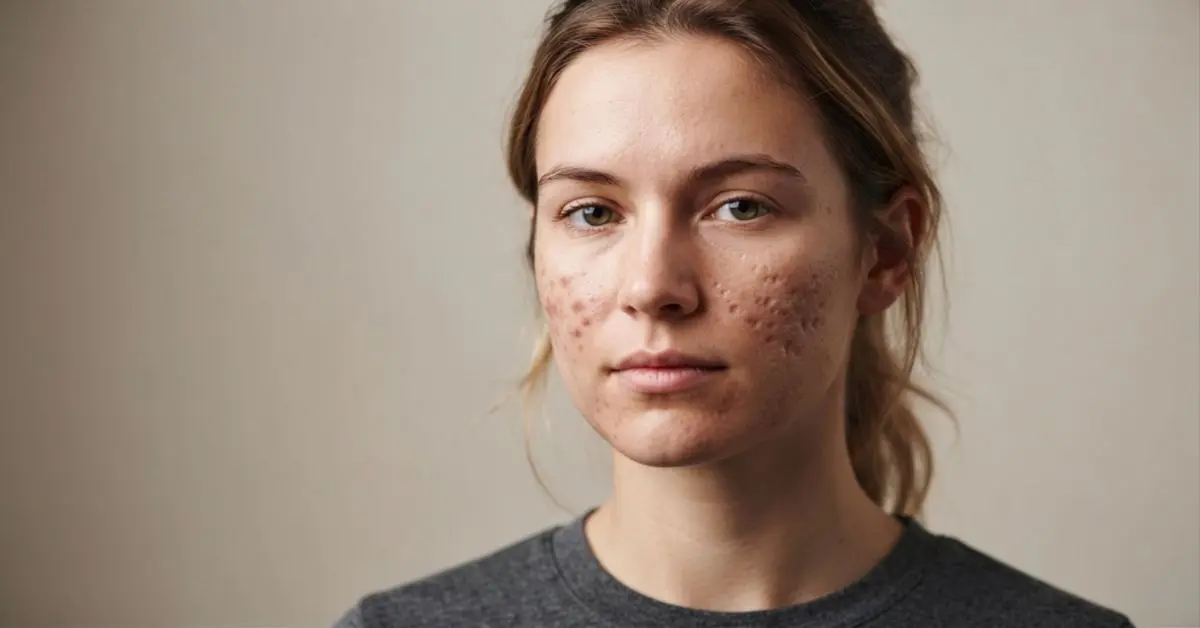
4. Cystic Acne
Large, painful bumps deep under the skin that take longer to heal.
Common symptoms include:
- Redness around chin
- Pain or tenderness
- Swelling
- Small or large bumps
Treatment for Acne on Chin
The treatment depends on how severe the acne is.
1. Over-the-Counter Products
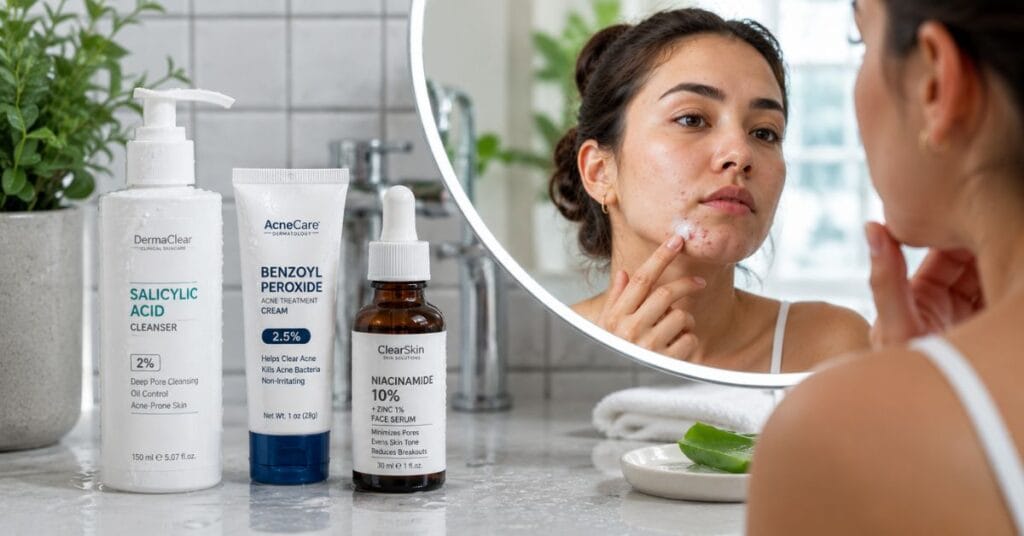
Use products containing:
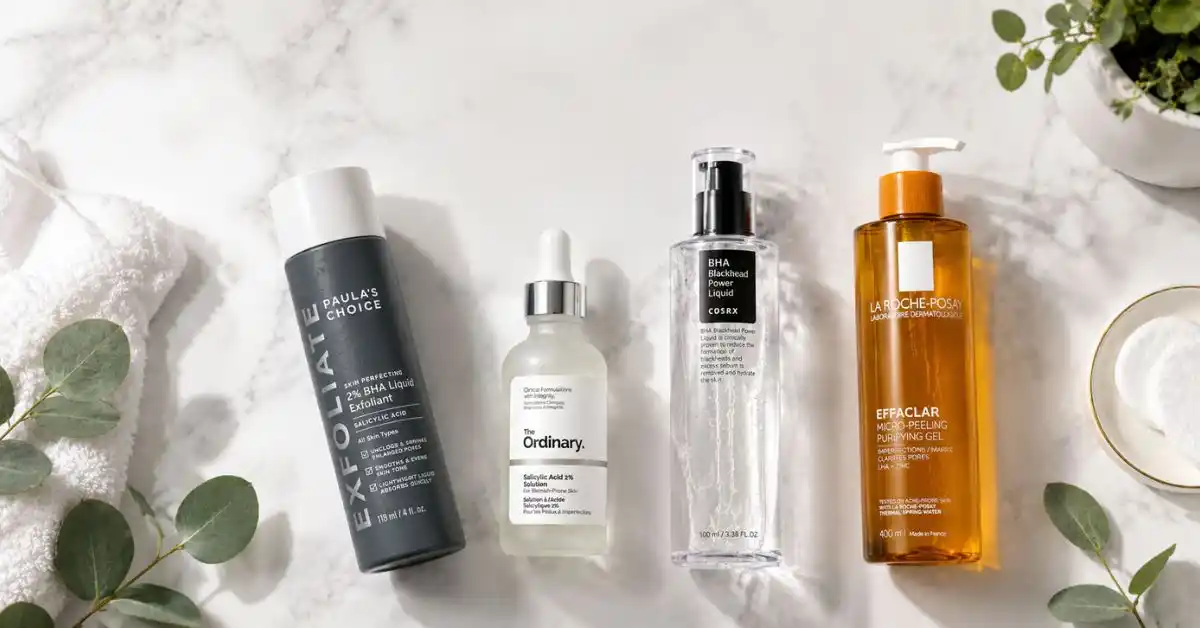
- Salicylic acid (cleans pores)
- Benzoyl peroxide (kills bacteria)
- Niacinamide (reduces inflammation)
2. Prescription Treatment
For severe acne on chin, a dermatologist may prescribe:
- Antibiotics
- Hormonal pills (for women)
- Retinoids
3. Lifestyle Changes

- Drink plenty of water
- Eat healthy food
- Reduce sugar and dairy intake
- Sleep 7–8 hours daily
Home Remedies for Acne on Chin
1. Aloe Vera
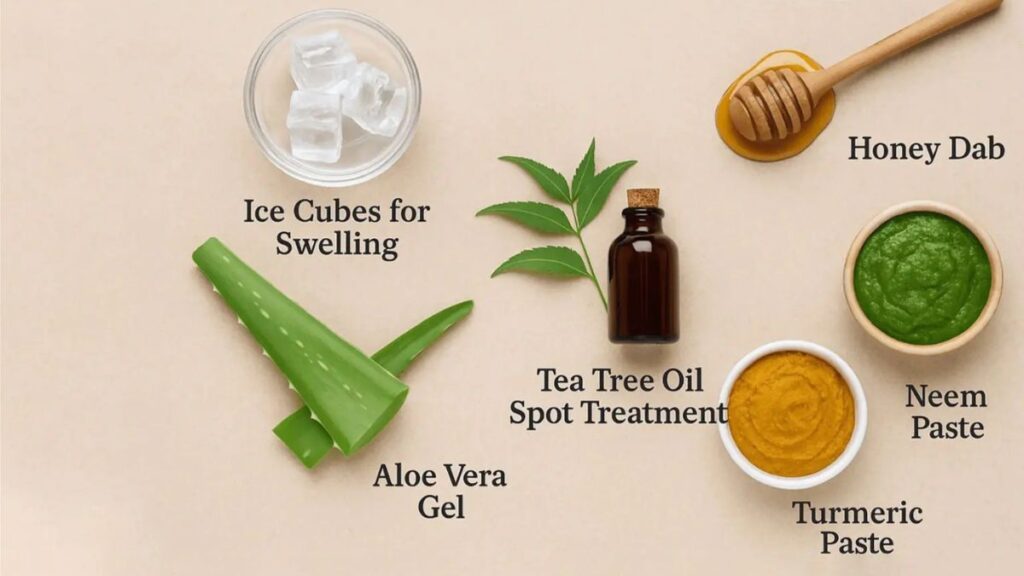
Aloe vera reduces redness and soothes inflamed skin.
2. Honey
Honey has natural antibacterial properties that help fight acne.
3. Tea Tree Oil
Diluted tea tree oil can reduce bacteria and dryness.
4. Green Tea
Applying cooled green tea can calm the skin and reduce oil production.
5. Ice Compress
Ice helps reduce swelling and pain in inflamed pimples.
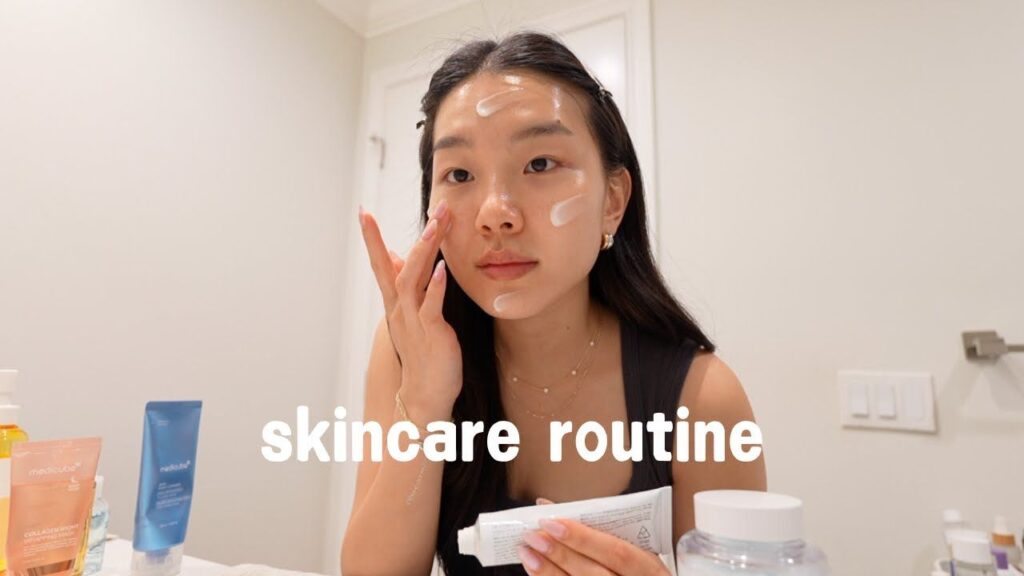
Skincare Routine for Acne on Chin
A proper routine is very important for long-term results.
Morning Routine:
- Gentle face wash
- Oil-free moisturizer
- Sunscreen (non-comedogenic)
Night Routine:
- Cleanser to remove dirt
- Treatment serum (salicylic acid or niacinamide)
- Light moisturizer
Important Tips:
- Wash face twice daily
- Do not over-scrub skin
- Always remove makeup before sleeping
Before and After Results
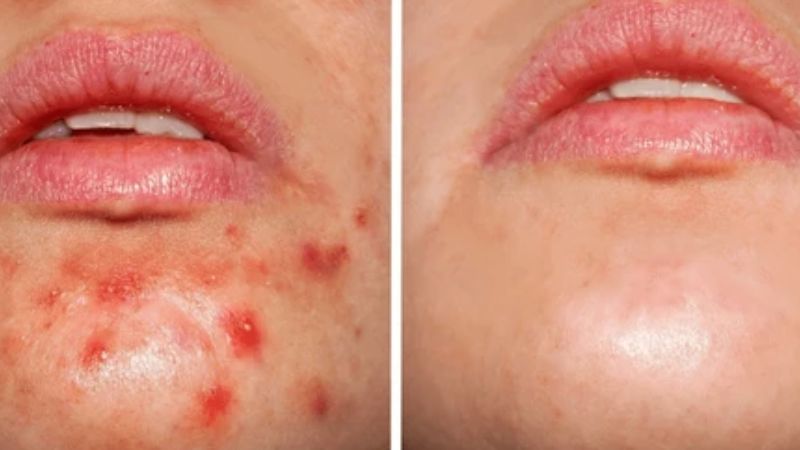
Before Treatment
Before improving your routine, acne on chin may look like:
- Frequent breakouts
- Red, painful bumps
- Oily skin
- Dark spots after healing
This phase can affect confidence and make skin look uneven.
After Proper Care
After 3–8 weeks of consistent treatment:
- Fewer active pimples
- Smoother skin texture
- Reduced redness
- Clearer and healthier chin area
- Less oil production
Results are not instant, but with consistency, skin improves significantly over time.
What to Avoid
To prevent worsening acne on chin, avoid these mistakes:
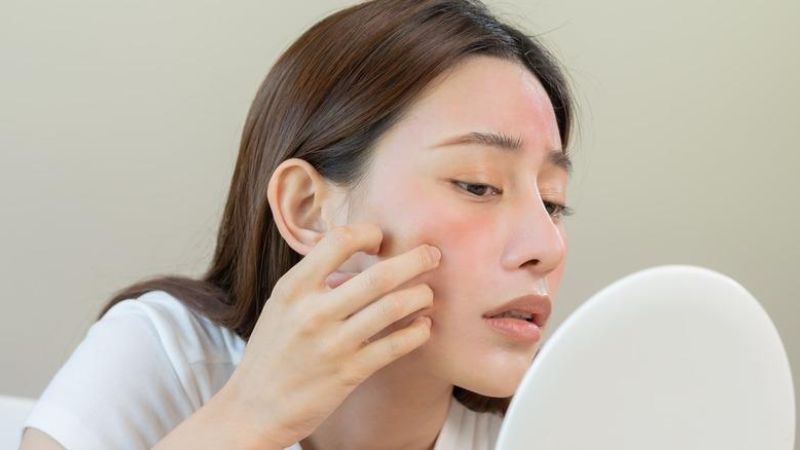
- Do not pop pimples
- Avoid touching your face often
- Do not use harsh scrubs
- Avoid heavy oily creams
- Do not skip skincare routine
- Avoid junk food in excess
(FAQ)
1. Why do I keep getting acne on my chin?
It is usually caused by hormones, stress, or clogged pores. Lifestyle and skincare habits also play a role.
2. How long does chin acne take to heal?
Mild acne can improve in 2–4 weeks, while severe acne may take a few months.
3. Can diet cause acne on chin?
Yes, high sugar and dairy intake can trigger breakouts in some people.
4. Is chin acne hormonal?
Most of the time, yes. Hormonal changes are a major cause of chin breakouts.
5. Can I remove acne on chin permanently?
It can be controlled and reduced, but maintenance skincare is important to prevent it from returning.
6. How long does acne on chin take to heal?
Mild acne may heal in 1–2 weeks, while severe acne can take longer.
7. Should I pop acne on chin?
No, popping pimples can cause scars and worsen the infection.
Conclusion
Acne on chin is a common but treatable skin condition. It mainly occurs due to hormones, stress, poor skincare, and lifestyle habits. With the right routine, healthy diet, and consistent care, you can significantly reduce breakouts and improve your skin health.
Remember, results take time. A proper skincare routine, patience, and healthy lifestyle are the keys to achieving clear and smooth skin on the chin area.


Leave a Reply