

Forehead breakouts can be frustrating, especially when small bumps or pimples keep appearing in the same area. You may wonder, what do breakouts on forehead mean and whether they are caused by your skincare routine, hair products, hormones, or something else.
The good news is that forehead acne is common and usually has several possible triggers. If you are wondering what do breakouts on forehead mean, the answer can vary depending on your skin, daily habits, and the products you use. The forehead can produce plenty of oil, while sweat, dead skin cells, hair products, and friction may also contribute to clogged pores. Understanding the possible cause can make it easier to choose the right skincare approach.
What Do Breakouts on Forehead Mean?
“If you are wondering what do breakouts on forehead mean, several everyday factors can contribute to them.
However, the location of a breakout does not tell you exactly what is happening inside a specific organ or part of your body. Popular “face mapping” claims often connect forehead acne with internal organs, but these claims are not a reliable way to diagnose a health problem.
Instead, look at your daily habits, skincare products, hair products, and the type of bumps you are experiencing.
Common Causes of Forehead Breakouts
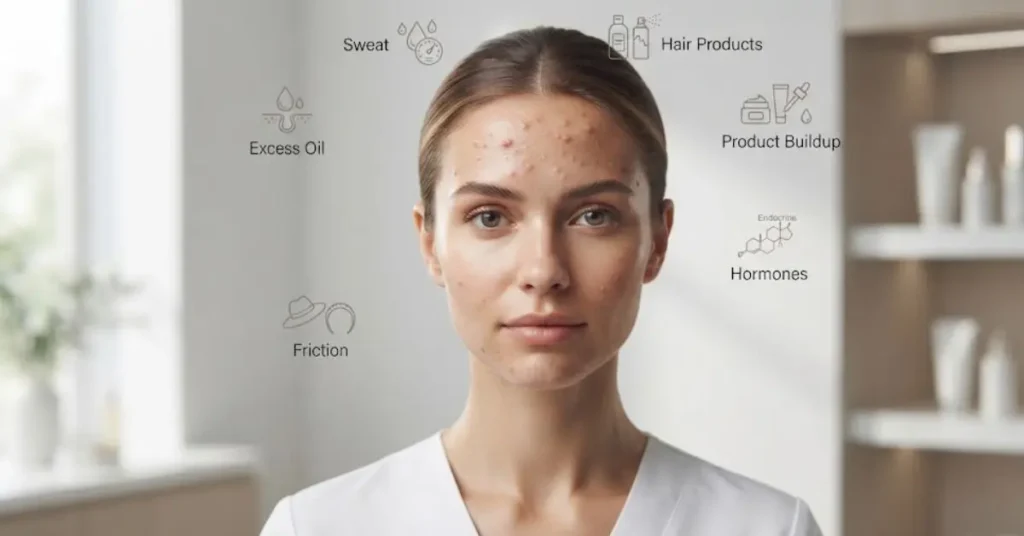
1. Excess Oil and Clogged Pores
The forehead is part of the T-zone, which often produces more oil than other areas of the face. When excess sebum combines with dead skin cells, pores can become blocked.
Blocked pores may appear as:
- Blackheads
- Whiteheads
- Small bumps
- Pimples
Using a gentle cleanser can help remove excess oil without unnecessarily drying the skin.
2. Sweat and Humidity
Sweating does not directly cause acne, but leaving sweat, oil, and dirt on the skin for long periods may contribute to clogged pores and irritation.
This can be especially noticeable after exercise or spending time in hot, humid weather.
Try to gently cleanse your face after heavy sweating rather than scrubbing the skin aggressively.
3. Hair Products
Hair oils, pomades, styling creams, conditioners, and other products can sometimes come into contact with the forehead.
If a product is heavy or pore-clogging, it may contribute to small bumps around the hairline and forehead.
If your breakouts are concentrated near the hairline, consider whether your hair products could be part of the problem.
4. Skincare Product Buildup
A skincare product does not have to be “bad” to cause problems. Some rich creams, makeup products, or sunscreens may feel too heavy for certain acne-prone skin types.
Look for products labeled non-comedogenic when possible, especially if your skin becomes clogged easily.
5. Hormonal Changes
Hormonal fluctuations can increase oil production and contribute to acne in some people. Breakouts may become more noticeable during certain stages of the menstrual cycle or other periods of hormonal change.
Hormones are only one possible cause, though. Forehead acne should not automatically be considered hormonal.
6. Friction and Occlusion
Hats, helmets, headbands, and other items that repeatedly touch the forehead can trap sweat and create friction.
This may irritate the skin and make existing breakouts worse, particularly when the area remains warm and covered for long periods.
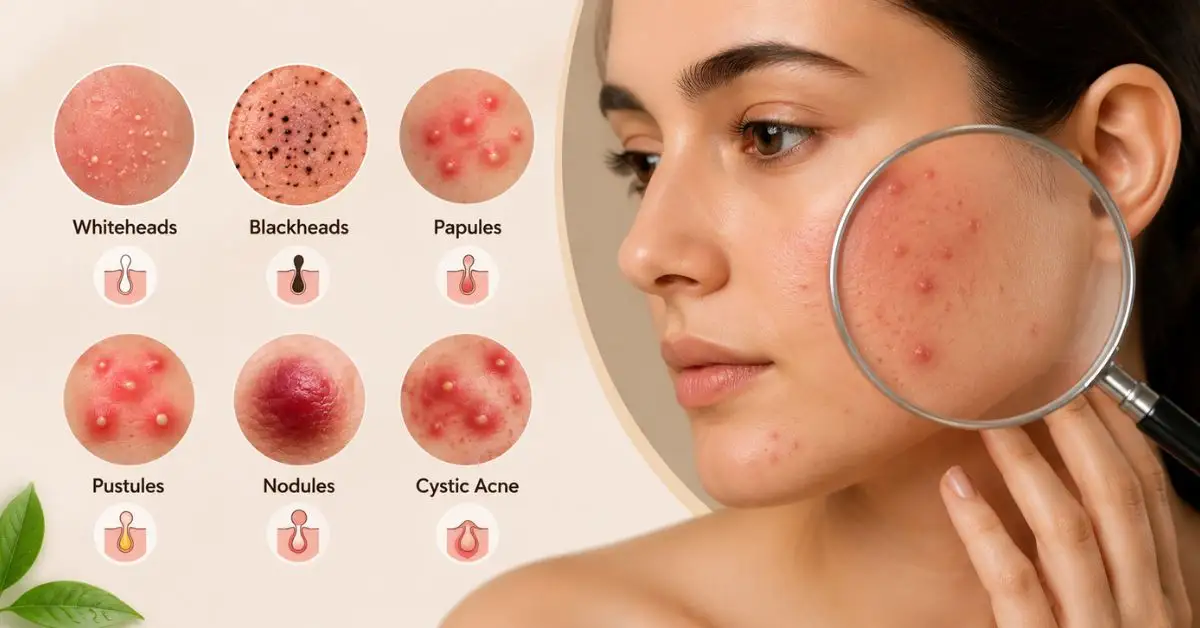
What Type of Forehead Breakout Do You Have?
Different bumps can have different appearances and triggers.
| Type of breakout | What it may look like | Common feature |
|---|---|---|
| Whiteheads | Small white or skin-colored bumps | Closed clogged pores |
| Blackheads | Small dark spots | Open clogged pores |
| Papules | Small red raised bumps | Inflammation |
| Pustules | Red bumps with a white center | Contains visible pus |
| Tiny uniform bumps | Many similar small bumps | May have causes other than typical acne |
If you are unsure what the bumps are, you may wonder what do breakouts on forehead mean and whether they are actually acne. Not every forehead bump is caused by acne, so avoid assuming the cause without looking at other signs. Persistent or unusual bumps may need professional evaluation.
How to Get Rid of Forehead Breakouts

“Understanding what do breakouts on forehead mean can also help you identify your personal triggers.”
Start with gentle cleansing
Wash your face with a gentle cleanser that removes excess oil and dirt without leaving your skin extremely tight or dry.
Consider acne-fighting ingredients
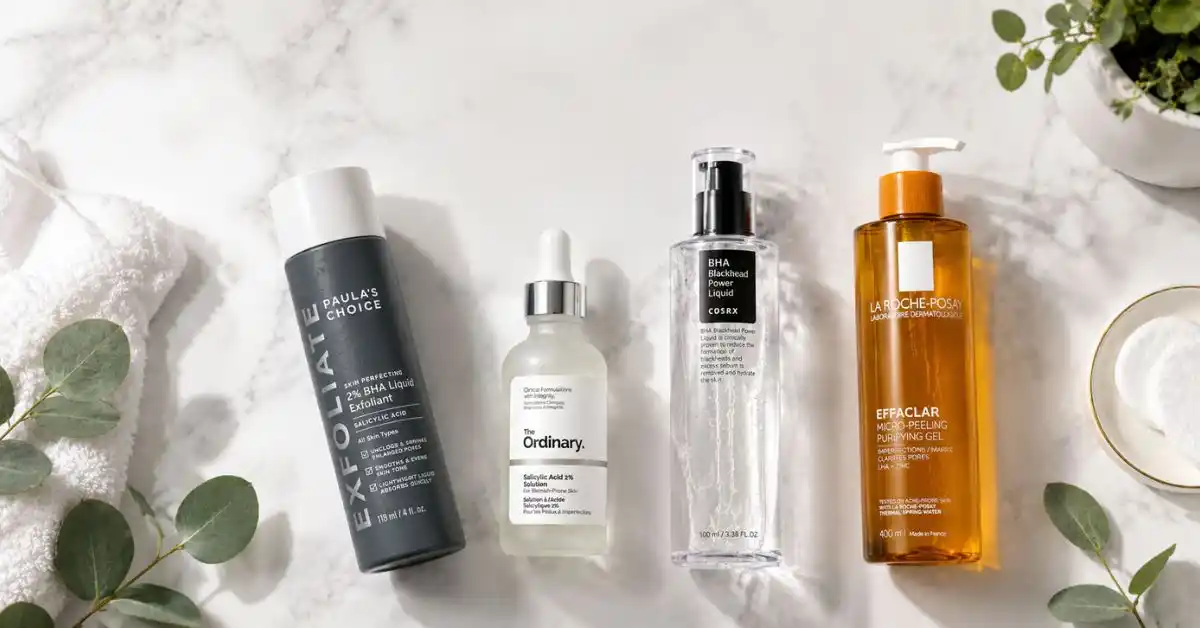
Depending on your skin and the type of acne, ingredients such as salicylic acid, benzoyl peroxide, or azelaic acid may be useful.
- Salicylic acid: Helps exfoliate inside pores and can be useful for clogged pores.
- Benzoyl peroxide: Helps reduce acne-causing bacteria and inflammation.
- Azelaic acid: Can help with acne and post-acne discoloration.
Introduce one active ingredient at a time instead of starting several treatments together.
Keep hair products away from your forehead
Try to prevent hair oils and styling products from sitting on the forehead. If you notice that breakouts occur around your hairline, this is especially worth checking.
Avoid picking
Squeezing or picking pimples can increase inflammation and may leave dark marks or scars.
When Should You See a Dermatologist?
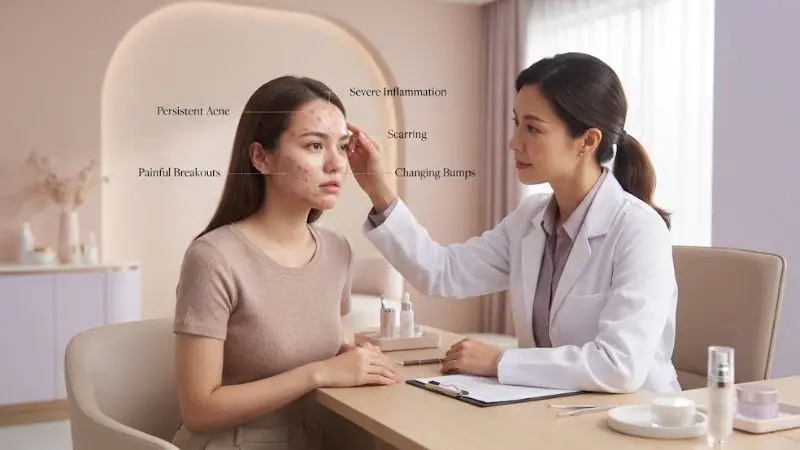
Forehead acne can often be managed with a consistent skincare routine, but professional advice may be helpful if:
- Breakouts are painful or deep.
- Acne keeps returning despite consistent care.
- You are developing scars.
- The skin is becoming very inflamed.
- The bumps are spreading or changing.
- You are not sure whether the bumps are actually acne.
A dermatologist can help identify the type of breakout and recommend treatment based on your skin.
How to Prevent Future Forehead Breakouts

Once you identify your possible triggers, prevention becomes easier.
Try these simple habits:
- Wash your face gently and consistently.
- Clean your skin after heavy sweating.
- Keep hair products away from the forehead.
- Choose non-comedogenic skincare and makeup when possible.
- Avoid repeatedly touching your face.
- Clean items that frequently touch your forehead, such as hats and headbands.
- Do not pick or squeeze pimples.
- Introduce new skincare products gradually.
You do not need an extremely complicated routine. Consistency is often more useful than constantly changing products.
Frequently Asked Questions
1. What do breakouts on forehead mean?
They commonly indicate clogged pores, excess oil, sweat, product buildup, irritation, or other acne triggers. The exact cause can vary from person to person.
2. Can hair products cause forehead acne?
Yes. Heavy oils, styling products, and some conditioners can come into contact with the forehead and may contribute to clogged pores.
3. Is forehead acne always caused by hormones?
No. Hormonal changes can contribute to acne, but forehead breakouts can also result from oil, sweat, skincare products, hair products, and friction.
4. Should I pop forehead pimples?
It is better to avoid popping them. Picking can increase inflammation and may increase the risk of dark marks and scarring.
5. What ingredient is good for clogged forehead pores?
Salicylic acid is commonly used for clogged pores because it can help remove excess oil and dead skin cells from within pores.
6. When should I see a dermatologist for forehead acne?
Consider seeing a dermatologist if your acne is painful, persistent, severe, scarring, or does not improve with a consistent basic skincare routine.
Final Takeaway
So, what do breakouts on forehead mean? In most cases, they are linked to common acne triggers such as clogged pores, excess oil, sweat, hair products, skincare products, friction, or hormonal changes. The location of acne alone cannot tell you the exact cause.
Instead of relying on face-mapping claims, pay attention to your skin, daily habits, and products that come into contact with your forehead. A gentle, consistent routine and the right acne-fighting ingredients can help manage breakouts. If acne becomes painful, persistent, or leaves scars, professional advice is the safest next step.






Leave a Reply