
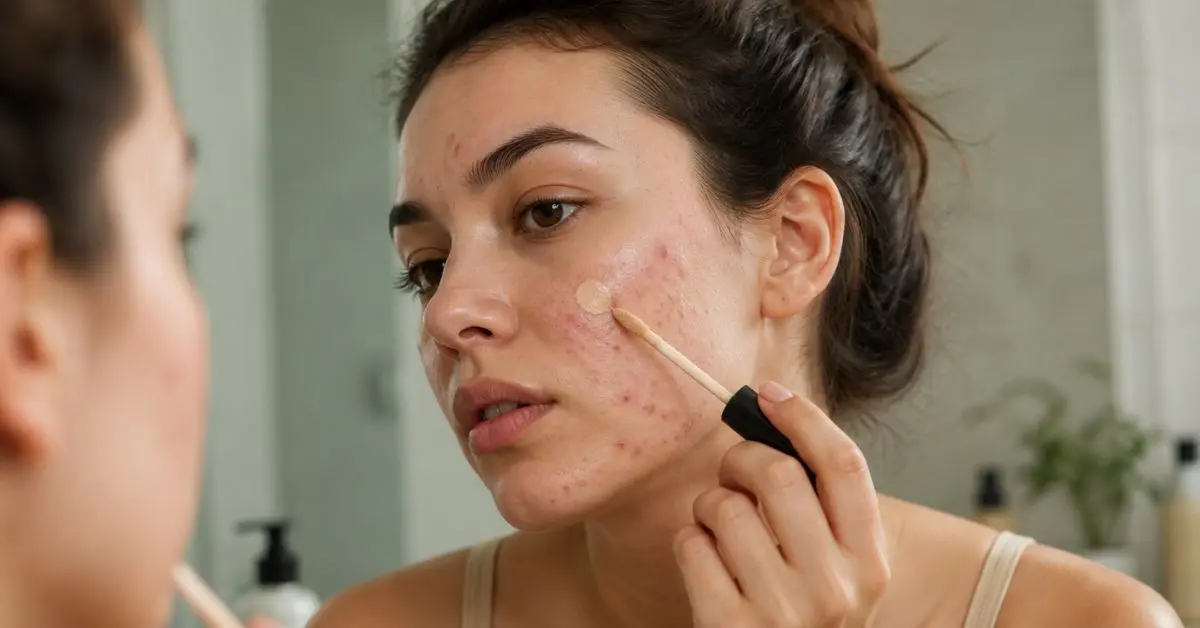
Finding the right concealer for acne prone skin can feel overwhelming. Many formulas promise full coverage, but some end up clogging pores, making pimples more noticeable, or triggering fresh breakouts.
The good news is that today’s makeup products are much better than they were a few years ago. Many brands now create lightweight, skin-friendly formulas designed specifically for sensitive and acne-prone complexions. The key is knowing which ingredients support your skin and which ones can quietly cause problems.
Choosing the right concealer for acne prone skin is one of the most important steps in creating a makeup routine that supports clearer, healthier-looking skin. The right formula can hide blemishes while helping your complexion look smooth and natural.
Why Choosing the Right Concealer for Acne Prone Skin Matters
Acne-prone skin needs more than coverage. It needs protection.
Every product you apply stays on your face for several hours. If the formula contains pore-clogging ingredients or irritating fragrances, it can contribute to new breakouts over time. Even a beautiful finish is not worth sacrificing your skin’s health.
A high-quality concealer for acne prone skin should do much more than simply cover imperfections. It should blend naturally, stay in place throughout the day, and work with your skincare routine instead of against it.
The best formulas help conceal:
- Active pimples
- Redness
- Post-acne marks
- Dark spots
- Uneven skin tone
- Small acne scars
At the same time, they should minimize the risk of clogged pores, excessive oil buildup, and irritation.
Modern dermatology-inspired makeup combines skincare with cosmetics. Many concealers now contain soothing ingredients like niacinamide, hyaluronic acid, and antioxidants that help calm the skin while providing coverage.
A high-quality concealer for acne prone skin should work with your skincare routine instead of against it. Investing in the right concealer for acne prone skin can make a noticeable difference in both your makeup results and your skin over time.
Understanding Acne-Prone Skin & Makeup
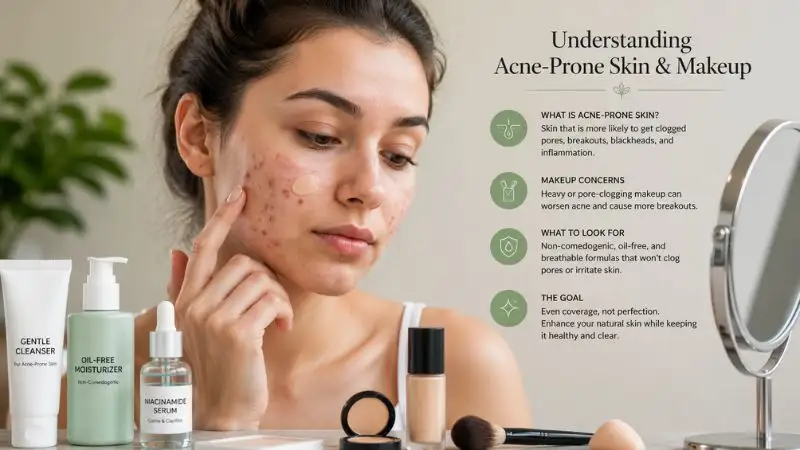
Before buying any concealer, it’s important to understand how acne-prone skin behaves.
What Is Acne-Prone Skin?
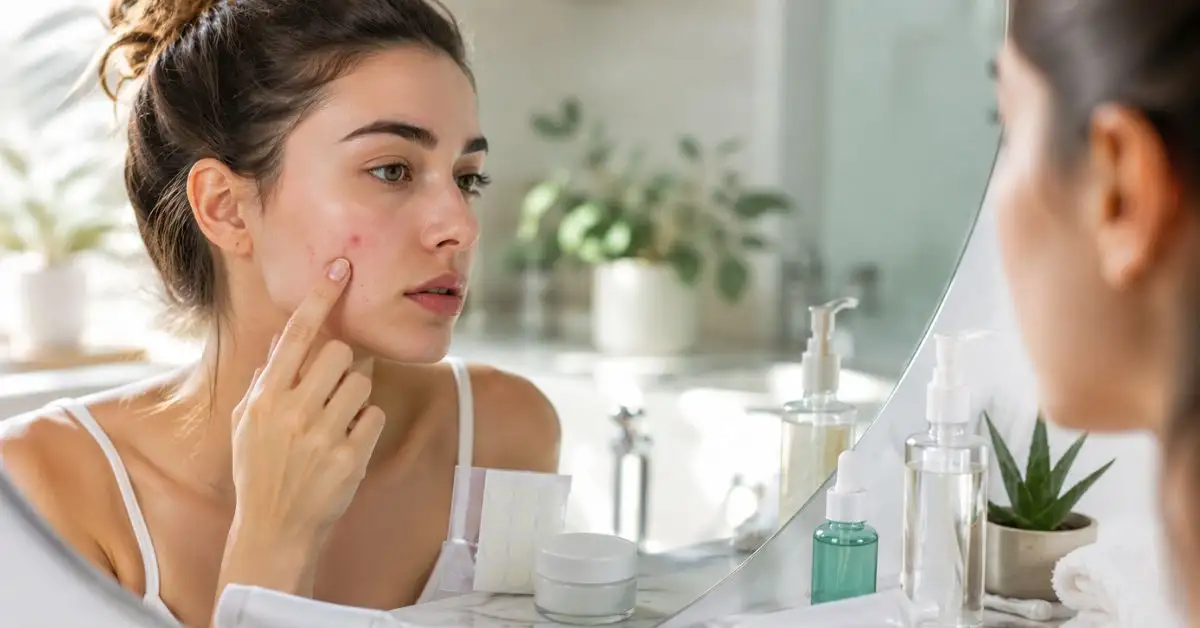
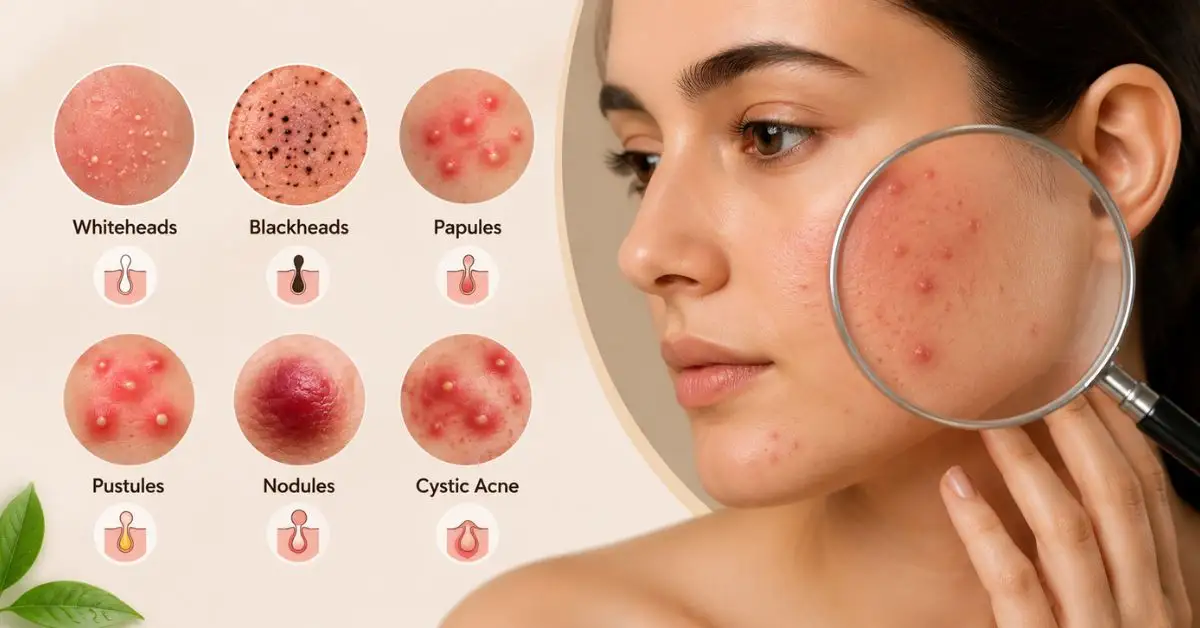
Acne-prone skin is skin that develops blemishes more easily than normal skin. Breakouts happen when hair follicles become blocked by excess oil, dead skin cells, bacteria, or inflammation.
Several factors contribute to acne, including:
- Excess sebum production
- Hormonal changes
- Genetics
- Stress
- Certain medications
- Poor skincare habits
- Pore-clogging cosmetics
Not every breakout comes from makeup. However, the wrong makeup products can certainly make existing acne worse.
How Concealer Can Affect Breakouts
Many people believe makeup automatically causes acne.
That isn’t entirely true.
The real issue is using products that aren’t suitable for acne-prone skin.
A heavy concealer containing comedogenic oils or waxes may trap oil inside the pores. When oil, bacteria, and dead skin build up together, new pimples can form.
On the other hand, a non-comedogenic concealer is formulated to reduce the likelihood of blocking pores. While no product can guarantee zero breakouts, choosing non-comedogenic formulas lowers the risk significantly.
Common Makeup Problems for Acne-Prone Skin
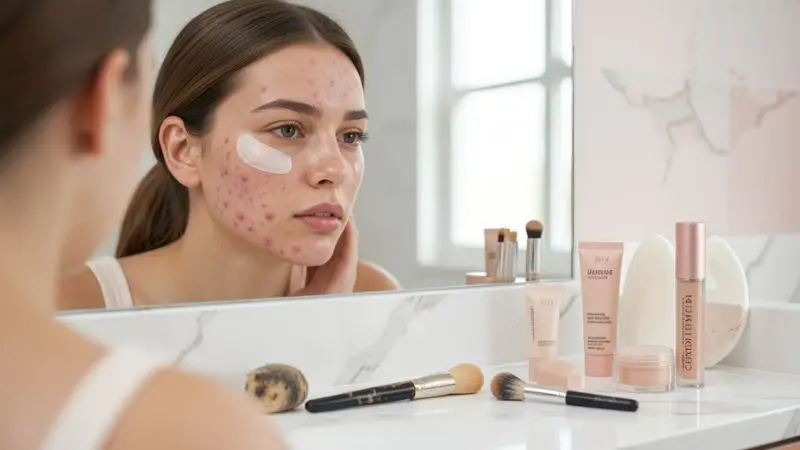
People with acne often experience several makeup challenges.
Concealer Looks Cakey
Dry patches around pimples make makeup cling unevenly.
Proper skin preparation and lightweight formulas reduce this effect.
Pimples Still Look Raised
Concealer hides color but cannot completely hide texture.
Using thin layers often looks more natural than applying thick coverage.
Makeup Slides Off Oily Skin
Acne-prone skin is frequently oily.
Excess sebum can break down makeup during the day, causing concealer to separate.
Oil-controlling primers, setting powders, and long-wearing formulas help improve longevity.
New Breakouts After Makeup
This may happen because of:
- Sleeping with makeup on
- Dirty brushes
- Sharing makeup
- Expired cosmetics
- Using products that clog pores
Healthy makeup habits are just as important as choosing the right concealer.
Characteristics of a Good Concealer
A dermatologist-friendly concealer for acne prone skin usually offers:
- Non-comedogenic formula
- Oil-free or lightweight texture
- Fragrance-free or low-irritant ingredients
- Long-lasting wear
- Buildable coverage
- Easy blending
- Breathable finish
- Compatibility with sensitive skin
These features help provide natural-looking coverage while supporting healthier skin.
Coverage Types Explained
Different acne concerns require different levels of coverage.
Light Coverage
Best for:
- Mild redness
- Small blemishes
- Everyday makeup
Medium Coverage
Ideal for:
- Moderate acne
- Acne marks
- Uneven skin tone
Full Coverage
Works well for:
- Inflamed pimples
- Dark acne spots
- Severe redness
- Professional makeup looks
The goal isn’t always maximum coverage. The best finish often comes from applying thin, buildable layers instead of one thick coat.
Key Ingredients to Look For & Avoid
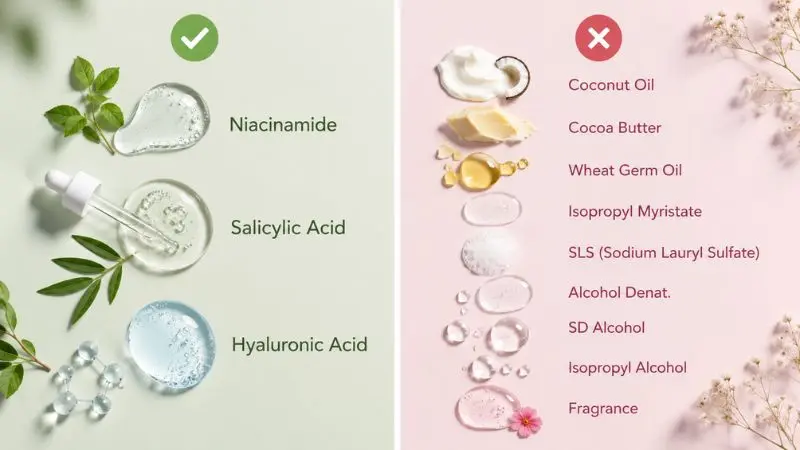
Reading ingredient labels can make a huge difference when shopping for a concealer for acne prone skin.
Some ingredients support clearer skin, while others may increase the chance of irritation or clogged pores.
Ingredients to Look For
Niacinamide
Niacinamide is one of the most beneficial skincare ingredients for acne-prone skin.
Benefits include:
- Helps reduce redness
- Supports the skin barrier
- Regulates excess oil
- Improves uneven skin tone
- Helps fade post-acne marks over time
Many modern concealers now include niacinamide to combine makeup with skincare benefits.
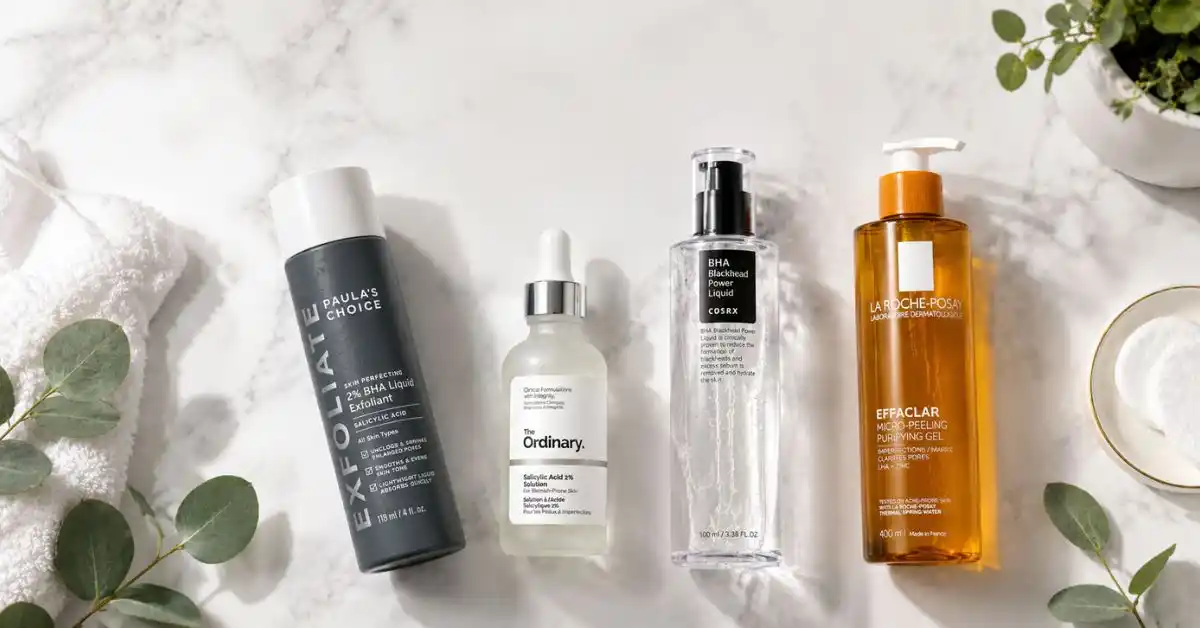
Salicylic Acid
Salicylic acid is a beta hydroxy acid (BHA) known for penetrating oily pores.
It helps:
- Dissolve excess oil
- Reduce clogged pores
- Minimize blackheads
- Support clearer-looking skin
Although concealers are not acne treatments, small amounts of salicylic acid may provide added benefits for blemish-prone skin.
Hyaluronic Acid
People often assume acne-prone skin does not need hydration.
In reality, dehydrated skin can produce even more oil.
Hyaluronic acid attracts water to the skin and helps keep concealer looking smooth without emphasizing dry patches.
Ceramides
Ceramides strengthen the skin’s natural protective barrier.
A healthy skin barrier is better able to resist irritation and recover from acne treatments like benzoyl peroxide or retinoids.
Glycerin
Glycerin is a gentle humectant that keeps the skin hydrated throughout the day.
Well-hydrated skin generally allows makeup to apply more evenly.
Zinc
Zinc is valued for its calming properties and its ability to help reduce excess oil.
Some acne-friendly makeup products include zinc to support a more balanced complexion.
Dimethicone
Many people worry when they see silicone on an ingredient list.
However, dimethicone is generally considered non-comedogenic for most people.
Before buying any concealer for acne prone skin, always read the ingredient list carefully. The safest concealer for acne prone skin combines lightweight coverage with skin-friendly ingredients that help reduce the chance of clogged pores.
Ingredients to Avoid
Heavy Comedogenic Oils
Certain oils have a higher likelihood of blocking pores in susceptible individuals.
Examples include:
- Coconut oil
- Wheat germ oil
- Cocoa butter
These ingredients may not affect everyone, but many people with acne-prone skin prefer to avoid them in leave-on makeup.
Artificial Fragrance
Fragrance is a common trigger for sensitive skin.
Although it doesn’t directly cause acne, it may increase irritation, redness, and discomfort in people with reactive complexions.
Fragrance-free formulas are often the safer choice.
Drying Alcohols
Some alcohols can strip away the skin’s natural moisture barrier.
Examples include:
- Alcohol Denat.
- SD Alcohol
- Isopropyl Alcohol
Over-drying the skin may encourage increased oil production, which can contribute to future breakouts.
Harsh Essential Oils
Certain essential oils can be irritating when used in facial makeup.
Sensitive skin may react with redness or inflammation, especially when acne is already present.
Excessive Wax Content
Very thick wax-heavy formulas may feel protective at first but can sometimes trap oil and sweat against the skin, particularly in hot or humid weather.
Lightweight, breathable formulas are usually more comfortable for daily wear.
Quick Ingredient Checklist
When shopping for a concealer for acne prone skin, look for labels such as:
- Non-comedogenic
- Oil-free
- Fragrance-free
- Dermatologist tested
- Suitable for sensitive skin
- Lightweight
- Buildable coverage
Choosing products with acne-friendly ingredients and avoiding common irritants gives your skin the best chance to stay clear while still enjoying reliable, natural-looking coverage
Top 7 Best Concealers for Acne-Prone Skin
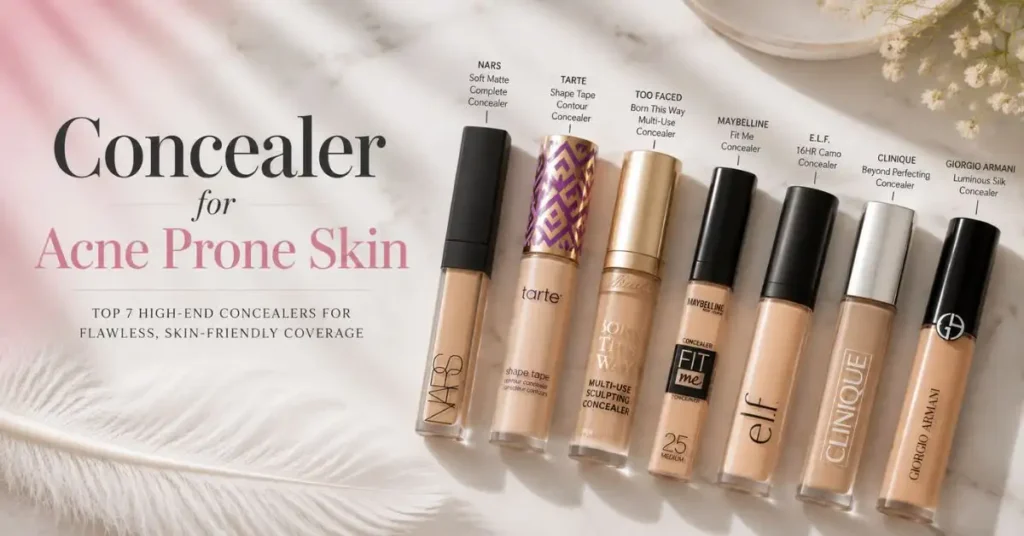
Not every concealer is suitable for acne-prone skin. Some provide excellent coverage but feel heavy, while others look natural yet fail to hide inflamed blemishes. The best concealer for acne prone skin strikes the right balance between coverage, comfort, and skin-friendly ingredients.
Below are seven of the best options available across different price ranges.
1. NARS Soft Matte Complete Concealer
Best Overall for Acne Coverage
NARS Soft Matte Complete Concealer has earned a loyal following among makeup artists and beauty enthusiasts for good reason. Its creamy texture delivers impressive coverage without feeling thick or overly dry. It is especially effective at hiding active pimples, post-acne redness, and stubborn dark spots.
Unlike many full-coverage concealers, it blends seamlessly into the skin while maintaining a natural matte finish. The formula stays put throughout the day, making it an excellent choice for people with oily and combination skin.
Overall, this is one of the best premium choices if you’re looking for a concealer for acne prone skin that delivers professional-level coverage.
Why It Works for Acne-Prone Skin
The soft matte finish helps reduce the appearance of excess shine without making blemishes look flaky. Its buildable formula allows you to cover individual pimples instead of applying thick layers across the entire face.
When paired with proper skincare and thorough makeup removal, it performs exceptionally well without making clogged pores a common concern.
Pros
- Excellent full coverage
- Covers redness and acne marks easily
- Long-lasting matte finish
- Blends beautifully
- Buildable without looking heavy
- Wide shade selection
Cons
- Premium price
- Pot packaging may feel less hygienic unless applied with a clean brush
2. Maybelline Fit Me Concealer
Best Drugstore Concealer for Everyday Wear
Maybelline Fit Me remains one of the most recommended drugstore products for acne-prone skin. It provides medium, natural-looking coverage that works well for mild breakouts, redness, and post-inflammatory marks.
The lightweight liquid texture blends quickly and never feels overly thick. It layers comfortably with foundation or works well on its own for a simple everyday makeup look.
If you’re on a budget, this concealer for acne prone skin offers excellent value for everyday use.
Why It Works for Acne-Prone Skin
This non-comedogenic concealer has a breathable formula that feels light throughout the day. Instead of masking the skin with a heavy layer, it evens out discoloration while allowing your complexion to look natural.
It performs especially well on combination and normal acne-prone skin.
Pros
- Budget-friendly
- Lightweight formula
- Easy to blend
- Natural skin-like finish
- Doesn’t feel cakey
- Great for everyday use
Cons
- Medium rather than full coverage
- May require touch-ups on very oily skin
3. e.l.f. Hydrating Camo Concealer
Best Full-Coverage Drugstore Option
The e.l.f. Hydrating Camo Concealer proves that affordable makeup can deliver professional-looking results. It offers strong coverage while maintaining a comfortable finish that doesn’t emphasize dryness around blemishes.
Its large applicator makes spot concealing quick and easy, and only a tiny amount is needed to cover acne spots effectively.
Many beauty experts recommend this concealer for acne prone skin because it combines affordability with impressive coverage.
Why It Works for Acne-Prone Skin
Its highly pigmented formula conceals inflamed pimples, acne scars, and redness in just one or two thin layers. The creamy consistency helps prevent the patchy appearance that often occurs when concealer is applied over healing blemishes.
Pros
- Excellent full coverage
- Affordable price
- Hydrating formula
- Long-lasting wear
- Vegan and cruelty-free
- Wide shade range
Cons
- Can dry quickly during blending
- Too much product may appear heavy
4. Tarte Shape Tape Concealer
Best for Maximum Coverage
When severe acne, dark acne scars, or intense redness require extra coverage, Tarte Shape Tape is one of the strongest performers on the market.
Its rich formula conceals almost everything while maintaining a smooth finish when applied carefully. Because of its high pigment concentration, only a small amount is necessary.
This concealer for acne prone skin is ideal for covering severe acne, redness, and post-acne marks.
Why It Works for Acne-Prone Skin
Its full-coverage formula effectively neutralizes redness without requiring multiple layers. This reduces product buildup around blemishes, helping makeup appear smoother throughout the day.
Pros
- Extremely high coverage
- Long-lasting formula
- Excellent for acne scars
- Brightens under-eye area
- Large shade selection
Cons
- Can feel drying on dehydrated skin
- Easy to overapply
5. NYX Bare With Me Concealer Serum
Best Lightweight Concealer for Sensitive Skin
If heavy makeup tends to irritate your skin, NYX Bare With Me Concealer Serum offers a refreshing alternative.
This serum-inspired concealer combines lightweight coverage with skincare-like hydration. Instead of creating a thick mask over the skin, it softens redness while maintaining a healthy, natural finish.
If you prefer lightweight makeup, this concealer for acne prone skin is an excellent option.
Why It Works for Acne-Prone Skin
The lightweight texture feels breathable and comfortable even after several hours of wear. It layers well without emphasizing dry patches caused by acne treatments like benzoyl peroxide or retinoids.
Pros
- Lightweight serum formula
- Comfortable for sensitive skin
- Natural finish
- Hydrating
- Doesn’t settle into dry areas
- Easy to layer
Cons
- Light to medium coverage
- Less effective for severe blemishes
6. Clinique Even Better All-Over Concealer + Eraser
Best Dermatologist-Developed Formula
Clinique has long been recognized for creating products suitable for sensitive skin, and this concealer continues that reputation.
This dermatologist-developed concealer for acne prone skin is perfect for sensitive complexions.
Why It Works for Acne-Prone Skin
The formula is designed with sensitive complexions in mind and avoids many common irritants found in traditional makeup. It delivers dependable coverage without feeling overly heavy, making it a reliable concealer for acne prone skin.
Pros
- Dermatologist-developed
- Comfortable lightweight formula
- Medium to full coverage
- Long-lasting
- Blends smoothly
- Suitable for sensitive skin
Cons
- More expensive than most drugstore options
- Sponge applicator requires regular cleaning
7. Neutrogena SkinClearing Blemish Concealer
Best Concealer with Acne-Fighting Ingredients
Unlike traditional concealers that only cover blemishes, Neutrogena SkinClearing Blemish Concealer also contains salicylic acid, an ingredient widely used to help treat acne.
This makes it an appealing option for people who want makeup that offers more than cosmetic coverage. While it shouldn’t replace a dedicated acne treatment, it can complement a consistent skincare routine.
For people dealing with frequent breakouts, this concealer for acne prone skin offers both coverage and acne-friendly ingredients.
Why It Works for Acne-Prone Skin
Salicylic acid helps target excess oil and supports clearer-looking skin while the concealer disguises redness and blemishes. Combined with a non-comedogenic concealer formula, it offers a practical solution for those dealing with occasional breakouts.
Pros
- Contains salicylic acid
- Non-comedogenic formula
- Lightweight texture
- Good for spot concealing
- Affordable
- Easy to use daily
Cons
- Limited shade range
- Medium coverage only
- May not fully conceal severe acne scars
Step-by-Step Guide: How to Apply Concealer on Acne Without Cakeyness
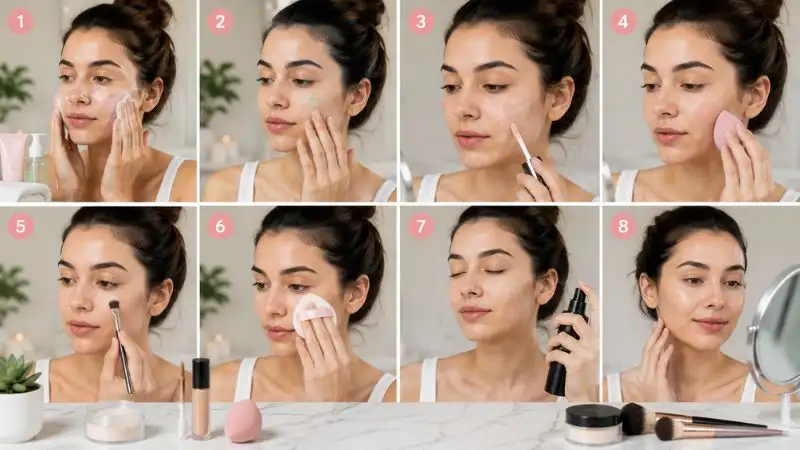
Even the best concealer for acne prone skin won’t look flawless if it’s applied incorrectly. Thick layers, poor skin preparation, or the wrong tools can make pimples appear larger instead of hiding them.
The goal is simple: create a smooth base, use thin layers, and blend gently.
Step 1: Start with a Gentle Skincare Routine
Healthy makeup starts with healthy skin.
Before applying concealer:
- Wash your face with a gentle cleanser.
- Pat your skin dry with a clean towel.
- Apply an oil-free, lightweight moisturizer.
- Let your skincare absorb for 3–5 minutes.
- Finish with a broad-spectrum sunscreen if you’re wearing makeup during the day.
Well-hydrated skin helps concealer glide on evenly and reduces the risk of patchiness around healing blemishes.
Step 2: Apply a Makeup Primer
A primer creates a smoother surface for makeup and helps improve wear time.
If you have oily, acne-prone skin, look for a primer that is:
- Oil-free
- Lightweight
- Non-comedogenic
- Mattifying if you become shiny throughout the day
A good primer also helps prevent concealer from settling into enlarged pores or fine lines.
Step 3: Use a Green Color Corrector for Red Pimples
Bright red pimples often show through concealer.
A green color corrector helps neutralize redness before you apply skin-toned makeup.
Here’s how:
- Use only a tiny amount.
- Apply directly onto the red area.
- Blend the edges gently.
- Avoid spreading it across large sections of your face.
Once blended, the redness will appear less noticeable, allowing you to use less concealer.
Step 4: Apply Concealer Only Where Needed
Many people make the mistake of covering their entire face with heavy concealer.
Instead:
- Dot the concealer for acne prone skin directly onto blemishes.
- Cover dark acne marks individually.
- Add a small amount under the eyes if desired.
- Build coverage gradually.
Spot concealing creates a more natural finish and reduces unnecessary product buildup.
Step 5: Use the Dabbing Technique
This is one of the biggest secrets to natural-looking coverage.
Instead of rubbing the product:
- Use a clean fingertip, small makeup sponge, or concealer brush.
- Gently dab or tap over the blemish.
- Blend only the edges.
- Leave the center of the concealer untouched.
Rubbing removes coverage from the highest part of the pimple, making you apply even more product.
Dabbing keeps the pigment exactly where it’s needed.
Step 6: Build Coverage Slowly
Resist the urge to apply one thick layer.
Instead:
- Apply a thin layer.
- Let it set for about 20–30 seconds.
- Add another thin layer only if needed.
- Repeat until the blemish is well concealed.
Thin layers look much more natural than one heavy application.
Step 7: Set with a Light Dusting of Powder
A translucent setting powder helps lock concealer in place.
Use a small fluffy brush and apply only a light amount over concealed areas.
Too much powder can:
- Emphasize dry patches
- Make pimples appear rough
- Create a cakey finish
Less is often more.
Step 8: Finish with Setting Spray
If you wear makeup for long hours, a setting spray helps everything stay in place.
It also softens the powdery appearance, leaving the skin looking fresher and more natural.
Extra Tips for Acne-Friendly Makeup
For the best results:
- Wash makeup brushes every week.
- Replace old makeup sponges regularly.
- Never sleep with makeup on.
- Remove makeup using a gentle cleanser.
- Avoid picking at pimples before applying concealer.
- Choose products labeled non-comedogenic concealer whenever possible.
Small habits like these help reduce irritation and minimize the chance of clogged pores over time.
Common Concealer Mistakes to Avoid
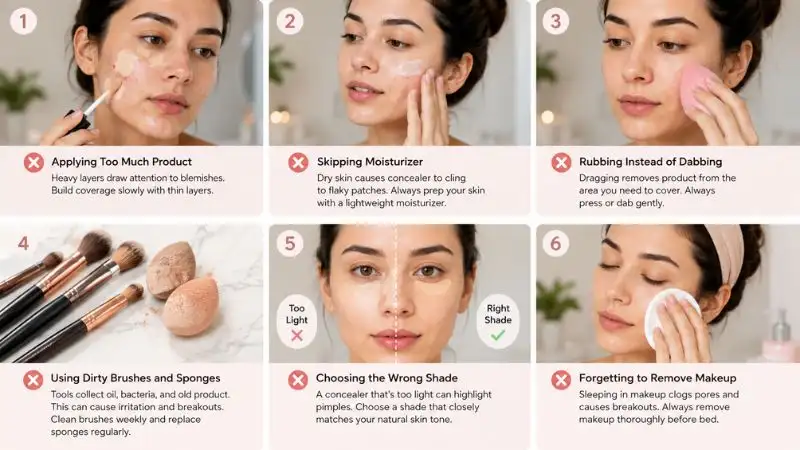
Even a high-quality concealer for acne prone skin can underperform if it’s used the wrong way. Avoid these common mistakes to achieve smoother, longer-lasting coverage.
Applying Too Much Product
Heavy layers draw attention to blemishes instead of hiding them.
Build coverage slowly with thin layers.
Skipping Moisturizer
Dry skin causes concealer to cling to flaky patches.
Always prep your skin with a lightweight moisturizer before makeup.
Rubbing Instead of Dabbing
Dragging a sponge or brush across a pimple removes the product from the area that needs the most coverage.
Always press or dab gently.
Using Dirty Brushes and Sponges
Makeup tools collect oil, bacteria, and old product over time.
Dirty brushes can transfer impurities back onto your skin, increasing the risk of irritation and breakouts.
Clean your brushes at least once a week and replace worn-out sponges regularly.
Choosing the Wrong Shade
A concealer that’s too light can highlight pimples instead of disguising them.
For blemishes, choose a shade that closely matches your natural skin tone.
Forgetting to Remove Makeup
Sleeping in makeup allows oil, sweat, and cosmetic residue to build up overnight.
Always remove makeup thoroughly before bed to help reduce clogged pores and support healthier-looking skin.
Conclusion & Final Recommendation
Choosing the right concealer for acne prone skin is about more than hiding blemishes. The ideal formula should provide reliable coverage while supporting your skin with lightweight, non-comedogenic ingredients that won’t contribute to clogged pores.
Whether you prefer a premium option like NARS Soft Matte Complete Concealer or an affordable favorite such as Maybelline Fit Me or e.l.f. Hydrating Camo Concealer, the best choice is one that suits your skin type, coverage needs, and daily routine.
Pair your concealer with a consistent skincare routine, apply it using thin layers and a gentle dabbing technique, and keep your makeup tools clean. With the right products and application methods, you can confidently cover blemishes while helping your skin look—and stay—its healthiest.
Frequently Asked Questions (FAQs)
1. What is the best concealer for acne prone skin?
A non-comedogenic, oil-free concealer is the best choice. Popular options include NARS Soft Matte Complete Concealer, Maybelline Fit Me, and e.l.f. Hydrating Camo Concealer.
2. Can concealer cause acne?
Concealer itself doesn’t always cause acne. However, heavy formulas, pore-clogging ingredients, or not removing makeup properly can contribute to breakouts.
3. Is non-comedogenic concealer better for acne-prone skin?
Yes. A non-comedogenic concealer is formulated to reduce the likelihood of clogged pores, making it a better option for acne-prone skin.
4. Should I apply concealer before or after foundation?
For most makeup routines, apply foundation first and then concealer only on areas that need extra coverage, such as pimples and acne scars.
5. How do I keep concealer from looking cakey on pimples?
Prep your skin with moisturizer, apply thin layers, use a gentle dabbing technique, and set with a light dusting of translucent powder.
6. Can I wear concealer every day if I have acne-prone skin?
Yes. As long as you use a skin-friendly concealer for acne prone skin, clean your makeup tools regularly, and remove your makeup thoroughly every night, daily use is generally fine.




Leave a Reply