
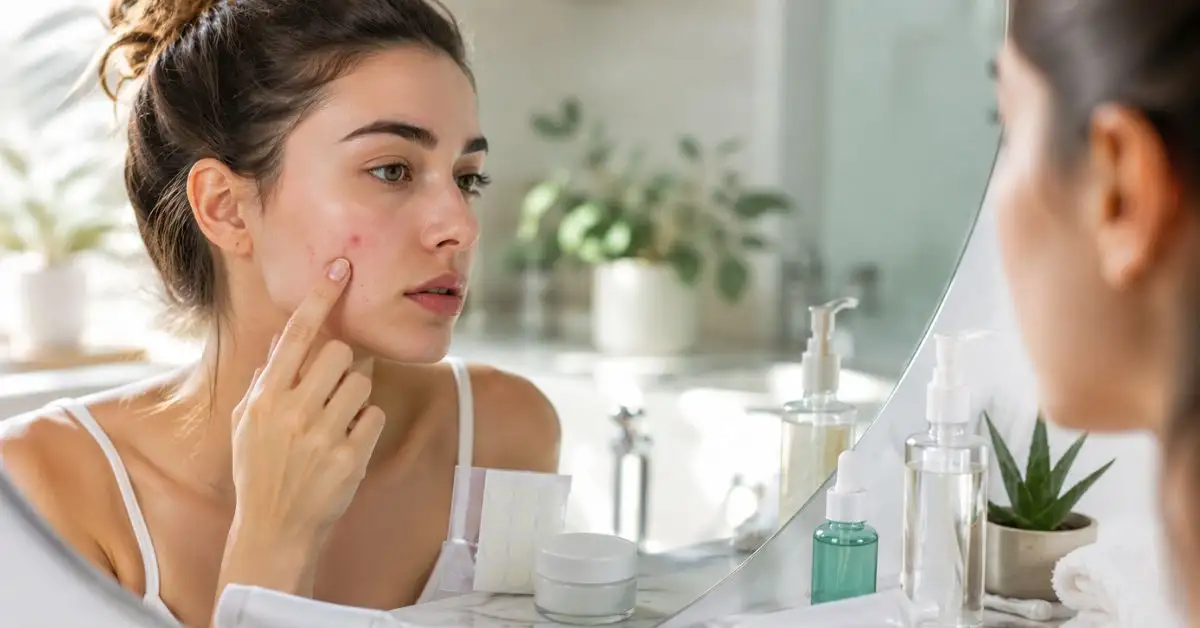
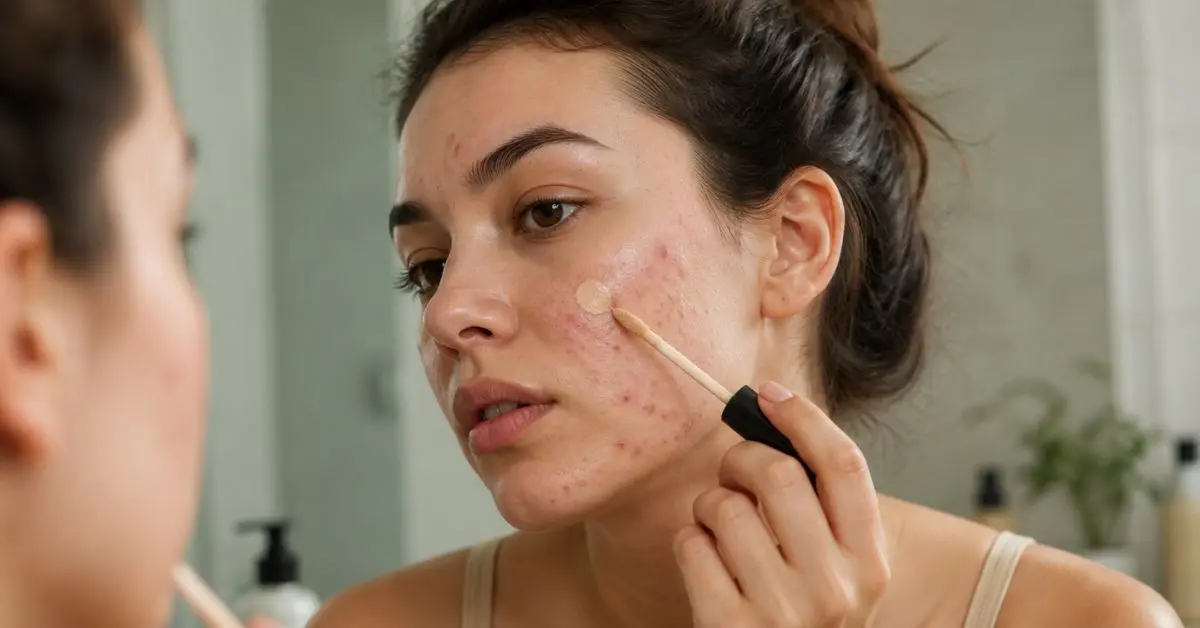
A painful, red pimple always seems to show up at the worst possible time. Maybe you have an important meeting tomorrow, a wedding this weekend, or you’ve finally planned a night out with friends. Whatever the occasion, that unexpected breakout can make you search for one thing: how to dry out a pimple as quickly as possible.
The good news? You can often reduce a pimple’s size, redness, and inflammation faster than you think. If you’re wondering how to dry out a pimple, the key is choosing treatments that work with your skin instead of against it. Many popular DIY hacks may seem tempting, but they often cause more irritation than improvement. Understanding what causes a pimple—and treating it correctly—can help it heal faster while reducing the risk of acne scars.
Why Do Pimples Form?
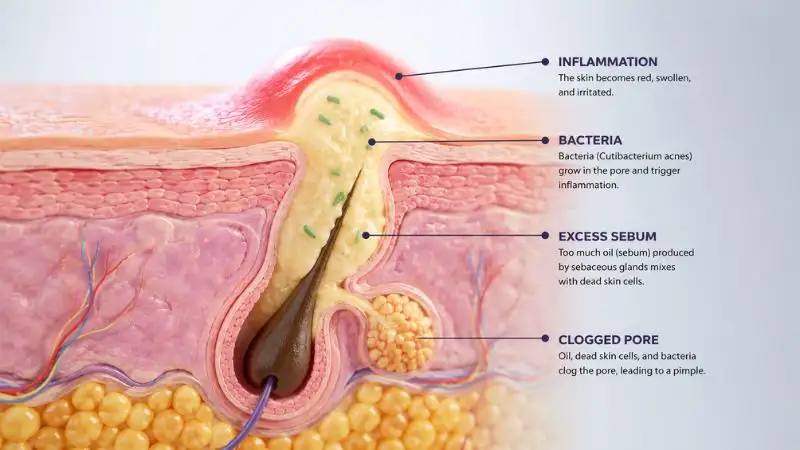
A pimple begins long before you notice the red bump on your skin. If you’re wondering how to dry out a pimple, understanding how it forms is the first step. Inside each pore is a tiny hair follicle connected to an oil gland (sebaceous gland). These glands naturally produce sebum, an oily substance that keeps your skin moisturized.
Problems begin when several factors happen at once:
- Excess oil production
- Dead skin cells clogging the pore
- Growth of acne-causing bacteria (Cutibacterium acnes)
- Inflammation inside the follicle
Once the pore becomes blocked, oil gets trapped beneath the surface. Bacteria multiply in this warm, oily environment, triggering your immune system. That’s when you notice redness, swelling, tenderness, or even pus.
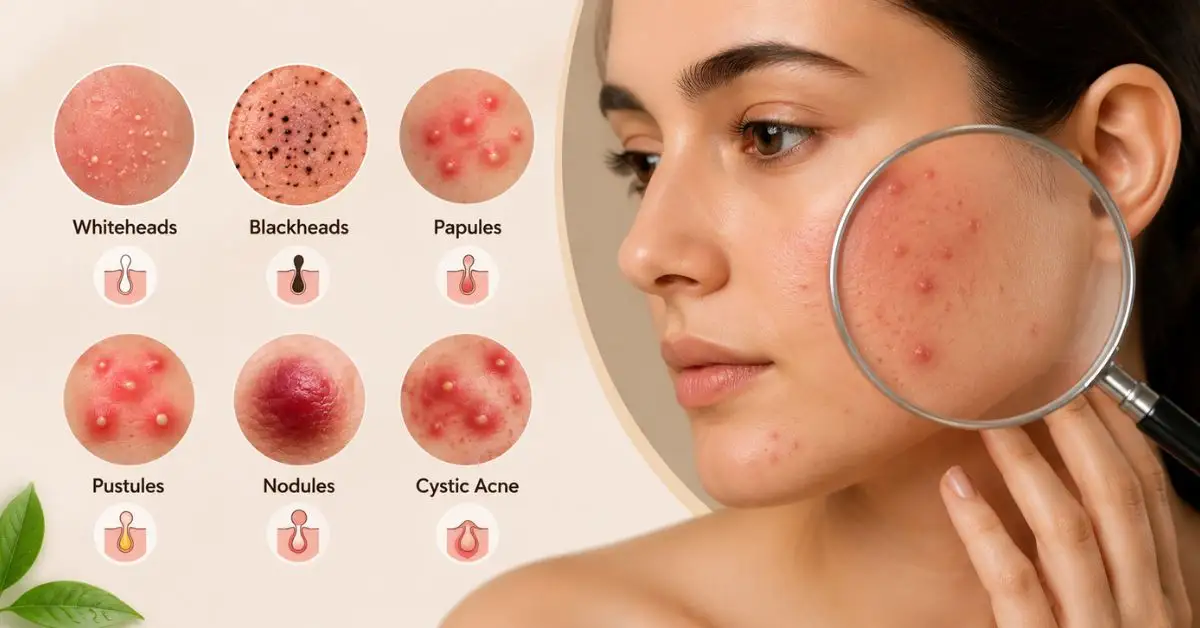
Not every pimple is the same. Some stay close to the surface, while others develop deep under the skin. That’s why one treatment doesn’t work for every breakout.
This guide explains how to dry out a pimple safely using dermatologist-recommended ingredients, effective overnight pimple remedies, and evidence-based skincare practices. You’ll also learn which home remedies actually help, which myths you should ignore, and how to speed healing without damaging your skin barrier.
The Golden Rules of How to Dry Out a Pimple
Many people searching for how to dry out a pimple think drying out a blemish means making it as dry as possible.
Healthy skin needs moisture to repair itself. If you strip away too much oil, your skin responds by producing even more sebum. This can worsen breakouts instead of improving them.
Instead of trying to “burn” the pimple away, focus on reducing inflammation, clearing the clogged pore, and protecting your skin barrier.
Rule 1: Never Pop the Pimple
It feels satisfying in the moment, but squeezing a pimple usually causes more harm than good.
When you pop a blemish, you force bacteria, oil, and debris deeper into the skin. This increases inflammation and may lead to:
- Dark post-acne marks
- Permanent acne scars
- Longer healing time
- Secondary bacterial infection
- Larger swollen pimples
Even if the white center looks ready, resist the urge. Your skin heals much faster when left alone.
Rule 2: Treat the Cause, Not Just the Surface
A pimple isn’t simply sitting on top of your skin.
Most of the inflammation happens underneath the surface, so applying harsh products repeatedly won’t solve the problem.
Instead, use ingredients that penetrate into the pore, such as:
- Salicylic acid to dissolve oil and dead skin cells
- Benzoyl peroxide to reduce acne-causing bacteria
- Retinoids to prevent clogged pores
- Sulfur to absorb excess oil
Choosing the right ingredient is one of the most effective ways to learn how to dry out a pimple without damaging your skin.
Rule 3: Protect Your Skin Barrier
Your skin barrier is your body’s natural shield.
It keeps moisture inside while blocking bacteria, allergens, and irritants from entering.
Overusing acne treatments can weaken this barrier, leading to:
- Redness
- Burning
- Peeling
- Increased sensitivity
- More breakouts
Always balance acne treatments with a lightweight, non-comedogenic moisturizer.
Think of moisturizer as part of acne treatment—not the enemy.
Rule 4: Spot Treat Instead of Treating Your Entire Face
If you only have one or two pimples, don’t apply strong acne medication everywhere.
Spot treatments concentrate the active ingredient exactly where it’s needed while reducing unnecessary irritation.
This is especially helpful for:
- Occasional hormonal pimples
- Small whiteheads
- Individual inflamed blemishes
If acne covers a large area, a full-face treatment recommended by a dermatologist may be more appropriate.
Rule 5: Patience Beats Aggression
Even when you’re trying to figure out how to dry out a pimple overnight, using too many treatments at once usually slows the healing process.
Unfortunately, no product can completely erase a pimple within minutes.
Most treatments begin reducing inflammation within 24 to 48 hours.
Trying multiple products at once often backfires.
Avoid layering several strong ingredients in one routine, especially:
- Benzoyl peroxide
- Retinoids
- High-strength exfoliating acids
Too many active ingredients increase irritation without speeding healing.
Rule 6: Hands Off Throughout the Day
Your hands carry bacteria, dirt, and oil.
Touching your face repeatedly can:
- Spread bacteria
- Delay healing
- Increase redness
- Trigger irritation
If you accidentally touch your face often, try keeping your hands busy or using a reminder until the habit improves.
Rule 7: Use Acne Patches When Appropriate
For many people, hydrocolloid patches are one of the easiest solutions for how to dry out a pimple while preventing picking.
These thin patches work by:
- Absorbing excess fluid
- Protecting the blemish from bacteria
- Preventing picking
- Creating an ideal healing environment
They’re especially useful for pimples that have already formed a visible whitehead.
For deeper cystic acne, hydrocolloid patches may provide some protection, but they aren’t the most effective solution if you’re wondering how to dry out a pimple that forms deep beneath the skin.
Best Active Ingredients to Help Dry Out a Pimple
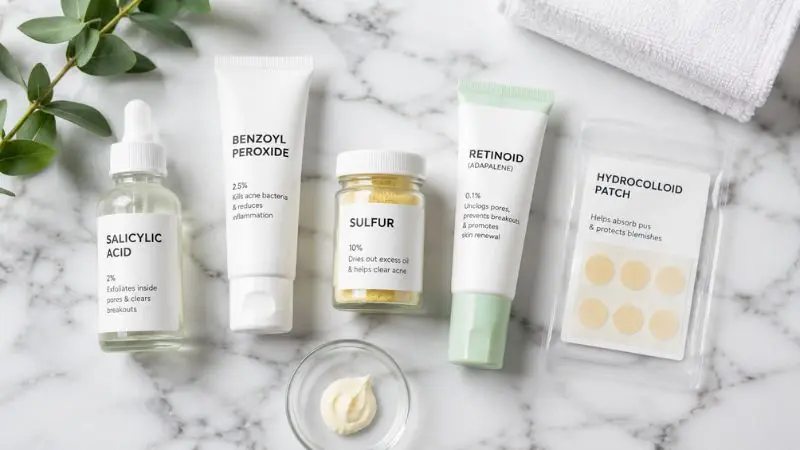
Understanding how to dry out a pimple also means choosing an ingredient that matches your skin type and the type of acne you’re treating.
Each acne treatment works differently. Some dissolve clogged pores, others kill acne-causing bacteria, while some reduce inflammation before a pimple fully develops.
Knowing when to use each ingredient can help you see faster results with less irritation.
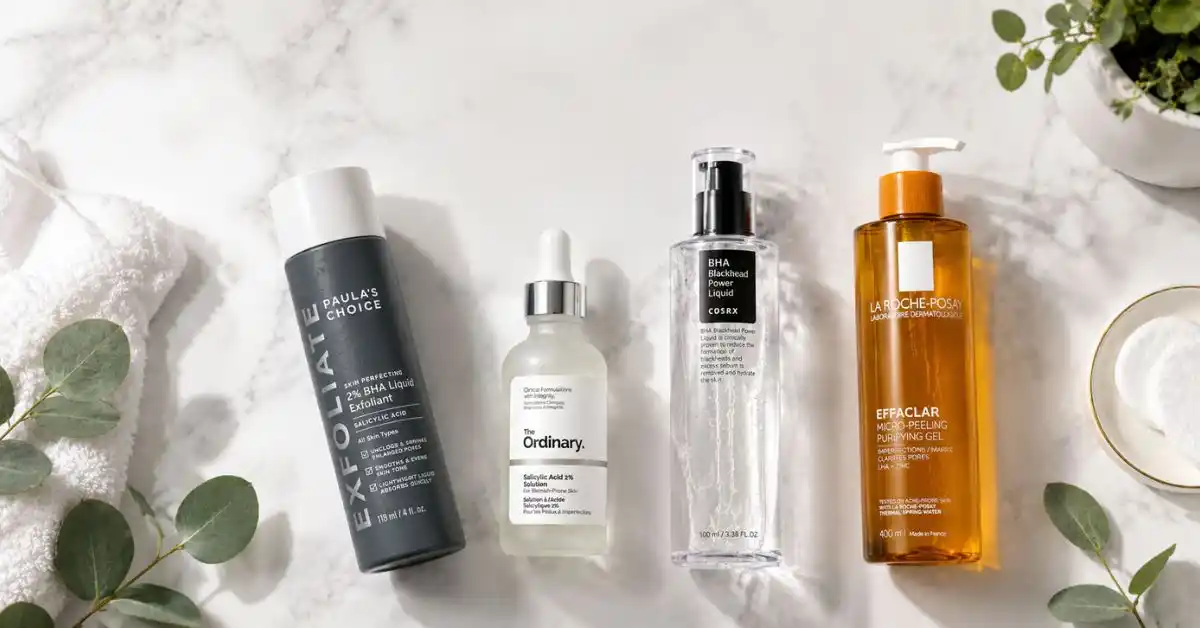
Salicylic Acid (BHA)
Salicylic acid is one of the most effective ingredients for mild to moderate acne.
Unlike water-based exfoliants, salicylic acid is oil-soluble, allowing it to travel deep into oily pores where breakouts begin.
How It Works
Salicylic acid helps by:
- Dissolving excess oil
- Removing dead skin cells
- Unclogging pores
- Reducing inflammation
- Preventing future breakouts
It doesn’t simply dry the surface—it addresses the blockage underneath.
Best For
Salicylic acid works especially well for:
- Whiteheads
- Blackheads
- Small inflamed pimples
- Oily skin
- Combination skin
That’s why dermatologists often recommend salicylic acid to people looking for how to dry out a pimple without over-drying their skin.
How to Use
After cleansing:
- Apply a thin layer of 0.5–2% salicylic acid directly onto the pimple.
- Let it absorb completely.
- Follow with a lightweight moisturizer.
Start once daily if you’re new to exfoliating acids.
Possible Side Effects
Some people experience:
- Mild peeling
- Temporary dryness
- Slight tingling
These effects usually improve as your skin adjusts.
Benzoyl Peroxide
Benzoyl peroxide remains one of the most trusted dermatologist-recommended acne treatments.
Unlike antibiotics, bacteria cannot develop resistance to benzoyl peroxide.
How It Works
It fights acne by:
- Killing acne-causing bacteria
- Reducing inflammation
- Removing excess oil
- Helping unclog pores
Because it targets bacteria directly, it’s particularly effective for red, swollen pimples.
Best For
Use benzoyl peroxide for:
- Inflamed acne
- Pus-filled pimples
- Moderate acne
- Recurring breakouts
It isn’t usually the first choice for blackheads since bacteria play a smaller role in those lesions.
How to Use
Choose a product containing 2.5% to 5% benzoyl peroxide.
Apply a small amount to clean, dry skin once daily.
Higher strengths don’t necessarily work better—they simply increase irritation.
Things to Know
Benzoyl peroxide can:
- Bleach towels
- Fade pillowcases
- Dry sensitive skin
Allow the product to dry completely before going to bed.
Sulfur and Zinc Oxide
Sulfur has been used to treat acne for generations, and modern formulations are much more pleasant than older versions.
It works particularly well for oily skin and occasional breakouts.
How Sulfur Works
Sulfur helps by:
- Absorbing excess oil
- Removing dead skin
- Reducing bacteria
- Drying surface blemishes
Many overnight spot treatments combine sulfur with calming ingredients to reduce irritation.
What About Zinc Oxide?
Although zinc oxide is best known as a sunscreen ingredient, it also offers several benefits for inflamed acne.
It can:
- Calm redness
- Reduce irritation
- Support skin healing
- Protect damaged skin
Some spot treatments combine sulfur and zinc oxide to improve comfort while reducing inflammation.
Best For
This combination works well for:
- Oily skin
- Surface pimples
- Sensitive skin
- Occasional breakouts
People with very dry skin may prefer salicylic acid instead.
Retinoids
Retinoids don’t usually shrink a pimple overnight, but they remain one of the most effective long-term acne treatments available.
Dermatologists often recommend adapalene or prescription retinoids for people who experience frequent breakouts and are looking for a long-term approach to how to dry out a pimple.
How They Work
Retinoids increase skin cell turnover, helping prevent clogged pores before pimples form.
They also:
- Reduce inflammation
- Improve skin texture
- Fade post-acne marks over time
- Prevent new acne lesions
Best For
Retinoids are ideal for:
- Persistent acne
- Whiteheads
- Blackheads
- Adult acne
- Acne prevention
They’re less useful as an emergency spot treatment but excellent for preventing future breakouts.
How to Use
Apply a pea-sized amount to the entire face at night—not just individual pimples.
Start two or three nights per week, then increase gradually as your skin adjusts.
Always wear sunscreen during the day because retinoids can make your skin more sensitive to sunlight.
Can You Combine These Ingredients?
Yes, but avoid applying multiple strong actives all at once unless directed by a dermatologist. For example, pairing a retinoid with benzoyl peroxide in the same routine may increase irritation for some skin types.
Instead, introduce one active ingredient at a time, monitor how your skin responds, and keep the rest of your routine simple with a gentle cleanser, a non-comedogenic moisturizer, and daily sunscreen.
In the next section, you’ll learn a practical, dermatologist-inspired nighttime routine for anyone wondering how to dry out a pimple overnight while minimizing irritation and helping the skin heal faster.
Step-by-Step Guide: How to Dry Out a Pimple Overnight
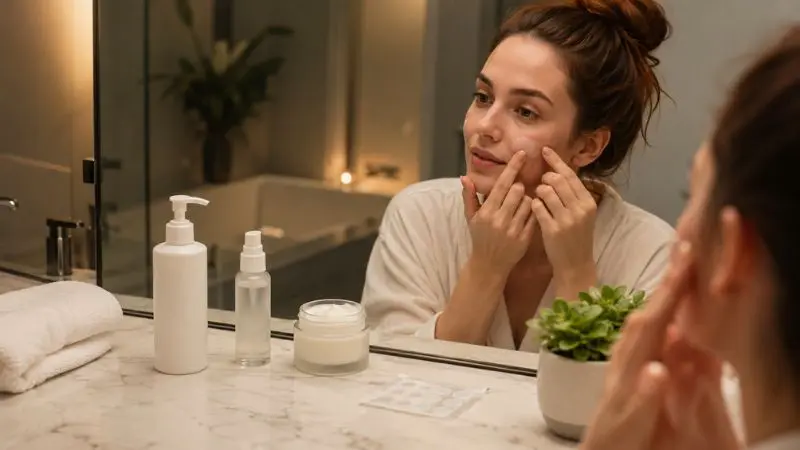
Following the right routine is one of the safest ways to learn how to dry out a pimple without irritating your skin.
The goal isn’t to “burn” the pimple away. Instead, you want to calm inflammation, unclog the pore, and create the ideal environment for healing.
Follow this dermatologist-inspired routine before bed.
Step 1: Wash Your Face with a Gentle Cleanser
Start by removing makeup, sunscreen, dirt, and excess oil.
Choose a gentle, fragrance-free cleanser that cleans without stripping your skin.
Look for cleansers that are:
- Sulfate-free
- Non-comedogenic
- pH-balanced
- Suitable for acne-prone skin
Avoid scrubbing your face with cleansing brushes or rough washcloths. Friction can increase irritation and make the pimple appear even redder.
Pat your skin dry with a clean towel instead of rubbing it.
Step 2: Apply an Acne Spot Treatment
After cleansing, apply a thin layer of an effective spot treatment directly to the blemish.
Choose the ingredient based on your pimple type:
| Pimple Type | Best Ingredient |
| Whitehead | Salicylic acid |
| Red inflamed pimple | Benzoyl peroxide |
| Oily surface pimple | Sulfur |
| Early clogged pore | Retinoid (preventive use) |
Only use a small amount.
Applying extra product won’t make the pimple disappear faster. It will only increase dryness and irritation.
Step 3: Moisturize Your Skin
Many people skip moisturizer when treating acne.
That’s a mistake.
Dry, irritated skin heals more slowly and often produces even more oil to compensate.
Apply a lightweight moisturizer containing ingredients such as:
- Ceramides
- Glycerin
- Hyaluronic acid
- Niacinamide
These ingredients help repair the skin barrier without clogging pores.
Step 4: Cover the Pimple with a Hydrocolloid Patch
One of the easiest overnight pimple remedies is a hydrocolloid patch.
These small adhesive patches absorb excess fluid from pimples while protecting the area from dirt and bacteria.
Hydrocolloid patches also help stop unconscious picking while you sleep.
They’re especially effective for:
- Whiteheads
- Pimples with visible pus
- Healing blemishes
For deep cystic acne, hydrocolloid patches won’t remove the inflammation underneath the skin, but they can still protect the area and reduce irritation.
Step 5: Get Enough Sleep
Your skin repairs itself while you sleep.
Aim for at least 7–9 hours of quality sleep each night.
Poor sleep increases stress hormones like cortisol, which may worsen inflammation and contribute to future breakouts.
A consistent sleep schedule also supports healthy skin healing.
Morning Routine
When you wake up:
- Wash your face gently.
- Apply a lightweight moisturizer.
- Finish with a broad-spectrum sunscreen (SPF 30 or higher).
Never skip sunscreen while learning how to dry out a pimple. Ingredients like retinoids and exfoliating acids can make your skin more sensitive to UV damage, increasing the risk of dark post-acne marks.
Comparison Table of Topical Treatments
Different acne treatments work in different ways. The table below compares the most effective options to help you choose the right one for your skin.
| Treatment Method | Best Suited For (Pimple Type) | How It Works | Pros | Cons |
| Salicylic Acid (BHA) | Whiteheads, blackheads, oily skin | Dissolves oil and dead skin cells inside pores | Unclogs pores, reduces inflammation, prevents new acne | Can cause mild dryness if overused |
| Benzoyl Peroxide | Red, inflamed pimples | Kills acne-causing bacteria and reduces inflammation | Fast-acting for inflammatory acne | May bleach fabrics and dry the skin |
| Sulfur | Surface pimples, oily skin | Absorbs excess oil and gently exfoliates | Gentle, effective spot treatment | Distinct odor and may be less effective for deep acne |
| Retinoids (Adapalene) | Recurring acne, clogged pores | Speeds up skin cell turnover and prevents pore blockage | Excellent for long-term acne control | Results take several weeks and may cause initial dryness |
| Hydrocolloid Patches | Whiteheads and healing pimples | Absorbs fluid and protects the blemish | Reduces picking, speeds healing | Doesn’t treat deep cystic acne |
| Tea Tree Oil (Diluted) | Mild inflammatory pimples | Provides natural antibacterial and anti-inflammatory effects | Plant-based option for mild acne | Can irritate sensitive skin if used undiluted |
| Warm Compress | Blind pimples | Increases blood flow and encourages natural drainage | Reduces pain and swelling | Requires consistency and patience |
Natural & Home Remedies: What Works vs. What to Avoid
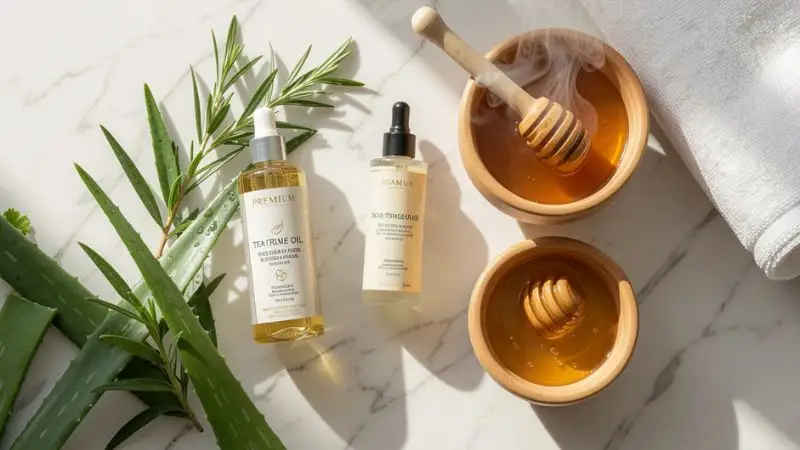
If you’re researching how to dry out a pimple naturally, it’s important to separate evidence-based remedies from popular skincare myths.
Some natural treatments may help calm mild acne, while others can seriously damage your skin barrier.
Let’s separate the facts from the myths.
What Actually Works
Tea Tree Oil
Tea tree oil is one of the best-studied natural ingredients for acne.
It contains compounds with antibacterial and anti-inflammatory properties that may help reduce acne-causing bacteria and calm swollen pimples.
To use it safely:
- Always dilute tea tree oil with a carrier oil or use a product that’s already formulated for skincare.
- Apply a small amount directly to the pimple once daily.
- Perform a patch test before using it on your face.
Never apply pure tea tree oil directly to sensitive skin, as it may cause irritation or allergic reactions.
Green Tea Extract
Green tea is rich in antioxidants called catechins, particularly epigallocatechin gallate (EGCG).
Research suggests that green tea may:
- Reduce excess oil production
- Calm inflammation
- Help decrease acne-causing bacteria
- Support overall skin health
Many lightweight serums and moisturizers now include green tea extract as a soothing ingredient for acne-prone skin.
Warm Compresses
A warm compress is especially helpful for blind pimple treatment.
These painful pimples develop deep beneath the skin and usually don’t have a visible whitehead.
To use a warm compress:
- Soak a clean washcloth in warm (not hot) water.
- Hold it against the affected area for 10–15 minutes.
- Repeat three to four times daily.
The warmth improves circulation, reduces discomfort, and may encourage the pimple to come to a head naturally.
What You Should Absolutely Avoid
Toothpaste
Toothpaste is one of the oldest acne myths—and one of the worst.
While older formulas contained ingredients that could dry the skin, modern toothpaste includes substances such as:
- Menthol
- Fluoride
- Whitening agents
- Flavoring chemicals
These ingredients are designed for teeth, not facial skin.
Applying toothpaste to a pimple can cause:
- Burning
- Irritation
- Contact dermatitis
- Excessive peeling
It may leave the area looking worse than before.
Lemon Juice
Lemon juice is highly acidic, with a pH much lower than healthy skin.
Applying it directly to your face can:
- Disrupt your skin’s protective barrier
- Cause irritation and redness
- Increase sensitivity to sunlight
- Lead to post-inflammatory hyperpigmentation
Even though lemons contain vitamin C, they’re not a safe acne treatment.
Baking Soda
Baking soda is extremely alkaline.
Healthy skin has a slightly acidic pH of about 4.7–5.7, which helps maintain the skin barrier and supports beneficial bacteria.
Using baking soda raises the skin’s pH, which can:
- Strip away natural oils
- Damage the skin barrier
- Increase dryness
- Trigger irritation
- Potentially worsen acne over time
Dermatologists generally advise avoiding baking soda as a facial treatment.
Apple Cider Vinegar
Although apple cider vinegar has antimicrobial properties, applying it directly to the skin can cause chemical burns, irritation, and uneven pigmentation—especially on sensitive skin.
The risks outweigh the potential benefits.
Why the Skin Barrier Matters
When treating acne, remember that healthy skin heals faster.
Overusing harsh ingredients or trying multiple DIY remedies at once often weakens the skin barrier. Once the barrier is damaged, redness, peeling, and sensitivity become more noticeable, making pimples appear worse rather than better.
The safest approach is to stick with evidence-based treatments, use them consistently, and give your skin time to respond.
How to Handle Different Types of Pimples
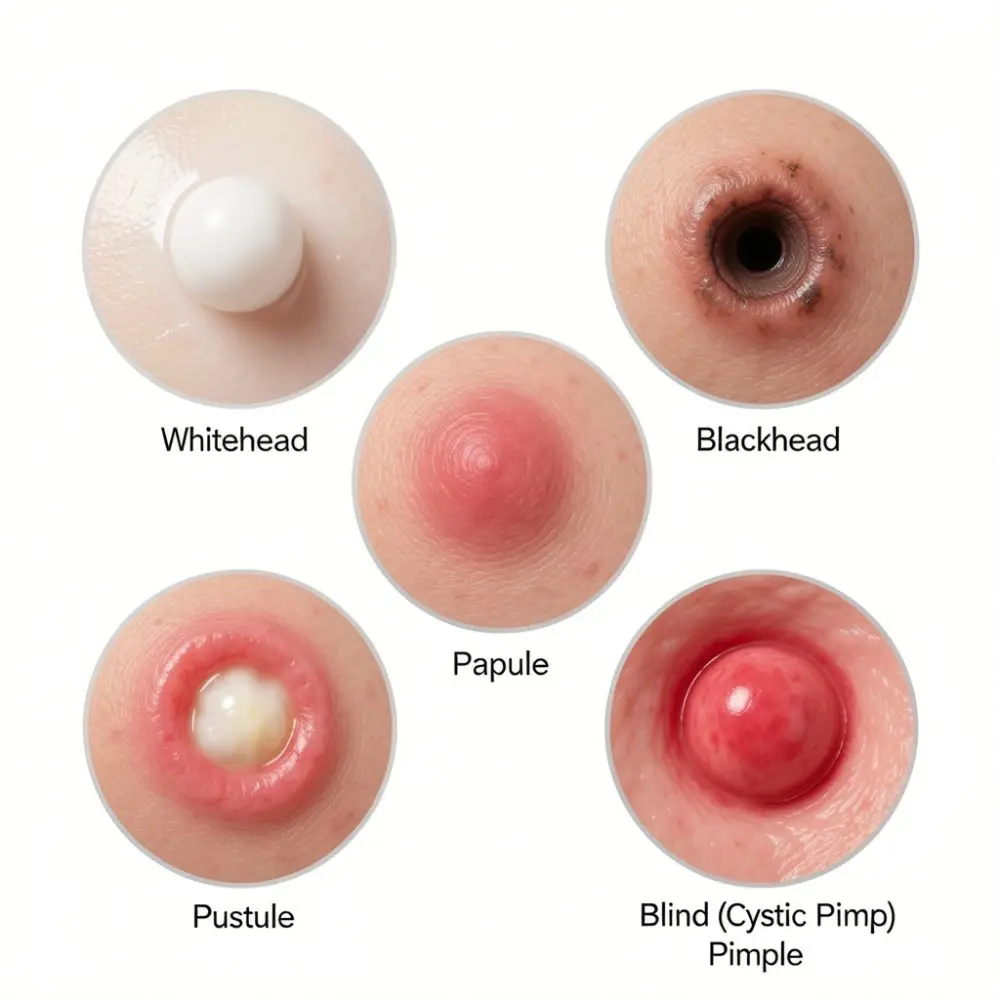
Not all pimples respond to the same treatment. Knowing what type of blemish you’re dealing with can help you choose the most effective approach and avoid making the breakout worse.
Whiteheads
Whiteheads are closed comedones that form when oil, dead skin cells, and bacteria become trapped inside a closed pore. They usually appear as small white or flesh-colored bumps.
Best treatment:
- Apply salicylic acid (0.5–2%) once daily to dissolve the clogged oil and dead skin cells.
- Use a hydrocolloid patch overnight if the whitehead has formed a visible head.
- Cleanse your face gently twice a day with a non-comedogenic cleanser.
- Keep the area moisturized with a lightweight, oil-free moisturizer.
Avoid: Squeezing or picking at whiteheads, as this can push bacteria deeper into the skin and increase the risk of scarring.
Cystic or Blind Pimples
Blind pimples, also called cystic acne, develop deep beneath the skin. They are often painful, swollen, and don’t have a visible whitehead.
Because the inflammation is below the surface, trying to pop them rarely works and usually causes more damage.
Best blind pimple treatment:
- Apply a warm compress for 10–15 minutes, three to four times a day.
- Use a benzoyl peroxide spot treatment to reduce acne-causing bacteria.
- If you regularly develop painful cystic acne, consider using a topical retinoid as part of your nightly routine to prevent future breakouts.
- If the pimple is extremely painful, continues to grow, or doesn’t improve after a week, consult a dermatologist. A corticosteroid injection may quickly reduce severe inflammation.
Avoid: Needles, squeezing, or aggressive exfoliation. These methods can increase inflammation and lead to permanent acne scars.
Blackheads
Blackheads are open comedones. Unlike whiteheads, the pore remains open, and the trapped oil oxidizes when exposed to air, turning it dark.
The black color isn’t dirt—it’s simply oxidized sebum and dead skin cells.
Best treatment:
- Use salicylic acid regularly to keep pores clear.
- Add a retinoid to your nighttime routine to prevent future clogged pores.
- Consider a clay mask once or twice a week to absorb excess oil if you have oily skin.
Avoid: Pore strips as a long-term solution. While they may temporarily remove surface debris, they don’t prevent blackheads from returning and may irritate sensitive skin if used too often.
FAQs
Can I dry out a pimple in an hour?
No. You can reduce swelling and redness with a cold compress and a spot treatment, but a pimple won’t disappear completely in one hour.
Why is my pimple getting bigger after applying treatment?
It may be due to irritation, a deep pimple coming to the surface, or using too much product. Stick to one treatment and avoid touching it.
How can I prevent acne scars?
Don’t pop pimples, use acne treatments early, moisturize regularly, and apply sunscreen every day to protect healing skin.
Is it okay to pop a pimple?
No. Popping a pimple can push bacteria deeper into the skin, increase inflammation, and raise the risk of acne scars and infection. Let it heal naturally or use a hydrocolloid patch.
What is the best overnight treatment for a pimple?
A gentle nighttime routine with salicylic acid or benzoyl peroxide, followed by a lightweight moisturizer and a hydrocolloid patch, can help reduce the pimple’s size and redness by morning.
Conclusion
Knowing how to dry out a pimple starts with using the right treatments—not harsh DIY hacks. Ingredients like salicylic acid, benzoyl peroxide, sulfur, and hydrocolloid patches can reduce swelling and speed up healing. Avoid picking pimples, keep your skin moisturized, and wear sunscreen daily to help prevent acne marks and scarring. If your acne is severe or keeps returning, consult a dermatologist for personalized treatment.

Leave a Reply