
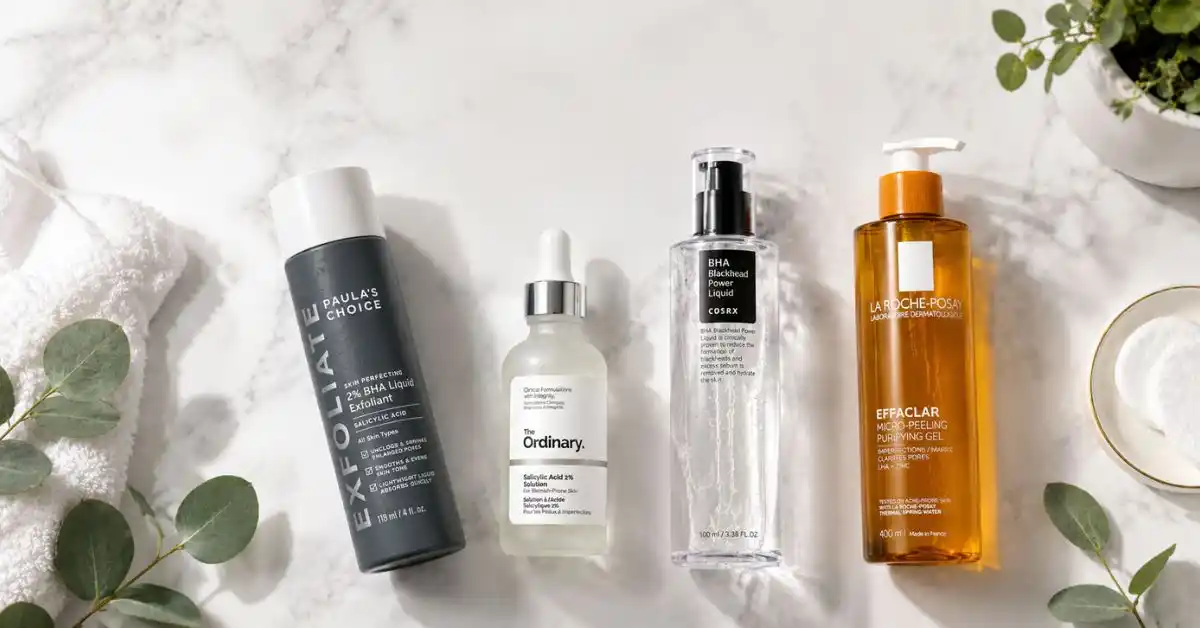
Choosing the best exfoliator for acne-prone skin can make a big difference in your skincare routine. The right exfoliator removes dead skin cells, unclogs pores, controls excess oil, and helps prevent future breakouts without damaging your skin barrier. However, using harsh scrubs or exfoliating too often can cause irritation, redness, and even more acne.
Dermatologists often recommend a chemical exfoliant for acne, especially one containing salicylic acid (BHA), because it penetrates deep into pores to remove excess oil and impurities. For people with sensitive skin, gentle exfoliants containing PHAs or lactic acid may be a better choice.
In this guide, you’ll learn how to choose the best exfoliator for acne-prone skin, understand the differences between AHA, BHA, and PHA, discover the top exfoliators for different skin types, and learn how to exfoliate safely for clearer, smoother, and healthier-looking skin.
In this complete dermatologist-informed guide, you’ll learn:
- What exfoliation actually does for acne-prone skin
- The difference between physical and chemical exfoliants
- Why a salicylic acid exfoliator is usually the best choice
- Which ingredients support healthy skin
- How to choose the right exfoliator based on your skin type
- Safe exfoliation practices that reduce irritation
Let’s begin with the basics.
Why Exfoliation Matters for Acne-Prone Skin
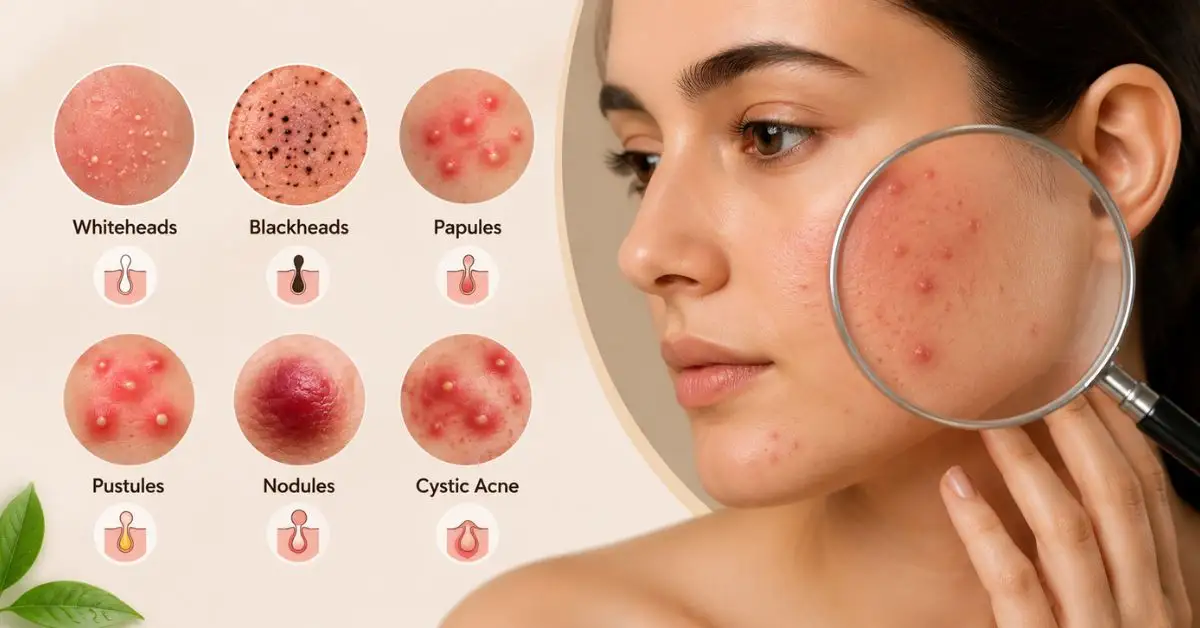
Healthy skin naturally sheds dead skin cells every day. However, acne-prone skin often struggles to remove these cells efficiently. When dead skin mixes with oil, dirt, and bacteria, pores become blocked. These clogged pores eventually develop into blackheads, whiteheads, or inflamed pimples.
Using the best exfoliator for acne-prone skin regularly can help keep pores clear, reduce excess oil, and improve your skin’s overall texture over time.
Benefits of Using the Best Exfoliator for Acne-Prone Skin
Choosing the right exfoliator offers several important benefits.
- Removes dead skin cells
- Unclogs pores
- Reduces blackheads and whiteheads
- Controls excess oil production
- Improves skin texture
- Helps fade acne scars and dark spots
- Allows serums and moisturizers to absorb better
- Creates smoother-looking skin
Unlike harsh cleansing, gentle exfoliation supports your skin’s natural renewal process without causing unnecessary damage.
Common Exfoliation Mistakes That Make Acne Worse
Many people unknowingly damage their skin while trying to clear acne.
Avoid these common mistakes:
❌ Using rough facial scrubs every day
❌ Scrubbing your face aggressively
❌ Combining multiple exfoliating acids at once
❌ Skipping moisturizer after exfoliation
❌ Forgetting sunscreen
❌ Using high-strength acids immediately
❌ Ignoring skin irritation
Instead, focus on gentle, consistent exfoliation that supports your skin barrier.
How Exfoliation Helps Different Types of Acne
Not every acne breakout develops for the same reason. Different forms of acne respond differently to exfoliating ingredients.
| Acne Type | Can Exfoliation Help? | Best Ingredient |
| Blackheads | ✅ Excellent | Salicylic Acid (BHA) |
| Whiteheads | ✅ Very Good | Salicylic Acid |
| Oily Acne | ✅ Excellent | BHA |
| Mild Pimples | ✅ Good | BHA + Niacinamide |
| Acne Marks | ✅ Good | Glycolic Acid (AHA) |
| Sensitive Acne | ✅ Gentle Improvement | PHA |
Physical vs Chemical Exfoliants: Which Is Better?
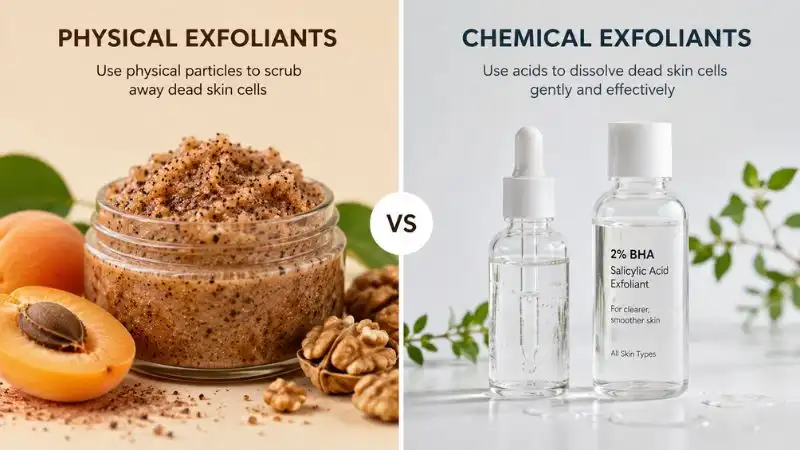
When choosing the best exfoliator for acne-prone skin, dermatologists usually recommend chemical exfoliants because they work gently without damaging the skin barrier.
There are two major types of exfoliants:
Physical Exfoliants
Physical exfoliants use tiny particles or textured tools to manually remove dead skin cells.
Examples include:
- Walnut shell scrubs
- Sugar scrubs
- Apricot scrubs
- Facial brushes
- Silicone cleansing pads
Pros
- Immediate smooth feeling
- Easy to use
- Affordable
Cons
- Can create tiny skin tears
- May increase redness
- Often irritates acne
- Can spread inflamed bacteria
- Not suitable for active breakouts
For most people with acne, dermatologists recommend avoiding harsh physical scrubs.
Chemical Exfoliants
Chemical exfoliants dissolve the bonds that hold dead skin cells together. Instead of rubbing the skin, they gently lift away dead cells through active ingredients.
Common chemical exfoliants include:
- Alpha Hydroxy Acids (AHAs)
- Beta Hydroxy Acids (BHAs)
- Polyhydroxy Acids (PHAs)
Chemical exfoliation usually provides more even results while causing less physical irritation.
Physical vs Chemical Exfoliation Comparison Table
| Feature | Physical Exfoliants | Chemical Exfoliants |
| Removes Dead Skin | ✅ | ✅ |
| Clears Pores | Limited | Excellent |
| Helps Blackheads | Moderate | Excellent |
| Helps Acne | Often Irritating | Highly Effective |
| Suitable for Sensitive Skin | Rarely | Yes (PHA) |
| Suitable for Oily Skin | Moderate | Excellent |
| Risk of Skin Damage | Higher | Lower (when used correctly) |
| Dermatologist Recommended | Less Often | Frequently |
Winner for Acne-Prone Skin: ⭐ Chemical exfoliants
Understanding AHA, BHA, and PHA
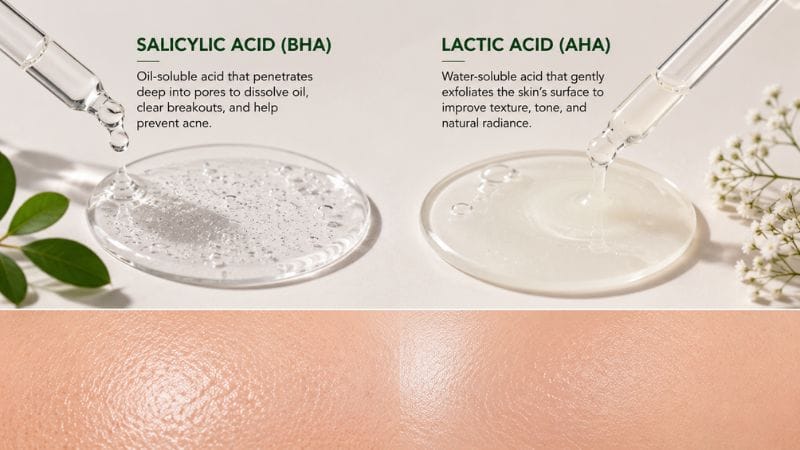
Not all acids work the same way. Choosing the correct exfoliating acid makes a huge difference.
AHA (Alpha Hydroxy Acid)
AHAs are water-soluble acids that work mainly on the skin’s surface.
Common AHAs include:
- Glycolic Acid
- Lactic Acid
- Mandelic Acid
Best For
- Acne scars
- Rough texture
- Dry skin
- Hyperpigmentation
- Uneven tone
AHAs smooth the skin and improve brightness, but they don’t penetrate oily pores as deeply as BHAs.
BHA (Beta Hydroxy Acid)
BHA is oil-soluble, allowing it to travel deep inside pores where acne begins.
The most common BHA is:
Salicylic Acid
This ingredient dissolves excess oil, loosens dead skin, and reduces clogged pores from within.
Benefits include:
- Clears blackheads
- Reduces whiteheads
- Controls oil
- Calms inflammation
- Helps prevent future acne
- Reduces enlarged pores
For this reason, dermatologists often recommend a salicylic acid exfoliator as the first choice for acne-prone skin.
PHA (Polyhydroxy Acid)
PHAs are the gentlest exfoliating acids available.
Common PHAs include:
- Gluconolactone
- Lactobionic Acid
Because their molecules are larger, they penetrate the skin more slowly. This reduces irritation while still providing gentle exfoliation.
Best For
- Sensitive acne skin
- Rosacea-prone skin
- Dry skin
- Beginners
- Compromised skin barrier
If you have easily irritated skin, a gentle exfoliator for sensitive acne skin with PHAs may be the safest place to start.
Which Acid Is Right for You?
| Skin Concern | Best Acid |
| Oily Acne | ⭐ Salicylic Acid (BHA) |
| Blackheads | ⭐ BHA |
| Whiteheads | ⭐ BHA |
| Acne Scars | Glycolic Acid (AHA) |
| Dry Acne Skin | Lactic Acid |
| Sensitive Acne | PHA |
| Combination Skin | BHA + Mild AHA (Alternating) |
Why Salicylic Acid (BHA) Is Often the Best Exfoliator for Acne-Prone Skin
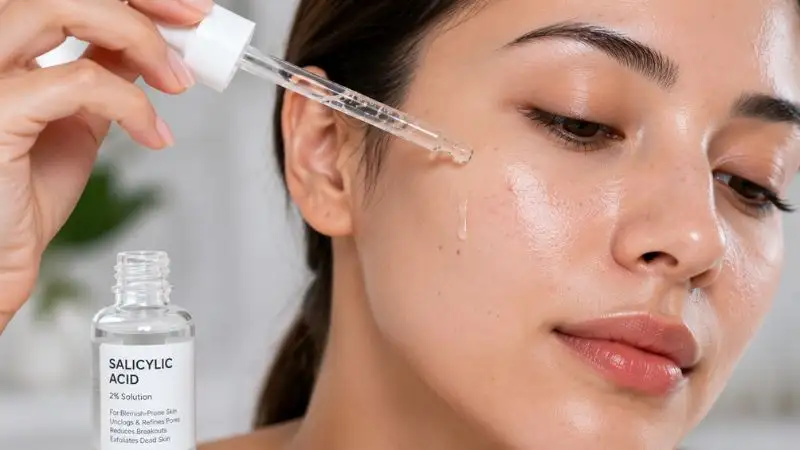
When experts recommend the best exfoliator for acne-prone skin, salicylic acid almost always tops the list—and for good reason.
Unlike surface-level exfoliants, salicylic acid is oil-soluble. This allows it to penetrate deep into pores, dissolve excess sebum, remove trapped dead skin cells, and prevent new clogs from forming. Since acne often starts inside the pore, targeting the buildup at its source makes BHA especially effective.
Key Benefits of Salicylic Acid
- Deeply unclogs pores
- Reduces blackheads and whiteheads
- Helps prevent future breakouts
- Controls excess oil without over-drying
- Calms inflammation and redness
- Improves overall skin texture
- Supports clearer skin with consistent use
For most people with oily or combination acne-prone skin, a 2% salicylic acid exfoliator used 2–3 times per week provides an excellent balance between effectiveness and skin safety.
For many people, a salicylic acid exfoliator is considered the best exfoliator for acne-prone skin because it targets clogged pores where acne begins.
Top 7 Best Exfoliators for Acne-Prone Skin (Dermatologist Favorites)
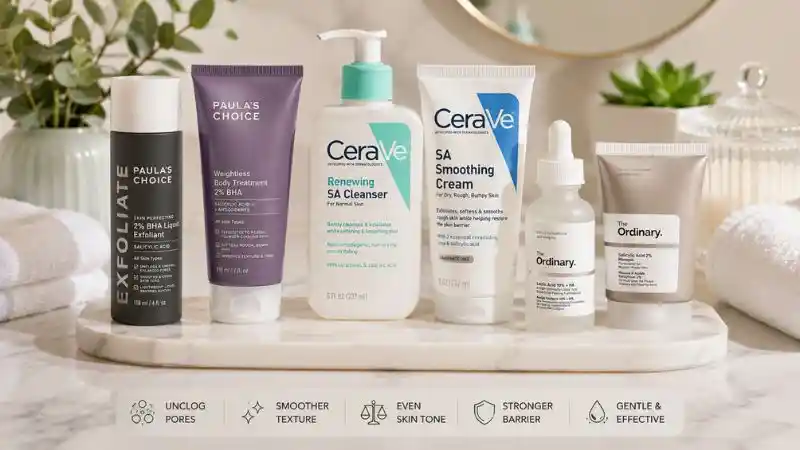
The products below were selected to help you find the best exfoliator for acne-prone skin, whether you have oily, combination, dry, or sensitive skin.
Quick Comparison Table
| Exfoliator | Type | Key Ingredient | Best For | Frequency |
| Paula’s Choice Skin Perfecting 2% BHA | Liquid | 2% Salicylic Acid | Oily & Acne-Prone Skin | 2–4x Weekly |
| The Ordinary Salicylic Acid 2% | Serum | 2% Salicylic Acid | Blackheads & Whiteheads | 2–3x Weekly |
| COSRX BHA Blackhead Power Liquid | Essence | Betaine Salicylate | Sensitive Oily Skin | 2–3x Weekly |
| The Inkey List PHA Toner | Toner | PHA + Niacinamide | Sensitive Acne Skin | 2–4x Weekly |
| CeraVe SA Smoothing Cleanser | Cleanser | Salicylic Acid + Ceramides | Skincare Beginners | Daily / Every Other Day |
| The Ordinary Lactic Acid 5% + HA | Serum | Lactic Acid | Acne Marks & Dry Skin | 2x Weekly |
| Medik8 Press & Clear | Toner | Encapsulated Salicylic Acid | Combination Skin | Daily / Alternate Days |
1. Paula’s Choice Skin Perfecting 2% BHA Liquid Exfoliant
Product Type
Leave-on Liquid Exfoliant
Key Ingredient
- 2% Salicylic Acid (BHA)
Best For
- Oily skin
- Acne-prone skin
- Blackheads
- Enlarged pores
- Combination skin
This product has earned its reputation as one of the most effective salicylic acid exfoliators available. Its lightweight formula penetrates deep into pores, dissolves excess oil, and removes dead skin cells without harsh scrubbing.
With consistent use, many people notice smoother skin, fewer clogged pores, and a reduction in blackheads.
Pros
✔ Deep pore cleansing
✔ Lightweight texture
✔ Improves skin texture
✔ Helps prevent future breakouts
✔ Fragrance-free
Cons
✘ May feel drying for very dry skin
✘ Requires sunscreen during the day
Rating: ⭐⭐⭐⭐⭐ (5/5)
2. The Ordinary Salicylic Acid 2% Solution
Product Type
Leave-on Serum
Key Ingredient
- 2% Salicylic Acid
Best For
- Active acne
- Whiteheads
- Blackheads
- Teen acne
- Oily skin
If you want an affordable chemical exfoliant for acne, this serum is an excellent choice. It targets clogged pores while reducing excess oil production.
The lightweight texture absorbs quickly and fits easily into both morning and evening skincare routines.
Pros
✔ Budget-friendly
✔ Fast absorption
✔ Helps clear pores
✔ Simple ingredient list
✔ Suitable for oily skin
Cons
✘ Can irritate beginners if used too often
✘ Needs moisturizer afterward
Rating: ⭐⭐⭐⭐☆ (4.8/5)
3. COSRX BHA Blackhead Power Liquid
Product Type
Leave-on Essence
Key Ingredient
- Betaine Salicylate (Gentler BHA)
Best For
- Sensitive acne-prone skin
- Mild breakouts
- Oily skin
- Beginners
Unlike stronger salicylic acid products, this exfoliant uses Betaine Salicylate, a gentler BHA that exfoliates while reducing the risk of irritation.
It gradually clears pores and smooths rough skin, making it one of the top choices for the _best exfoliator for acne-prone skin without causing excessive dryness.
Pros
✔ Gentle formula
✔ Hydrating texture
✔ Good for beginners
✔ Helps reduce blackheads
✔ Alcohol-free
Cons
✘ Results may take longer
✘ Not ideal for severe acne
Rating: ⭐⭐⭐⭐⭐ (4.9/5)
4. The Inkey List PHA Toner
Product Type
Exfoliating Toner
Key Ingredients
- PHA
- Niacinamide
Best For
- Sensitive skin
- Dry acne-prone skin
- Redness
- First-time exfoliator users
If your skin becomes irritated easily, this may be the gentle exfoliator for sensitive acne skin you’ve been looking for.
PHAs exfoliate slowly while helping your skin retain moisture. Niacinamide supports the skin barrier and helps reduce redness.
Pros
✔ Very gentle
✔ Hydrating
✔ Strengthens skin barrier
✔ Suitable for beginners
✔ Less irritation
Cons
✘ Slower visible results
✘ Not strong enough for severe blackheads
Rating: ⭐⭐⭐⭐☆ (4.7/5)
5. CeraVe SA Smoothing Cleanser
Product Type
Exfoliating Face Cleanser
Key Ingredients
- Salicylic Acid
- Ceramides
- Hyaluronic Acid
Best For
- Daily cleansing
- Beginners
- Combination skin
- Mild acne
Unlike leave-on exfoliants, this cleanser washes away dirt while gently exfoliating.
Ceramides help maintain the skin barrier, while hyaluronic acid keeps skin hydrated during cleansing.
This makes it an excellent choice for people who want mild daily exfoliation without overwhelming their skin.
Pros
✔ Gentle enough for regular use
✔ Non-comedogenic
✔ Hydrating
✔ Supports skin barrier
✔ Suitable for most skin types
Cons
✘ Less powerful than leave-on treatments
✘ May not remove stubborn blackheads alone
Rating: ⭐⭐⭐⭐⭐ (4.9/5)
6. The Ordinary Lactic Acid 5% + HA
Product Type
Exfoliating Serum
Key Ingredients
- Lactic Acid (AHA)
- Hyaluronic Acid
Best For
- Acne scars
- Uneven texture
- Dry skin
- Dull complexion
This product focuses more on improving skin texture than treating active acne.
Lactic acid gently removes surface dead skin cells while hyaluronic acid provides hydration.
It works especially well for people dealing with post-acne marks.
Pros
✔ Brightens skin
✔ Smooths rough texture
✔ Helps fade acne marks
✔ Hydrating formula
✔ Beginner-friendly AHA
Cons
✘ Does not deeply unclog pores
✘ Less effective for oily acne
Rating: ⭐⭐⭐⭐☆ (4.8/5)
7. Medik8 Press & Clear
Product Type
Leave-on Toner
Key Ingredients
- Encapsulated Salicylic Acid
- Soothing Botanical Extracts
Best For
- Combination skin
- Adult acne
- Sensitive oily skin
This exfoliator delivers salicylic acid slowly throughout the day, reducing irritation while keeping pores clear.
The time-release technology makes it suitable for people who normally struggle with stronger BHA products.
Pros
✔ Gentle daily exfoliation
✔ Time-release formula
✔ Helps prevent clogged pores
✔ Low irritation
✔ Elegant lightweight texture
Cons
✘ Higher price point
✘ May not suit extremely dry skin
Rating: ⭐⭐⭐⭐⭐ (4.9/5)
Comparison Table: Which Exfoliator Should You Choose?
| Skin Concern | Recommended Exfoliator | Why It Works |
| Oily Acne | Paula’s Choice 2% BHA | Deep pore cleansing |
| Blackheads | The Ordinary Salicylic Acid | Dissolves oil buildup |
| Whiteheads | COSRX BHA Power Liquid | Gentle pore exfoliation |
| Sensitive Acne | The Inkey List PHA Toner | Low irritation |
| Daily Maintenance | CeraVe SA Cleanser | Gentle cleansing + exfoliation |
| Acne Scars | The Ordinary Lactic Acid | Improves texture and tone |
| Adult Acne | Medik8 Press & Clear | Time-release BHA |
Which Exfoliator Is Best for Your Skin Type?
Choosing the best exfoliator for acne-prone skin depends on your skin type and concerns. Here’s a quick guide:
| Skin Type | Best Choice |
| Oily Skin | Paula’s Choice 2% BHA Liquid |
| Combination Skin | Medik8 Press & Clear |
| Dry Acne-Prone Skin | The Ordinary Lactic Acid 5% + HA |
| Sensitive Acne-Prone Skin | The Inkey List PHA Toner |
| Teen Acne | The Ordinary Salicylic Acid 2% |
| Beginner | CeraVe SA Smoothing Cleanser |
| Blackheads & Congested Pores | COSRX BHA Blackhead Power Liquid |
Expert Tip: If you’re new to exfoliation, start with a gentle formula 2–3 times a week. As your skin builds tolerance, you can adjust the frequency based on how your skin responds. Pair your exfoliator with a non-comedogenic moisturizer and wear sunscreen daily to protect your skin barrier.
How to Use the Best Exfoliator for Acne-Prone Skin Safely
Using the best exfoliator for acne-prone skin correctly is just as important as choosing the right product. Even the most effective chemical exfoliant for acne can cause irritation if you use it too often or combine it with incompatible skincare ingredients.
Even the best exfoliator for acne-prone skin should be introduced slowly to avoid irritation and protect your skin barrier.
Step-by-Step Exfoliation Routine for Acne-Prone Skin
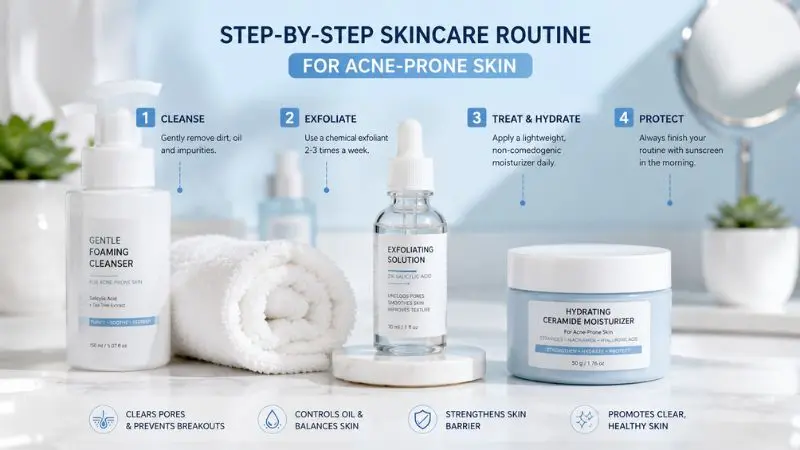
Follow this simple routine to get the best results without irritating your skin.
Step 1: Cleanse Your Face
Wash your face with a gentle, fragrance-free cleanser to remove makeup, sunscreen, excess oil, and dirt.
Avoid harsh cleansers that leave your skin feeling tight.
Step 2: Pat Skin Dry
Use a clean, soft towel and gently pat your face dry.
Do not rub your skin because friction can worsen inflammation.
Step 3: Apply Your Exfoliator
Apply a thin, even layer of your chosen exfoliant.
Whether you’re using a salicylic acid exfoliator, AHA, or PHA, follow the product instructions carefully.
Do not use more product than recommended. More product does not mean better results.
Step 4: Wait Before Applying Other Products
Allow the exfoliant to absorb for one to three minutes.
This gives the active ingredients time to work before applying the next skincare product.
Step 5: Apply a Hydrating Moisturizer
Moisturizing after exfoliation helps restore the skin barrier and reduces dryness.
Look for moisturizers containing:
- Ceramides
- Hyaluronic Acid
- Glycerin
- Squalane
- Panthenol
These ingredients help lock in moisture without clogging pores.
Step 6: Wear Sunscreen Every Morning
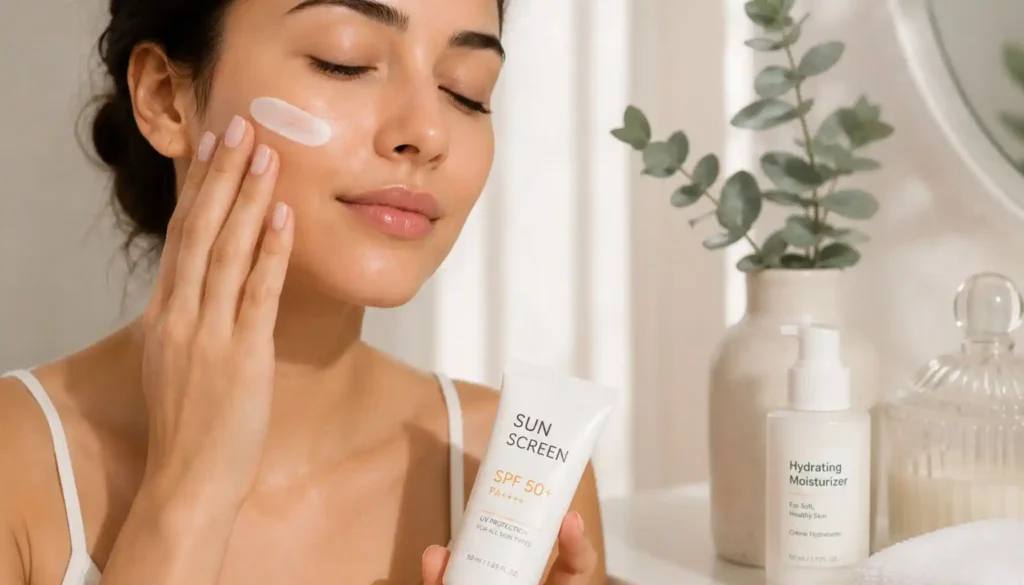
Exfoliated skin becomes more sensitive to sunlight.
Use a broad-spectrum sunscreen with SPF 30 or higher every morning, even on cloudy days.
Daily sunscreen also helps prevent acne scars and post-inflammatory hyperpigmentation from becoming darker.
How Often Should You Exfoliate?
Many people think using the best exfoliator for acne-prone skin every day clears acne faster. In reality, over-exfoliating is one of the biggest causes of irritated, breakout-prone skin.
Start slowly and let your skin adjust.
Recommended Frequency
| Skin Type | Frequency |
| Oily Skin | 2–4 times per week |
| Combination Skin | 2–3 times per week |
| Dry Skin | 1–2 times per week |
| Sensitive Skin | Once weekly, then increase if tolerated |
| Beginners | Once or twice weekly |
If your skin feels tight, flaky, or stings after applying moisturizer, reduce how often you exfoliate.
Morning or Night: When Should You Exfoliate?
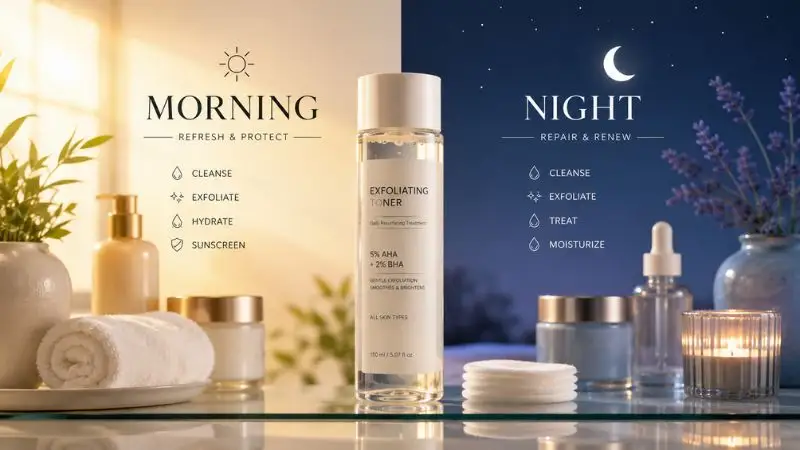
Most dermatologists recommend exfoliating at night.
Why Night Is Better
- Skin naturally repairs itself while you sleep.
- You reduce sun sensitivity during the day.
- Your moisturizer can work overnight.
- There is less risk of UV damage immediately after exfoliation.
Patch testing lowers the risk of severe irritation and allergic reactions when using the best exfoliator for acne-prone skin.
How to Patch Test a New Exfoliator
Before using any new exfoliating product on your entire face, perform a patch test.
Follow These Steps
- Apply a small amount behind your ear or along your jawline.
- Wait 24–48 hours.
- Watch for redness, swelling, itching, or burning.
- If your skin stays calm, begin using it on your face.
Patch testing lowers the risk of severe irritation and allergic reactions when using the best exfoliator for acne-prone skin.
Signs You’re Over-Exfoliating
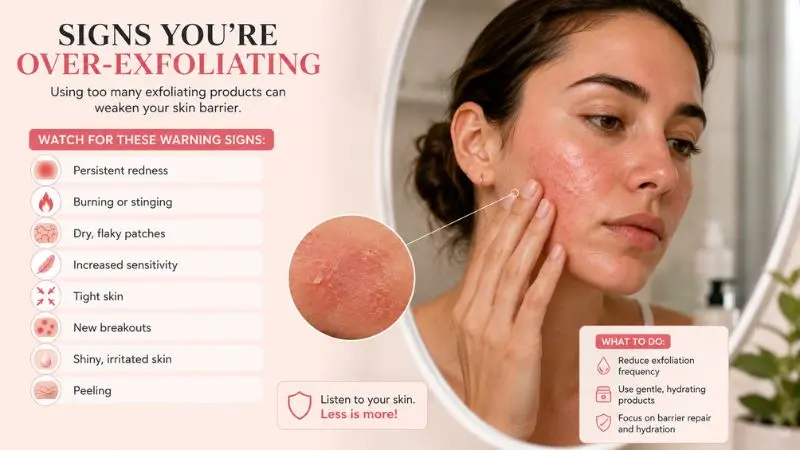
Using too many exfoliating products can weaken your skin barrier.
Watch for these warning signs:
- Persistent redness
- Burning or stinging
- Dry, flaky patches
- Increased sensitivity
- Tight skin
- New breakouts
- Shiny, irritated skin
- Peeling
If you notice these symptoms, stop exfoliating for several days and focus on hydration and barrier repair.
Ingredients to Avoid for Acne-Prone Skin
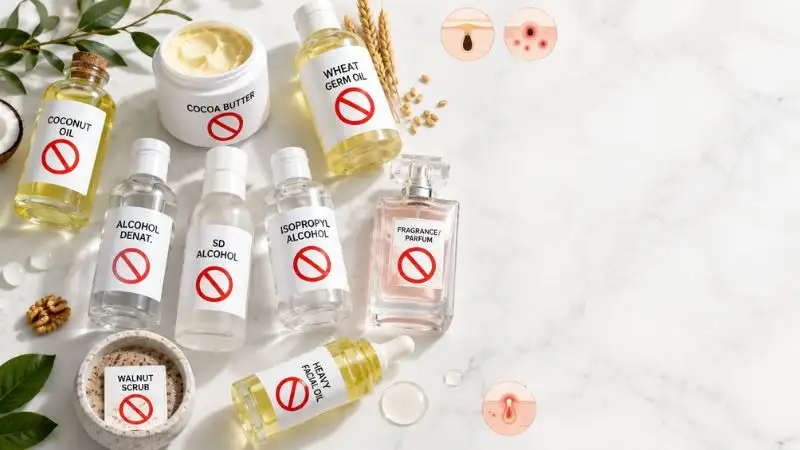
Not every skincare ingredient works well with acne-prone skin. Some ingredients can clog pores, increase irritation, or trigger new breakouts.
Comedogenic Oils and Butters
These ingredients may block pores in some people.
- Coconut Oil
- Cocoa Butter
- Wheat Germ Oil
Harsh Alcohols
These alcohols can strip away the skin’s natural moisture.
Avoid:
- Alcohol Denat.
- SD Alcohol
- Isopropyl Alcohol
Strong Fragrances
Artificial fragrances are a common cause of irritation, especially for sensitive skin.
Choose fragrance-free products whenever possible.
Rough Physical Scrubs
Avoid products containing:
- Crushed walnut shells
- Apricot kernels
- Large sugar crystals
- Sharp exfoliating beads
These can create tiny tears in the skin and worsen inflammation.
Heavy Oils
Some thick oils may feel nourishing but can clog pores in acne-prone skin.
Use caution with:
- Mineral oil (depending on formulation)
- Lanolin
- Certain thick plant oils
Avoiding pore-clogging and irritating ingredients allows the best exfoliator for acne-prone skin to work more effectively.
Ingredients That Pair Well with Exfoliators
Some ingredients support exfoliation while keeping the skin calm and hydrated.
| Ingredient | Benefit |
| Niacinamide | Reduces redness and controls oil |
| Ceramides | Repairs the skin barrier |
| Hyaluronic Acid | Deep hydration |
| Glycerin | Moisture retention |
| Panthenol | Soothes irritation |
| Green Tea Extract | Calms inflammation |
| Centella Asiatica | Supports healing |
These ingredients can help minimize dryness, improve your skin’s tolerance to exfoliating acids, and enhance the results of the best exfoliator for acne-prone skin.
Common Exfoliation Mistakes to Avoid
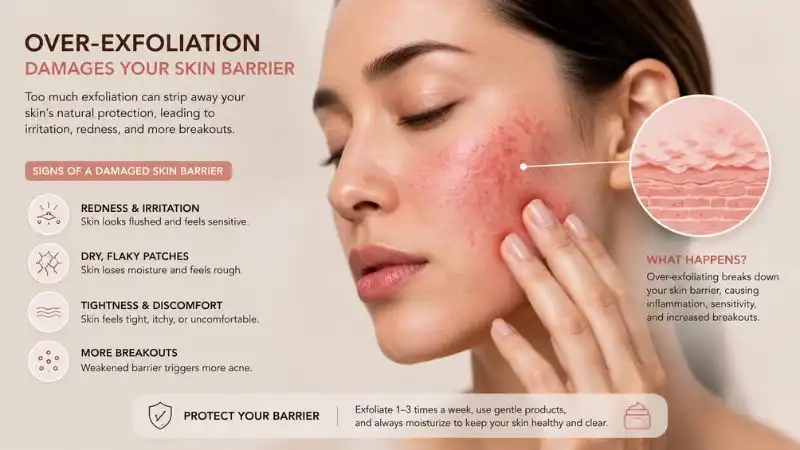
Avoiding these mistakes can make a significant difference in your skincare results.
Using Multiple Acids Together
Combining AHAs, BHAs, retinoids, and strong vitamin C products in one routine can overwhelm your skin.
Introduce one active ingredient at a time.
Exfoliating Every Day
More exfoliation does not equal clearer skin.
Most people with acne-prone skin benefit from exfoliating only a few times each week.
Skipping Moisturizer
Even oily skin needs hydration.
Without moisturizer, your skin may produce more oil to compensate for dryness.
Picking Pimples
Picking at acne can spread bacteria and increase the risk of scarring.
Allow your skincare routine to do the work.
Forgetting Sunscreen
Freshly exfoliated skin is more vulnerable to UV damage.
Daily sunscreen is essential for preventing dark spots and protecting your skin barrier.
Dermatologist Tips for Better Results
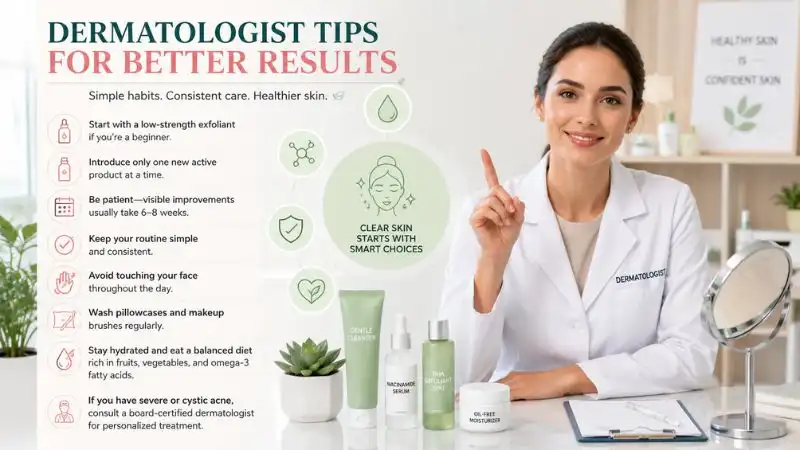
Dermatologists often recommend these habits for healthier, clearer skin:
- Start with a low-strength exfoliant if you’re a beginner.
- Introduce only one new active product at a time.
- Be patient—visible improvements usually take 6–8 weeks.
- Keep your routine simple and consistent.
- Avoid touching your face throughout the day.
- Wash pillowcases and makeup brushes regularly.
- Stay hydrated and eat a balanced diet rich in fruits, vegetables, and omega-3 fatty acids.
- If you have severe or cystic acne, consult a board-certified dermatologist for personalized treatment.
Quick Do’s and Don’ts
| ✅ Do | ❌ Don’t |
| Start slowly | Exfoliate every day |
| Patch test new products | Use harsh scrubs |
| Moisturize after exfoliating | Skip sunscreen |
| Wear SPF 30+ daily | Mix too many active ingredients |
| Listen to your skin | Ignore signs of irritation |
Frequently Asked Questions (FAQs)
1. What is the best exfoliator for acne-prone skin?
A salicylic acid (BHA) exfoliator is often the best choice because it unclogs pores, controls excess oil, and helps prevent breakouts.
2. How often should I exfoliate acne-prone skin?
Most people should exfoliate 2–3 times a week. If you have sensitive skin, start with once a week.
3. Is a chemical exfoliant better than a physical scrub?
Yes. A chemical exfoliant for acne is generally gentler and more effective than harsh facial scrubs.
4. Can I use salicylic acid every day?
If you’re a beginner, use it 2–3 times a week. Daily use may be suitable only if your skin tolerates it well.
5. Should I moisturize after exfoliating?
Yes. Always apply a non-comedogenic moisturizer after exfoliating to keep your skin hydrated and protect the skin barrier.
Conclusion
Choosing the best exfoliator for acne-prone skin doesn’t have to be difficult. The key is selecting an exfoliator that matches your skin type and using it consistently without over-exfoliating. For most people, a salicylic acid exfoliator is the best option because it clears clogged pores, controls excess oil, and helps prevent future breakouts.
If your skin is sensitive, consider a gentle PHA or lactic acid exfoliator instead. Pair your exfoliator with a gentle cleanser, a non-comedogenic moisturizer, and a broad-spectrum sunscreen for the best results. With patience and a consistent skincare routine, you can enjoy clearer, smoother, and healthier-looking skin over time.
By selecting the best exfoliator for acne-prone skin and following a consistent skincare routine, you can achieve clearer, smoother, and healthier-looking skin while reducing future breakouts.




Leave a Reply