
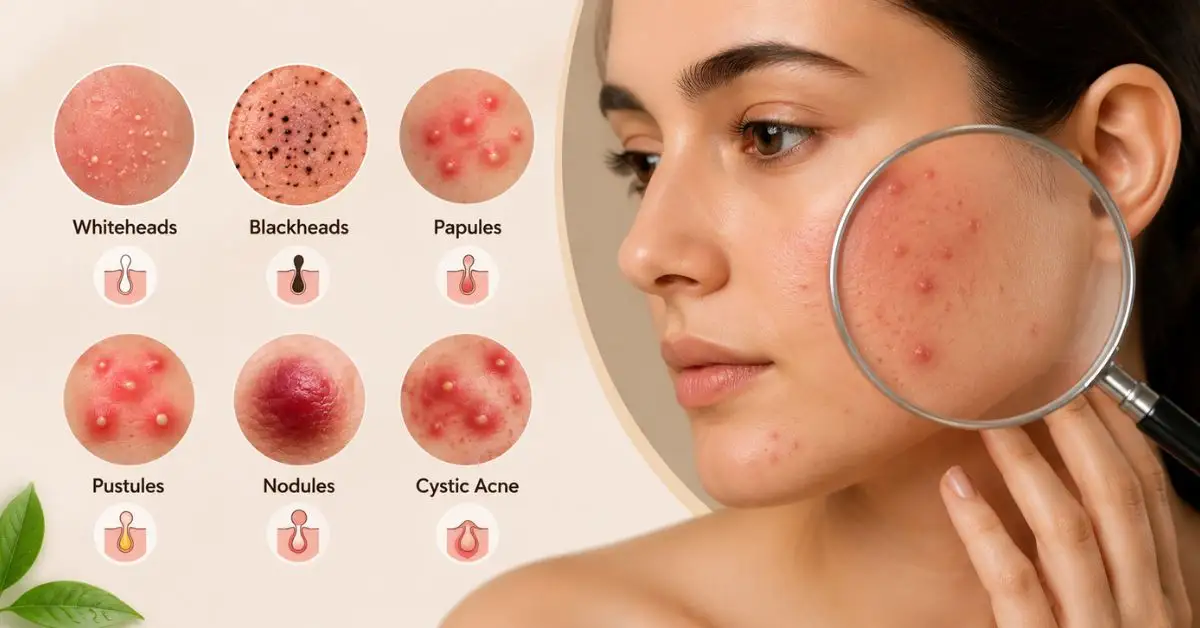
Types of Acne and How to Treat Them is one of the most searched skincare topics because every acne breakout needs a different treatment approach. Understanding your acne type can help you choose the right products and prevent long-term skin damage. While many people think every breakout is the same, acne actually comes in several forms. Each type develops differently and responds to different treatment methods. Understanding the difference can save you time, money, and frustration while helping you choose products that truly work.
If you’ve ever wondered why one pimple disappears overnight while another leaves a scar for months, the answer often lies in understanding the Types of Acne and How to Treat Them. Identifying the specific type of acne you’re dealing with helps you choose the right treatment instead of relying on random products recommended on social media. A personalized approach is always more effective and can lead to healthier, clearer skin over time.
In this complete guide, you’ll learn what causes acne, how to identify each type, and understand the Types of Acne and How to Treat Them with dermatologist-recommended solutions. You’ll also discover simple skincare habits that support long-term skin health and help prevent future breakouts.
Types of Acne and How to Treat Them: Understanding the Different Forms
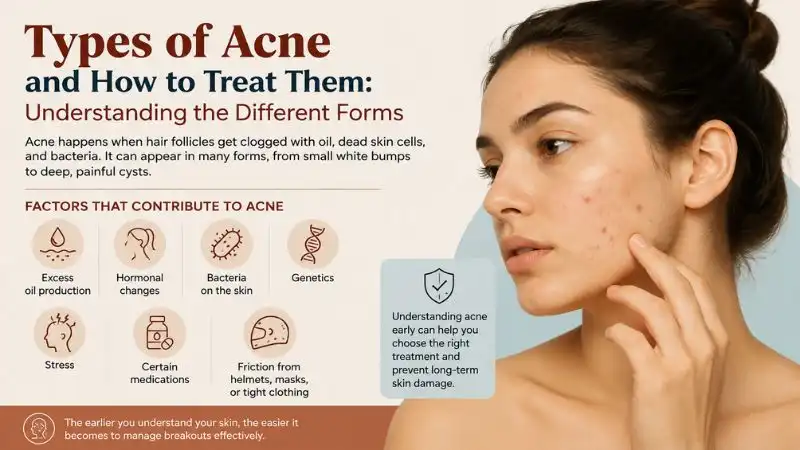
Acne is an inflammatory skin condition that develops when hair follicles become blocked with excess oil (sebum), dead skin cells, and bacteria. These clogged pores can lead to different kinds of blemishes, making it important to understand the Types of Acne and How to Treat Them, from tiny white bumps to painful cysts beneath the skin.
Several factors contribute to acne, including:
- Excess oil production
- Hormonal changes
- Bacteria on the skin
- Genetics
- Stress
- Certain medications
- Friction from helmets, masks, or tight clothing
Although acne is not dangerous, untreated breakouts may lead to permanent scarring, dark spots, and emotional distress. Understanding the Types of Acne and How to Treat Them early can help you choose the right treatment and reduce the risk of long-term skin damage. The earlier you understand your skin, the easier it becomes to manage breakouts effectively.
Summary of Acne Types and Treatments
| Acne Type | Appearance | Main Cause | Best Treatment |
| Whiteheads | Small white bumps | Clogged closed pores | Salicylic acid, retinoids |
| Blackheads | Open dark pores | Oil oxidation | Salicylic acid, gentle exfoliation |
| Papules | Red inflamed bumps | Inflammation | Benzoyl peroxide, adapalene |
| Pustules | Pimples with white or yellow pus | Bacterial inflammation | Benzoyl peroxide, topical antibiotics |
| Nodules | Large painful lumps | Deep inflammation | Prescription medication |
| Cystic Acne | Deep painful cysts | Severe inflammation and hormones | Dermatologist treatment, isotretinoin in selected cases |
Whiteheads
What Are Whiteheads?
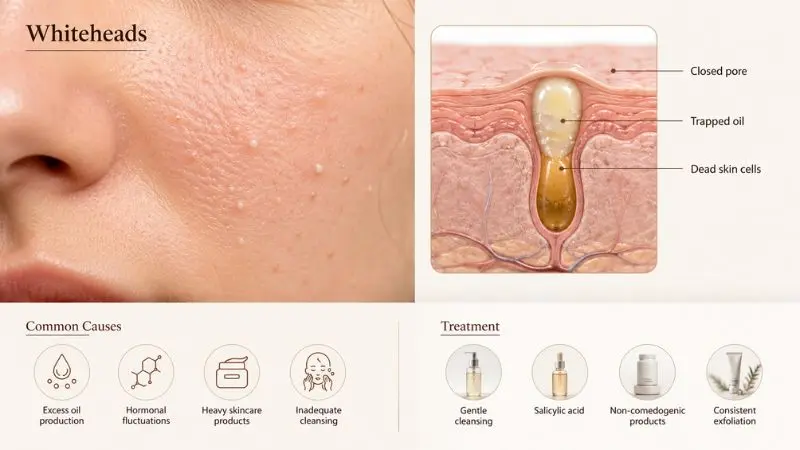
Whiteheads form when pores become clogged with oil and dead skin cells but remain closed at the surface. Because the pore stays sealed, the trapped material appears as a small white or flesh-colored bump.
Common Causes
- Excess oil production
- Hormonal fluctuations
- Heavy skincare products
- Inadequate cleansing
Treatment
Most whiteheads respond well to over-the-counter acne treatment products containing salicylic acid or adapalene. These ingredients help unclog pores and reduce future breakouts.
Avoid squeezing whiteheads, as this can damage the skin and increase the risk of post-inflammatory hyperpigmentation. Understanding the Types of Acne and How to Treat Them can help you manage breakouts more safely and effectively.
Blackheads
What Are Blackheads?
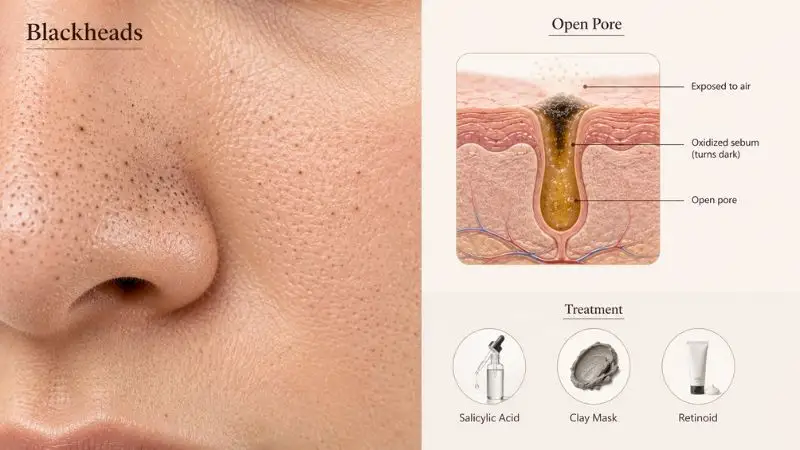
Blackheads are open clogged pores. Their dark color is not dirt. Instead, it develops when trapped oil is exposed to oxygen and oxidizes.
Blackheads commonly appear on the nose, forehead, chin, and cheeks.
Treatment
A consistent skincare routine is the most effective way to control blackheads. Understanding the Types of Acne and How to Treat Them can also help you choose products containing salicylic acid, which penetrates oily pores and removes buildup.
Clay masks can also help absorb excess oil, while retinoids improve skin cell turnover and reduce future blockages.
Avoid harsh scrubs because aggressive exfoliation can irritate the skin and trigger even more oil production.
Papules
What Are Papules?
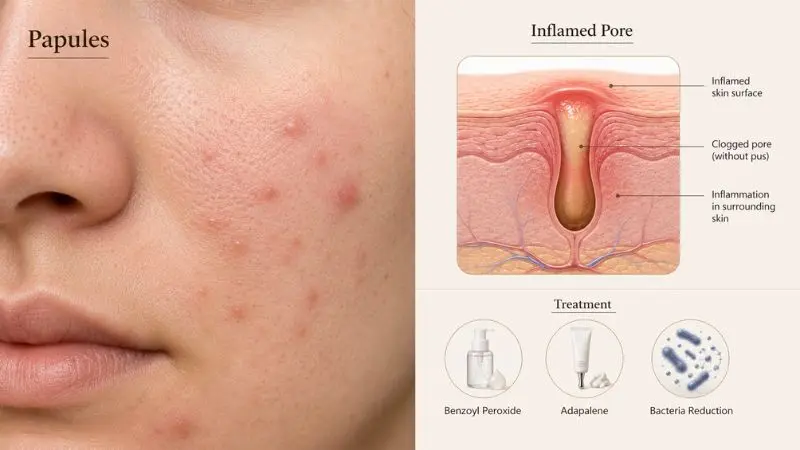
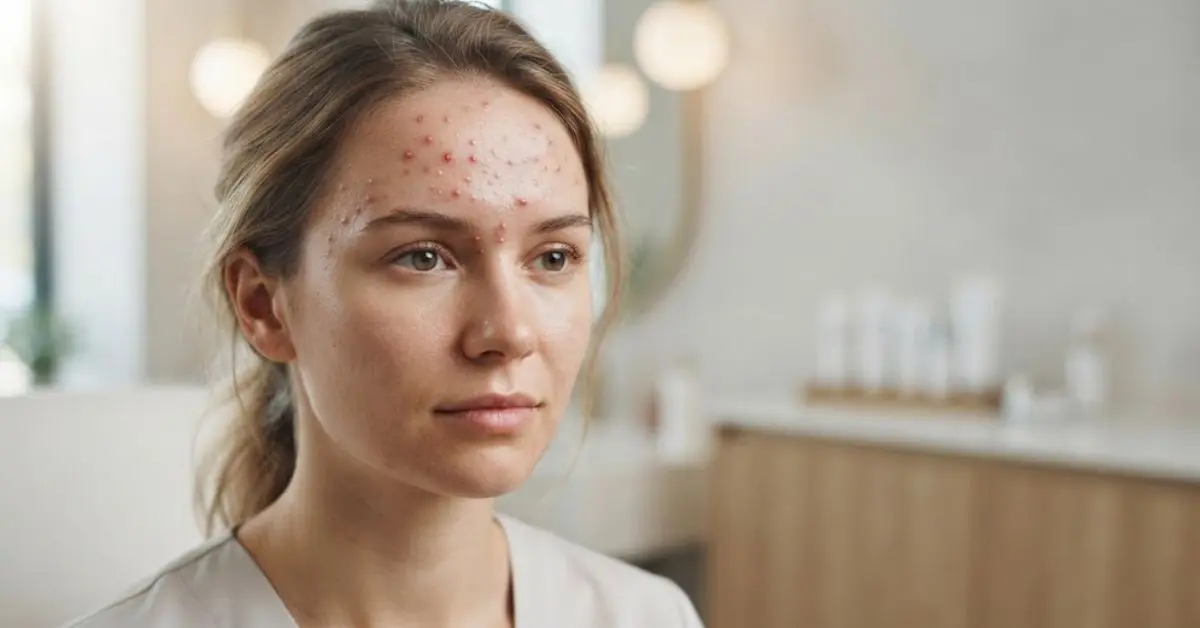
Papules are small, red, inflamed bumps without visible pus. They develop when clogged pores become irritated and inflamed beneath the skin.
Papules often feel tender to the touch and may appear in clusters.
Treatment
Dermatologists often recommend benzoyl peroxide to reduce acne-causing bacteria and adapalene to prevent clogged pores. Consistent use is more important than applying large amounts.
Never pick papules, as doing so increases inflammation and raises the risk of acne scars.
Pustules
What Are Pustules?
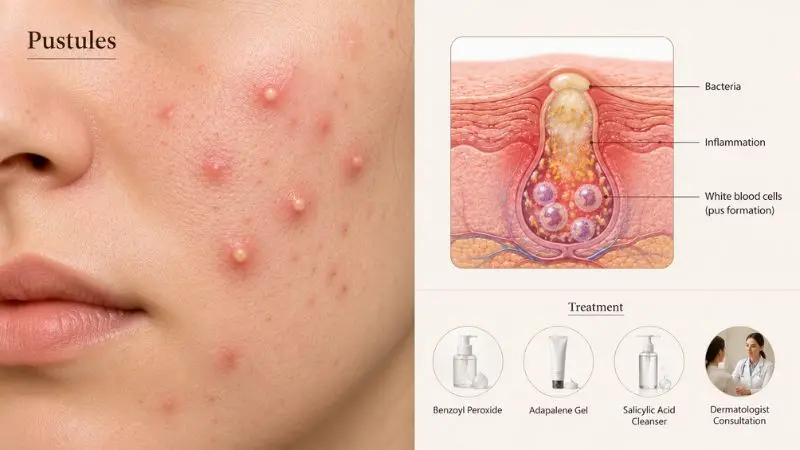
Pustules are inflamed pimples filled with white or yellow pus. They develop when bacteria multiply inside clogged pores, triggering your immune system to send white blood cells to the area. This response creates the pus you see on the surface, making it important to understand the Types of Acne and How to Treat Them for proper care.
These blemishes often appear on the face, chest, shoulders, and back. While they may look tempting to pop, doing so can push bacteria deeper into the skin and increase the risk of scarring.
Best Treatment
Treat pustules with products that reduce bacteria and inflammation while keeping pores clear.
Effective options include:
- Benzoyl peroxide (2.5%–5%)
- Adapalene gel
- Salicylic acid cleanser
- Prescription topical antibiotics when recommended by a dermatologist
If you develop frequent or widespread pustules, schedule a dermatology appointment instead of relying only on over-the-counter products. A dermatologist can accurately diagnose the Types of Acne and How to Treat Them, helping you choose the most effective treatment and reduce the risk of scarring.
Nodules
What Are Nodules?
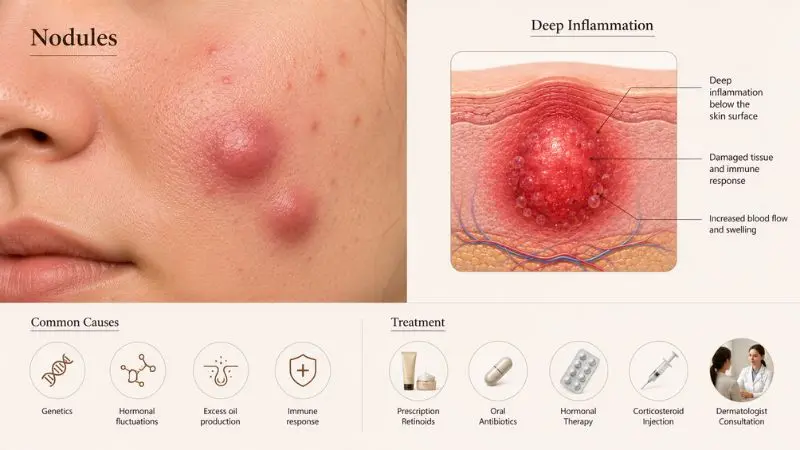
Nodules are large, hard, painful lumps that form deep beneath the skin. Unlike ordinary pimples, they don’t develop a visible whitehead because the inflammation occurs far below the surface.
Nodular acne is considered a severe form of acne and often leaves permanent scars if left untreated.
Common Causes
Several factors increase the risk of nodular acne, including:
- Hormonal changes
- Genetics
- Excess oil production
- Delayed treatment of inflammatory acne
Best Treatment
Home remedies usually aren’t enough for nodules.
A dermatologist may recommend:
- Prescription retinoids
- Oral antibiotics
- Hormonal therapy for appropriate patients
- Corticosteroid injections for large painful nodules
- Oral isotretinoin in severe cases
Avoid trying to squeeze a nodule. Because it sits deep beneath the skin, popping it rarely works and usually makes inflammation worse. Knowing the Types of Acne and How to Treat Them can help you choose a safer and more effective treatment.
Cystic Acne
What Is Cystic Acne?
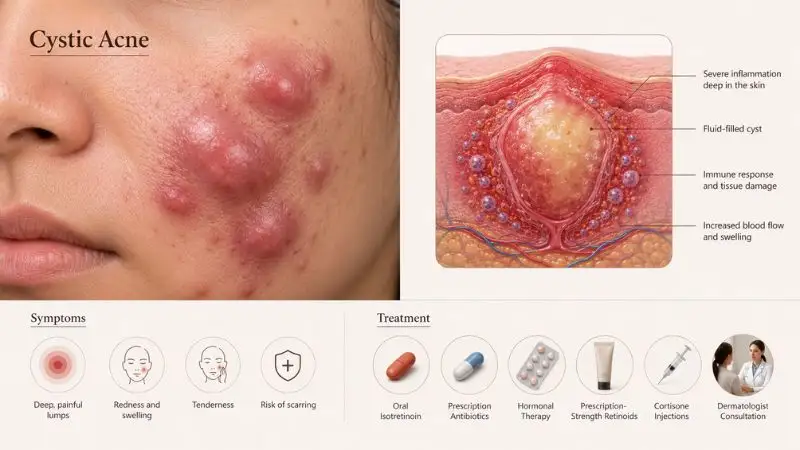
Cystic acne is the most severe type of acne. It develops when inflammation extends deep into the skin, creating painful, swollen cysts filled with fluid and inflammatory material.
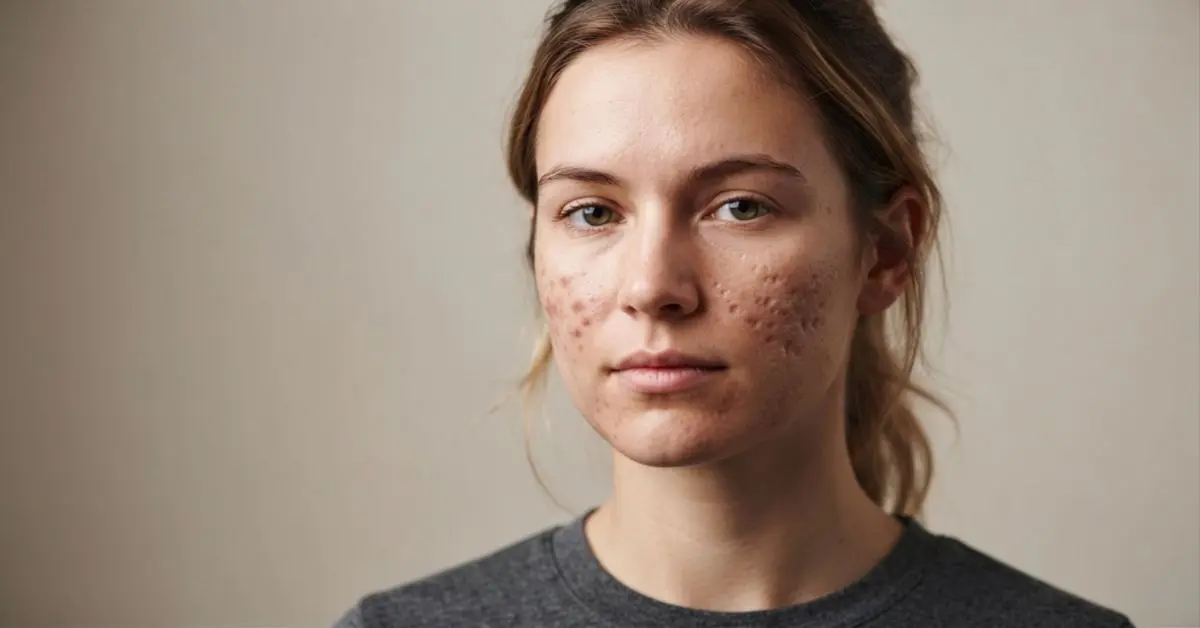
These breakouts are often tender and may remain for weeks. Without proper treatment, they frequently lead to acne scars and long-lasting dark spots.
Symptoms
You may have cystic acne if you notice:
- Large painful bumps
- Deep swelling
- Persistent inflammation
- Multiple breakouts at the same time
- Scarring after healing
Best Treatment
Cystic acne almost always requires professional care.
A dermatologist may recommend:
- Oral isotretinoin
- Prescription antibiotics
- Hormonal medications for hormonal acne
- Prescription-strength retinoids
- Cortisone injections for severe cysts
Seeking treatment early can greatly reduce the chance of permanent scarring.
Dos and Don’ts of Acne Treatment
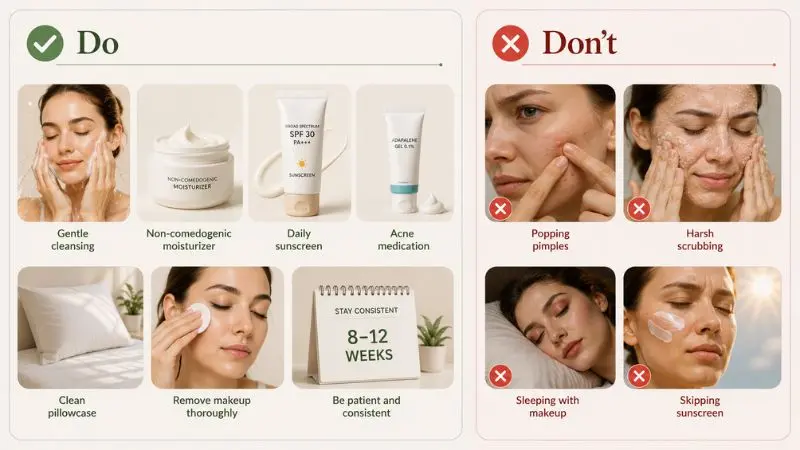
Do
- Wash your face twice daily with a gentle cleanser.
- Wear non-comedogenic moisturizer every day.
- Apply sunscreen every morning.
- Use acne medications consistently.
- Change pillowcases regularly.
- Remove makeup before sleeping.
- Be patient, as most treatments take 8–12 weeks to show noticeable improvement.
Don’t
- Pop or squeeze pimples.
- Overwash your face.
- Use harsh scrubs every day.
- Apply multiple strong active ingredients at the same time without guidance.
- Skip moisturizer because your skin feels oily.
- Expect overnight results.
Daily Skincare Routine for Acne-Prone Skin
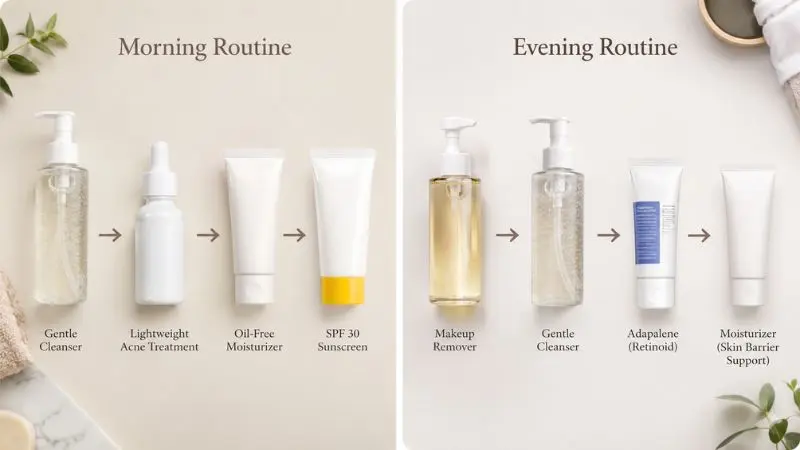
A simple routine is often more effective than using many products.
Morning Routine
- Cleanse with a gentle cleanser.
- Apply a lightweight acne treatment if recommended.
- Use an oil-free moisturizer.
- Finish with a broad-spectrum SPF 30 or higher sunscreen.
Evening Routine
- Remove makeup and sunscreen.
- Wash with a gentle cleanser.
- Apply adapalene or another prescribed retinoid.
- Moisturize to support your skin barrier.
Keeping your skincare routine consistent is one of the best ways to improve skin health over time.
Expert Tips to Prevent Acne
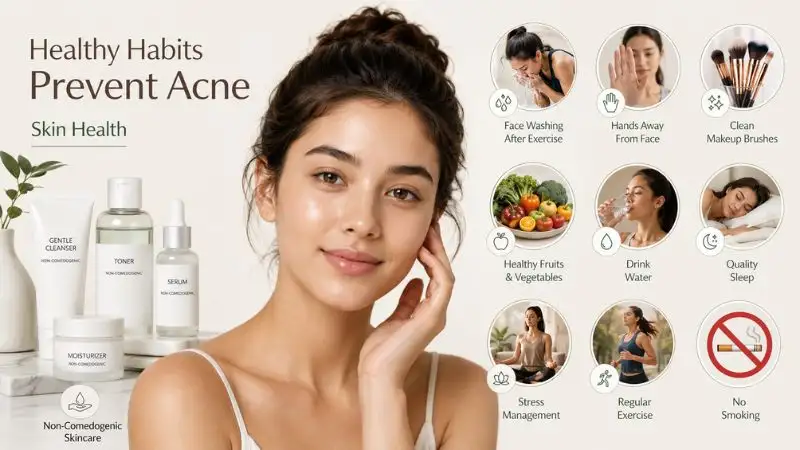
Although acne cannot always be prevented, healthy habits can reduce future breakouts.
- Choose non-comedogenic skincare and makeup products.
- Wash your face after heavy sweating.
- Keep your hands away from your face.
- Clean makeup brushes regularly.
- Eat a balanced diet rich in fruits, vegetables, and lean protein.
- Manage stress through regular exercise, quality sleep, or relaxation techniques.
- Avoid smoking, which may worsen skin healing.
- Treat new breakouts early instead of waiting for them to become severe.
Remember, every person’s skin is unique. Understanding the Types of Acne and How to Treat Them can help you choose the right approach, because what works for someone else may not be the best solution for your skin.
Frequently Asked Questions (FAQ)
Can acne disappear on its own?
Mild acne may improve over time, but moderate or severe acne often requires treatment. Early care reduces the risk of permanent scars.
Does eating chocolate cause acne?
Current research does not show that chocolate alone causes acne. However, diets high in refined carbohydrates and sugary foods may worsen breakouts in some people.
How long does acne treatment take to work?
Most treatments require at least 8 to 12 weeks before you notice significant improvement. Consistency is essential.
Can adults get acne?
Yes. Adult acne is common, especially among women experiencing hormonal changes. It can continue into the 30s, 40s, and beyond.
When should I see a dermatologist?
Schedule an appointment if your acne is painful, leaves scars, covers a large area, or doesn’t improve after several weeks of consistent over-the-counter treatment.
Conclusion
Acne isn’t a one-size-fits-all condition. From whiteheads and blackheads to painful nodules and cystic acne, each type develops differently and requires a specific treatment approach. Understanding the Types of Acne and How to Treat Them is the first step toward choosing the right skincare routine, preventing future breakouts, and achieving clearer, healthier skin.
Instead of chasing every trending product, focus on evidence-based treatments, a consistent skincare routine, and patience. With the right approach, most people can successfully manage breakouts and reduce the risk of future scars.
If your acne becomes severe or continues despite proper care, don’t hesitate to consult a board-certified dermatologist. With the right guidance and a better understanding of the Types of Acne and How to Treat Them, you can choose the most effective treatment for your skin. Early treatment can make a significant difference in both your skin’s appearance and your long-term skin health.
Find the Best Routine for Your Skin
Not sure which products are right for your skin?
Try the GlowVixa Skin Analyzer to receive a personalized skincare routine based on your skin type, acne concerns, and overall skin health. A customized plan can help you make smarter skincare choices and achieve healthier-looking skin with confidence.

Leave a Reply