
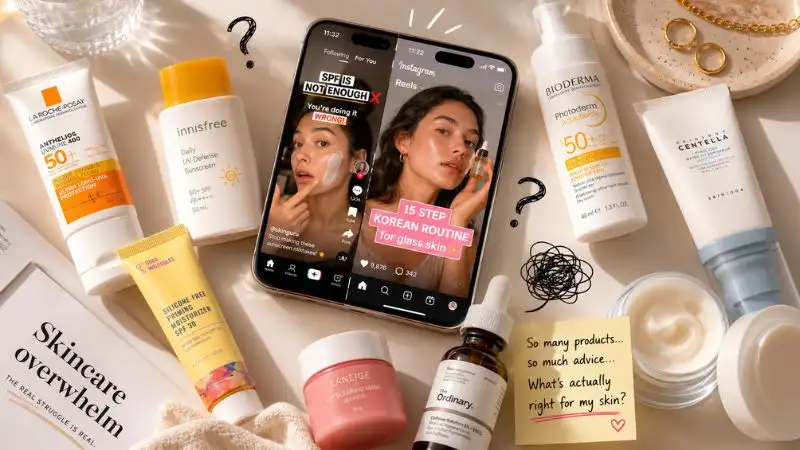
Social media has transformed the way we learn about skincare. A quick scroll through TikTok, Instagram, or YouTube can expose you to hundreds of sunscreen recommendations, skincare hacks, and viral beauty trends within minutes. If you’ve ever wondered, “Should You Trust Sunscreen Advice on Social Media?” you’re not alone. While some creators share genuinely helpful, science-backed advice, others spread misinformation that can confuse people and even harm their skin.
So, should you trust sunscreen advice on social media? The short answer is: sometimes but not blindly. Some dermatologists and skincare professionals create educational content based on scientific evidence, while many influencers rely on personal experiences, sponsorships, or trending topics that may not apply to everyone.
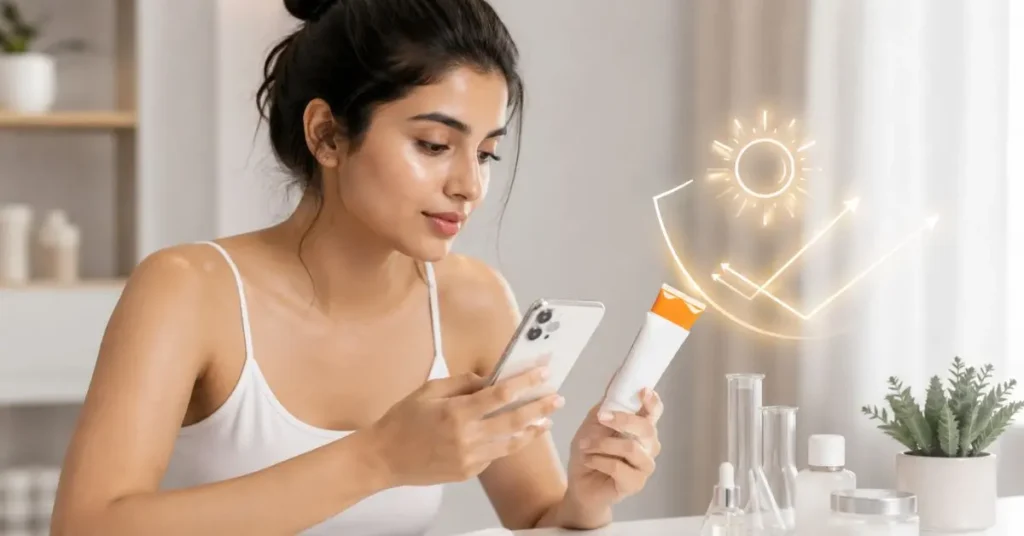
Sunscreen is one of the most important skincare products you can use. It protects your skin from harmful ultraviolet (UV) rays, helps prevent premature aging, reduces the risk of sunburn, and plays an important role in lowering the risk of skin cancer. Because sunscreen affects your long-term skin health, it’s essential to separate facts from myths before following advice online.
In this guide, we’ll answer the question, “Should You Trust Sunscreen Advice on Social Media?” You’ll learn how sunscreen works, why misinformation spreads so quickly on social media, how to identify trustworthy skincare creators, and how to make smarter decisions based on scientific evidence rather than internet trends.
Should You Trust Sunscreen Advice on Social Media? Here’s What Experts Say
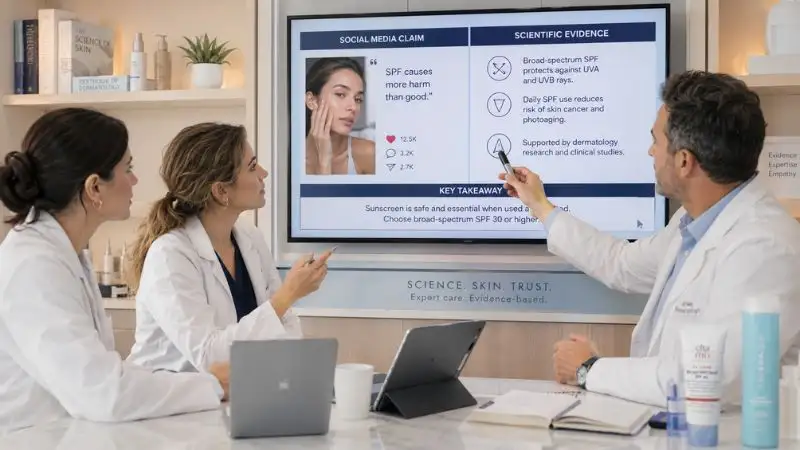
Skincare has become one of the biggest topics on social media. Every day, millions of people search for product recommendations, skincare routines, and quick beauty tips. As a result, many people ask, “Should You Trust Sunscreen Advice on Social Media?“ Sunscreen often becomes the center of these conversations because nearly every dermatologist recommends daily sun protection.
Social media platforms reward content that gains attention quickly. As a result, creators often produce dramatic videos with titles like:
- “You’ve Been Using Sunscreen Wrong!”
- “This SPF Secret Will Change Your Skin Forever.”
- “Stop Buying These Sunscreens!”
While these headlines attract viewers, they don’t always provide balanced or scientifically accurate information.
Many influencers genuinely want to educate their audience. However, others focus on creating viral content, which may oversimplify skincare science or exaggerate product benefits when discussing Should You Trust Sunscreen Advice on Social Media.
Why People Trust Influencers
Many viewers trust influencers because:
- They show before-and-after photos.
- They share personal skincare journeys.
- They seem relatable.
- Their recommendations feel honest.
- Their videos are easy to understand.
Although personal experiences can be helpful, they should never replace evidence-based skincare advice. What works for one person’s skin may not work for yours.
The Science Behind Sunscreen
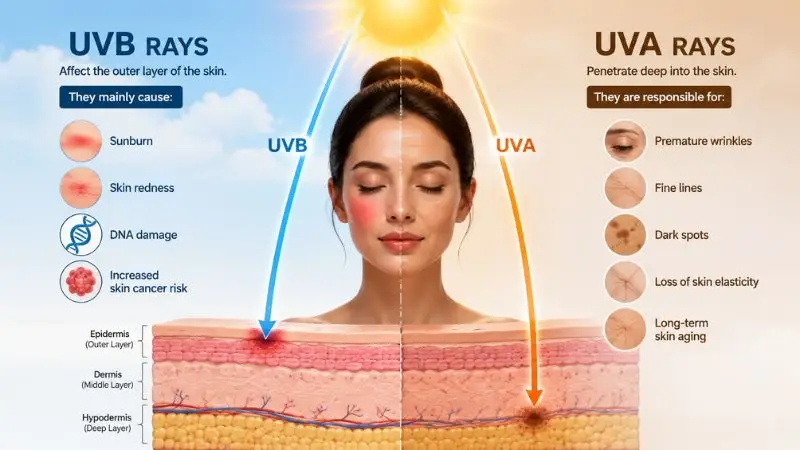
Understanding the basics of sunscreen makes it much easier to recognize misinformation online.
What Are UV Rays?
The sun produces ultraviolet (UV) radiation, which reaches your skin every day even when it’s cloudy.
There are two main types of UV rays that affect your skin:
UVA Rays
UVA rays penetrate deep into the skin.
They are responsible for:
- Premature wrinkles
- Fine lines
- Dark spots
- Loss of skin elasticity
- Long-term skin aging
UVA rays remain present throughout the day and can even pass through window glass.
UVB Rays
UVB rays affect the outer layer of the skin.
They mainly cause:
- Sunburn
- Skin redness
- DNA damage
- Increased skin cancer risk
Unlike UVA rays, UVB intensity changes depending on the season and time of day.
A good sunscreen protects against both UVA and UVB rays, which is why experts recommend choosing a broad-spectrum sunscreen.
What Does SPF Really Mean?
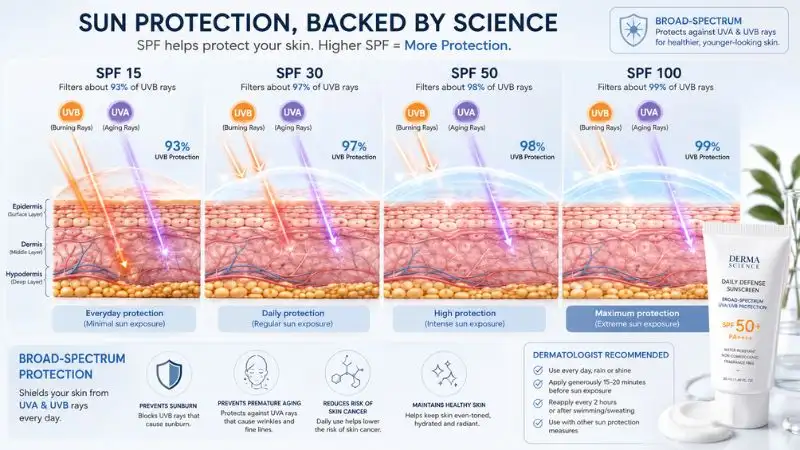
SPF stands for Sun Protection Factor.
Many social media posts misunderstand what SPF numbers actually mean.
For example:
- SPF 15 blocks most UVB rays.
- SPF 30 blocks about 97%.
- SPF 50 blocks about 98%.
- SPF 100 offers only slightly more protection than SPF 50.
This means that buying the highest SPF available does not mean you can stay in the sun all day without reapplying sunscreen.
The biggest mistake people make is applying too little sunscreen or forgetting to reapply every two hours, especially after swimming or sweating, regardless of Should You Trust Sunscreen Advice on Social Media.
What Does Broad-Spectrum Mean?
A sunscreen labeled Broad Spectrum protects against both UVA and UVB rays.
Some social media creators focus only on SPF numbers while ignoring UVA protection.
This is misleading because preventing sunburn alone isn’t enough. Daily UVA exposure contributes significantly to premature skin aging and can damage skin even without visible redness.
Whenever possible, choose a broad-spectrum sunscreen with at least SPF 30 for everyday use.
Common Sunscreen Myths Shared on Social Media
Unfortunately, sunscreen myths spread much faster than scientific facts.
Let’s look at some of the most common misconceptions.
Myth 1: People With Dark Skin Don’t Need Sunscreen
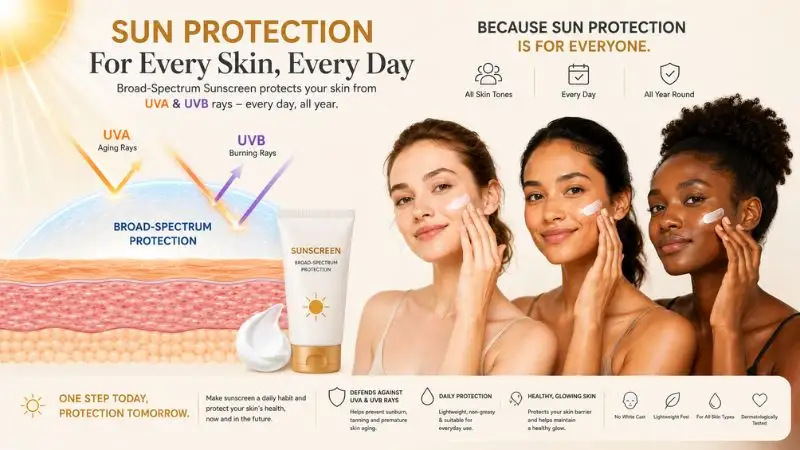
This is one of the most harmful myths online.
While darker skin contains more melanin, it does not completely protect against UV damage.
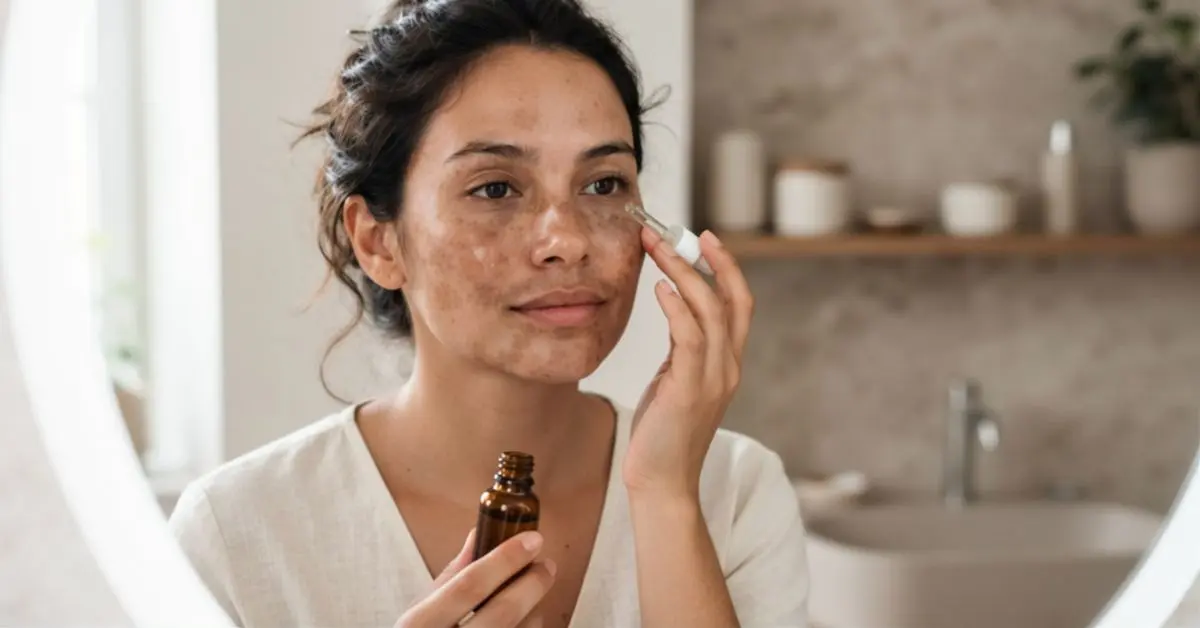
People with darker skin can still experience:
- Hyperpigmentation
- Sun damage
- Premature aging
- Skin cancer
Everyone benefits from daily sun protection, regardless of skin tone.
Myth 2: Makeup With SPF Is Enough
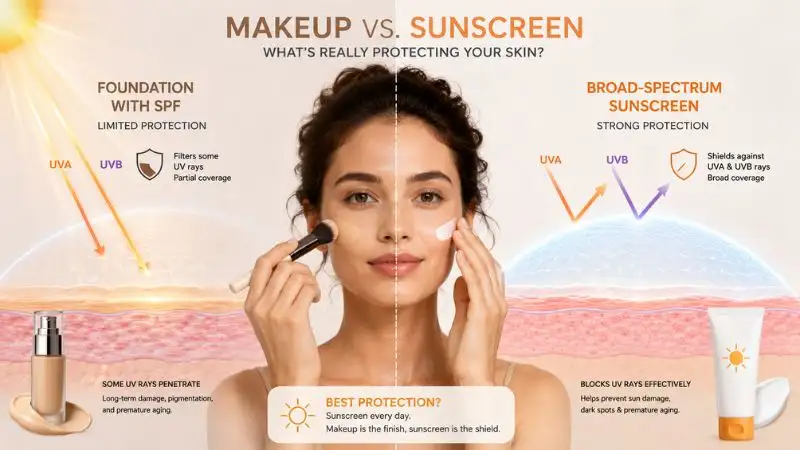
Many foundations and BB creams include SPF, but they usually aren’t applied in thick enough amounts to provide the advertised level of protection.
If you rely only on makeup with SPF, your skin may not receive adequate UV protection.
Think of SPF makeup as a bonus not a replacement for sunscreen.
Myth 3: Natural Oils Can Replace Sunscreen
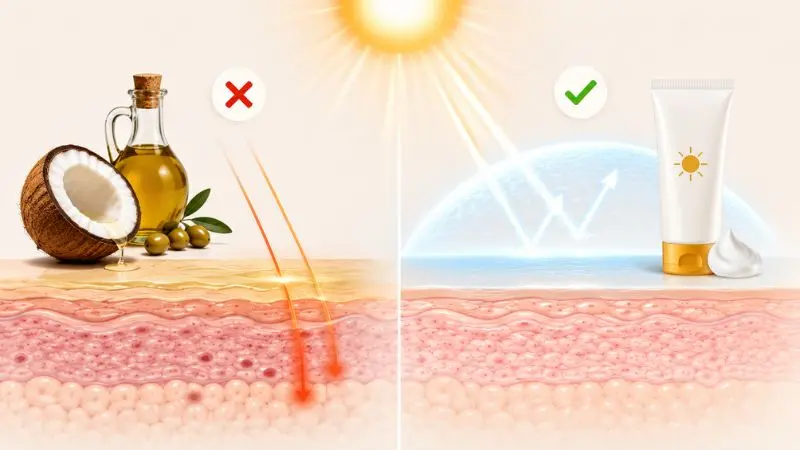
Some influencers claim that coconut oil, olive oil, or other natural oils protect against the sun.
There is no reliable scientific evidence showing that these oils provide consistent, broad-spectrum UV protection comparable to tested sunscreens. If you’re wondering, “Should You Trust Sunscreen Advice on Social Media?” this common myth is a good reminder to rely on scientific evidence instead of viral claims.
Natural oils may moisturize the skin, but they should never replace sunscreen.
Myth 4: Higher SPF Means You Only Need One Application
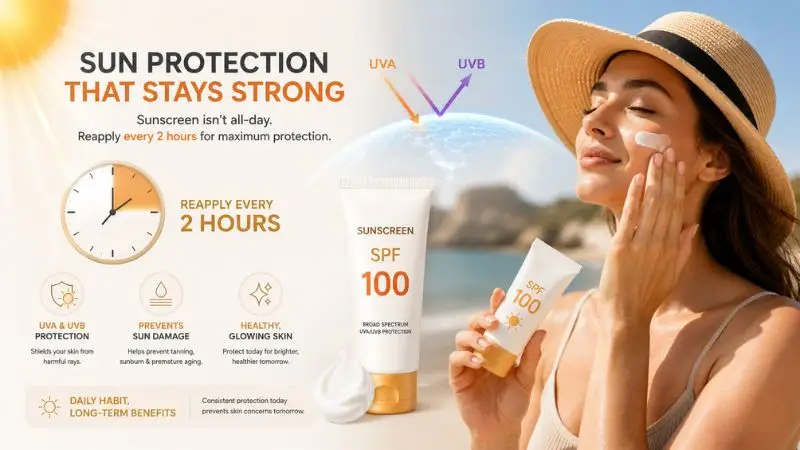
Another viral misconception is that SPF 100 protects all day.
No sunscreen lasts forever.
Regardless of SPF level, you should generally reapply sunscreen every two hours when spending time outdoors, and sooner if you swim or sweat heavily.
Skipping reapplication significantly reduces your protection.
Myth 5: You Don’t Need Sunscreen Indoors
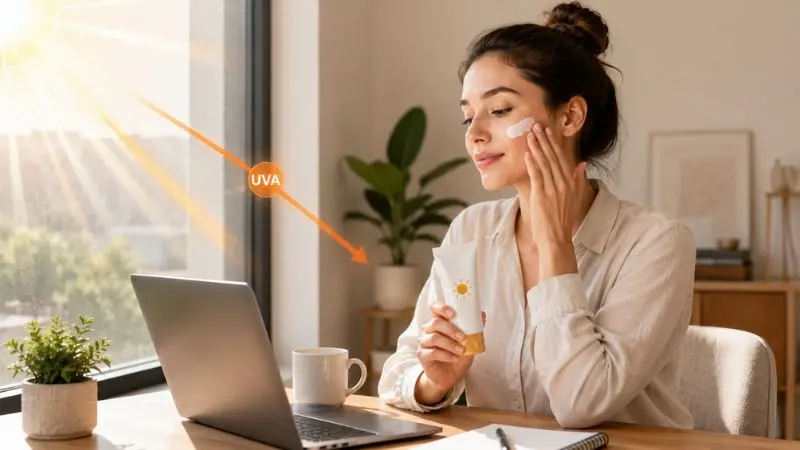
Many people assume they’re safe inside.
However, UVA rays can pass through windows. If you spend long periods near windows or receive regular daylight exposure indoors, wearing sunscreen during the day can still be beneficial, especially if you’re using products like retinoids or exfoliating acids that make your skin more sensitive to sunlight. This is another reason why many people ask, “Should You Trust Sunscreen Advice on Social Media?” since not all creators explain how daily indoor UV exposure can affect your skin.
Why Social Media Misinformation Spreads So Quickly
Social media platforms reward content that keeps users watching and sharing.
Unfortunately, accurate skincare education doesn’t always go viral. Simple explanations often receive less attention than bold claims or dramatic transformations.
That’s why videos promising “instant results” or “secret sunscreen hacks” often gain millions of views even when the information isn’t supported by scientific evidence. If you ever ask, “Should You Trust Sunscreen Advice on Social Media?” remember that viral popularity is not the same as scientific credibility.
Before changing your skincare routine because of a viral trend, ask yourself:
- Is the creator qualified to give skincare advice?
- Are they citing reliable sources?
- Are they selling a product?
- Does the advice sound too good to be true?
- Would a dermatologist likely recommend this?
Taking a few extra minutes to verify information can help you avoid ineffective products, wasted money, and unnecessary skin problems. Before deciding, “Should You Trust Sunscreen Advice on Social Media?” always check whether the advice is supported by scientific evidence and qualified skincare professionals.
Why Influencers Can Sometimes Be Wrong
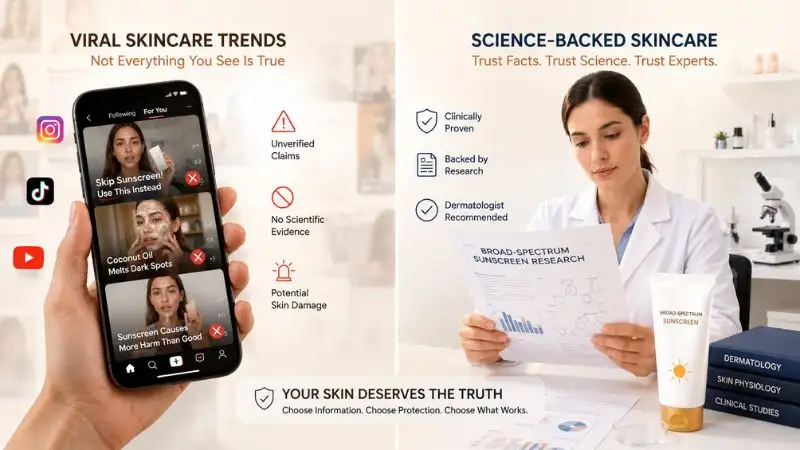
Social media has made skincare education more accessible than ever. Many influencers genuinely enjoy sharing their skincare routines and product recommendations. Some even spend hours researching ingredients and testing products before posting reviews. When asking, “Should You Trust Sunscreen Advice on Social Media?” it’s important to remember that being popular online doesn’t automatically make someone a skincare expert.
A creator may have millions of followers, but that doesn’t mean every piece of advice they share is scientifically accurate. Many viral skincare trends are based on personal experiences rather than medical research, and what works for one person may not work for another. This is why asking, “Should You Trust Sunscreen Advice on Social Media?” is so important before following any viral skincare trend.
Personal Experience Isn’t Scientific Evidence
One of the biggest mistakes people make is assuming that a product will work for everyone simply because it worked for an influencer.
Every person’s skin is different. Factors such as:
- Skin type
- Age
- Climate
- Hormones
- Existing skin conditions
- Medications
can all affect how your skin reacts to sunscreen or any other skincare product.
For example, a sunscreen that feels lightweight on oily skin might feel drying on someone with dry skin. Likewise, a product that doesn’t irritate one person could cause redness or breakouts in another. This is one of the main reasons why the answer to “Should You Trust Sunscreen Advice on Social Media?” depends on your individual skin type and the credibility of the advice.
Sponsored Content Can Influence Recommendations
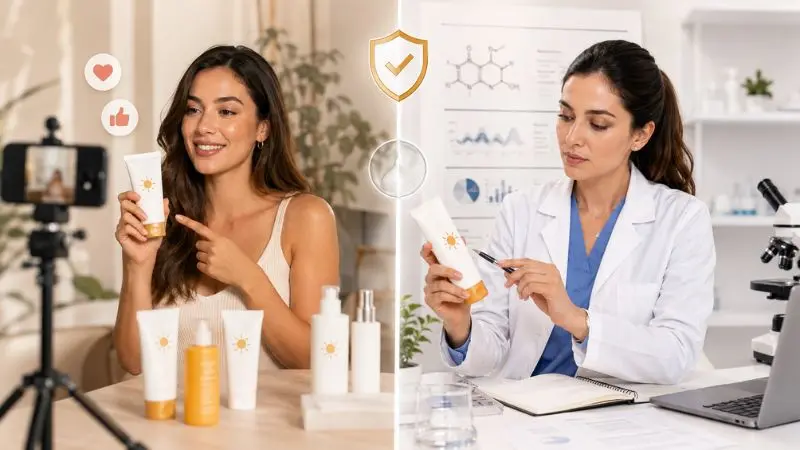
Many skincare creators work with beauty brands through paid partnerships.
There’s nothing wrong with sponsored content as long as it’s clearly disclosed and the review remains honest. However, some creators only highlight the positives while ignoring potential drawbacks when discussing Should You Trust Sunscreen Advice on Social Media.
When watching sunscreen reviews, ask yourself:
- Is this video sponsored?
- Does the creator explain both the pros and cons?
- Have they tested multiple sunscreens or only promoted one brand?
- Are they encouraging informed decisions instead of pushing quick purchases?
Balanced reviews are usually more trustworthy than videos claiming a product is “perfect” for everyone.
How to Spot a Trustworthy Skincare Creator

Not every skincare creator spreads misinformation. In fact, many dermatologists, cosmetic chemists, and licensed estheticians use social media to educate people with evidence-based advice. This is why the answer to “Should You Trust Sunscreen Advice on Social Media?” depends on who is sharing the information.
Here are some green flags that suggest a creator is reliable.
Green Flags
✔ They explain why a product works instead of making unrealistic promises.
✔ They reference scientific research or dermatologist guidelines.
✔ They encourage wearing sunscreen daily rather than promoting shortcuts.
✔ They openly disclose sponsored content.
✔ They remind viewers that skincare is personal.
✔ They avoid claiming that one product works for everyone.
✔ They admit when more research is needed.
✔ They encourage consulting a dermatologist for persistent skin concerns.
Red Flags
Be cautious if a creator:
- Promises instant or overnight results.
- Claims sunscreen is unnecessary.
- Uses fear-based marketing.
- Says one ingredient is “miraculous.”
- Discourages professional medical advice.
- Recommends DIY sunscreen recipes.
- Uses dramatic before-and-after photos without context.
- Makes health claims without evidence.
Remember, trustworthy educators focus on helping people not simply going viral when discussing Should You Trust Sunscreen Advice on Social Media.
Verified Dermatological Advice vs. Unverified Social Media Trends
| Feature | Verified Dermatological Advice | Unverified Social Media Trends |
| Scientific Evidence | Supported by research and clinical studies | Often based on personal opinions or viral claims |
| Safety | Prioritizes skin health and safety | May ignore risks or side effects |
| Product Recommendations | Tailored to different skin types | Usually promotes trending products |
| Accuracy | Regularly updated with new research | Can spread outdated or misleading information |
| Long-Term Results | Focuses on healthy skin over time | Often promises quick or unrealistic results |
| Reliability | High | Varies greatly depending on the creator |
This comparison highlights why evidence-based skincare is more reliable than following every viral trend you see online, helping answer the question: Should You Trust Sunscreen Advice on Social Media?
How to Verify Sunscreen Information Before Believing It
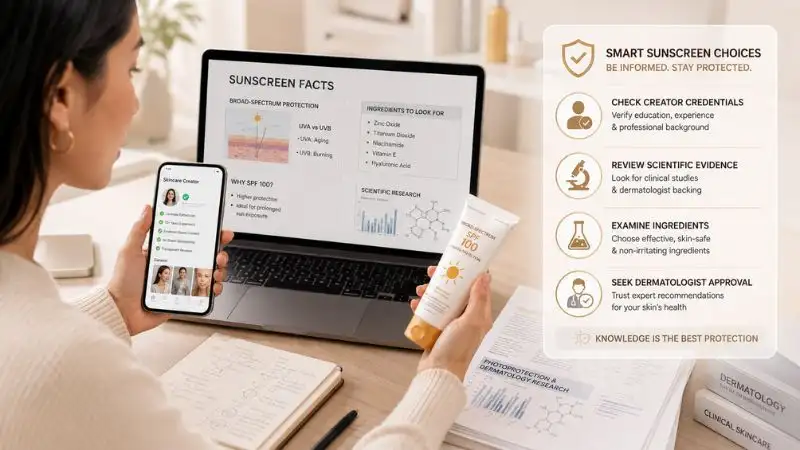
Before changing your skincare routine, take a few minutes to verify what you’ve seen online.
Here are some practical steps:
1. Check the Creator’s Credentials
Ask yourself:
- Are they a board-certified dermatologist?
- Are they a cosmetic chemist?
- Do they have professional skincare education?
Professional qualifications don’t guarantee perfection, but they generally improve credibility.
2. Compare Multiple Reliable Sources
Don’t rely on one viral video.
If several trusted dermatologists explain the same concept consistently, the information is more likely to be accurate.
3. Read Product Labels
Instead of relying only on marketing claims, check whether the sunscreen offers:
- Broad-spectrum protection
- SPF 30 or higher
- Water resistance (if needed)
- Ingredients suitable for your skin type
4. Be Skeptical of “Secret Hacks”
If someone claims they’ve discovered something that “dermatologists don’t want you to know,” it’s usually a sign to be cautious.
Real skincare science is transparent and supported by evidence not conspiracy theories.
How to Choose the Right Sunscreen
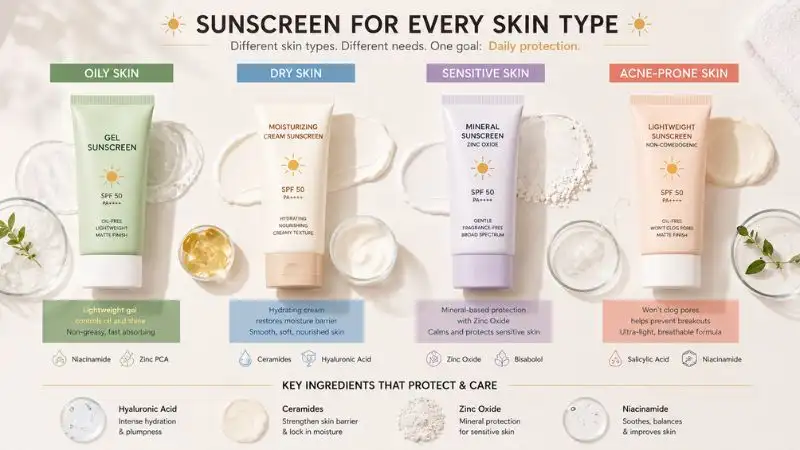
The best sunscreen isn’t necessarily the most expensive one nit’s the one you’ll actually enjoy wearing every day.
For Oily Skin
Look for:
- Lightweight formulas
- Gel textures
- Oil-free products
- Non-comedogenic labels
For Dry Skin
Choose sunscreens with moisturizing ingredients like:
- Glycerin
- Hyaluronic acid
- Ceramides
For Sensitive Skin
Mineral sunscreens containing zinc oxide or titanium dioxide may be less likely to cause irritation for some people.
For Acne-Prone Skin
Choose products labeled:
- Non-comedogenic
- Fragrance-free (if your skin is sensitive)
- Lightweight
- Oil-free when appropriate
Daily consistency is more important than buying the highest-priced sunscreen.
Frequently Asked Questions
Is TikTok sunscreen advice reliable?
Some creators provide excellent educational content, especially licensed dermatologists. However, always verify information before changing your skincare routine.
Is SPF 100 much better than SPF 50?
Not significantly. SPF 50 already blocks most UVB rays when applied correctly. Proper application and regular reapplication matter more than choosing an extremely high SPF.
Should I wear sunscreen indoors?
If you’re exposed to daylight through windows or spend time near natural light, daily sunscreen can still help protect your skin.
Can sunscreen cause acne?
Some products may clog pores for certain individuals, but many modern sunscreens are specifically formulated for acne-prone skin.
How often should sunscreen be reapplied?
Reapply approximately every two hours when outdoors, and after swimming, sweating, or towel drying.
Can cloudy weather replace sunscreen?
No. UV rays can still penetrate clouds, so sun protection remains important even on overcast days.
Does sunscreen prevent Vitamin D?
Current research suggests that normal sunscreen use does not completely block Vitamin D production. Most people can maintain healthy Vitamin D levels through everyday outdoor exposure and diet.
Can children use adult sunscreen?
Many sunscreens are suitable for older children, but infants and young children may require specific products or additional sun-protection measures. Consult a healthcare professional if you’re unsure.
Conclusion
So, should you trust sunscreen advice on social media? The answer is yes but only when the advice comes from credible, evidence-based sources.
Social media can be an excellent place to discover new skincare products and learn healthy habits, but it can also spread myths, misinformation, and unrealistic expectations. Viral popularity doesn’t always equal scientific accuracy.
Before following any sunscreen trend, take a moment to evaluate the creator’s expertise, check whether their claims are supported by reliable evidence, and consider whether the advice suits your unique skin type.
Daily sunscreen remains one of the simplest and most effective ways to protect your skin from sunburn, premature aging, hyperpigmentation, and long-term UV damage. Building a routine based on facts—not trends—will always deliver better results for your skin. If you’re still wondering, “Should You Trust Sunscreen Advice on Social Media?” the best approach is to rely on evidence-based information, trusted skincare professionals, and qualified dermatologists rather than following every viral trend.
If you have ongoing skin concerns or aren’t sure which sunscreen is right for you, consult a qualified dermatologist who can provide personalized recommendations. If you’re still asking, “Should You Trust Sunscreen Advice on Social Media?” a dermatologist can help you separate facts from myths and choose the best sunscreen for your skin.


Leave a Reply