
Forehead acne can be one of the most frustrating skin concerns to deal with. It often shows up as small bumps, clogged pores, whiteheads, blackheads, or even painful pimples right in the most visible area of your face. If you’ve been wondering , the good news is that it is usually treatable with the right skincare routine, a few lifestyle changes, and consistency.
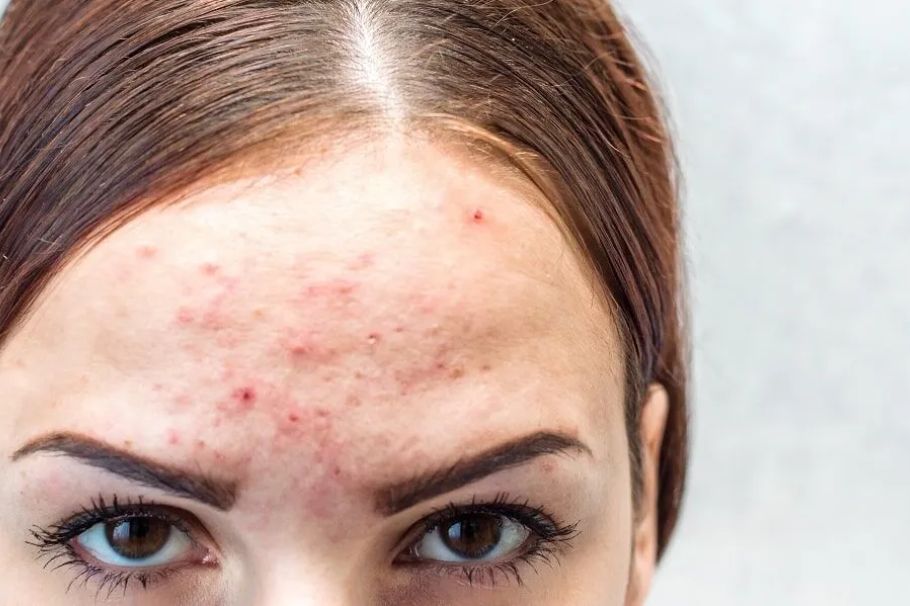
Forehead breakouts are often linked to excess oil, sweat, hair products, dandruff, hormones, or poor skincare habits. In some cases, what looks like forehead acne may even be tiny fungal acne bumps or irritation caused by pore-clogging ingredients.
In this guide, you’ll learn, the best forehead acne treatment options, ingredients that actually work, and simple ways to prevent forehead breakouts from coming back.
What Causes Forehead Acne?
Before you can fully understand forehead acne, it helps to know what’s causing it in the first place. Forehead acne often happens when pores become clogged with oil, dead skin cells, sweat, and bacteria.
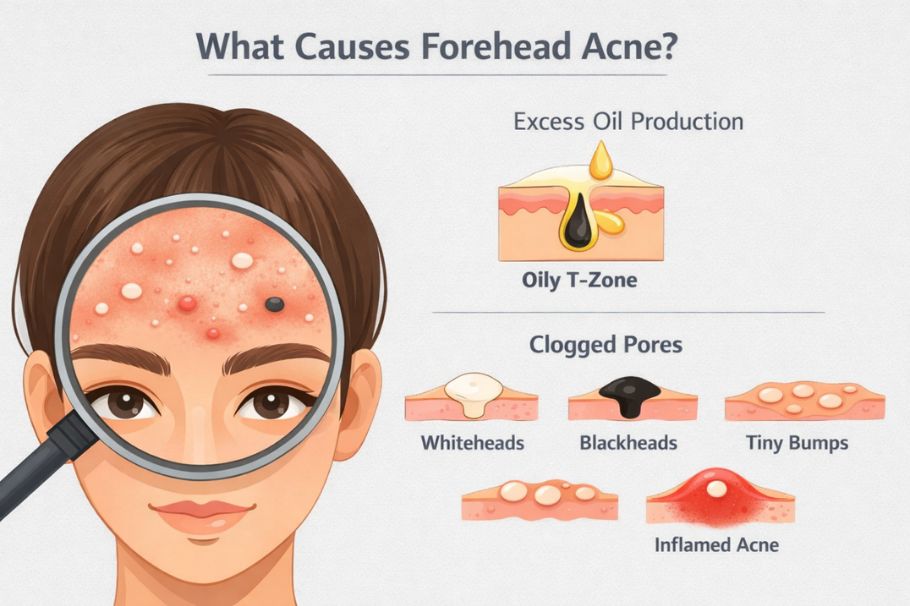
1. Excess Oil Production
The forehead is part of the T-zone, which naturally produces more oil than other areas of the face. If your skin is oily, your pores can clog more easily, leading to forehead pimples and bumps.
2. Clogged Pores on the Forehead
When dead skin cells mix with oil, pores can become blocked. This can create:
- whiteheads
- blackheads
- tiny bumps
- inflamed acne
Clogged pores on the forehead are very common, especially if you skip cleansing properly.
3. Sweat and Dirt Buildup
Sweat itself doesn’t directly cause acne, but when it mixes with oil, dirt, and bacteria, it can trigger forehead breakouts. This is especially common if you:
- work out often
- wear caps or helmets
- stay sweaty for long periods
4. Hair Products Causing Forehead Breakouts
Pomades, oils, serums, leave-in conditioners, and styling creams can transfer onto your forehead and clog pores. This is often called pomade acne.
If your hair sits on your forehead, products can easily trigger pimples and tiny bumps.
5. Dandruff and Scalp Oil
A greasy scalp or dandruff can also contribute to acne on the forehead. Scalp flakes, oil, and irritation can spread to the skin near the hairline and cause breakouts.
6. Hormones and Stress
Hormonal fluctuations can increase oil production and make acne worse. Stress can also contribute because it may trigger inflammation and increased oil production.
7. Poor Skincare Habits
Forehead acne may get worse if you:
- sleep with makeup on
- over-exfoliate
- use harsh scrubs
- skip moisturizer
- use pore-clogging products
8. Fungal Acne Confusion
Sometimes tiny, itchy, uniform bumps on the forehead are not regular acne at all. They may be fungal acne, which needs different treatment than typical acne.
How to Get Rid of Forehead Acne Fast
If you want to know how to get rid of forehead acne fast, the key is using ingredients and habits that calm inflammation and unclog pores without irritating your skin.
1. Wash Your Face Gently Twice a Day
Start with a gentle cleanser that removes oil, sweat, and dirt without stripping your skin. Washing too much can actually make acne worse by damaging your skin barrier.
Do this:
- cleanse morning and night
- wash after sweating heavily
- avoid rough scrubbing
2. Use Salicylic Acid for Forehead Acne
Salicylic acid is one of the best ingredients because it penetrates into the pores and helps dissolve oil and buildup.
It can help with:
- clogged pores
- blackheads
- whiteheads
- small bumps on the forehead
If your acne is mild or mostly comedonal, salicylic acid can make a big difference.
3. Try Benzoyl Peroxide for Inflamed Pimples
If your forehead acne includes red, angry pimples, benzoyl peroxide can help by reducing acne-causing bacteria and inflammation.
It works best for:
- inflamed pimples
- pustules
- recurring forehead breakouts
Use it carefully because it can be drying if overused.
4. Add Niacinamide to Reduce Oil and Redness
Niacinamide is a great supportive ingredient if you have oily skin forehead acne. It helps regulate oil, reduce redness, and support the skin barrier.
It’s especially helpful if your skin gets irritated easily from stronger acne treatments.
5. Use Adapalene or a Retinoid at Night
If you’re serious about learning how to clear forehead pimples, adapalene can be very effective. It helps:
- unclog pores
- prevent new breakouts
- smooth texture
- reduce tiny bumps
Retinoids usually take time, so don’t expect overnight results. Consistency matters more than speed.
6. Don’t Skip Moisturizer
A lot of people with acne think moisturizer will make them break out more but skipping it can actually make your skin worse.
Use a lightweight, non-comedogenic moisturizer to keep your skin barrier healthy.
7. Wear Sunscreen Daily
Sun exposure can worsen acne marks and irritation. A non-comedogenic sunscreen is essential if you’re using salicylic acid, benzoyl peroxide, or retinoids.
8. Stop Touching or Picking Your Forehead
Picking pimples can:
- push bacteria deeper
- increase inflammation
- cause dark marks
- lead to acne scars
If you want forehead acne to heal faster, hands off.
Best Skincare Routine to Get Rid of Forehead Acne
A simple routine is often better than an overloaded one. If you’re trying to figure out focus on consistency over using too many products.
Morning Routine
Step 1: Gentle Cleanser
Use a mild cleanser to remove overnight oil and sweat.
Step 2: Niacinamide or Salicylic Acid
If your skin tolerates it, use a lightweight serum with niacinamide or a salicylic acid product.
Step 3: Lightweight Moisturizer
Hydration helps reduce irritation and keeps your skin balanced.
Step 4: Sunscreen
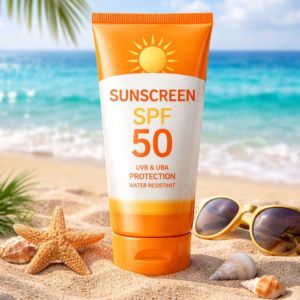
Always finish with sunscreen, especially if you’re treating acne.
Night Routine to Clear Forehead Pimples
Step 1: Cleanse Properly
Remove sweat, dirt, sunscreen, and buildup.
Step 2: Acne Treatment
Use one treatment at a time depending on your skin needs:
- salicylic acid
- benzoyl peroxide
- adapalene
- azelaic acid
Step 3: Moisturizer
Lock in hydration and reduce irritation.
Weekly Care Tips for Forehead Breakouts
- change pillowcases often
- clean makeup brushes
- wash hats and headbands
- avoid greasy hair touching the forehead
- don’t over-exfoliate
A simple routine done consistently is one of the best answers to how to get rid of forehead acne naturally and effectively.
Best Ingredients for Forehead Acne Treatment
If you’re confused about what to use, these are some of the most effective ingredients for forehead acne treatment.
1. Salicylic Acid
Best for:
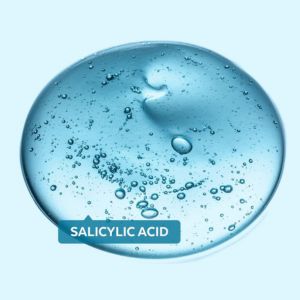
- clogged pores
- blackheads
- tiny bumps on forehead
It helps exfoliate inside the pore and is especially useful for oily skin.
2. Benzoyl Peroxide
Best for:
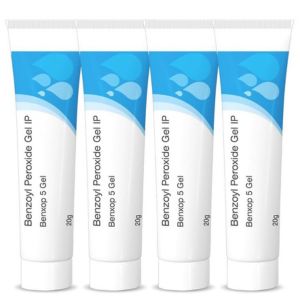
- red pimples
- inflamed acne
- bacteria-related breakouts
This ingredient can be strong, so start slowly.
3. Niacinamide
Best for:
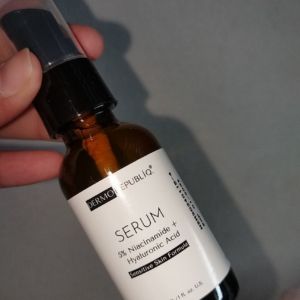
- oily skin
- redness
- skin barrier support
- forehead acne marks
It’s a gentle ingredient that pairs well with acne treatments.
4. Retinoids (Like Adapalene)
Best for:
- long-term acne control
- clogged pores
- recurring breakouts
- forehead texture
Retinoids are one of the strongest long-term solutions if you want to truly understand how to prevent forehead acne.
5. Azelaic Acid
Best for:
- acne + redness
- post-acne marks
- sensitive skin
Azelaic acid can be a great alternative if your skin doesn’t tolerate harsher ingredients well.
6. Sulfur
Best for:
- oily acne-prone skin
- spot treatment
- reducing excess oil
7. Clay Masks (Optional)
Clay masks can help absorb excess oil, but they should not replace a full acne routine.
Use them occasionally not every day.
Things That Make Forehead Acne Worse
Sometimes forehead acne doesn’t improve because of small daily habits. If you want to know how to get rid of forehead acne, it’s just as important to avoid triggers as it is to use the right products.
1. Oily Bangs or Hair Touching Your Forehead
Hair can trap oil, sweat, and product residue against the skin.
2. Heavy Hair Oils and Styling Products
If you use oils, waxes, pomades, or greasy serums, they may be clogging your forehead.
3. Sleeping With Sweat or Dirt on Your Skin
Always cleanse after sweating heavily and avoid sleeping without washing your face if your skin feels oily or dirty.
4. Over-Exfoliating
Using too many acids, scrubs, or acne products at once can damage your skin barrier and make breakouts worse.
5. Harsh Scrubs
Physical scrubs can irritate active acne and increase inflammation.
6. Pore-Clogging Makeup
Some foundations, primers, and sunscreens can contribute to clogged pores if they don’t suit acne-prone skin.
7. Skipping Moisturizer
Dehydrated skin can become irritated and may even produce more oil over time.
How to Prevent Forehead Acne Naturally
If your acne keeps coming back, prevention matters just as much as treatment. Here’s how to prevent forehead acne naturally without making your routine complicated.
Keep Your Hair Clean
If your hair gets oily quickly, wash it regularly and keep heavy products away from your forehead.
Avoid Touching Your Face
Touching your forehead transfers bacteria, sweat, and oil from your hands.
Wash After Sweating
If you exercise or sweat a lot, don’t let sweat sit on your forehead for hours.
Choose Non-Comedogenic Products
Use skincare, sunscreen, and makeup labeled non-comedogenic when possible.
Clean Your Pillowcase Often
Your pillowcase collects oil, sweat, hair product residue, and bacteria.
Manage Stress
Stress doesn’t directly “cause” acne in everyone, but it can absolutely make breakouts worse.
Be Consistent
One of the biggest mistakes people make is switching products too quickly. Acne often needs 6 to 12 weeks of consistency before you see major improvement.
Forehead Acne vs Fungal Acne How to Tell the Difference
A lot of people confuse regular acne with fungal acne, especially when they have tiny bumps on the forehead.
Signs It May Be Regular Forehead Acne
- blackheads and whiteheads
- inflamed pimples
- clogged pores
- occasional larger breakouts
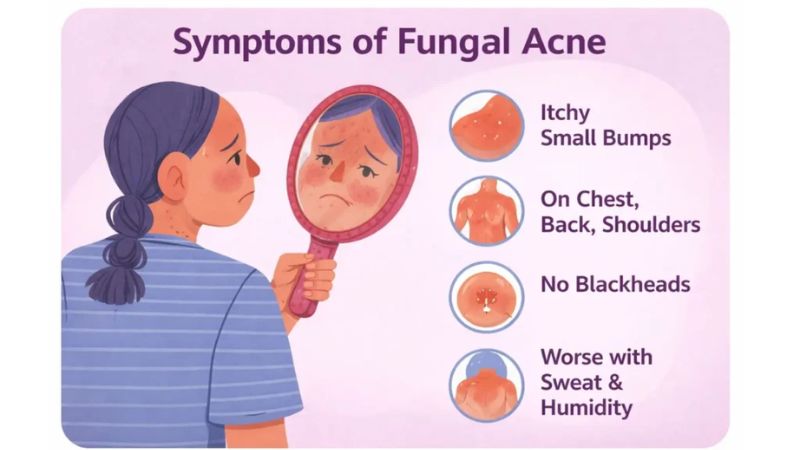
Signs It May Be Fungal Acne
- tiny, uniform bumps
- itchiness
- bumps that look very similar in size
- worsening with sweat and heat
Fungal acne often shows up near the forehead and hairline, especially if sweat and scalp issues are involved.
If your bumps don’t improve with normal acne treatments, fungal acne could be part of the problem.
When to See a Dermatologist for Forehead Acne
Sometimes home treatment isn’t enough. You should consider seeing a dermatologist if your forehead acne is:
- painful
- cystic
- leaving scars
- not improving after 8–12 weeks
- causing severe redness or irritation
- spreading or getting worse despite treatment
A dermatologist may recommend stronger prescription options if over-the-counter products aren’t helping
FAQs
Why do I only get acne on my forehead?
Forehead acne is often linked to oil production, sweat, clogged pores, dandruff, or hair products touching the skin.
How long does forehead acne take to go away?
Mild forehead acne may improve within a few weeks, but more stubborn breakouts often take 6 to 12 weeks with consistent treatment.
Is forehead acne caused by oily hair?
Yes, oily hair and greasy hair products can contribute to forehead breakouts, especially if your hair sits on your skin.
What is the best treatment for forehead acne?
It depends on the type of acne, but common treatments include:
- salicylic acid
- benzoyl peroxide
- adapalene
- niacinamide
- a non-comedogenic routine
Can dandruff cause forehead pimples?
Yes, dandruff and scalp oil can sometimes worsen acne around the hairline and forehead.
Does stress cause forehead acne?
Stress can contribute to acne by increasing inflammation and affecting oil production.
Can sunscreen cause forehead breakouts?
Some sunscreens can clog pores if they are too heavy for acne-prone skin. Choosing a lightweight, non-comedogenic sunscreen is usually best.
Conclusion
If you’ve been struggling with breakouts and wondering how to get rid of forehead acne, the most effective approach is to combine the right skincare ingredients with smart daily habits. Forehead acne is often caused by a mix of excess oil, clogged pores, sweat, hair products, and irritation — which means treatment should focus on both clearing current breakouts and preventing new ones.
Start with a simple routine:
- gentle cleanser
- acne treatment like salicylic acid or adapalene
- lightweight moisturizer
- sunscreen
At the same time, keep your hair products away from your skin, wash after sweating, and avoid picking at pimples.