

Quick Answer
You can work toward Korean glass skin at home with rice water by following a gentle skincare routine that focuses on hydration, cleansing, moisturizing, and daily sunscreen. Rice water is a popular traditional beauty ingredient, but there is limited scientific evidence that homemade rice water can create glass skin, remove acne scars, or permanently brighten the complexion.
To support a smooth, glowing appearance, prepare rice water hygienically, test it before applying it to your face, and combine it with skincare products that suit your skin type. Consistency matters more than using a large number of products.
Introduction
Have you ever wondered how Korean skincare routines create the appearance of smooth, fresh, and naturally glowing skin? Korean glass skin has become a popular beauty goal because it focuses on hydration, a healthy-looking complexion, and a smooth skin texture.
You do not necessarily need an expensive skincare collection to work toward this look. A simple routine using a gentle cleanser, moisturizer, and sunscreen can help support your skin’s natural barrier. Some people also include rice water as an optional step in their skincare routine.
This is where how to get Korean glass skin at home with rice water becomes an interesting topic for people who prefer simple beauty practices.
A Korean glass skin with rice water routine can be a simple addition to a gentle skincare plan, although its benefits are not scientifically proven.
Rice water is the cloudy liquid left after rinsing or soaking rice. It has a long history of traditional cosmetic use, but homemade rice water is not the same as a scientifically tested skincare product. Its composition can vary depending on the rice, water, and preparation method.
In this guide, you will learn how to prepare rice water, use it carefully, build a simple glass-skin-inspired routine, and avoid common mistakes that may irritate your skin.
1. What Is Korean Glass Skin?
Korean glass skin describes a complexion that appears smooth, hydrated, fresh, and luminous. The term refers to the look of healthy, moisturized skin rather than skin that is literally transparent or completely poreless.
Every person’s skin has natural pores, texture, and variations in color. You do not need to eliminate these normal features to have healthy-looking skin.
What Does Glass Skin Look Like?
Glass-skin-inspired skin often has these characteristics:
- A hydrated and comfortable appearance.
- A smoother-looking surface.
- Less visible dryness and flaking.
- A healthy, natural glow.
- A skincare routine that supports the skin barrier.
Hydration can temporarily make fine lines caused by dryness appear less noticeable. However, it cannot permanently remove deep wrinkles, acne scars, or other structural skin concerns.
Does Rice Water Create Glass Skin?
Rice water may be used as a traditional facial rinse, but there is not enough clinical evidence to establish that homemade rice water produces glass skin.
The most dependable foundation is a suitable moisturizer, gentle cleansing, and sunscreen. Rice water is optional, and you can skip it completely if your skin is sensitive or reacts poorly to homemade ingredients.
2. What Are the Potential Benefits of Rice Water for Skin?
Rice water contains water-soluble substances from rice, including starch and small amounts of other rice-derived compounds. However, the exact composition depends on how it is prepared.
Research on specific rice-derived ingredients in formulated skincare products does not automatically prove that homemade rice water provides the same effects.
It May Help Skin Feel Softer
A simple rice-water rinse may leave some people feeling that their skin is temporarily softer. However, this effect has not been firmly established in clinical studies of homemade rice water.
If your skin feels dry or rough, a moisturizer containing glycerin or ceramides is a more dependable option for supporting hydration.
It Can Be an Optional Step in Your Routine
For Korean glass skin with rice water, remember that a gentle cleanser and moisturizer are more dependable for daily skin care.
Rice water is inexpensive and easy to prepare. If you enjoy traditional skincare practices and your skin tolerates the ingredient, you may choose to include it occasionally.
It should not replace products that address your actual skincare concerns.
It May Complement a Hydrating Routine
Healthy-looking skin often depends on maintaining adequate moisture and avoiding irritation. Rice water can be an optional part of a routine, but there is insufficient evidence that it independently improves skin hydration or creates a lasting glow.
What Rice Water Cannot Reliably Do
There is no strong clinical evidence that homemade rice water can:
- Cure acne or prevent every breakout.
- Remove deep acne scars.
- Permanently shrink pores.
- Eliminate wrinkles.
- Reliably treat melasma or dark spots.
- Produce overnight glass skin.
Understanding these limitations helps you build realistic expectations and avoid wasting money on unsupported skincare claims.
3. How to Make Rice Water at Home
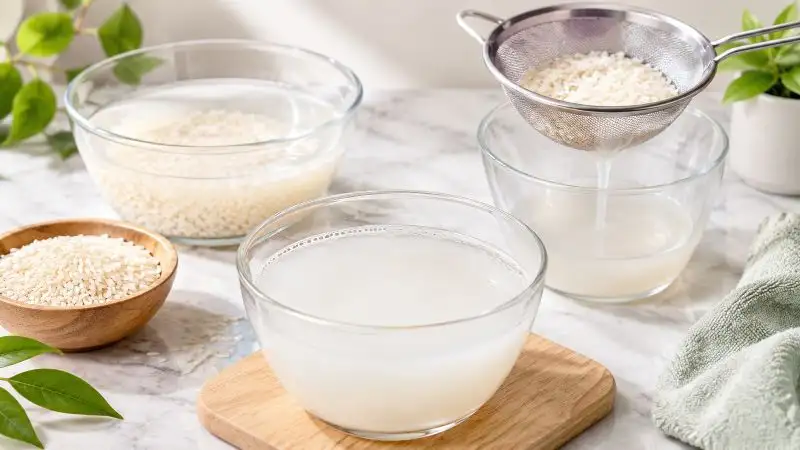
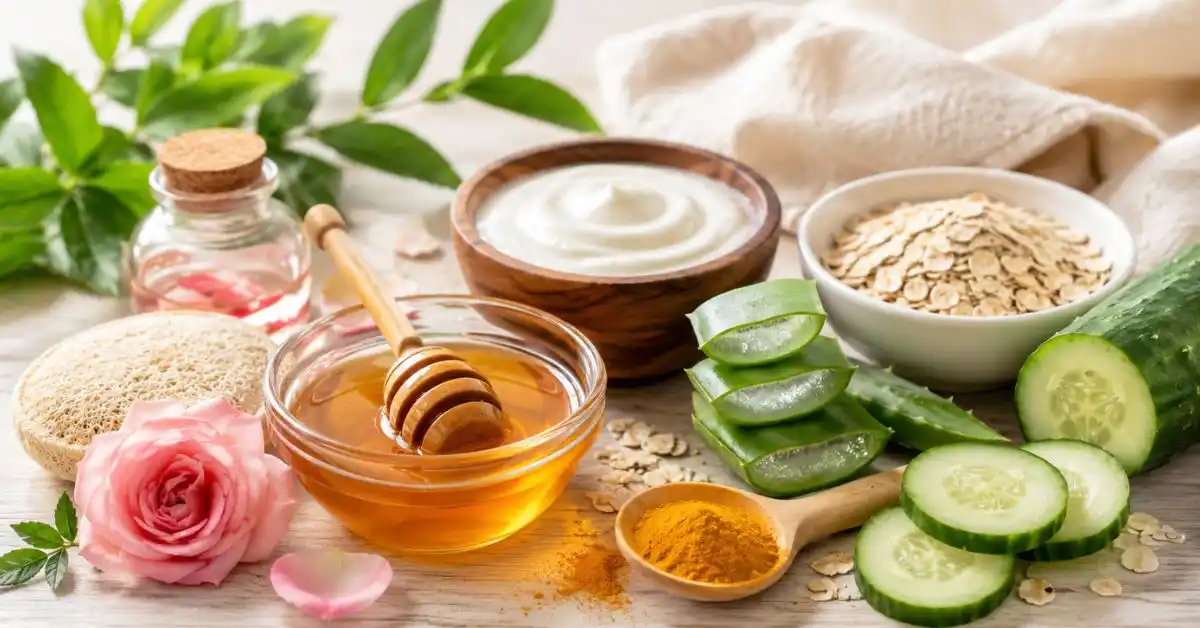
You can prepare rice water with plain rice and clean drinking water. A simple soaking method is a practical starting point because it does not require fermentation.
Ingredients You Need
- 2 tablespoons of plain, uncooked rice.
- Half a cup of clean drinking water.
- A clean bowl.
- A clean strainer.
- A clean container.
- Preparing fresh rice water carefully is an optional step for anyone exploring Korean glass skin with rice water at home.
The key to Korean glass skin with rice water is to prioritize hydration, gentle products, and daily sun protection rather than rice water alone.
Step-by-Step Preparation
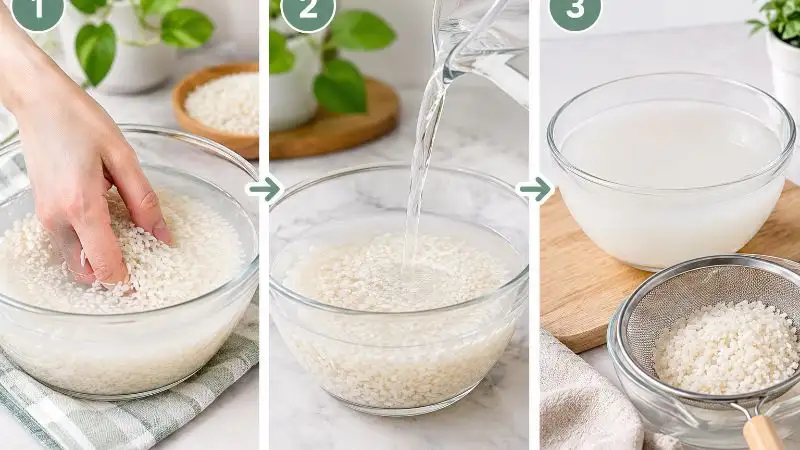
Step 1: Rinse the rice
Place the rice in a clean bowl and rinse it briefly with clean water to remove visible dirt and loose particles.
Step 2: Add drinking water
Pour half a cup of clean drinking water over the rinsed rice.
Step 3: Soak for 15–30 minutes
Leave the rice in the water and stir gently once or twice. The water may become cloudy as some rice components enter the liquid.
Step 4: Strain the mixture
Use a clean strainer to separate the rice from the liquid. Transfer the rice water to a clean container.
Step 5: Prepare for use
Wash your hands before handling the mixture. Apply a small amount only after checking that your skin tolerates it.
Should You Ferment Rice Water?
Fermented rice water is sometimes recommended in beauty routines, but homemade fermentation can change the liquid’s acidity and composition. Without controlled preparation, it can also allow unwanted microorganisms to grow.
For a beginner, freshly prepared, non-fermented rice water is the simpler choice. However, fresh preparation does not guarantee that the liquid is sterile or suitable for every skin type.
Prepare only a small amount, preferably for one use, and discard any leftover liquid. Never use rice water that has an unusual smell, changed color, or developed an unexpected appearance.
4. How to Get Korean Glass Skin at Home with Rice Water: Step-by-Step Routine
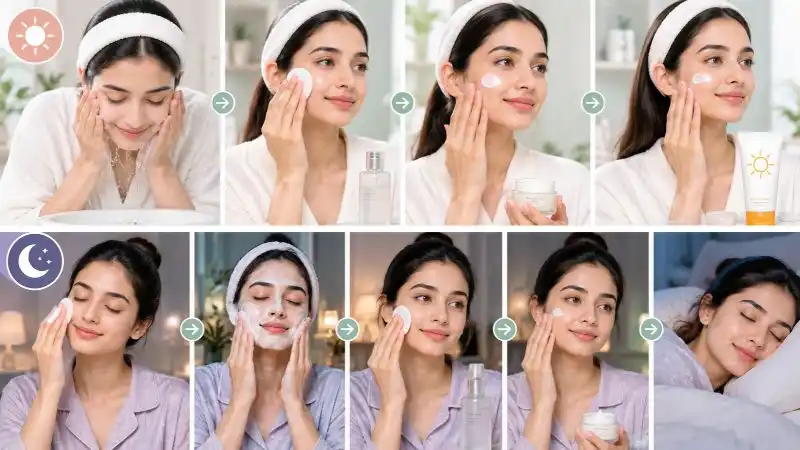
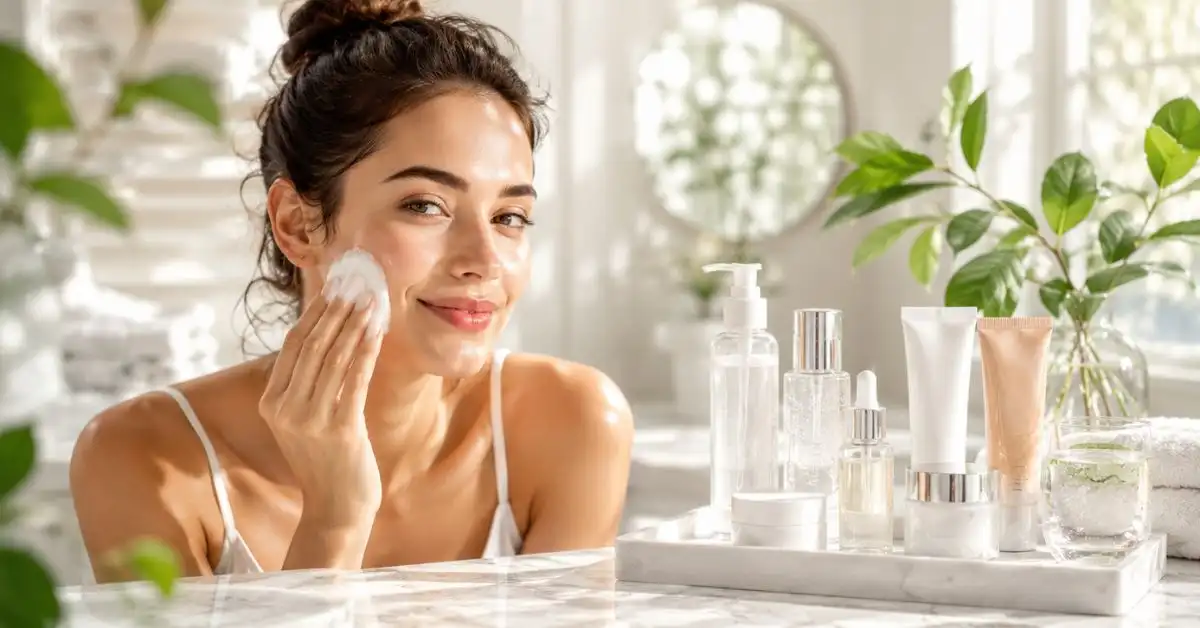
A glass-skin-inspired routine does not need to involve numerous products. The goal is to keep your skin clean, comfortable, hydrated, and protected.
Step 1: Cleanse Your Face Gently
Start with a mild facial cleanser that suits your skin type.
If you have oily or acne-prone skin, choose a cleanser that removes excess oil without leaving your face tight or uncomfortable. If you have dry or sensitive skin, avoid harsh cleansers and heavily fragranced products.
Use lukewarm water and gently pat your face dry with a clean towel.
Avoid rough scrubbing. Excessive friction can irritate your skin and make redness more noticeable.
Step 2: Apply Rice Water Carefully
Once your face is clean, apply a small amount of freshly prepared rice water with clean fingertips or a soft cotton pad.
Avoid your eyes and lips, and do not rub the mixture aggressively into your skin.
For your first application, use it briefly and rinse it off with clean water. If you notice burning, itching, redness, or swelling, stop using it.
Rice water is optional. You do not need to apply it every day to maintain healthy skin.
Step 3: Use a Hydrating Moisturizer
Moisturizing is one of the most useful steps for achieving a smooth, dewy appearance.
Choose a lightweight, non-comedogenic moisturizer if your skin is oily or acne-prone. A richer cream may suit dry skin better.
Useful moisturizing ingredients include:
- Glycerin: Helps attract water to the outer layer of the skin.
- Ceramides: Help support the skin’s protective barrier.
- Hyaluronic acid: Helps attract and retain moisture in the skin’s surface layers.
Apply your moisturizer according to the product directions. Keeping your skin comfortably hydrated can make it appear smoother without relying on a homemade remedy.
Step 4: Apply Sunscreen Every Morning
Sunscreen is essential when your goal is to maintain an even-looking complexion and protect your skin from UV damage.
Choose a broad-spectrum sunscreen with SPF 30 or higher. Follow the label directions and reapply approximately every two hours when outdoors, as well as after swimming or sweating.
If you have oily skin, consider a lightweight, non-comedogenic formula.
Sunscreen does not create glass skin overnight, but regular protection helps prevent sunburn, premature skin aging, and the worsening of some dark spots.
Step 5: Keep Your Night Routine Simple
At night, remove makeup and sunscreen, cleanse your face gently, and apply moisturizer.
You may choose to use rice water occasionally, but avoid introducing several new ingredients at the same time.
If your main concern is acne, dark spots, or uneven texture, a suitable evidence-based treatment may be more helpful than relying on rice water alone.
5. Morning and Night Glass Skin Routine
A consistent routine is easier to maintain than a complicated collection of beauty treatments.
| Morning routine | Night routine |
| Gentle cleanser | Gentle cleanser |
| Optional rice water, if tolerated | Optional rice water, if tolerated |
| Hydrating moisturizer | Hydrating moisturizer |
| Broad-spectrum SPF 30+ sunscreen | No sunscreen is needed as a nighttime skincare step |
You can skip rice water in both routines. Cleansing, moisturizing, and sun protection provide the foundation for healthy-looking skin.
Which Ingredients Support a Glowing Appearance?
Different ingredients serve different purposes. Choose products according to your skin concerns rather than using everything at once.
| Ingredient | Main skincare role |
| Glycerin | Helps attract moisture to the skin |
| Ceramides | Support the skin barrier |
| Hyaluronic acid | Helps maintain surface hydration |
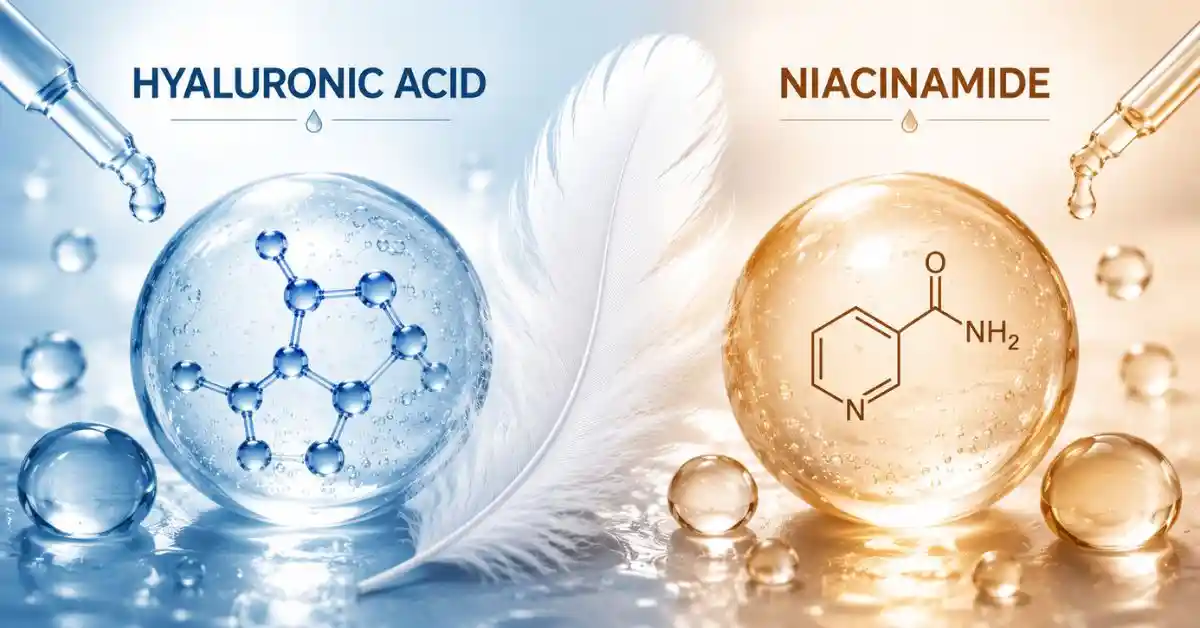
| Niacinamide | May support the skin barrier and improve uneven-looking tone |
| Azelaic acid | Can help with certain types of acne and post-acne discoloration |
| Broad-spectrum sunscreen | Helps protect against UV damage |
Not every ingredient is suitable for everyone. Introduce new products gradually, follow label directions, and seek professional guidance if you have persistent acne or significant skin irritation.
6. Common Rice Water Mistakes That Can Affect Your Skin
Even a simple home remedy can cause problems if you prepare or use it carelessly. Avoid these common mistakes when trying to get Korean glass skin at home with rice water.
Mistake 1: Leaving Rice Water at Room Temperature for Too Long
Homemade rice water does not contain a reliable preservative system. Leaving it standing for extended periods can increase the risk of microbial growth.
Prepare a small fresh batch for each use and discard the remainder rather than keeping it for several days.
Mistake 2: Assuming Natural Ingredients Are Always Safe
Natural ingredients can still irritate the skin or trigger allergic reactions.
Test a small amount on an inconspicuous area first and monitor the skin for 24–48 hours. A patch test can reduce uncertainty, but it cannot guarantee that a reaction will never occur.
Mistake 3: Adding Lemon Juice or Baking Soda
Lemon juice and baking soda are not necessary for a rice-water skincare routine.
Lemon juice can irritate facial skin and may contribute to unwanted reactions following sunlight exposure. Baking soda can also disrupt the skin’s normal surface environment and cause irritation.
Keep your rice water simple. Do not add ingredients just because they appear in online beauty recipes.
Mistake 4: Using Rice Water Instead of Moisturizer
Rice water is not a substitute for a properly formulated moisturizer.
If your skin feels tight, flaky, or uncomfortable, focus on a gentle cleanser and a suitable moisturizer rather than repeatedly applying homemade mixtures.
Mistake 5: Expecting Instant Results
No homemade rinse can guarantee glass skin overnight.
A temporary glow from hydration is different from long-term improvement in acne, pigmentation, or skin texture. Give a suitable skincare routine time to work and avoid aggressive treatments when results are slow.
Mistake 6: Ignoring Irritation
If your face develops persistent redness, burning, itching, or swelling after using rice water, rinse it off and stop using it.
Do not increase the frequency or add more ingredients in an attempt to fix the reaction. Seek medical advice if symptoms are severe or do not settle.
7. Is Rice Water Suitable for Oily, Acne-Prone, and Sensitive Skin?
Rice water is not proven to treat acne, and its suitability depends on your individual skin. Some people may tolerate it, while others may experience irritation.
For Oily Skin
If your face produces excess oil, use a gentle cleanser and lightweight moisturizer. You do not need to strip all oil from your skin to achieve a fresh appearance.
Avoid harsh scrubs and frequent washing, which can irritate the skin.
For Acne-Prone Skin
If you experience whiteheads, clogged pores, or recurring pimples, focus on products designed for acne-prone skin.
Choose non-comedogenic skincare where possible. Rice water should not replace an appropriate acne treatment.
You can also read GlowVixa’s guide to the best exfoliator for acne-prone skin to learn more about choosing exfoliating products carefully.
For Sensitive Skin
Sensitive skin may react to unfamiliar ingredients, including homemade preparations. If your skin is already irritated, peeling, or inflamed, avoid experimenting with rice water until it has settled.
A simple routine with a gentle cleanser, moisturizer, and sunscreen is often a more cautious starting point.
For Skin With Dark Spots
If your main concern is uneven pigmentation after acne, sunscreen and suitable evidence-based ingredients may help over time. Rice water has not been established as a treatment for persistent dark spots.
You can explore GlowVixa’sguide to acne on the cheeks if you also experience recurring cheek breakouts, or itsguide to primers for acne-prone skin if you want to learn about makeup options for blemish-prone skin.
8. How Long Does It Take to See Results?
There is no scientifically established timeline for getting Korean glass skin with rice water. Results depend on your skin type, hydration, existing skin concerns, and the products you use.
Some changes, such as a temporarily smoother appearance after moisturizing, may be noticeable quickly. Other concerns require more time.
What to Expect From a Consistent Routine
Immediately after moisturizing: Your skin may look more hydrated and feel softer.
After several weeks: A suitable routine may help reduce dryness and improve the appearance of roughness. Results depend on the products and your skin.
After several weeks or longer: Some skincare concerns may gradually improve when treated with appropriate, evidence-based products.
For persistent acne scars or pigmentation: Rice water alone is unlikely to produce meaningful improvement. Deeper scars may require professional treatment, while pigmentation often needs a targeted approach.
These are general expectations rather than guaranteed results. Avoid judging your progress solely by whether your skin looks like a filtered photograph.

9. When Should You Stop Using Rice Water or Seek Professional Advice?
Rice water is optional, and there is no reason to continue using it if your skin reacts poorly.
Stop applying it if you notice:
- Persistent redness or burning.
- Itching, swelling, or a rash.
- New or worsening irritation.
- A damaged or increasingly uncomfortable skin barrier.
Seek medical advice if you develop a significant reaction, painful acne, deep nodules, or scarring. A qualified dermatologist can help identify your skin concern and recommend suitable treatments.
If your goal is to improve persistent dark spots, acne scars, or uneven texture, a professional assessment can help you avoid treatments that may irritate your skin.
Frequently Asked Questions
1. How to get Korean glass skin at home with rice water?
Start with gentle cleansing, use freshly prepared rice water cautiously if your skin tolerates it, apply moisturizer, and wear sunscreen every morning. Rice water is optional, and there is no strong evidence that it creates glass skin on its own.
2. Can I use rice water on my face every day?
Daily use has not been scientifically established as safe or beneficial for everyone. Start with a patch test and occasional use if you choose to try it. Stop if irritation develops.
3. Should I wash my face after applying rice water?
For beginners, rinsing rice water off after a brief application is a cautious approach. If you experience discomfort, rinse it off immediately and discontinue use.
4. Can rice water remove dark spots and acne scars?
Rice water has not been proven to remove dark spots or structural acne scars. Sunscreen and suitable evidence-based treatments may help with some forms of discoloration, while deeper scars may require professional procedures.
5. Is rice water suitable for oily and sensitive skin?
Some people may tolerate rice water, but others can experience irritation. If you have oily skin, use gentle, non-comedogenic products. If you have very sensitive or irritated skin, a simple skincare routine without homemade mixtures may be more suitable.
Conclusion
Learning how to get Korean glass skin at home with rice water starts with understanding what healthy, hydrated skin actually needs. Rice water is a traditional beauty ingredient that some people enjoy using, but its ability to create glass skin has not been established by strong clinical evidence.
A realistic Korean glass skin with rice water routine should focus on skin comfort and consistent care, without expecting overnight results.
Focus on gentle cleansing, a suitable moisturizer, daily sunscreen, and products that match your skin type. Avoid harsh ingredients, uncontrolled fermentation, and unrealistic promises of overnight results.
GlowVixa Tip: You do not need poreless skin to have a healthy glow. Build a gentle, consistent routine and choose products that keep your skin comfortable, hydrated, and protected.
Also read: Best Toner for Acne-Prone Skin: Complete Guide“






Leave a Reply