
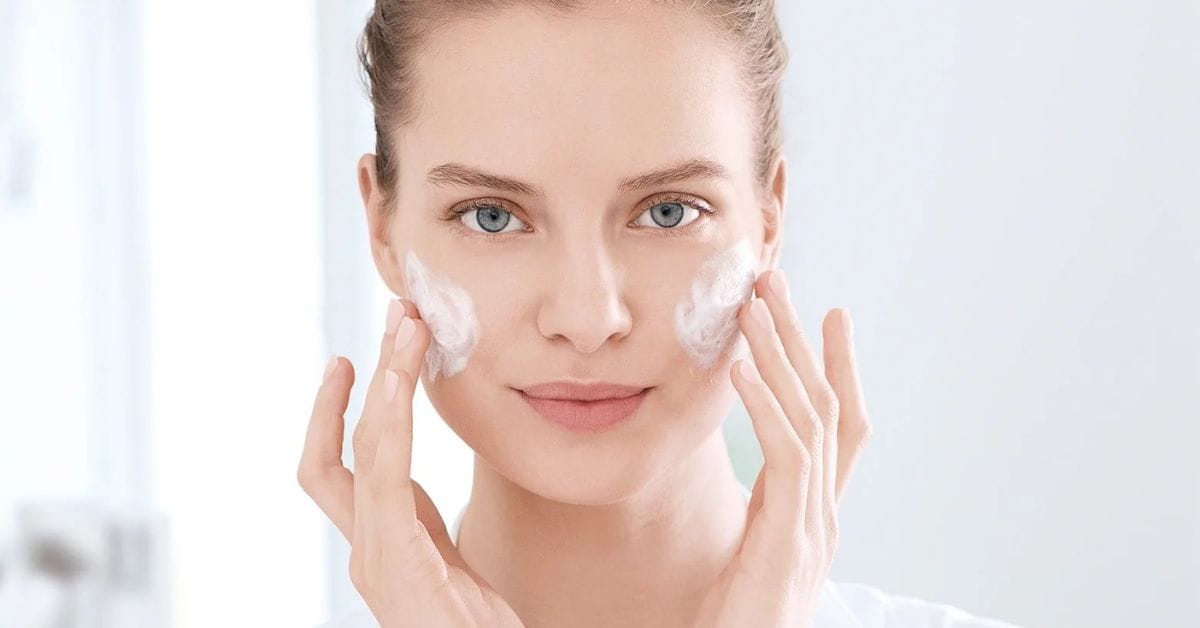
Acne is one of the most common skin concerns worldwide, affecting teenagers, young adults, and even adults. People with skin care whith acne often struggle with persistent breakouts, blackheads, and blemishes, which can impact confidence and self-esteem. Managing skin prone to acne requires the right skincare routine and lifestyle habits to keep flare-ups under control.

If you have acne prone skin, finding the right skincare routine can be challenging.
Following a consistent skin care with acne routine, backed by dermatologist advice, can help reduce breakouts, control oil, and improve overall skin health.
In this guide, we’ll cover everything you need to know about skin care with acne, including causes, treatments, daily routines, tips from dermatologists, and common mistakes to avoid. By the end, you’ll have a complete roadmap for clear and healthy skin.
Understanding Acne
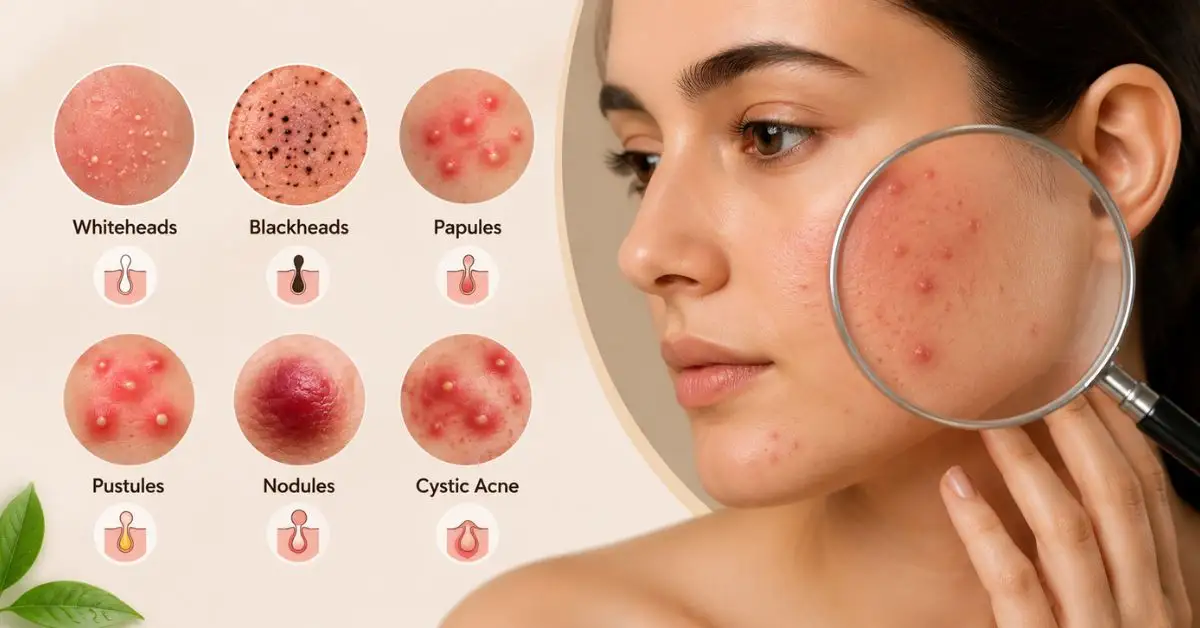
Acne occurs when hair follicles and pores on your skin become clogged with oil, bacteria, and dead skin cells. Acne can appear in various forms:
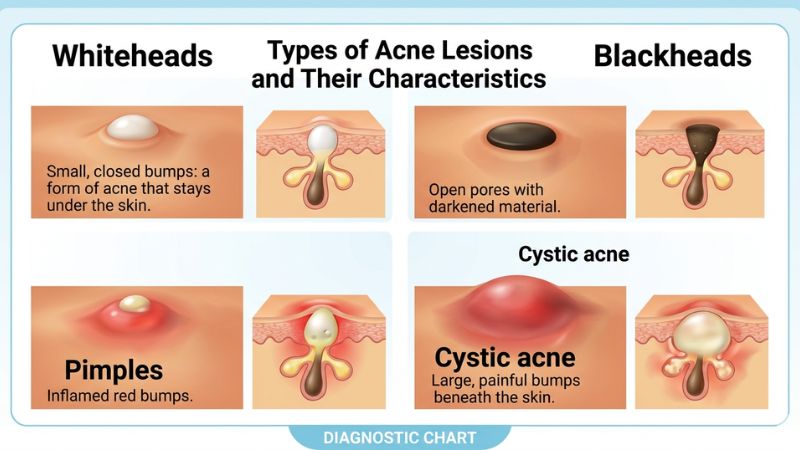
- Whiteheads – small, closed bumps
- Blackheads – open pores with darkened material
- Pimples – inflamed red bumps
- Cystic acne – large, painful bumps beneath the skin
It’s important to understand your acne type before choosing a treatment, as each type requires a slightly different approach in your skin care with acne routine.
Main Causes of Acne
Several factors contribute to acne formation:

1. Excess Sebum Production
Overactive sebaceous glands produce more oil, which can clog pores and promote breakouts.
2. Hormonal Changes
Hormones play a major role in acne, especially during puberty, menstrual cycles, pregnancy, or hormonal imbalance.
3. Bacterial Growth
The bacterium Propionibacterium acnes can grow in clogged pores, causing inflammation and pus formation.
4. Diet and Lifestyle
High sugar, processed foods, and dairy can worsen acne in some individuals.
5. Wrong Skin Care Products
Using comedogenic or heavy products can trigger or worsen breakouts. Always check labels before buying products.
6. Stress and Sleep
Stress increases cortisol levels, which can worsen acne. Poor sleep also affects skin regeneration and healing.
Dermatologist-Recommended Skin Care With Acne Routine
A consistent routine is key. Dermatologists often recommend a step-by-step approach tailored for acne-prone skin.
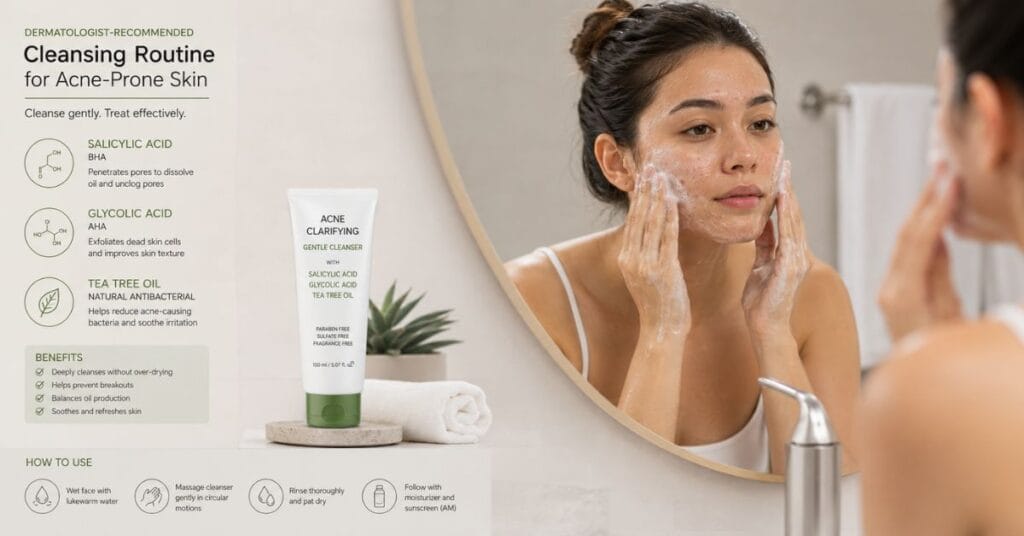
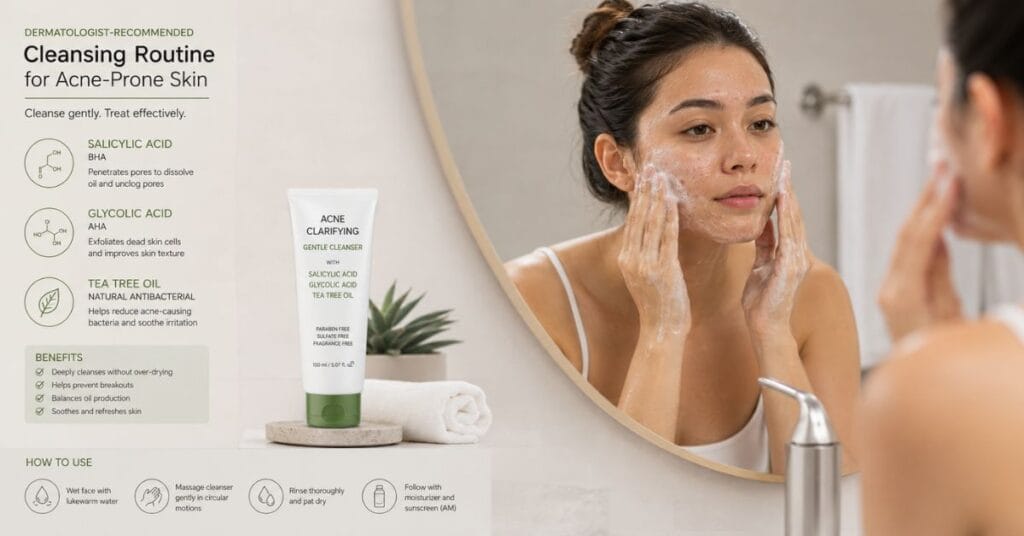
Step 1: Cleanser (Morning and Night)
A gentle cleanser removes dirt, oil, and impurities without stripping your skin. Avoid harsh soaps that dry out your skin, as dry skin can trigger more oil production.
Best Ingredients:
- Salicylic acid – unclogs pores
- Glycolic acid – gently exfoliates
- Tea tree oil – fights bacteria
Step 2: Toner (Optional but Beneficial)
Toners help restore skin pH, tighten pores, and remove leftover residue. Look for alcohol-free toners to avoid irritation.
Recommended Ingredients:
- Niacinamide – reduces redness and inflammation
- Witch hazel – naturally tones the skin
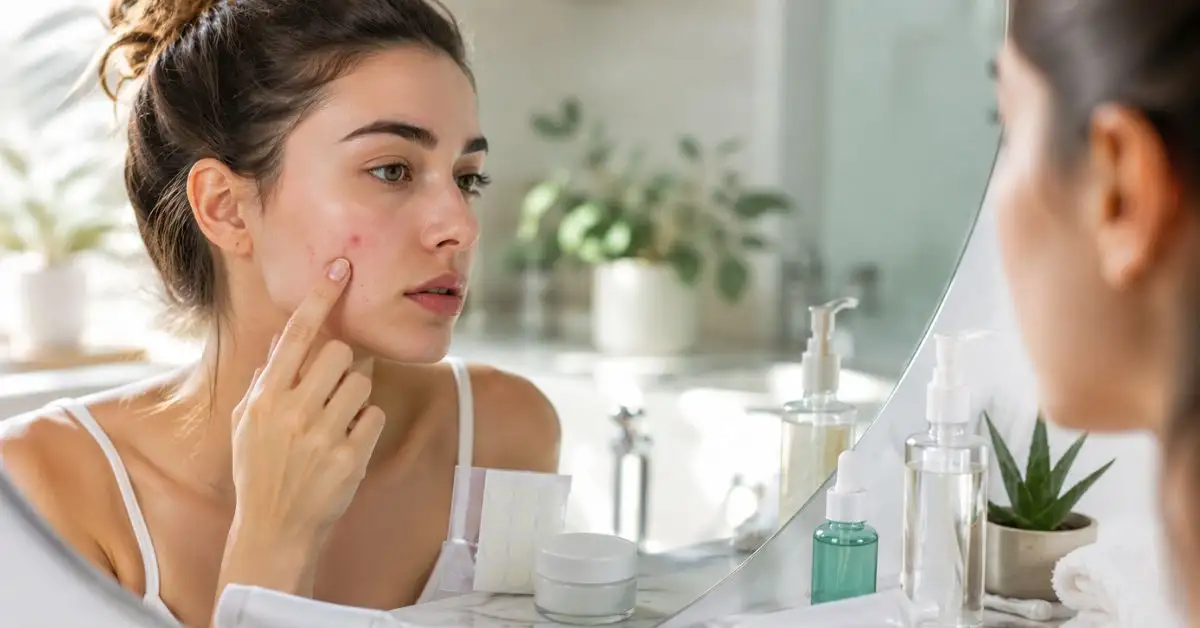
Step 3: Acne Treatment
This step is crucial for managing breakouts. Choose treatments based on your skin’s needs.
Key Ingredients:
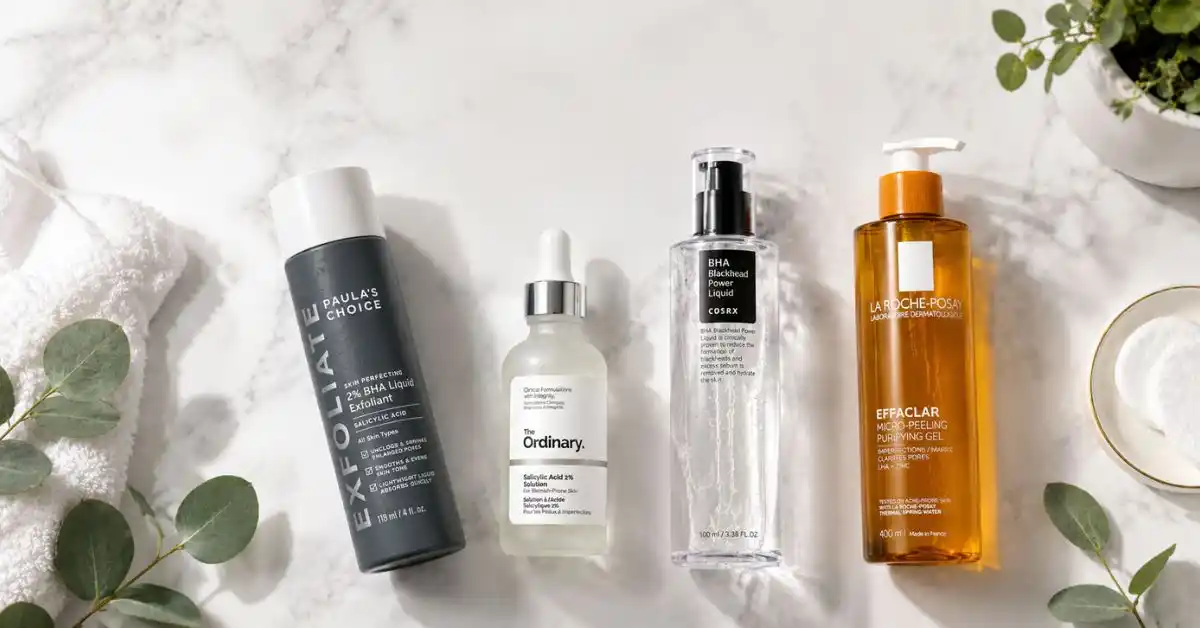
- Salicylic Acid: Helps unclog pores and reduce blackheads.
- Benzoyl Peroxide: Kills acne-causing bacteria and reduces inflammation.
- Retinoids: Encourage cell turnover and prevent new pimples.
- Niacinamide: Soothes irritation, controls oil, and reduces redness.
Tip: Start slowly to see how your skin reacts; don’t overload with multiple active ingredients.
Step 4: Moisturizer (Essential)
Many acne-prone people skip moisturizer, thinking their skin is oily. This is a mistake. Proper hydration keeps skin balanced and reduces excess oil production.
Best Options:
- Lightweight, non-comedogenic
- Gel-based or water-based formulas
- Ingredients like hyaluronic acid and glycerin
Step 5: Sunscreen (Morning Only)
Sun exposure can worsen acne scars and redness. Always use sunscreen, even on cloudy days.
Best Choices:
- SPF 30+
- Oil-free, matte finish
- Mineral-based (zinc oxide or titanium dioxide)
Lifestyle Tips for Acne-Free Skin
Your routine alone isn’t enough. Healthy lifestyle habits amplify results:

- Drink 2–3 liters of water daily
- Eat a balanced diet with fruits, vegetables, and whole grains
- Limit sugar and dairy products if they trigger breakouts
- Sleep 7–8 hours a night
- Reduce stress with meditation or light exercise
These small adjustments support your skin care with acne routine and overall skin health.
Morning vs Night Routine for Acne-Prone Skin
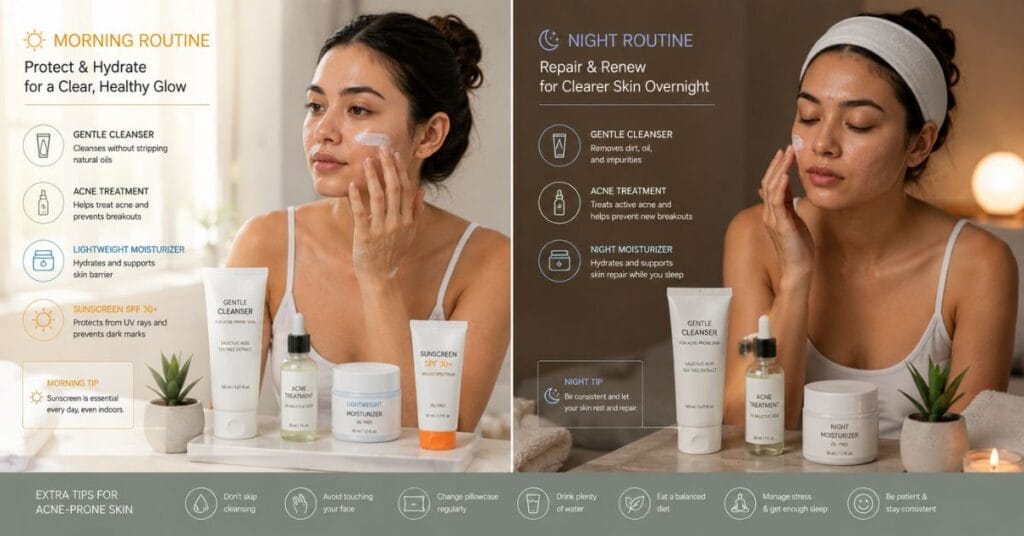
Morning Routine:
- Gentle cleanser
- Lightweight acne treatment (optional)
- Moisturizer
- Sunscreen
Night Routine:
- Cleanser
- Acne treatment
- Moisturizer
Consistency is crucial. Following the morning and night routines daily ensures better results.
Common Mistakes to Avoid
Many people unknowingly worsen their acne. Avoid these mistakes:
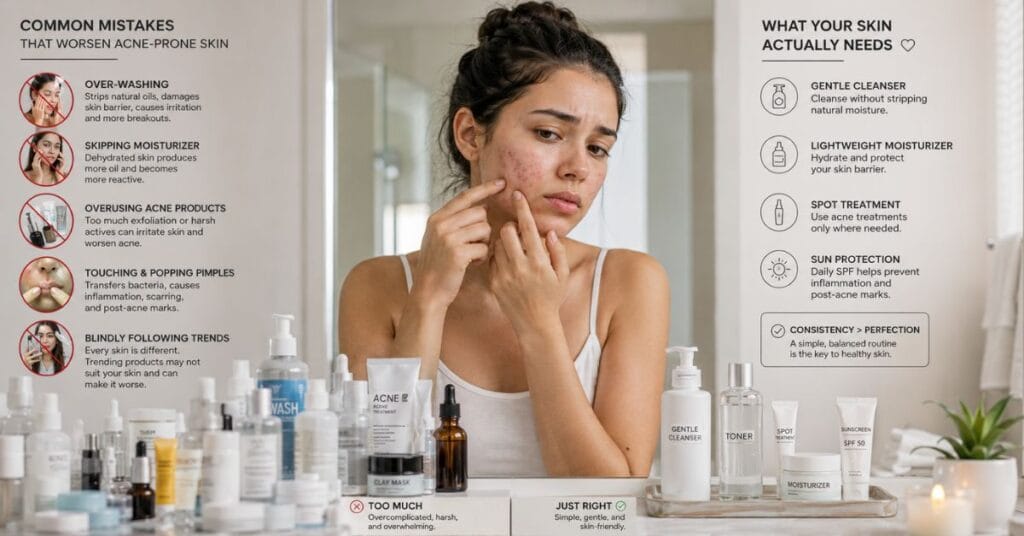
- Over-washing face – strips skin and triggers oil production
- Skipping moisturizer – leads to dehydration and breakouts
- Overusing acne products – too many active ingredients irritate skin
- Touching or popping pimples – increases infection and scars
- Chasing trends blindly – not all products work for every skin type
Acne-Friendly Ingredients to Look For
To maximize the effectiveness of your skin care with acne routine, choose products with:
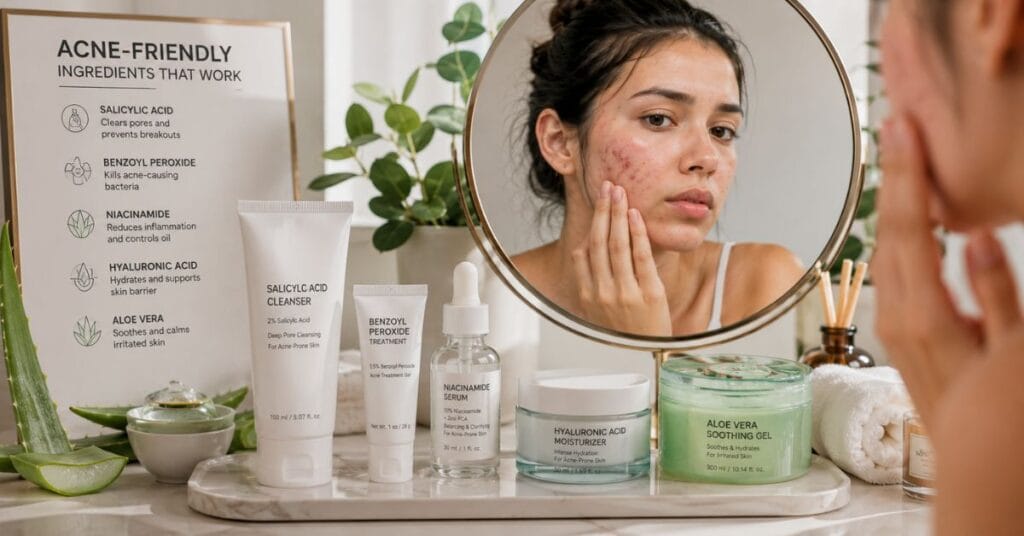
- Salicylic Acid: unclogs pores and prevents blackheads
- Benzoyl Peroxide: kills acne-causing bacteria
- Niacinamide: reduces inflammation and oil
- Hyaluronic Acid: hydrates without clogging pores
- Aloe Vera: soothes irritation and redness
Avoid ingredients like heavy oils, sulfates, and alcohols that can worsen acne.
How Long to See Results?
Patience is key. Acne treatments take time:
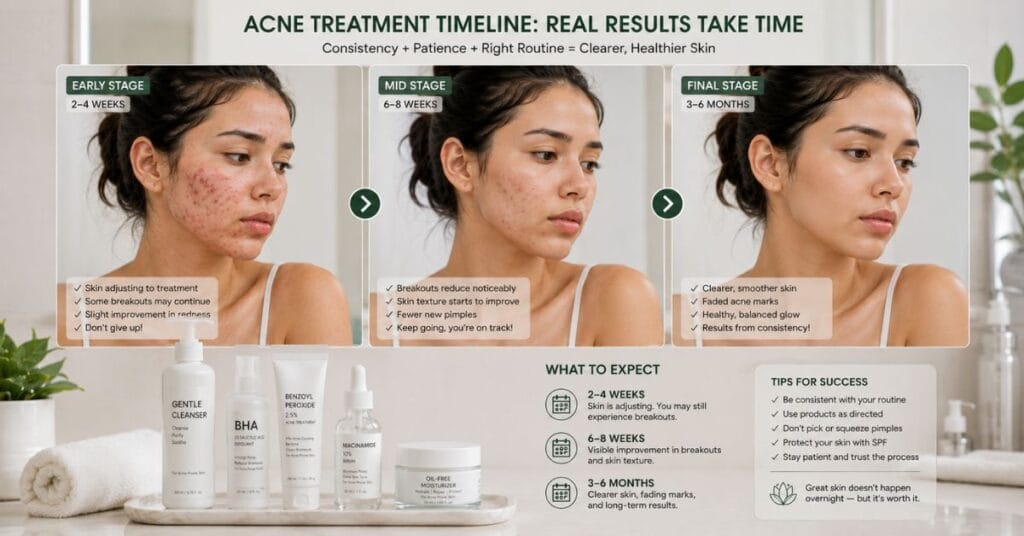
- 2–4 weeks: minor improvement, fewer pimples
- 6–8 weeks: visible reduction in breakouts and improved skin texture
- 3–6 months: clearer skin, reduced inflammation, and fewer scars
Consistency and following the right routine are more important than trying multiple products at once.
When to Consult a Dermatologist
Sometimes acne requires professional care. See a dermatologist if you experience:
- Painful cystic acne
- Persistent breakouts despite home care
- Severe scarring
- Skin irritation from over-the-counter products
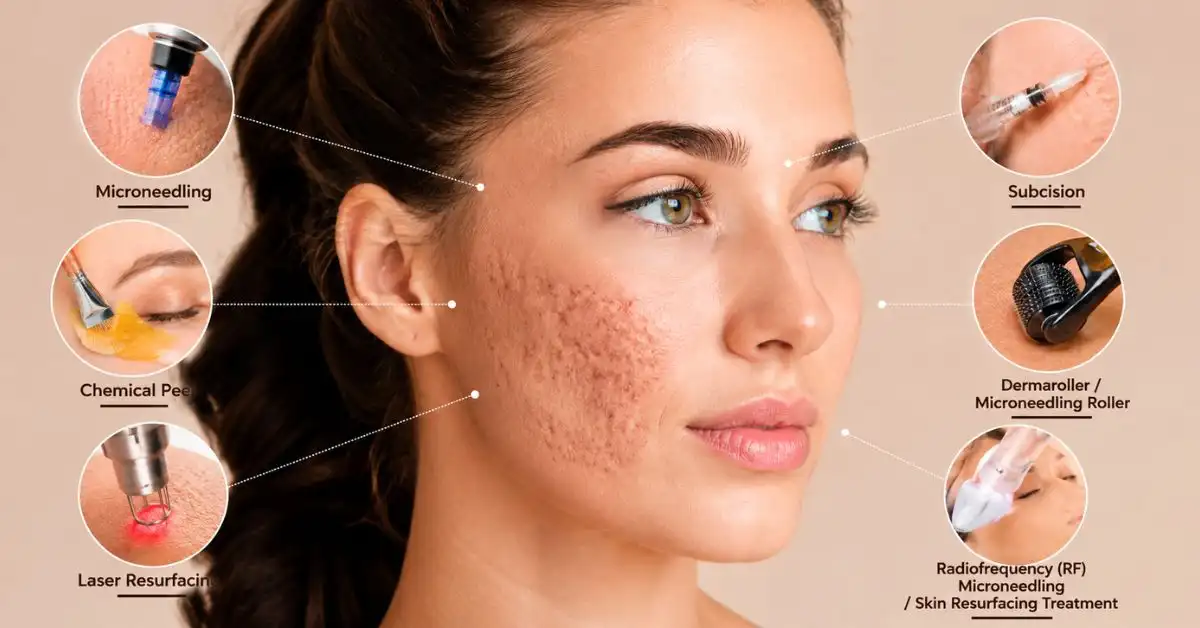
Dermatologists may recommend prescription treatments, chemical peels, or laser therapy depending on your skin type.
FAQs About Skin Care With Acne
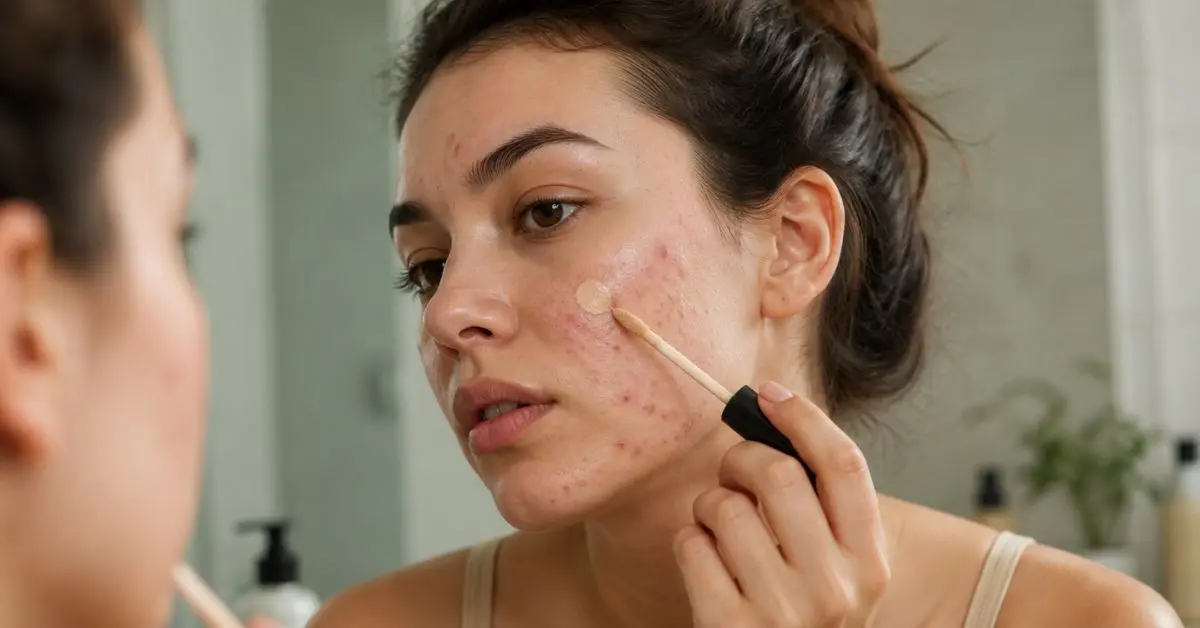
Q1: Can I use makeup with acne?
Yes, use non-comedogenic products and remove makeup thoroughly before bed.
Q2: Does oily skin always mean more acne?
Not always, but excess oil can increase the chance of clogged pores and breakouts.
Q3: Should I exfoliate acne-prone skin?
Yes, gently 2–3 times a week. Avoid harsh scrubs that irritate the skin.
Q4: Can diet affect acne?
Yes, high sugar and processed foods can trigger breakouts in some people.
Q5: Can stress worsen acne?
Absolutely. Stress increases cortisol, which can lead to more oil and inflammation.
Conclusion
Managing acne may seem overwhelming, but with the right approach, it is achievable. A consistent skin care with acne routine, combined with dermatologist-recommended treatments, healthy lifestyle habits, and patience, will lead to clear, glowing skin.
Focus on gentle cleansing, proper hydration, targeted treatments, and sun protection. Avoid common mistakes and give your skin the time it needs to heal. With commitment and the right products, acne can be controlled effectively, helping you regain confidence and healthy-looking skin.





Leave a Reply