
Your skin suddenly feels tight, red, irritated, or unusually sensitive. Products that once worked perfectly now sting when applied. Even simple cleansing feels uncomfortable.
Many people struggle with irritation, redness, and dryness when they need to repair damaged skin barrier function.
A damaged skin barrier is one of the most common skincare concerns seen by dermatologists today. Many people need to repair damaged skin barrier function because of over-exfoliation, harsh active ingredients, environmental stressors, and changing weather conditions that weaken the skin’s natural protective layer.
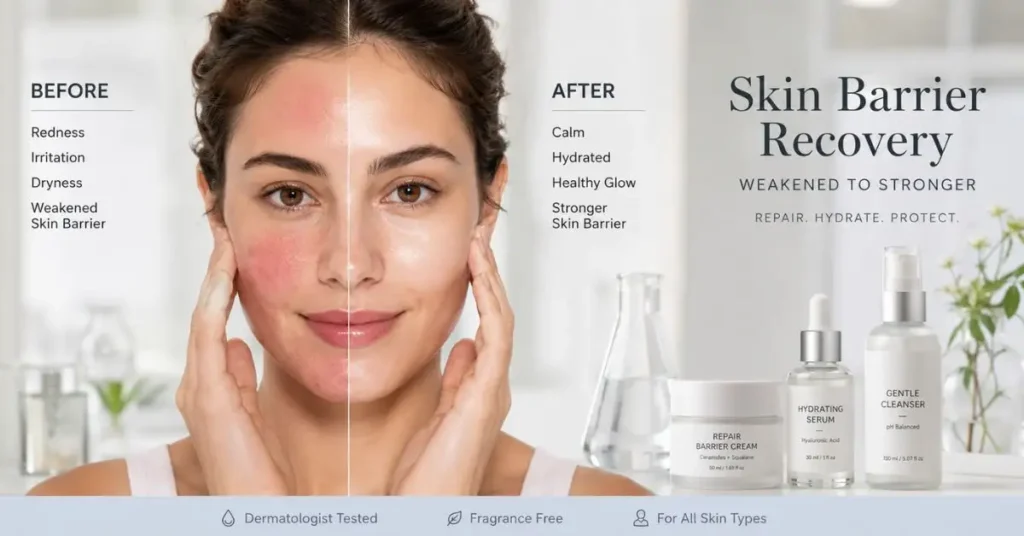
Whether you live in the dry winters of Canada, the humid climate of Thailand, the unpredictable weather of the UK, or the sun-exposed regions of the United States, maintaining a healthy skin barrier is essential for comfortable, resilient skin.
The good news is that with the right approach, you can successfully repair damaged skin barrier function and restore your skin’s health.
In this expert guide, you’ll learn the signs of barrier damage, what causes it, and the five most effective dermatologist-backed steps to repair damaged skin barrier function and support recovery.
What Is the Skin Barrier?
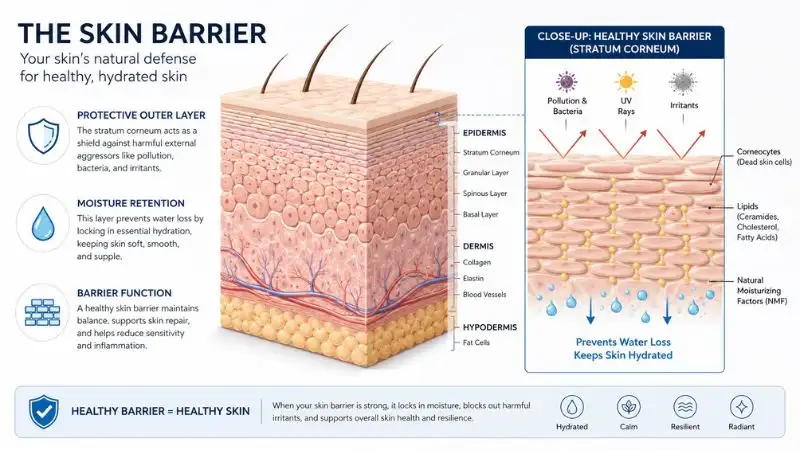
The skin barrier, also known as the stratum corneum, is the outermost layer of your skin. Understanding this protective layer is the first step to repair damaged skin barrier function and improve overall skin health.
Think of it as a protective shield that helps:
- Lock in moisture
- Keep irritants out
- Defend against pollution
- Protect against bacteria and allergens
- Maintain healthy skin hydration
When this barrier becomes compromised, moisture escapes more easily, and external irritants can penetrate the skin more readily.
The result is redness, dryness, irritation, and increased sensitivity.
Signs of a Damaged Skin Barrier
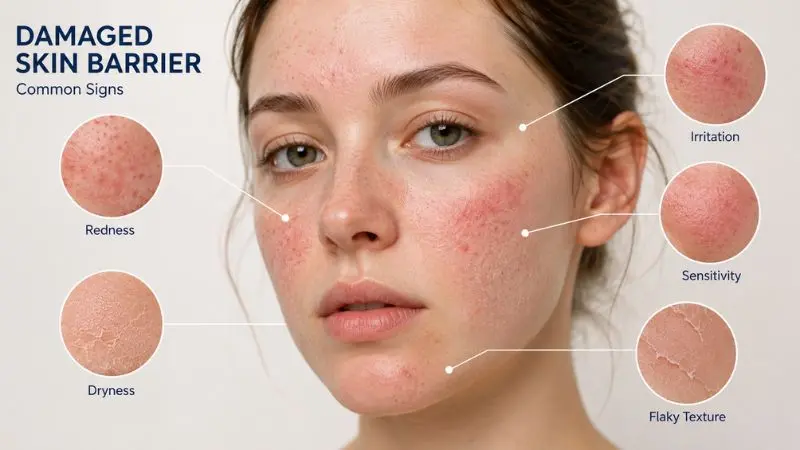
Recognizing the symptoms early can help prevent further irritation.
Common signs of a damaged skin barrier include:
- Persistent redness
- Burning or stinging sensations
- Increased sensitivity to skincare products
- Dry, flaky patches
- Tightness after cleansing
- Rough or uneven texture
- Frequent breakouts
- Itchy skin
- Excessive oiliness despite dehydration
Many people mistake these symptoms for acne, allergies, or simply dry skin, when the underlying issue is often barrier dysfunction. Understanding how to repair damaged skin barrier function can help address these concerns and restore healthier skin.
Common Causes of Skin Barrier Damage

Several everyday habits can weaken your skin’s protective layer.
Over-Exfoliation
One of the leading causes is over-exfoliated skin.
Using multiple acids, scrubs, or exfoliating treatments too frequently can strip away essential lipids and protective cells.
Overuse of Active Ingredients
Excessive use of:
- Retinol
- Glycolic acid
- Salicylic acid
- Benzoyl peroxide
- Vitamin C
can overwhelm sensitive skin and trigger irritation.
Environmental Factors
Climate plays a significant role.
Common triggers include:
- Cold winter air
- Indoor heating
- Air conditioning
- UV exposure
- Pollution
- High humidity
Harsh Cleansers
Strong foaming cleansers may remove natural oils needed for barrier health.
Excessive Skincare Routines
More products do not always mean better results.
Layering too many active ingredients often contributes to irritation and inflammation.
Quick Comparison: Damaged vs. Healthy Skin Barrier
| Factor | Damaged Skin Barrier | Healthy Skin Barrier |
| Symptoms | Redness, burning, irritation | Comfortable and balanced |
| Texture | Rough, flaky, uneven | Smooth and soft |
| Sensitivity | High sensitivity to products | Minimal sensitivity |
| Hydration | Dehydrated despite moisturizing | Retains moisture effectively |
| Appearance | Dull and inflamed | Radiant and healthy-looking |
| Recovery Time | Several weeks to months | Maintains normal function |
5 Expert-Backed Steps to Repair a Damaged Skin Barrier
Step 1: Stop Over-Exfoliating Immediately
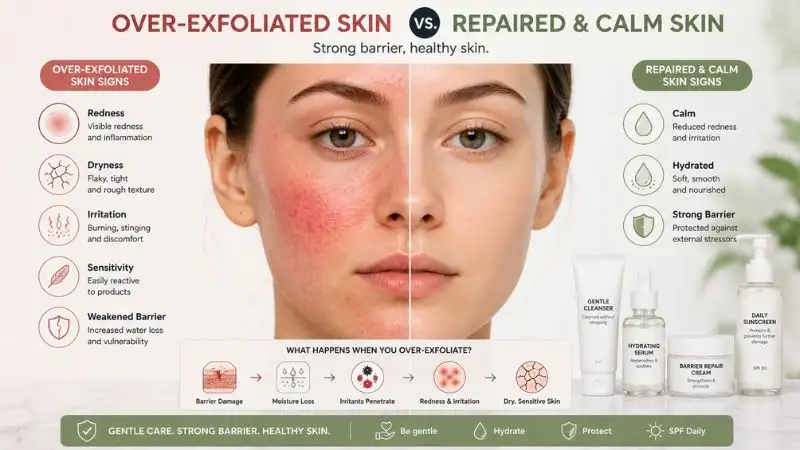
The first and most important step is eliminating anything that continues to damage your skin.
If your skin feels irritated, pause:
- Physical scrubs
- Chemical exfoliants
- Retinoids
- Strong acne treatments
- High-strength peels
Many dermatologists recommend simplifying your routine for several weeks.
Why This Works
When skin is already inflamed, continued exfoliation prolongs injury and delays recovery.
Giving your skin time to heal allows natural repair mechanisms to restore the barrier.
Skin Cycling Can Help
Modern skincare trends such as skin cycling encourage strategic use of active ingredients instead of daily application.
This approach can help protect your skin while you repair damaged skin barrier function and may reduce the risk of future barrier damage while still delivering skincare benefits.
Key Takeaway: Less is often more when your skin barrier is compromised.
Step 2: Focus on Gentle Cleansing
A damaged barrier requires a gentle approach.
Choose cleansers that remove dirt and sunscreen without stripping natural oils.
Look for These Features
- Sulfate-free formulas
- Fragrance-free options
- Hydrating ingredients
- Low-foam cleansers
- Cream or lotion textures
Ingredients That Support Recovery
Beneficial ingredients include:
- Glycerin
- Panthenol
- Oat extracts
- Aloe vera
Cleansing Tips
- Use lukewarm water
- Avoid hot water
- Limit cleansing to twice daily
- Pat skin dry gently
Aggressive cleansing can worsen irritation and slow healing.
Key Takeaway: A gentle cleanser protects your skin while minimizing further damage.
Step 3: Rebuild Lipids with Ceramides
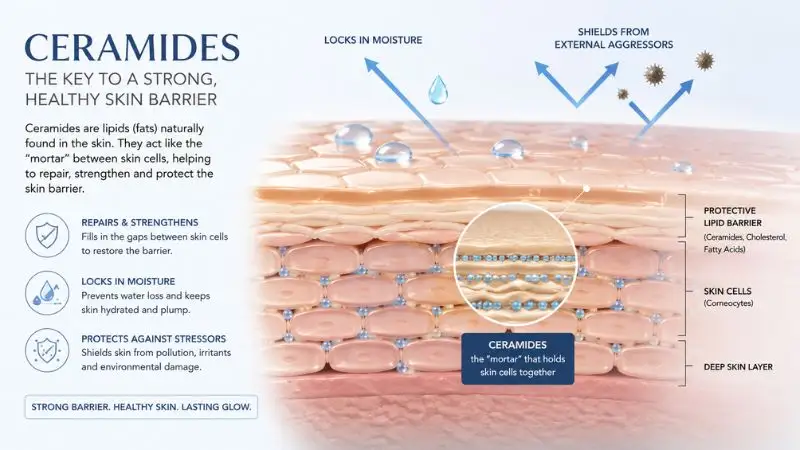
One of the most effective ways to repair damaged skin barrier function is by replacing lost lipids.
Why Ceramides Matter
Ceramides for skin are naturally occurring fats that help seal moisture into the skin and support the process to repair damaged skin barrier function.
Research shows that ceramides are essential for maintaining barrier integrity and preventing water loss.
When the barrier becomes damaged, ceramide levels often decrease.
Benefits of Ceramide-Rich Moisturizers
They help:
- Strengthen the barrier
- Reduce dryness
- Improve hydration
- Decrease sensitivity
- Support long-term resilience
Additional Barrier-Supporting Ingredients
Look for moisturizers containing:
- Cholesterol
- Fatty acids
- Squalane
- Shea butter
- Niacinamide
These ingredients work together to restore the skin’s protective structure and help repair damaged skin barrier function by improving moisture retention and resilience.
Application Tip
Apply moisturizer while skin is slightly damp.
This helps lock in hydration and improves moisture retention.
Key Takeaway: Ceramides are among the most important ingredients for barrier repair.
Step 4: Prioritize Hydration
Hydration is essential for skin recovery.
A strong focus on hydrating skincare can significantly improve comfort and healing.
Why Hydration Matters

A damaged barrier loses water more rapidly through a process called transepidermal water loss (TEWL). Proper hydration plays an important role when you want to repair damaged skin barrier function and restore moisture balance.
Increasing hydration helps:
- Reduce tightness
- Improve elasticity
- Support repair processes
- Calm inflammation
Best Hydrating Ingredients
Look for products containing:
- Hyaluronic acid
- Glycerin
- Beta-glucan
- Polyglutamic acid
- Panthenol
- Aloe vera
Layer Hydration Correctly
A simple layering approach may include:
- Gentle cleanser
- Hydrating serum
- Ceramide moisturizer
- Sunscreen (morning)
This forms an effective skin barrier recovery routine without overwhelming sensitive skin.
Avoid Common Mistakes
Do not:
- Use multiple active serums simultaneously
- Layer strong acids
- Skip moisturizer
Hydration alone is not enough unless moisture is properly sealed into the skin.
Key Takeaway: Consistent hydration accelerates barrier recovery and improves comfort.
Step 5: Protect Your Skin from UV and Environmental Stress
Barrier repair is difficult if the skin continues facing daily stressors.
Sun exposure is one of the biggest threats to healing skin.
Use Sunscreen Every Day
Choose:
- SPF 30 or higher
- Broad-spectrum protection
- Sensitive-skin formulas
Mineral sunscreens containing zinc oxide are often well tolerated by reactive skin.
Additional Protective Measures
- Wear hats outdoors
- Seek shade during peak sun hours
- Use humidifiers in dry environments
- Avoid excessive heat exposure
Consider Climate-Specific Adjustments
For US and Canada
Dry winters often require richer moisturizers and indoor humidification.
For the UK
Frequent weather changes may require flexible hydration strategies throughout the year.
For Thailand
High humidity and heat make lightweight, non-comedogenic hydration ideal.
Long-Term Barrier Maintenance
Once recovery occurs:
- Reintroduce active ingredients slowly
- Continue using barrier-supporting moisturizers
- Avoid aggressive exfoliation
This helps prevent future flare-ups.
Key Takeaway: Protection is just as important as repair.
Sample Skin Barrier Recovery Routine
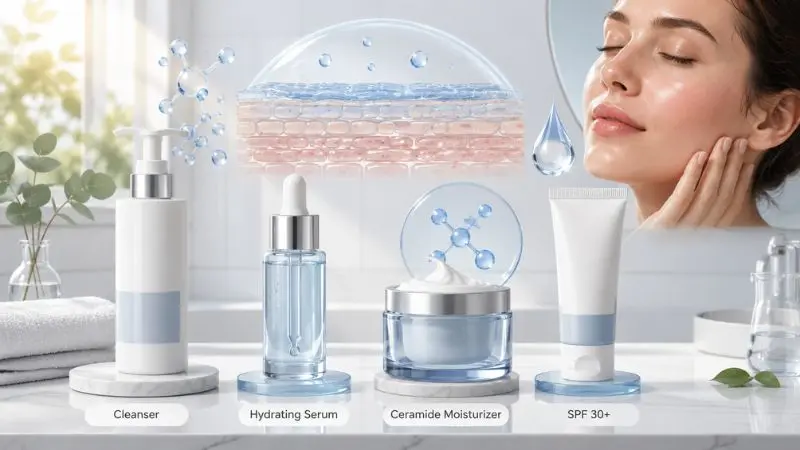
If you’re unsure where to begin, try this simple dermatologist-inspired routine.
Morning
- Gentle cleanser
- Hydrating serum
- Ceramide moisturizer
- Broad-spectrum SPF 30+
Evening
- Gentle cleanser
- Hydrating serum
- Barrier-repair moisturizer
Avoid adding exfoliants until your skin feels comfortable again.
This straightforward skin barrier recovery routine provides the essentials needed for healing.
How Long Does It Take to Repair a Damaged Skin Barrier?
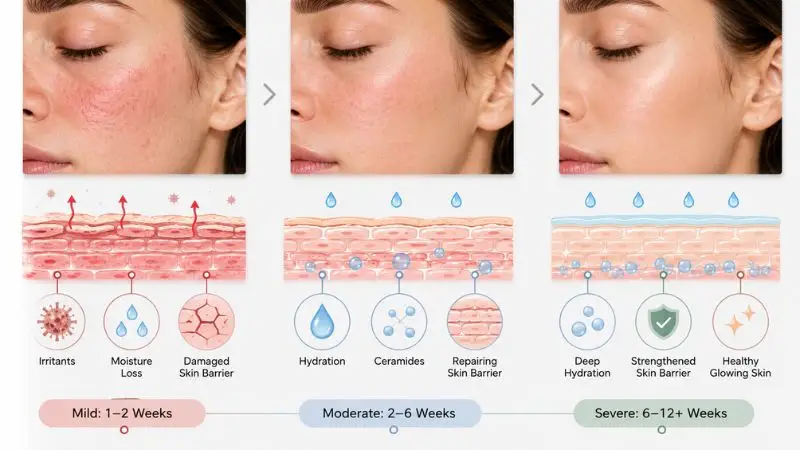
Recovery time varies based on severity.
Mild Damage
- 1–2 weeks
Moderate Damage
- 2–6 week
Severe Damage
- 6–12 weeks or longer
Consistency is the most important factor.
Frequent product changes often slow progress.
If symptoms persist or worsen, consult a board-certified dermatologist for personalized evaluation and guidance on how to repair damaged skin barrier function effectively.
Mistakes That Can Delay Recovery
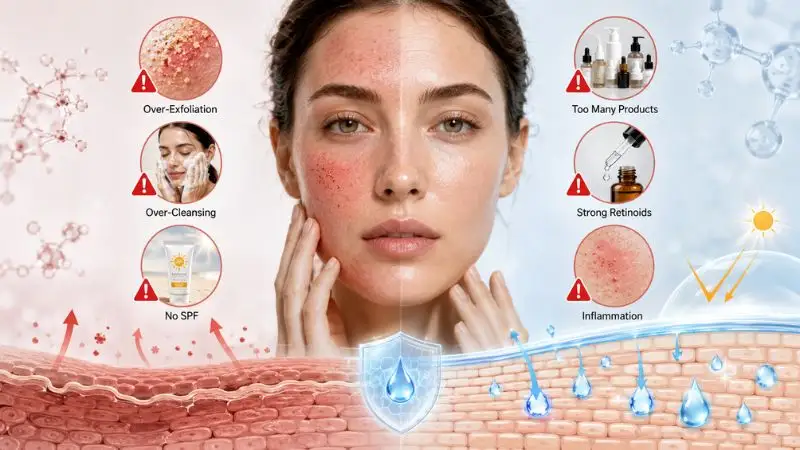
Avoid these common skincare errors:
- Continuing to exfoliate irritated skin
- Trying multiple new products simultaneously
- Using high-strength retinoids too early
- Over-cleansing
- Skipping sunscreen
- Ignoring persistent inflammation
Patience and consistency are essential for successful healing. Following the right steps to repair damaged skin barrier function can help your skin recover, restore moisture balance, and maintain long-term skin health.
Dermatologist’s Final Thoughts

A compromised skin barrier can cause redness, irritation, sensitivity, and discomfort, but recovery is absolutely possible.
To repair damaged skin barrier function effectively, focus on a simple and consistent routine:
- Stop over-exfoliating.
- Use a gentle cleanser.
- Incorporate ceramide-rich moisturizers.
- Focus on hydrating skincare.
- Protect your skin from UV damage and environmental stress.
With a simple and consistent approach, most people can repair damaged skin barrier function and restore healthier, stronger, and more resilient skin over time.
FAQ
1. How long does it take to repair a damaged skin barrier?
Most mild cases improve within 1–2 weeks, while more severe damage may take 4–12 weeks.
2. What are the first signs of a damaged skin barrier?
Common signs include redness, stinging, dryness, tightness, and increased skin sensitivity.
3. Can over-exfoliation damage the skin barrier?
Yes. Excessive use of scrubs, acids, or retinoids can weaken the barrier and cause irritation.
4. Are ceramides good for barrier repair?
Yes. Ceramides help restore the skin’s natural protective layer and improve moisture retention.
5. Should I stop using retinol if my skin barrier is damaged?
It’s usually best to pause retinol and other strong actives until your skin has recovered.
6. What ingredients help repair a damaged skin barrier?
Ceramides, glycerin, hyaluronic acid, panthenol, and squalane are excellent barrier-supporting ingredients.
7. Can I wear makeup while repairing my skin barrier?
Yes, but choose gentle, non-irritating products and remove them carefully with a mild cleanser.
Conclusion
If you’re trying to repair damaged skin barrier function, the key is to simplify your skincare routine and focus on ingredients that support healing. Gentle cleansing, consistent hydration, ceramide-rich moisturizers, and daily sun protection can help restore your skin’s natural defenses. These steps can also help you successfully repair damaged skin barrier function and reduce symptoms like redness, dryness, and sensitivity.
Remember that skin barrier recovery takes time, especially if your skin has been exposed to over-exfoliation or harsh skincare products. By following a consistent skin barrier recovery routine and avoiding unnecessary irritation, you can successfully repair damaged skin barrier function and achieve healthier, stronger, and more resilient skin in the long run.








Leave a Reply