

AntiAging is a natural biological process, but its visible effects on the skin can often make people feel less confident about their appearance. Fine lines, wrinkles, loss of elasticity, and uneven skin texture are some of the most common concerns that appear with age. Today, modern dermatology offers a wide range of anti-aging procedures that help reduce these signs and restore a more youthful, refreshed look.
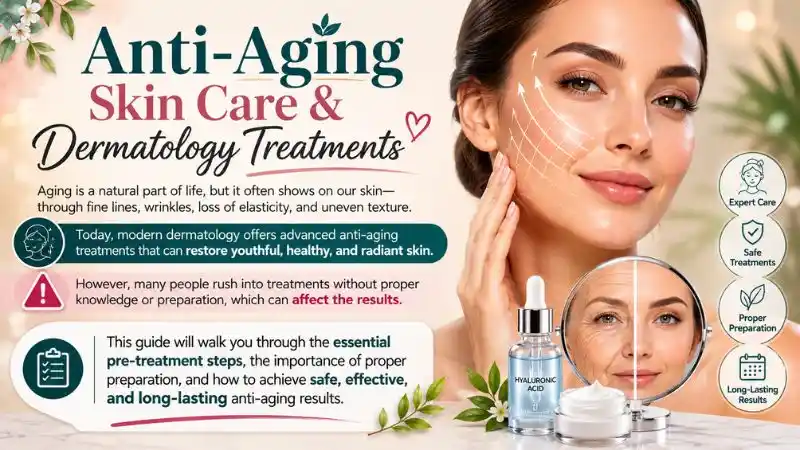
However, many people make the mistake of rushing into treatments without understanding what their skin truly needs or how to properly prepare for these procedures. Proper knowledge and preparation are essential to achieve safe, effective, and long-lasting results.
This guide on anti-aging procedures will help you understand what steps you must take before starting any treatment, why preparation matters, and how to ensure the best possible outcome for your skin.
What Are Anti-Aging Procedures?
Anti-aging procedures refer to a wide range of cosmetic and dermatological treatments designed to reduce visible signs of aging. These treatments aim to improve skin elasticity, reduce wrinkles, and restore a youthful appearance.
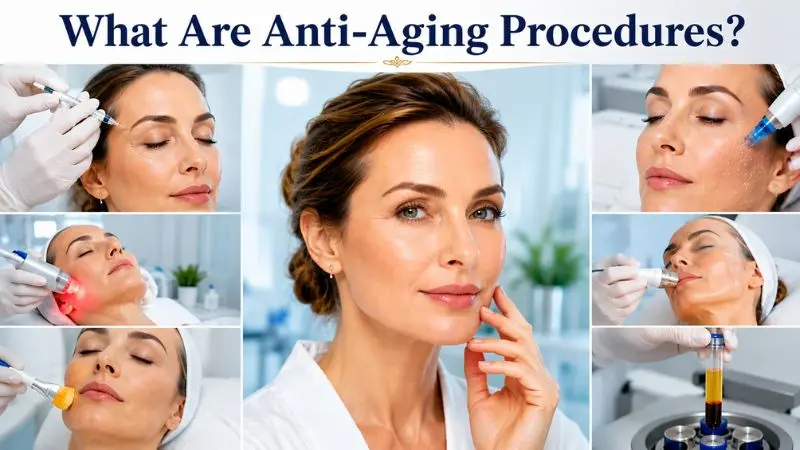
Common options include:
- Botox injections
- Dermal fillers
- Laser resurfacing
- Chemical peels
- Microneedling
- Radiofrequency skin tightening
- PRP (Platelet-Rich Plasma) therapy
Each treatment works differently, but all anti-aging procedures share the same goal: improving skin quality and slowing down visible aging effects.
Why Preparation Matters Before Anti-Aging Procedures
Many people assume results depend only on the procedure itself, but preparation plays a critical role. Proper planning ensures:
- Better treatment results
- Reduced risk of side effects
- Faster healing and recovery
- Longer-lasting effects
Without proper preparation, even the best anti-aging treatments may not deliver expected outcomes.
Who Should Consider Anti-Aging Procedures?
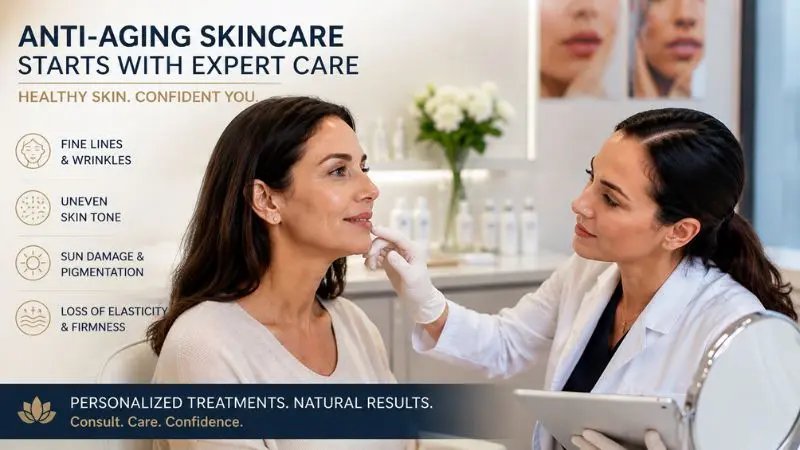
Not everyone needs cosmetic treatments at the same stage. Ideal candidates include:
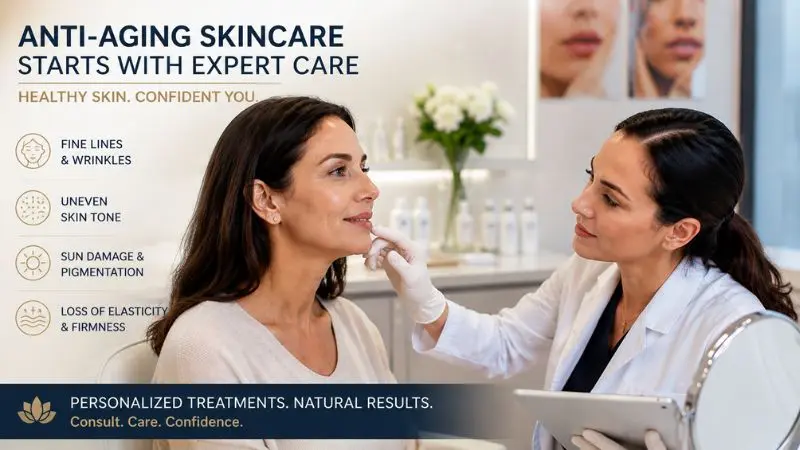
- Individuals experiencing fine lines and wrinkles
- People with sun-damaged skin
- Those with uneven skin tone or texture
- Adults noticing loss of skin elasticity
- Individuals seeking preventive aging solutions
However, a professional consultation is necessary before choosing any anti-aging treatments to determine suitability.
Medical Consultation Importance
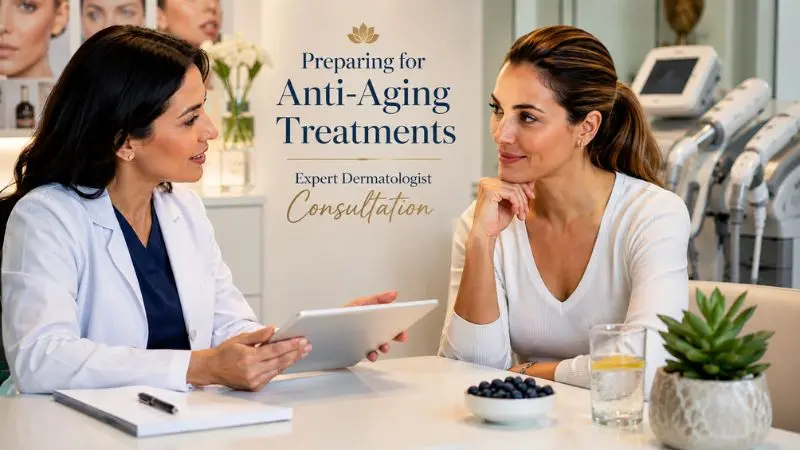
Before undergoing any treatment, a consultation with a certified dermatologist or cosmetic specialist is essential.
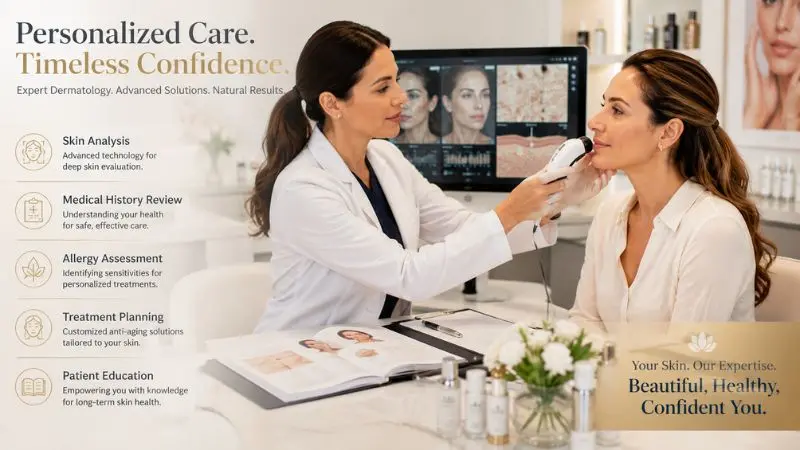
During consultation, the doctor will:
- Analyze your skin type and condition
- Review your medical history
- Identify allergies or sensitivities
- Recommend suitable treatment options
- Explain risks and expected results
Skipping this step can lead to poor outcomes or complications. A proper evaluation ensures that chosen anti-aging solutions
match your skin’s needs.
Pre-Procedure Checklist You Must Follow
Before starting any treatment, follow this essential checklist:
- Avoid blood-thinning medications (as advised by your doctor)
- Stop smoking at least 1–2 weeks before treatment
- Limit alcohol consumption
- Stay hydrated and maintain healthy skin moisture
- Avoid excessive sun exposure
- Discontinue harsh skincare products (retinoids, acids if instructed)
These steps help prepare your skin and body for safe and effective anti-aging procedures.
Skin Preparation Before Treatment
Healthy skin responds better to cosmetic procedures. In the weeks leading up to treatment:
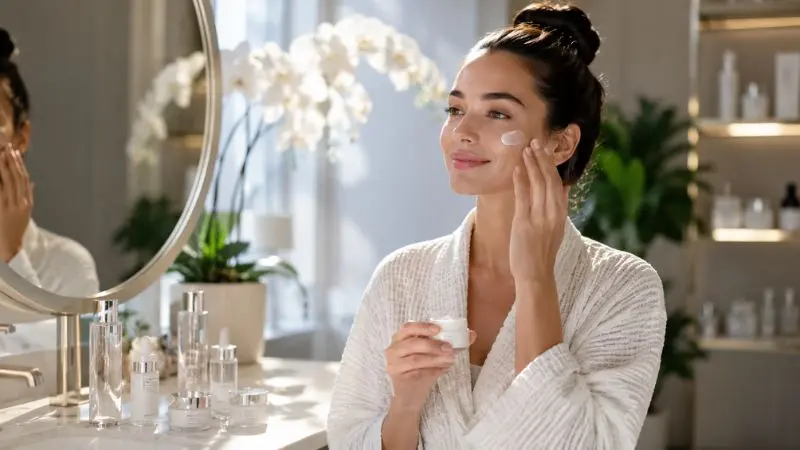
- Use gentle cleansers and moisturizers
- Apply sunscreen daily
- Avoid aggressive exfoliation
- Maintain a consistent skincare routine
- Focus on barrier-repairing ingredients like ceramides and hyaluronic acid
Well-prepared skin improves results from anti-aging procedures and reduces irritation risks.
Lifestyle Adjustments Before Anti-Aging Procedures
Your daily habits directly affect treatment outcomes. Consider the following changes:

- Eat a balanced diet rich in antioxidants
- Drink plenty of water daily
- Get adequate sleep (7–9 hours)
- Reduce stress through relaxation techniques
- Avoid smoking and excessive alcohol intake
Healthy lifestyle choices enhance the effectiveness of anti-aging procedures and support long-term skin health.
Risks and Considerations
Like any medical or cosmetic treatment, anti-aging solutions come with potential risks:
- Temporary redness or swelling
- Bruising or sensitivity
- Uneven results in some cases
- Allergic reactions (rare but possible)
- Infection if aftercare is not followed properly
Understanding these risks helps you make informed decisions before choosing anti-aging procedures.
Recovery Expectations
Recovery time depends on the type of treatment used. For example:
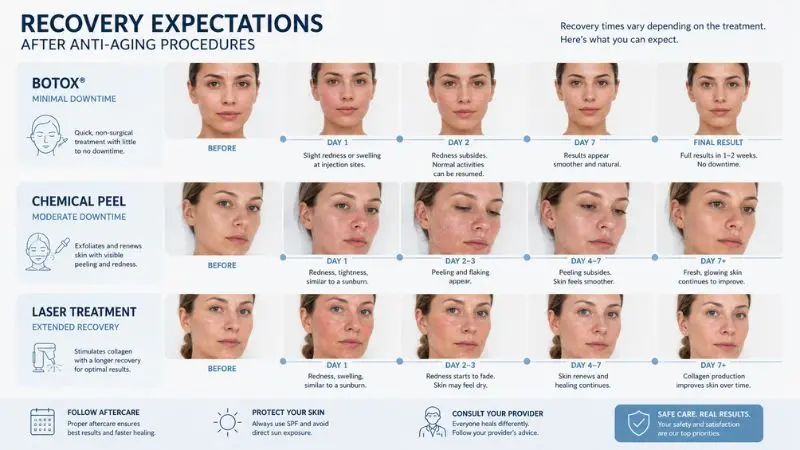
- Botox: minimal downtime (a few hours to 1 day)
- Chemical peels: 3–7 days of peeling and redness
- Laser treatments: 5–14 days depending on intensity
Following aftercare instructions is crucial for achieving the best results from anti-aging procedures.
Pre-Procedure vs Post-Procedure Care Comparison Table.
| Category | Pre-Procedure Care | Post-Procedure Care |
| Skincare Routine | Gentle cleansing, avoid strong actives | Hydration, healing creams, sunscreen |
| Lifestyle Habits | No smoking, limited alcohol, healthy diet | Rest, hydration, avoid stress |
| Medical Precautions | Consultation, stop certain medications | Follow doctor instructions, avoid touching treated area |
| Expected Outcome | Prepared skin for treatment | Improved texture, reduced wrinkles, skin rejuvenationFollowing aftercare instructions is crucial for achieving the best results from anti-aging procedures. |
How to Choose the Right Anti-Aging Procedure
Choosing the right treatment depends on your goals and skin condition. Ask yourself:
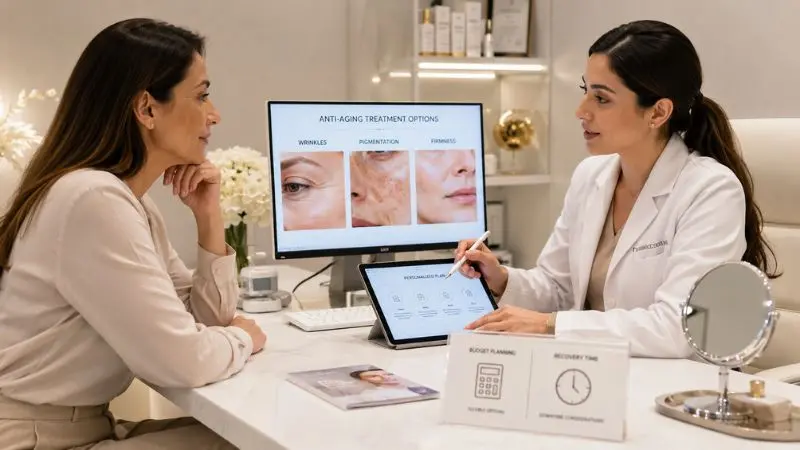
- Do I want quick results or long-term improvement?
- Am I targeting wrinkles, pigmentation, or sagging skin?
- What is my budget and downtime preference?
A dermatologist can help match you with the most effective anti-aging procedures based on your needs.
Common Mistakes to Avoid
Many people make mistakes before undergoing treatments, such as:
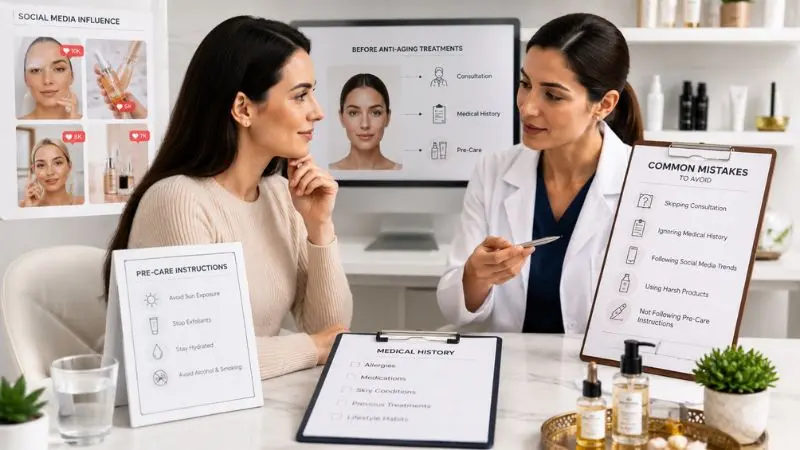
- Skipping consultation
- Choosing treatments based on social media trends
- Ignoring medical history
- Not following pre-care instructions
- Expecting instant permanent results
Avoiding these mistakes ensures safer and more effective anti-aging procedures.
Benefits of Proper Preparation
When you prepare correctly, you gain multiple benefits:

- More natural-looking results
- Reduced side effects
- Faster healing process
- Improved skin health overall
- Longer-lasting effects of treatment
Preparation is not optional it is a key part of successful anti-aging procedures.
Final Thoughts
Anti-aging treatments can be highly effective when done correctly, but success depends heavily on preparation. Understanding your skin, consulting professionals, and following proper pre-care steps can significantly improve results.
Before starting any anti-aging procedures, take time to prepare your skin, adjust your lifestyle, and choose the right treatment plan. This ensures not only better cosmetic outcomes but also safer and healthier skin in the long run.
A thoughtful approach will always deliver better results than rushing into treatment without preparation.
FAQs
1. What should I do before starting anti-aging procedures?
Consult a dermatologist and prepare your skin with a healthy routine before starting anti-aging procedures.
2. Are anti-aging procedures safe for everyone?
Anti-aging procedures are safe for most people but require a professional evaluation first.
3. How long before a procedure should I prepare my skin?
You should prepare your skin at least 2–4 weeks before anti-aging procedures.
4. Do anti-aging procedures have side effects?
Yes, anti-aging procedures can cause mild temporary side effects like redness or swelling.
5. How long do results from anti-aging procedures last?
Results from anti-aging procedures can last from a few months up to two years depending on the treatment.

![Thinking About Anti-Aging Procedures? 5 Steps to Do First [Guide] showing a clean skincare clinic style image of a woman with youthful glowing skin and anti-aging treatment concept in a soft aesthetic background](https://glowvixa.com/wp-content/uploads/2026/06/thinking_about_anti_aging_procedures.webp)

Leave a Reply