
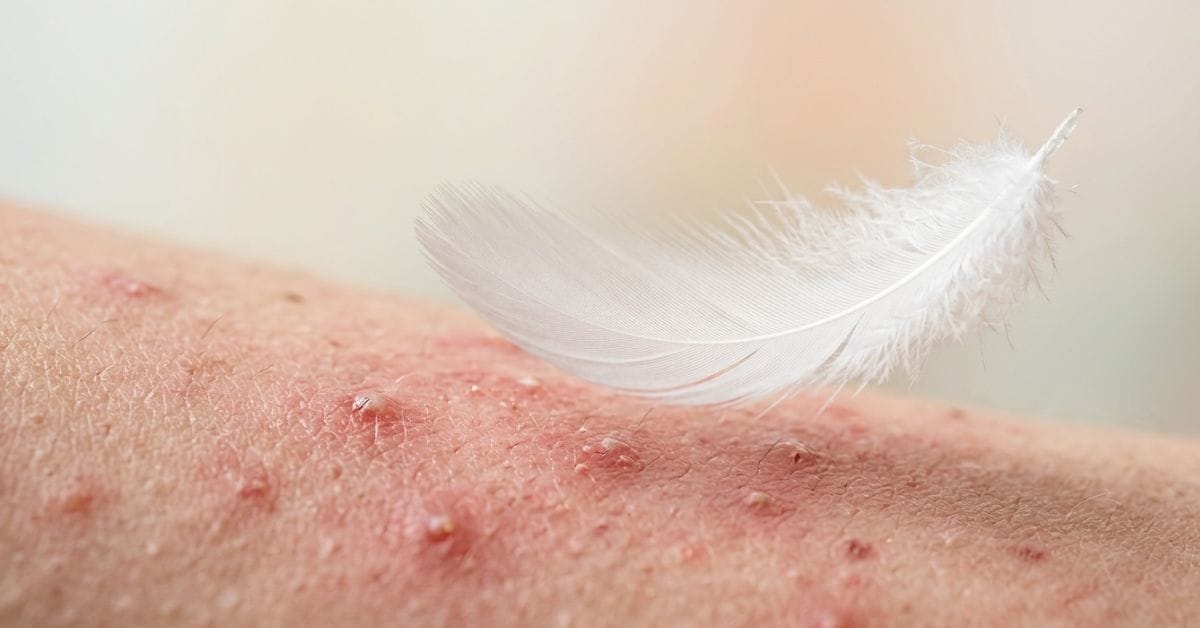
Many people ask, why do spots hurt, especially when acne becomes painful and uncomfortable. Spots do not just affect your skin appearance. They also cause irritation, swelling, and sometimes strong pain. This problem can make daily life frustrating, especially when spots appear on visible areas like the face, shoulders, or back.
Your skin produces natural oil to stay healthy. But when oil, dead skin cells, and bacteria block your pores, spots start to form. Your body reacts to this blockage by creating inflammation. This inflammation leads to redness, swelling, and pain. That is the main reason why spots hurt.
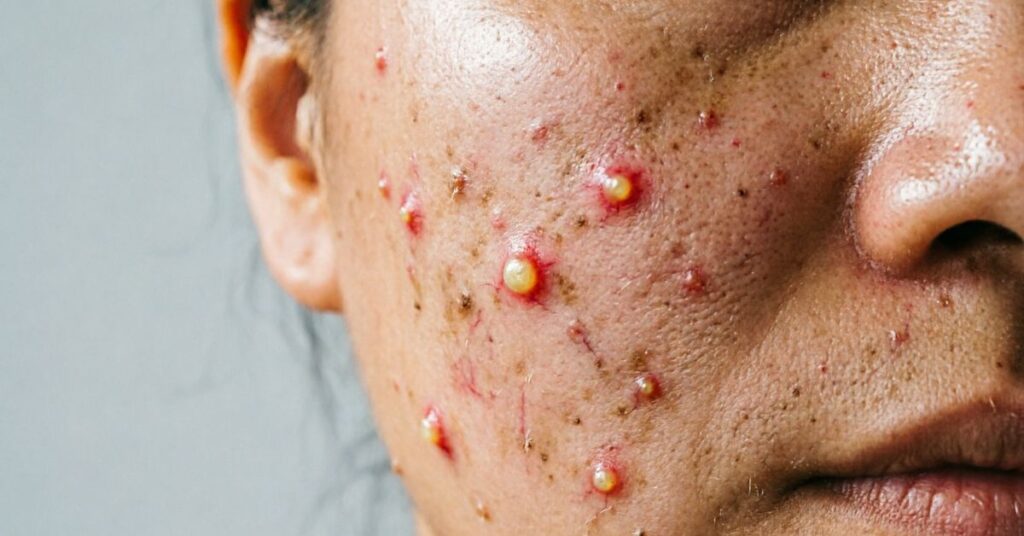
Some spots stay small and do not cause much discomfort. But deeper spots grow under the skin and press on nerves. These spots feel more painful and take longer to heal. Hormones, stress, and poor skincare can also make spots worse and more painful.
Understanding why do spots hurt helps you take better care of your skin. When you know the causes, you can choose the right treatments and avoid habits that increase pain. Simple changes in your routine can reduce discomfort and improve your skin health.
In this article, you will learn the real reasons behind painful spots, different types of acne, and easy ways to reduce pain and prevent future breakouts.
Why Do Spots Hurt on Skin
Many people ask, why do spots hurt, especially when acne becomes painful. Spots hurt because inflammation develops under the skin. Your body reacts to bacteria, oil, and clogged pores. This reaction creates pressure and swelling, which leads to pain.
Your skin has tiny pores. These pores produce oil, also called sebum. When dead skin cells and oil block these pores, bacteria start to grow. Your immune system tries to fight this bacteria. As a result, the area becomes red, swollen, and painful.
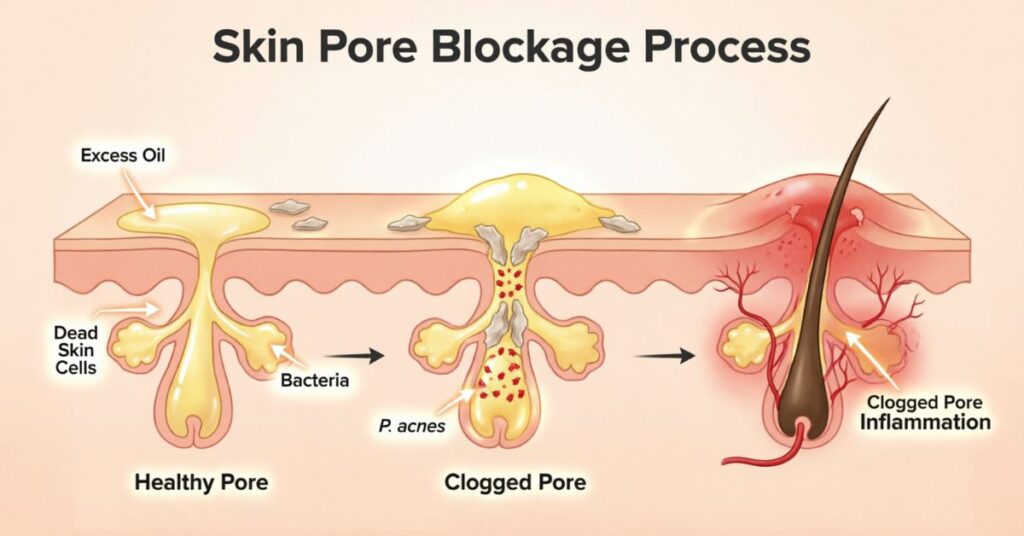
Pain increases when the blockage goes deeper into the skin. Surface pimples may not hurt much. But deep spots, like cysts, cause strong pain because they press on nearby nerves.
The level of pain depends on several factors:
- Size of the spot
- Depth of infection
- Amount of inflammation
- Skin sensitivity
When you touch or press a spot, you increase irritation. This action makes the pain worse. That is why dermatologists advise not to squeeze or pick acne.
Your skin also sends signals to your brain when inflammation occurs. These signals create the feeling of pain. So, when you feel a painful spot, your body tells you that something is wrong under the skin.
Understanding why do spots hurt helps you treat them better. You can focus on reducing inflammation and avoiding triggers.
Why Do Spots Hurt More Than Others
Not all spots hurt the same. Some feel mild, while others feel very painful. The reason lies in the type of acne and how deep it forms.
Surface acne, like whiteheads and blackheads, usually does not hurt much. These spots stay near the top layer of skin. They do not create much pressure or swelling.
However, deeper acne types cause more pain because they grow under the skin.
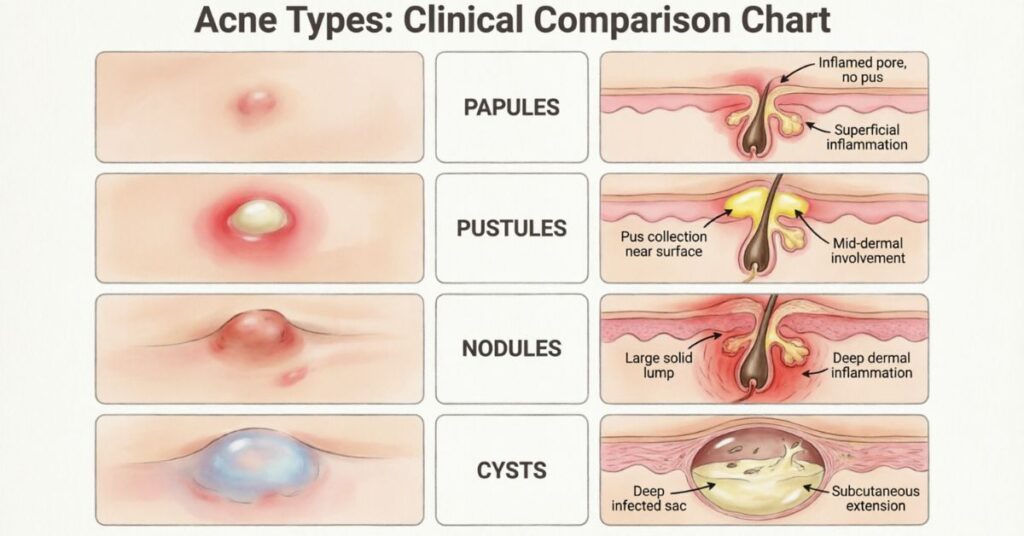
Types of painful spots:
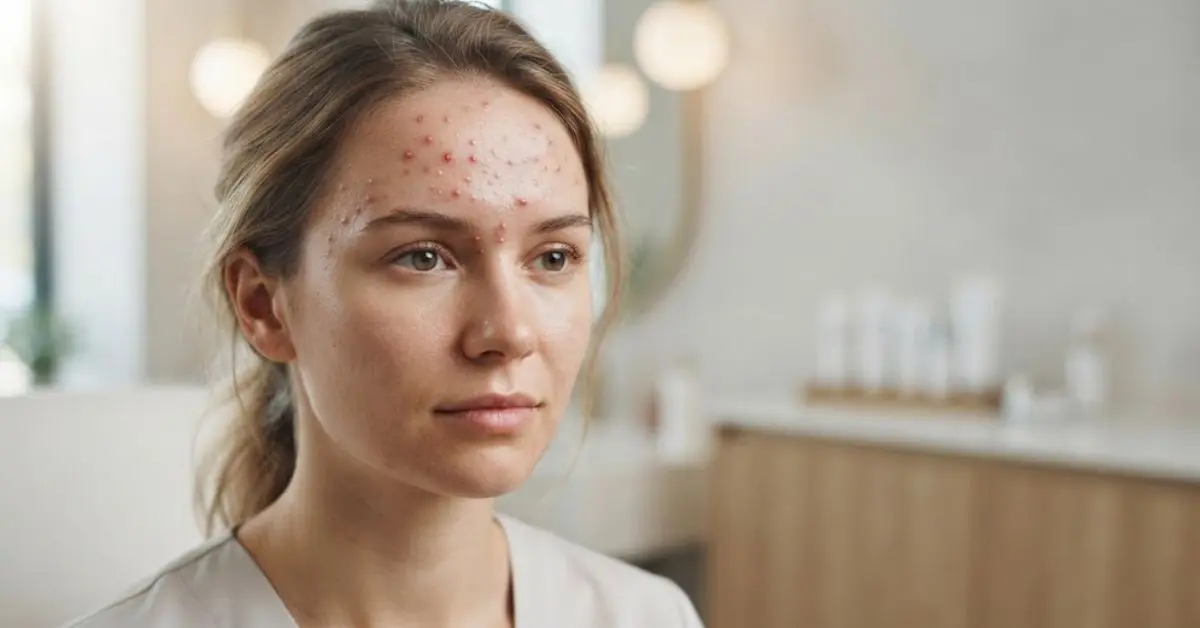
- Papules: Small red bumps that feel sore
- Pustules: Pimples filled with pus that may hurt when touched
- Nodules: Large, hard lumps under the skin
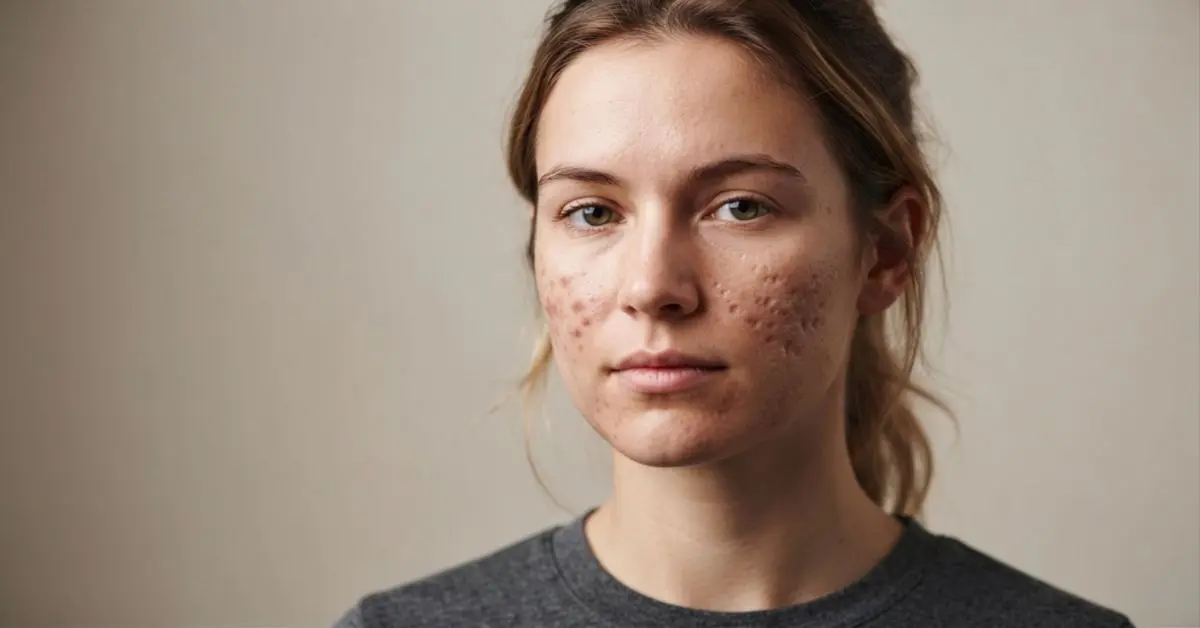
- Cysts: Deep, painful, and filled with fluid
Deep spots press on nerves inside your skin. This pressure creates a throbbing or sharp pain. Also, these spots take longer to heal.
Another reason why some spots hurt more involves bacteria. More bacteria means more inflammation. More inflammation means more pain.
Hormones also play a role. During puberty, periods, or stress, your body produces more oil. This extra oil increases the chance of painful acne.
Skin type matters too. Oily skin tends to develop more severe acne. Sensitive skin reacts more strongly, which increases pain.
Comparison Table of Spot Types
| Spot Type | Depth | Pain Level | Healing Time |
| Blackheads | Surface | Low | Fast |
| Whiteheads | Surface | Low | Fast |
| Papules | Medium | Moderate | Medium |
| Pustules | Medium | Moderate | Medium |
| Nodules | Deep | High | Slow |
| Cysts | Very Deep | Very High | Very Slow |
So, when you wonder why do spots hurt more, you should look at the type and depth of the acne.
Why Do Spots Hurt Before They Appear
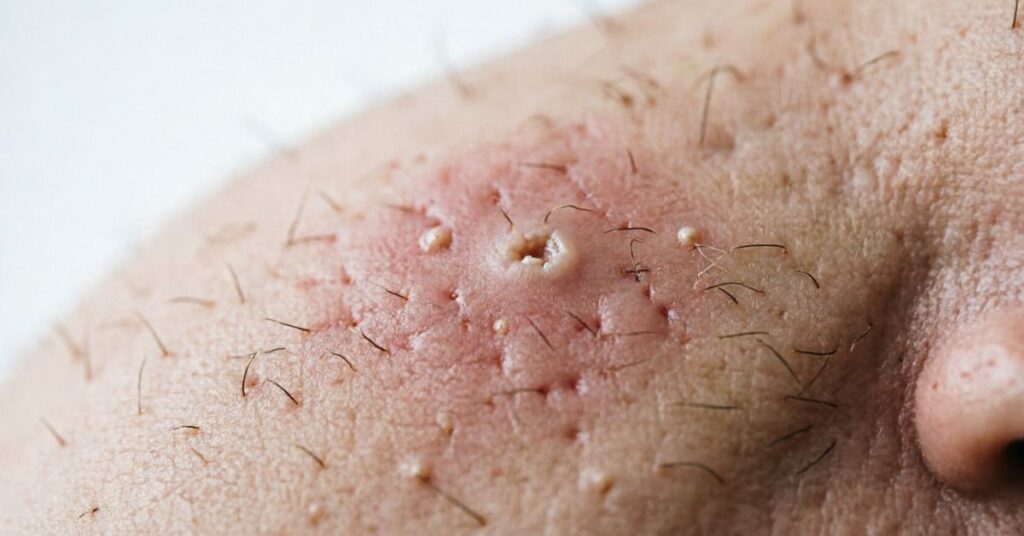
Sometimes, you feel pain even before you see a spot. This situation confuses many people. But it happens because acne starts forming under the skin before it becomes visible.
A blocked pore begins deep inside your skin. Oil and dead cells collect in this pore. Bacteria grow in this closed space. Your immune system reacts quickly.
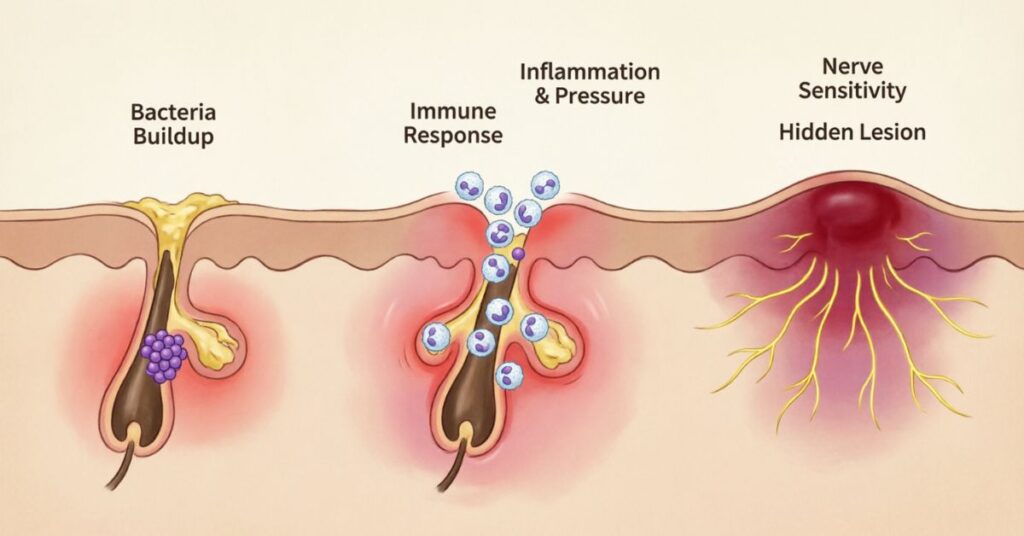
This reaction creates swelling and pressure. You feel this pressure as pain, even though the spot has not appeared yet.
Early signs of painful spots:
- Tender area on skin
- Slight swelling
- Warm feeling in that spot
- Mild redness
At this stage, the spot grows below the surface. The skin stretches as the spot becomes bigger. This stretching adds to the pain.
Hormonal changes often trigger these early painful spots. For example, many people feel painful acne before their period.
Stress also increases oil production. More oil leads to more clogged pores. This process increases the chance of painful spots forming early.
If you treat acne at this stage, you can reduce pain and prevent it from becoming worse. Gentle cleansing and proper skincare help a lot.
Understanding why do spots hurt before they appear helps you act early and avoid severe acne.
Why Do Spots Hurt When You Touch Them
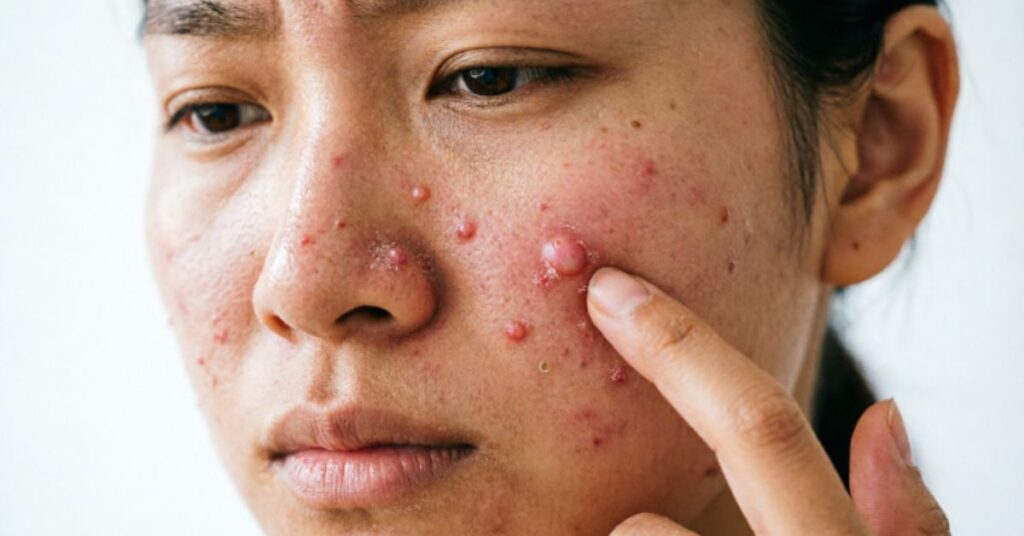
Many people notice that spots hurt more when touched. This happens because touching increases pressure and irritation.
When you press a spot, you push the contents deeper into the skin. This action spreads bacteria and increases inflammation. As a result, pain becomes stronger.
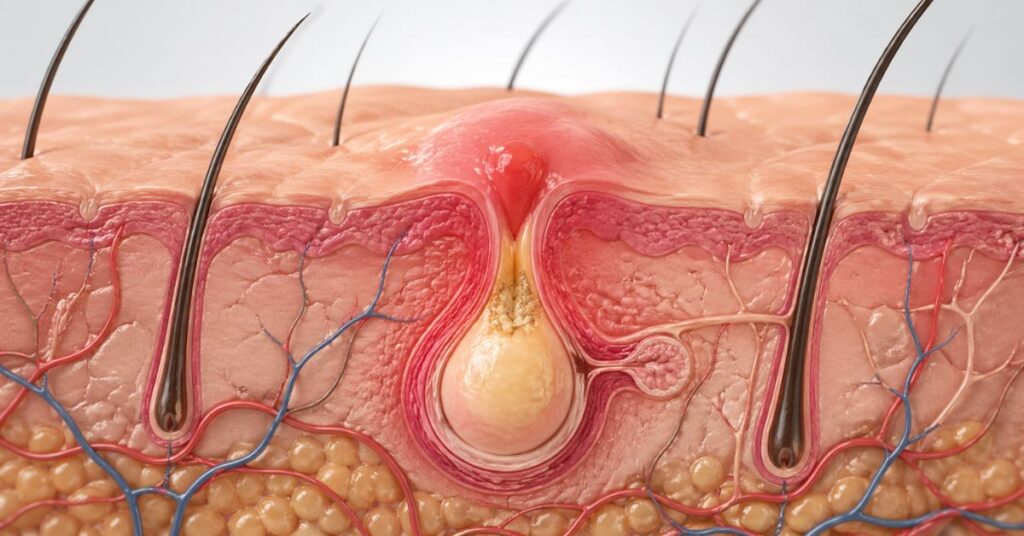
Your skin contains nerve endings. These nerves send signals when they feel pressure. So, when you touch a spot, these nerves activate and send pain signals to your brain.
Reasons touching increases pain:
- Adds pressure to inflamed area
- Spreads bacteria
- Damages skin tissue
- Delays healing
Squeezing or picking acne can also break the skin. This damage allows more bacteria to enter. It can lead to infection and scars.
Even light touching can irritate sensitive skin. So, you should avoid touching your face often.
Instead, you should:
- Keep your hands clean
- Avoid picking spots
- Use gentle skincare products
By avoiding contact, you reduce pain and help your skin heal faster.
Now you clearly understand why do spots hurt when you touch them.
Why Do Spots Hurt More During Hormonal Changes
Hormones play a big role in acne and pain. Many people experience painful spots during hormonal changes.
During puberty, your body produces more androgens. These hormones increase oil production. More oil leads to clogged pores and acne.
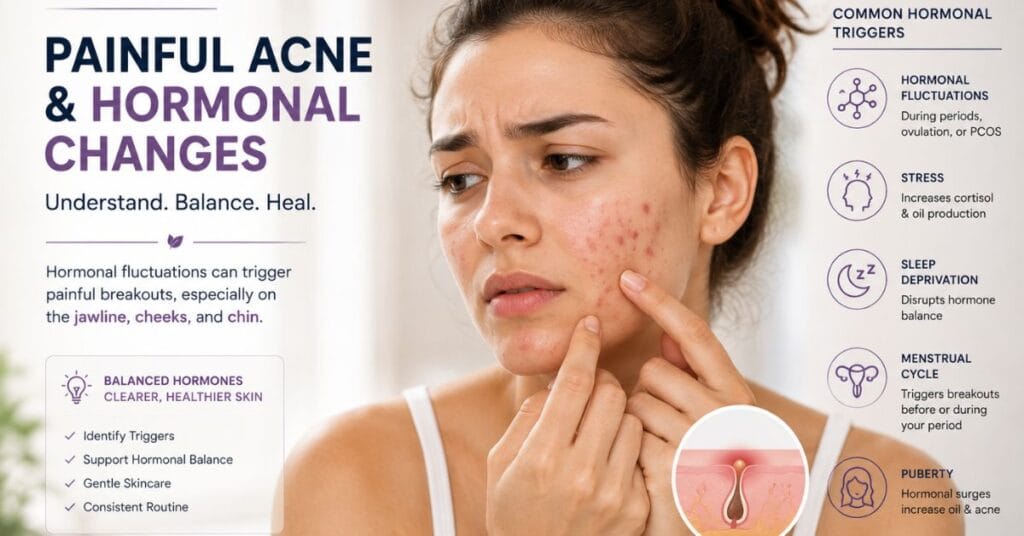
Women often notice painful spots during their menstrual cycle. Hormone levels change during this time. These changes increase inflammation and sensitivity.
Stress also affects hormones. When you feel stressed, your body releases cortisol. This hormone increases oil production and makes acne worse.
Common hormonal triggers:
- Puberty
- Menstrual cycle
- Pregnancy
- Stress
- Lack of sleep
Hormonal acne often appears on:
- Chin
- Jawline
- Neck
These spots tend to be deep and painful. They take longer to heal.
Managing hormones can help reduce pain. Healthy habits like good sleep, balanced diet, and stress control make a difference.
So, when you ask why do spots hurt during hormonal changes, the answer lies in oil production and inflammation.
Why Do Spots Hurt and How to Reduce Pain
Now that you know why do spots hurt, you should also learn how to reduce the pain.
You can take simple steps to calm your skin and heal faster.
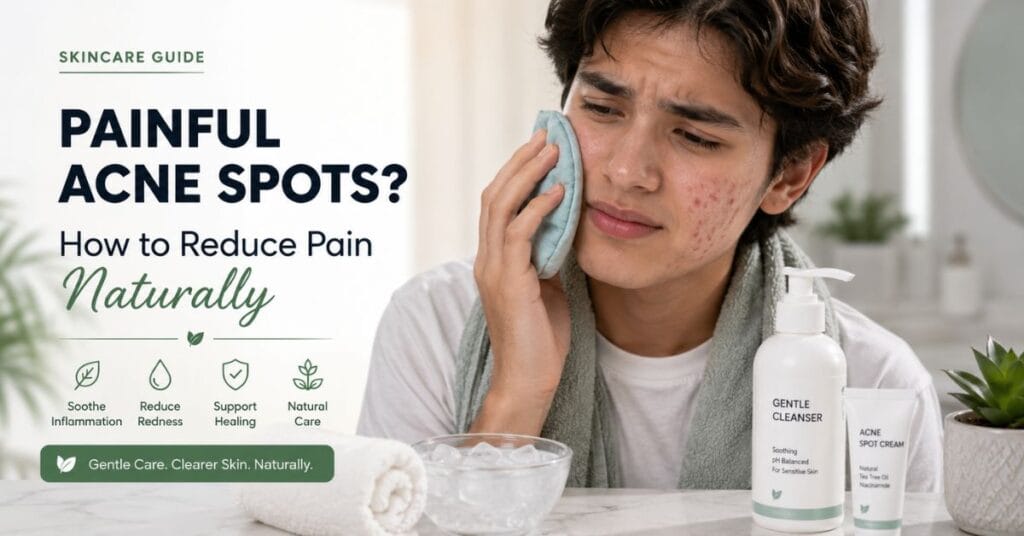
Easy ways to reduce spot pain:
- Apply a cold compress to reduce swelling
- Use gentle cleansers
- Apply acne treatment creams
- Avoid touching or squeezing
- Keep your skin clean
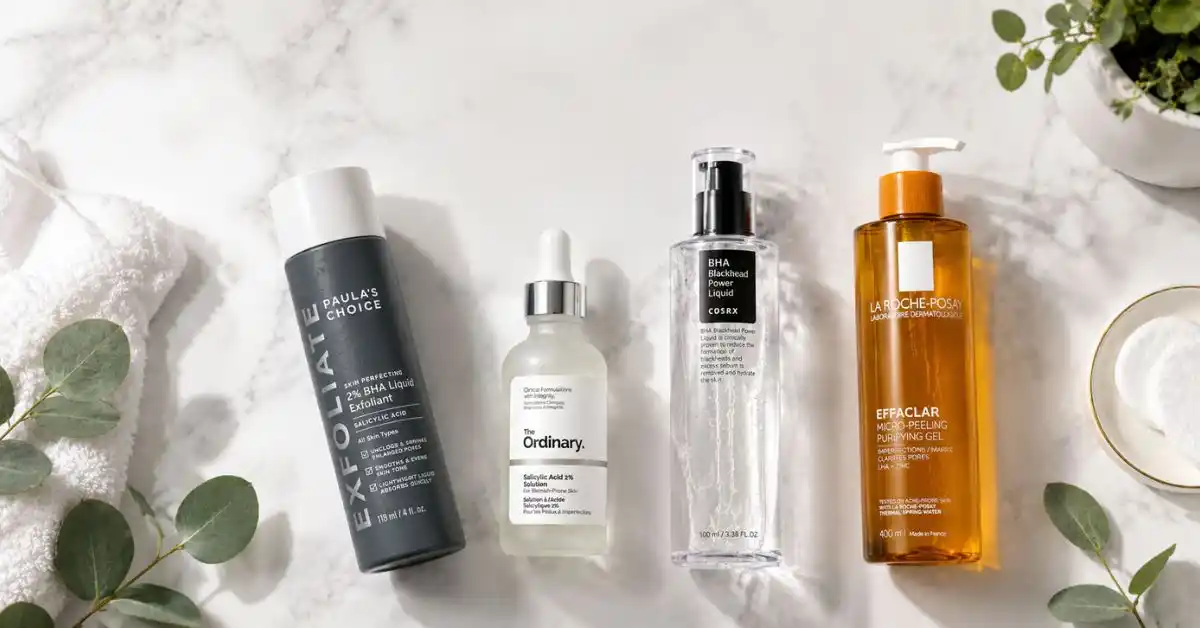
Helpful treatments:
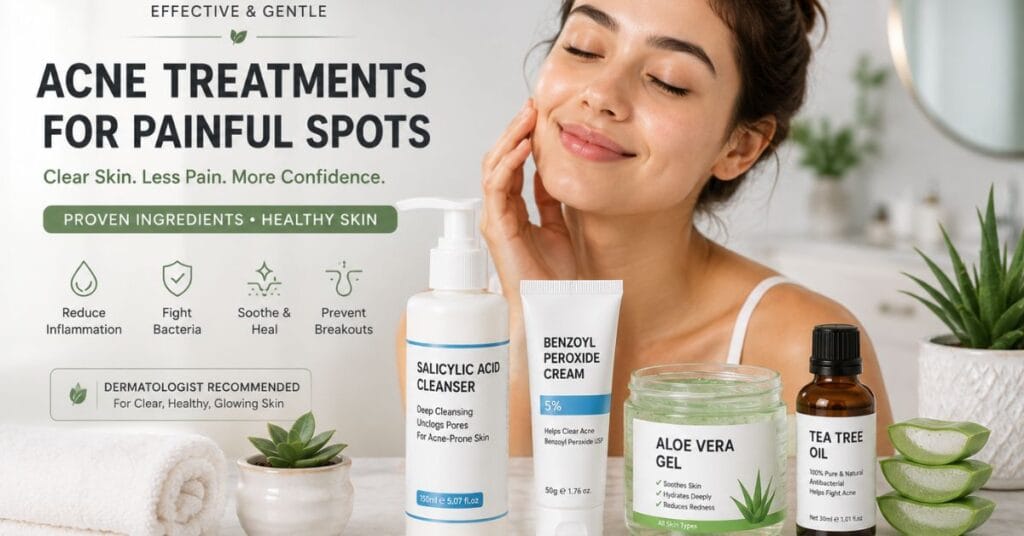
- Salicylic acid: Clears pores
- Benzoyl peroxide: Kills bacteria
- Aloe vera: Soothes skin
- Tea tree oil: Reduces inflammation
Simple skincare routine:
| Step | Action |
| Cleanse | Wash face twice daily |
| Treat | Apply acne cream |
| Moisturize | Use light moisturizer |
| Protect | Use sunscreen |
Drinking water also helps your skin stay healthy. A balanced diet supports healing.
If acne becomes severe, you should visit a dermatologist. They can provide stronger treatments.
By following these steps, you can manage pain and improve your skin.
FAQs About Why Do Spots Hurt
1. Why do spots hurt so much sometimes?
Spots hurt more when they grow deep under the skin. Deep acne creates more pressure and inflammation.
2. Do all spots hurt?
No, surface spots like blackheads usually do not hurt. Deep spots cause pain.
3. Why do spots hurt before they appear?
They form under the skin first. Inflammation starts early, which causes pain.
4. Can touching spots make them worse?
Yes, touching spreads bacteria and increases pain and swelling.
5. How can I stop spots from hurting?
You should avoid touching them and use proper skincare to reduce inflammation.
6. Do hormones cause painful spots?
Yes, hormones increase oil production and lead to painful acne.
Conclusion – Why Do Spots Hurt
In the end, you now clearly understand why do spots hurt and how your skin reacts when acne forms. Spots hurt because your body creates inflammation when pores get blocked by oil, dead skin, and bacteria. This inflammation builds pressure under the skin and activates nerve endings, which leads to pain.
You also learned that not all spots feel the same. Some stay mild on the surface, while others grow deeper and cause stronger pain. Hormones, stress, and poor skincare habits can make the condition worse and increase discomfort. Touching or squeezing spots also adds more irritation and slows down healing.
The good news is that you can manage and reduce this pain with simple care. A proper skincare routine, gentle cleansing, and avoiding harsh touching can help your skin heal faster. Healthy lifestyle choices like drinking water, eating balanced food, and managing stress also support clear and calm skin.
So, when you think about why do spots hurt, remember that your skin is simply reacting to inflammation. If you treat it gently and early, you can reduce pain and prevent future breakouts.

Leave a Reply