
If you have acne prone skin, you already know how frustrating it can be. One week your skin looks calm, and the next week you suddenly notice new pimples, clogged pores, blackheads, or oily patches. It can feel like no matter what you try, your breakouts keep coming back.
The good news is that managing acne prone skin is possible with the right routine, the right ingredients, and a little patience. You do not need a shelf full of expensive products. What you really need is a simple, consistent, and skin-friendly approach.
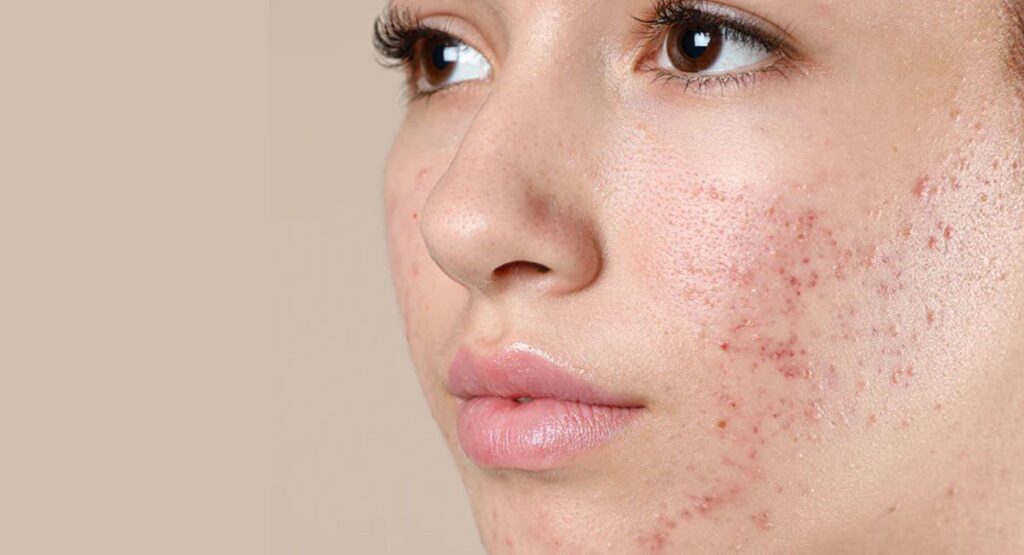
In this guide, you will learn what acne prone skin really means, what causes breakouts, which skincare ingredients actually help, and how to build a daily routine that supports clearer, healthier-looking skin.
What Is Acne Prone Skin?
Acne prone skin is skin that tends to break out more easily than other skin types. This means your skin may be more likely to develop:
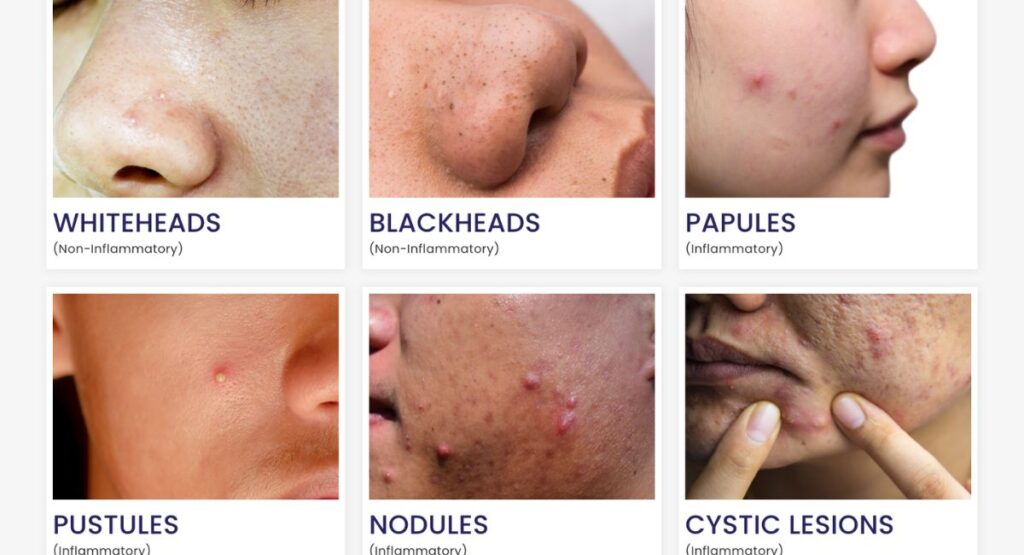
- Pimples
- Blackheads
- Whiteheads
- Clogged pores
- Red inflamed bumps
- Oily patches
Having acne prone skin does not always mean you have severe acne all the time. Sometimes, it simply means your skin is more reactive to oil buildup, sweat, hormones, stress, or pore-clogging products.
Some people have occasional breakouts, while others deal with more frequent acne. Both can fall under the category of acne-prone skin.
Signs You Have Acne Prone Skin
Not sure whether your skin is acne-prone? Here are some common signs:
- You get breakouts often
- Your pores clog easily
- You have blackheads or whiteheads regularly
- Your skin becomes oily during the day
- You notice acne after trying new skincare or makeup
- You often get pimples around the forehead, nose, chin, or jawline
- Breakouts return even after they seem to improve
If this sounds familiar, your skin likely needs a more targeted acne skin care routine.
What Causes Acne Prone Skin?
There is no single cause of acne. Usually, breakouts happen because of a combination of factors. Understanding these causes can help you make better skincare choices.
1. Excess Oil Production
One of the biggest causes of oily skin acne is excess sebum, which is your skin’s natural oil. Your skin needs some oil to stay healthy, but too much of it can mix with dead skin cells and clog pores.
When pores become blocked, pimples can form.
2. Clogged Pores
Your skin naturally sheds dead cells every day. If these dead skin cells do not clear away properly, they can build up inside your pores.
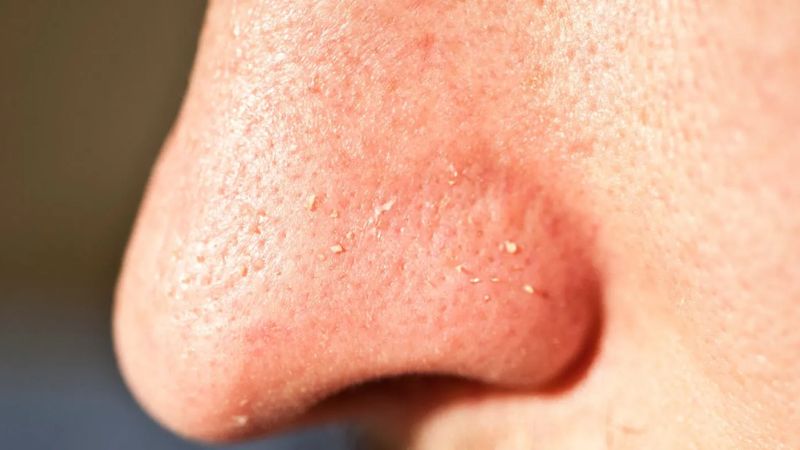
Once the pore gets blocked, it becomes the perfect environment for breakouts.
3. Hormonal Changes
Hormones can have a huge effect on acne prone skin. This is especially common during:
- Puberty
- Periods
- Pregnancy
- Stressful life phases
- Hormonal imbalances
Hormonal shifts can increase oil production and lead to deeper, more painful breakouts, especially around the chin and jawline.
4. Acne-Causing Bacteria
Your skin naturally contains bacteria, but sometimes one type of bacteria can multiply inside clogged pores and trigger inflammation.
That is when small bumps can turn into red, swollen pimples.
5. Stress
Stress may not directly cause acne, but it can definitely make it worse. When you are stressed, your body may produce more hormones that trigger oil production.
That is why many people notice breakouts during exams, deadlines, or emotionally stressful periods.
6. Diet and Lifestyle Triggers
Some people find that certain foods or habits can worsen their acne. Common triggers may include:
- Too much sugary food
- Excess dairy for some individuals
- Lack of sleep
- Dehydration
- Not washing sweat off after exercise
Not everyone reacts the same way, but lifestyle does play a role.
7. Wrong Skincare Products
Using the wrong products can easily irritate acne prone skin. Heavy creams, harsh scrubs, and pore-clogging makeup can all contribute to breakouts.
This is why choosing non-comedogenic and acne-safe products matters so much.
Best Skincare Routine for Acne Prone Skin
A good skincare routine for acne does not have to be complicated. In fact, a simple routine is often better.
The key is to stay consistent and avoid overloading your skin with too many active ingredients.
Morning Skincare Routine for Acne Prone Skin
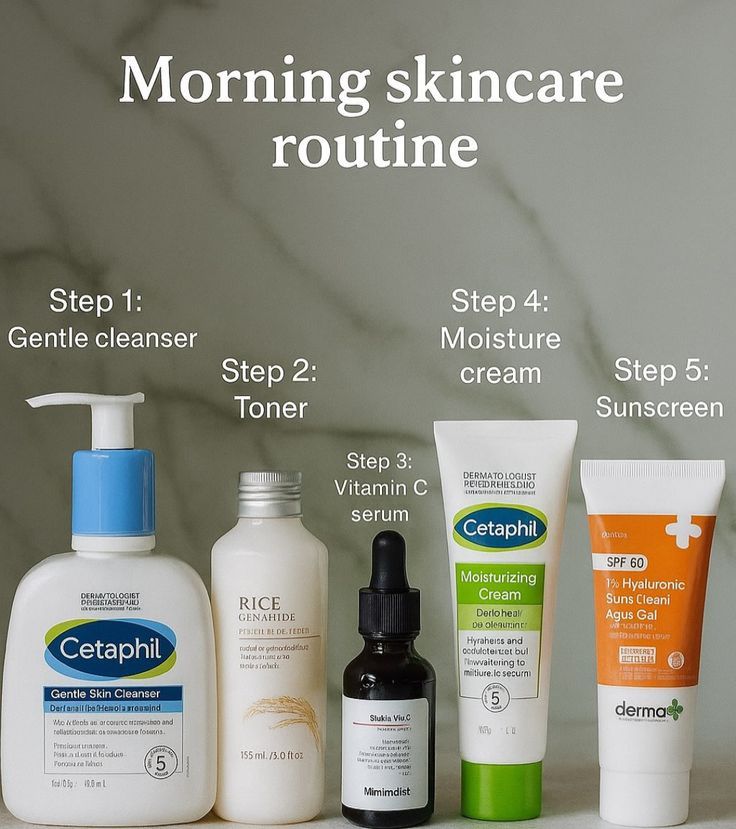
Step 1: Use a Gentle Cleanser
Start your morning by washing your face with a gentle cleanser that removes excess oil without stripping your skin.
Look for a cleanser that is:
- Fragrance-free if possible
- Non-comedogenic
- Designed for acne-prone or oily skin
A good cleanser helps prepare your skin for the rest of your routine.
Step 2: Apply a Treatment Serum
This is where targeted ingredients can help.
Good options include:
- Niacinamide for oil control and redness
- Salicylic acid for clogged pores and blackheads
If your skin is sensitive, start slowly and use only one treatment at a time.
Step 3: Moisturize Your Skin
A lot of people with acne prone skin skip moisturizer because they think it will make their skin oilier. That is a mistake.
When your skin becomes too dry, it may actually produce more oil.
Choose a lightweight, oil-free moisturizer that hydrates without clogging pores.
Step 4: Wear Sunscreen Every Day
Sunscreen is essential, especially if you use acne treatments. Many acne-fighting ingredients can make your skin more sensitive to sunlight.
Look for a sunscreen that is:
- Non-comedogenic
- Lightweight
- SPF 30 or higher
- Suitable for oily or acne-prone skin
This step also helps protect against post-acne marks and skin damage.
Night Skincare Routine for Acne Prone Skin
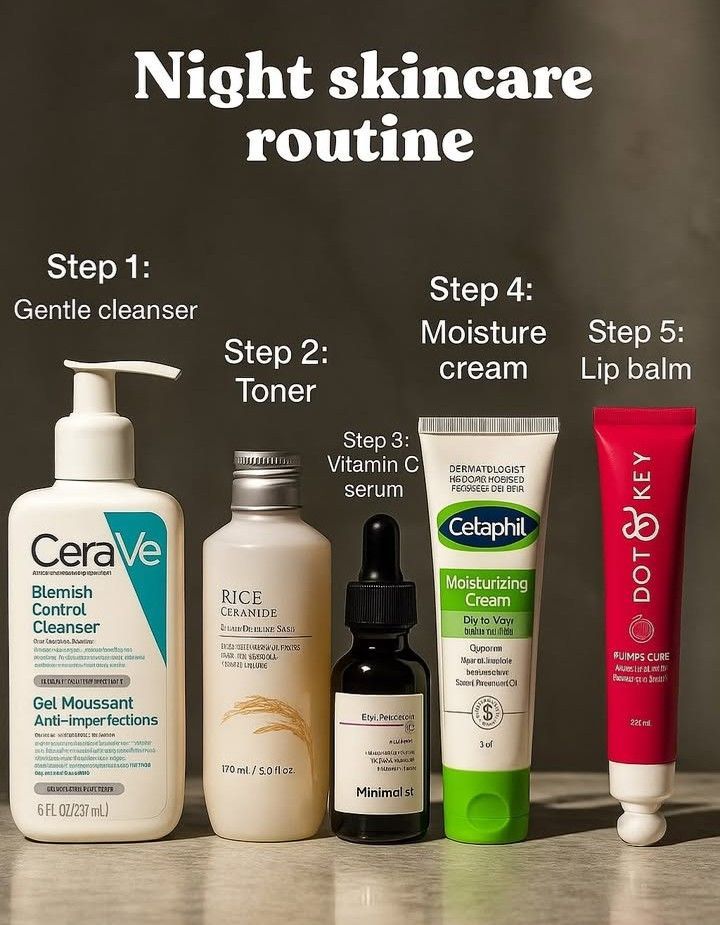
Step 1: Cleanse Again
At night, cleansing removes sunscreen, sweat, dirt, and oil that have built up during the day.
If you wear makeup, make sure your cleanser removes it properly.
Step 2: Apply an Acne Treatment
Nighttime is a great time to use stronger acne treatments.
Common options include:
- Salicylic acid
- Benzoyl peroxide
- Adapalene or retinoids
- Azelaic acid
Do not use all of them together. Start with one and give your skin time to adjust.
Step 3: Moisturize
Again, do not skip this step. Acne treatments can dry out your skin, so moisturizer helps maintain your skin barrier.
A healthy skin barrier can actually reduce irritation and support clearer skin over time.
Step 4: Spot Treat If Needed
If you have a painful or inflamed pimple, you can use a spot treatment on that area only.
Good spot treatment ingredients include:
- Benzoyl peroxide
- Sulfur
- Salicylic acid
Use only a small amount.
Weekly Routine for Acne Prone Skin
A few weekly extras can support your daily routine.
Helpful Weekly Add-Ons
- Use a clay mask once a week for excess oil
- Try gentle exfoliation 1–2 times a week
- Use pimple patches for active breakouts
- Wash makeup brushes regularly
Do not overdo it. More products do not always mean better results.
Best Ingredients for Acne Prone Skin
The right ingredients can make a huge difference. Here are some of the best ones to look for in pimples treatment and daily skincare.
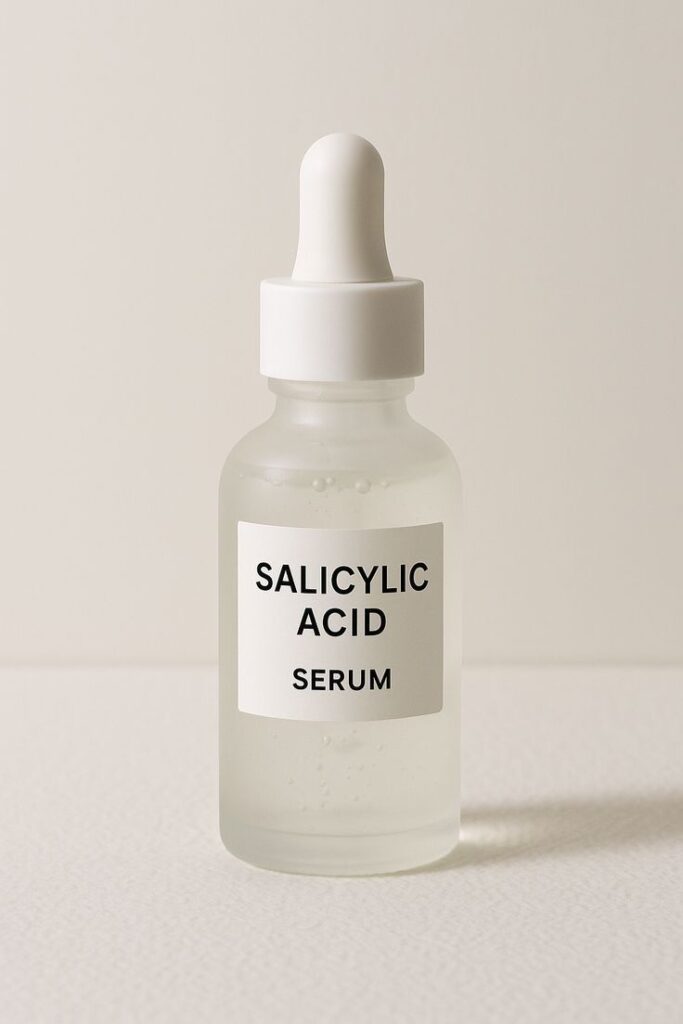
1. Salicylic Acid
Salicylic acid is one of the best ingredients for acne prone skin because it goes deep into the pores and helps clear out oil and dead skin buildup.
Best For:
- Blackheads
- Whiteheads
- Oily skin
- Congested pores
How to Use:
Start 2–3 times a week and increase slowly if your skin tolerates it.
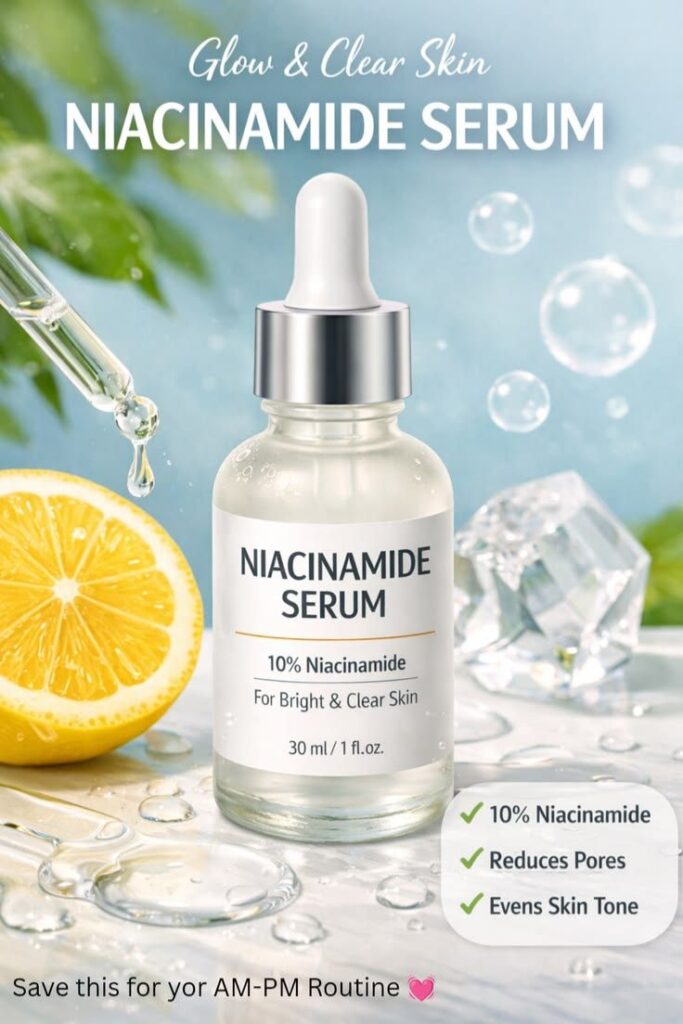
2. Niacinamide
Niacinamide is a gentle but effective ingredient that helps regulate oil, reduce redness, and support the skin barrier.
Best For:
- Oily skin acne
- Redness
- Sensitive acne-prone skin
- Uneven skin texture
How to Use:
Can usually be used daily, morning or night.
3. Benzoyl Peroxide
Benzoyl peroxide helps reduce acne-causing bacteria and inflammation.
Best For:
- Inflamed pimples
- Red breakouts
- Spot treatment
How to Use:
Use carefully, because it can be drying. Start with lower strengths if possible.
4. Adapalene or Retinoids
Retinoids help increase skin cell turnover and prevent clogged pores.
Best For:
- Ongoing acne
- Texture issues
- Blackheads
- Acne prevention
How to Use:
Use at night and start slowly. Always wear sunscreen during the day.
5. Azelaic Acid
Azelaic acid is excellent for people who want acne support without too much irritation.
Best For:
- Redness
- Acne marks
- Sensitive skin
- Mild breakouts
How to Use:
Usually once or twice daily depending on the product.
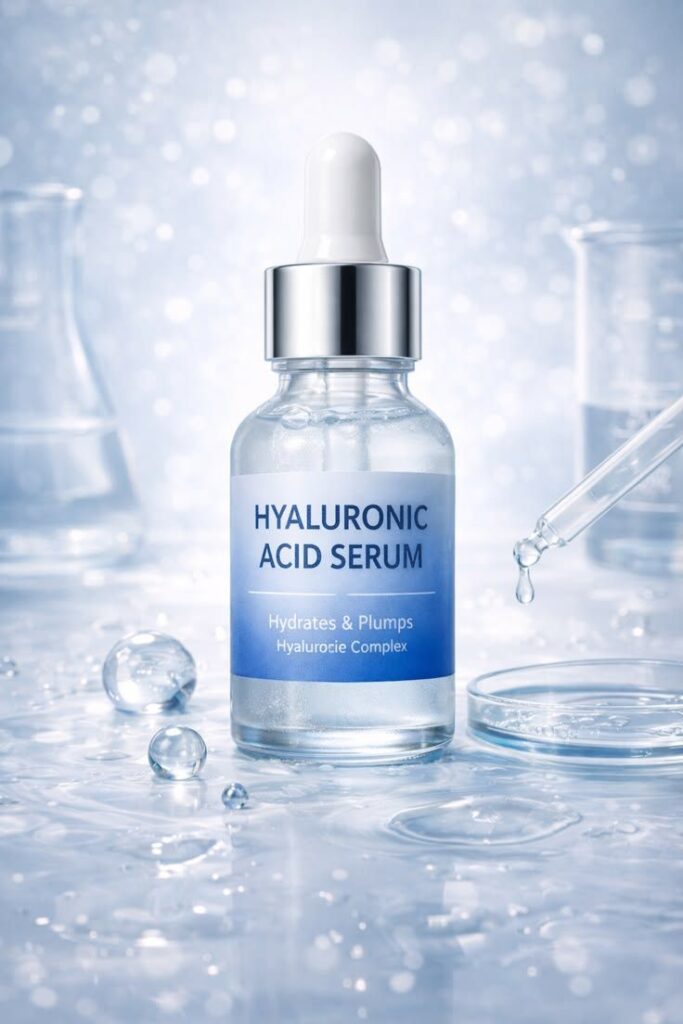
6. Hyaluronic Acid
This ingredient does not treat acne directly, but it keeps skin hydrated.
Best For:
- Dehydrated acne-prone skin
- Dryness from acne treatments
Healthy hydration supports overall skin balance.
7. Ceramides
Ceramides help repair and protect your skin barrier.
Best For:
- Irritated skin
- Dry or damaged acne-prone skin
- Recovery from active treatments
A strong barrier helps your skin heal better.
Ingredients to Avoid If You Have Acne Prone Skin
Not every product is your friend. Some ingredients or product types may trigger breakouts or irritation.
Try to Avoid:
- Heavy greasy creams
- Harsh physical scrubs
- Strong alcohol-based toners
- Overly fragranced products
- Thick pore-clogging oils for your skin type
- Too many active ingredients layered together
Always patch test when trying something new.
Do’s and Don’ts for Acne Prone Skin
These small habits can make a big difference over time.
Do’s
- Wash your face gently
- Use non-comedogenic products
- Moisturize daily
- Wear sunscreen every morning
- Change pillowcases regularly
- Clean your phone screen often
- Stay consistent with your routine
- Be patient with your skin
Don’ts
- Do not pop pimples
- Do not scrub your face aggressively
- Do not over-exfoliate
- Do not use ten new products at once
- Do not sleep with makeup on
- Do not skip sunscreen
- Do not expect overnight results
Common Mistakes People Make With Acne Prone Skin
Even good intentions can lead to bad skin habits. Here are some of the most common mistakes.
1. Over-Cleansing
Washing your face too often can strip your skin and trigger more oil production.
Twice a day is usually enough.
2. Skipping Moisturizer
This is one of the biggest mistakes in acne skin care. Dehydrated skin can become irritated and unbalanced.
A lightweight moisturizer is essential.
3. Using Too Many Actives Together
Salicylic acid, retinol, benzoyl peroxide, and exfoliating acids can all be useful but using too many at once can damage your skin barrier.
Keep your routine simple.
4. Changing Products Too Quickly
Most acne products need time to work. Switching routines every few days makes it hard to know what is helping and what is hurting.
Give products at least several weeks unless they are causing irritation.
5. Following Every Viral Skincare Hack
Not every trend online is safe or effective. Some DIY hacks can actually make acne prone skin worse.
Stick to science-backed skincare whenever possible.
How to Treat Acne Naturally (Safely)
A lot of people search for how to treat acne naturally, and while natural support can help, it is important to stay realistic.
Natural remedies may reduce irritation or support your routine, but they are not always a replacement for proven acne treatments.
Safe Natural Support Options
Aloe Vera
Aloe vera can help soothe irritated skin and calm redness.
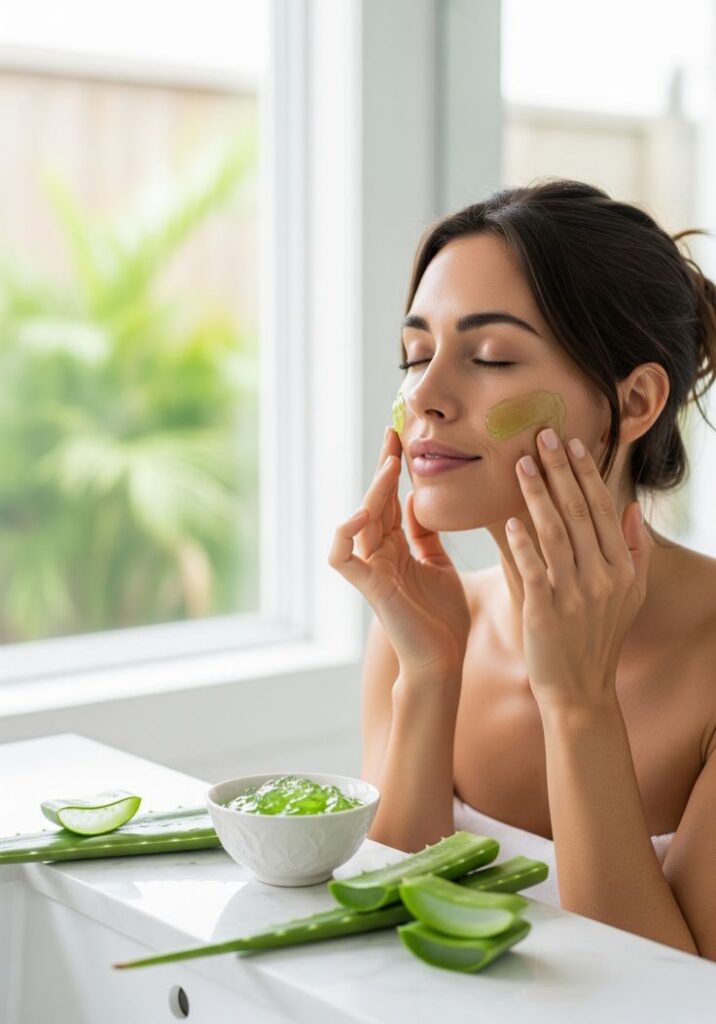
Green Tea
Green tea contains antioxidants and may help support oily or inflamed skin.

Ice for Swelling
Applying ice briefly to an inflamed pimple may reduce swelling.
Good Sleep
Poor sleep can increase stress and affect skin health.
Stress Management
Simple habits like walking, journaling, or breathing exercises may help reduce stress-related breakouts.
Hydration
Drinking enough water supports overall skin health.
Important Note
If you have moderate or severe acne, natural remedies alone may not be enough. In those cases, professional treatment is often the better option.
When to See a Dermatologist
Sometimes acne prone skin needs more than over-the-counter skincare.
You should consider seeing a dermatologist if:
- Your acne is painful or cystic
- Your skin is scarring
- Breakouts are affecting your confidence badly
- You have hormonal acne that keeps returning
- Nothing has improved after 8–12 weeks
- Your acne is getting worse instead of better
A dermatologist can help you find treatments that match your skin’s specific needs.
FAQ: Acne Prone Skin
1. What is the best skincare routine for acne prone skin?
The best routine includes a gentle cleanser, targeted acne treatment, lightweight moisturizer, and sunscreen during the day. Keep it simple and consistent.
2. Can oily skin also be acne prone?
Yes, absolutely. In fact, oily skin is one of the most common skin types linked to acne because excess oil can clog pores more easily.
3. Which ingredients are best for acne prone skin?
Some of the best ingredients include salicylic acid, niacinamide, benzoyl peroxide, adapalene, azelaic acid, and ceramides.
4. How can I treat acne prone skin naturally?
Natural support options include aloe vera, green tea, ice for swelling, proper sleep, stress control, and hydration. However, stronger acne may need dermatologist-approved treatments.
5. Should I moisturize if I have acne prone skin?
Yes. Moisturizing is very important. Skipping it can make your skin dry, irritated, and sometimes even oilier.
6. Does sunscreen help acne prone skin?
Yes. Sunscreen protects your skin from damage and helps prevent acne marks from becoming darker. Choose a non-comedogenic sunscreen.
7. How long does it take to improve acne prone skin?
Most skincare routines need at least 6–12 weeks of consistency before you see noticeable improvement.
Conclusion
Living with acne prone skin can feel exhausting, but clearer skin usually comes from consistency, patience, and the right routine not from harsh products or quick fixes.
The best thing you can do for your skin is keep your routine simple, choose acne-friendly ingredients, avoid common mistakes, and give products enough time to work. Small daily habits often make the biggest difference over time.
If your breakouts are mild, a well-balanced routine may help you manage them successfully. But if your acne is painful, persistent, or causing scars, there is no shame in getting professional help. Sometimes the fastest path to better skin is expert guidance.