
If your skin often feels rough, bumpy, or constantly develops blackheads and tiny white bumps, there’s a good chance clogged pores are behind it. This is one of the most common skin concerns, and it often shows up long before full acne breakouts appear.
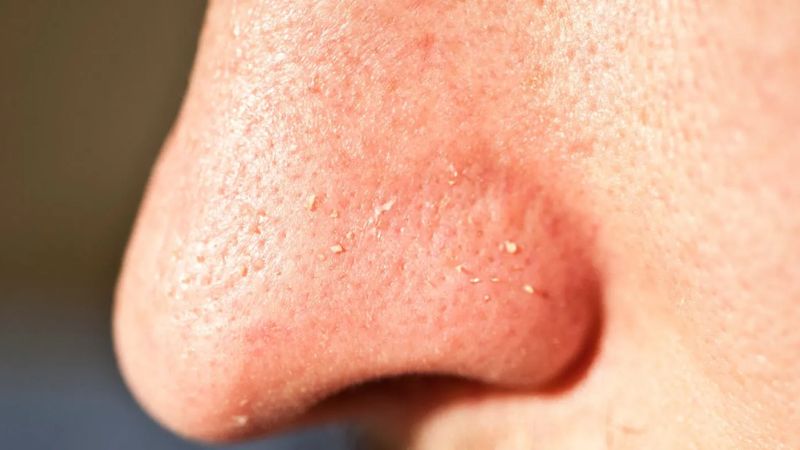
A lot of people think pore congestion only happens when the skin is dirty, but that’s not really true. Even clean skin can develop buildup when oil, dead skin cells, sunscreen, makeup, and sweat collect inside the pores over time. That buildup can leave your face looking dull, uneven, and breakout-prone.
The good news is that blocked pores usually improve when your routine focuses on the right ingredients instead of harsh scrubbing. Once you understand what’s causing the congestion, it becomes much easier to clear and prevent it.
What Are Clogged Pores?
Pores are tiny openings in the skin that release oil and sweat. They are a completely normal and necessary part of healthy skin. But when those openings become blocked with oil, dead skin cells, and debris, they can turn into clogged pores.
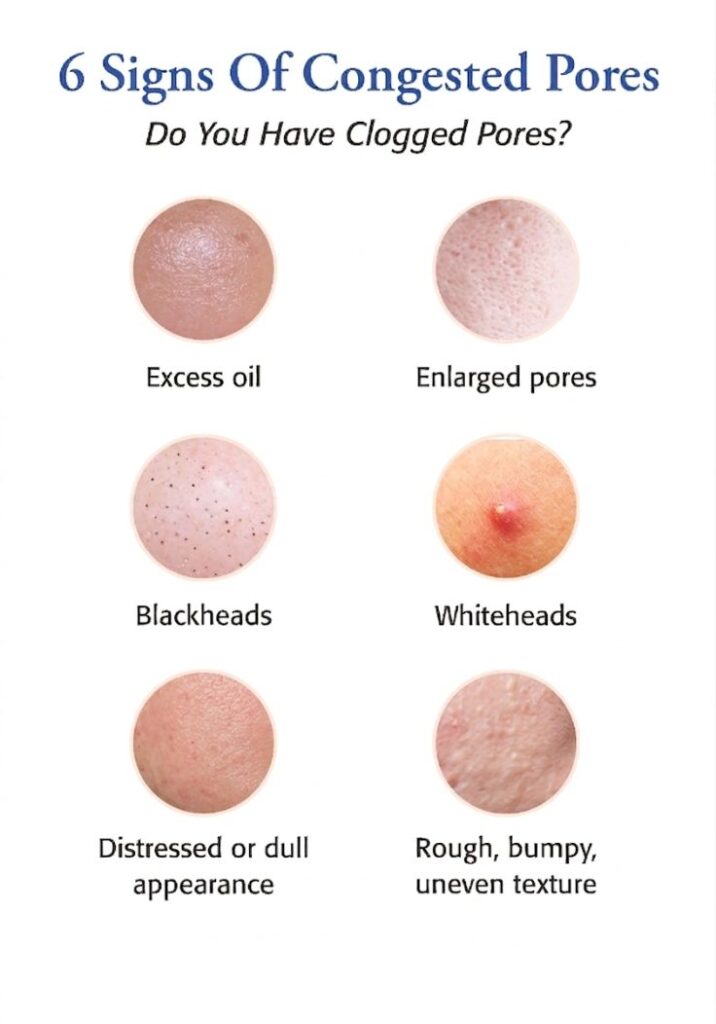
This blockage can stay under the surface or become visible as blackheads, whiteheads, or small flesh-colored bumps. In many cases, it also creates a rough skin texture that makeup doesn’t sit well on.
Quick Answer: What are clogged pores?
Clogged pores are blocked skin openings filled with oil, dead skin cells, and buildup. They often cause blackheads, whiteheads, uneven texture, and may lead to acne if left untreated.
These are especially common in areas where oil production is naturally higher, such as:
- the nose
- forehead
- chin
- cheeks
- jawline
This is why many people notice congestion first in the T-zone.
Pore Congestion Causes: Why Skin Gets Blocked
There is usually more than one reason pores become congested. In most cases, the issue develops gradually because of oil production, buildup, and product habits.
1) Excess Oil Production
Your skin naturally produces sebum to keep itself protected and hydrated. But when too much oil is produced, it can mix with dead skin and get trapped inside the pore.
This tends to happen more often in people with:
- oily skin
- combination skin
- hormonal changes
- humid climates
2) Dead Skin Cell Buildup
Healthy skin is always shedding old cells. When that natural shedding process slows down, those dead cells can stay on the surface and eventually collect inside the pores.
3) Makeup and Sunscreen Residue
Wearing makeup or sunscreen is not the problem not removing them properly can be. If products sit on the skin too long, they can contribute to pore blockage.
4) Heavy or Comedogenic Products
Some creams, balms, oils, and foundations may be too rich for acne-prone or oily skin. Over time, they can increase the risk of congestion.
5) Sweat, Pollution, and Daily Debris
Environmental particles can settle on the skin throughout the day. When mixed with oil and sweat, they can worsen buildup and texture.
6) Hormonal Fluctuations
Hormones can stimulate the oil glands, which is why pore congestion often gets worse around puberty, stress, menstrual cycles, or hormonal imbalance.
Quick Answer: What causes clogged pores?
The most common causes include excess oil, dead skin cells, heavy products, makeup residue, sweat, pollution, and hormonal changes.
Signs of Blocked Pores on the Face
Not every blocked pore turns into an obvious breakout. Sometimes the signs are subtle but very persistent.
Common Signs Include
- rough or uneven texture
- blackheads
- whiteheads
- tiny flesh-colored bumps
- dull-looking skin
- enlarged-looking pores
- recurring breakouts in the same spots
If your face always feels textured, especially around the nose or chin, there may be buildup sitting beneath the surface.
Clogged Pores on Nose and Chin
The nose and chin are two of the most common areas for congestion because they usually produce more oil. This is where many people notice blackheads, visible buildup, and tiny bumps first.
Sometimes what looks like “dirty pores” is actually just trapped oil and oxidized buildup not poor hygiene.
Blocked Pores vs Acne: What’s the Difference?
A lot of people use these terms as if they mean the same thing, but they don’t.
A blocked pore is often the starting point, while acne happens when that blockage becomes inflamed, irritated, or infected.
Blocked Pores Usually Look Like
- blackheads
- whiteheads
- tiny bumps
- congestion
- rough skin texture
Acne Usually Looks Like
- red inflamed pimples
- pustules
- painful breakouts
- cystic bumps
- swelling
Quick Answer: Are clogged pores the same as acne?
No. A clogged pore is a blockage inside the follicle, while acne develops when that blockage becomes inflamed or infected.
This is why treating congestion early can help prevent more stubborn breakouts later.
How to Unclog Pores Safely Without Damaging Skin
When people get frustrated with congestion, they often scrub too hard or start using too many active ingredients at once. That usually backfires.
The safest way to improve texture is to remove buildup gradually while keeping the skin barrier healthy.
1) Cleanse Properly Every Night
A gentle cleanser is the foundation of any routine for clogged pores. If you wear makeup or sunscreen, cleansing thoroughly at night matters even more.
Look for a cleanser that is:
- non-stripping
- suitable for oily or combination skin
- fragrance-light or fragrance-free
If you wear long-wear products, double cleansing may help remove buildup more effectively.
2) Use Salicylic Acid for Deep Pore Buildup
One of the most effective ingredients for is salicylic acid.
It is oil-soluble, which means it can move into the pore and help dissolve the buildup sitting inside. This makes it especially helpful for:
- blackheads
- whiteheads
- oily skin
- congested areas on the nose and chin
3) Add Gentle Chemical Exfoliation
Exfoliation helps remove dead skin cells that can otherwise collect inside the pores.
Good options include:
- salicylic acid (BHA)
- glycolic acid (AHA)
- lactic acid (AHA)
Used correctly, these ingredients can smooth the skin and reduce congestion without the damage caused by harsh scrubs.
4) Try a Clay Mask 1–2 Times Per Week
Clay masks can help absorb excess oil and reduce that heavy, greasy feeling that often comes with congested skin.
They won’t “shrink” pores permanently, but they can support a routine designed to keep the skin clearer.
5) Don’t Skip Moisturizer
Many people with oily skin avoid moisturizer because they think it will worsen congestion. In reality, dehydrated skin can sometimes produce even more oil.
A lightweight, non-comedogenic moisturizer can help support the barrier without making the skin feel heavy.
6) Consider Retinol for Ongoing Congestion
Retinol can be extremely useful for people dealing with texture, blackheads, and recurring buildup.
It helps improve skin cell turnover, which means fewer dead cells are left behind to block the pores.
7) Wear Sunscreen Daily
Sun damage can worsen inflammation, post-acne marks, and uneven texture. Choose a sunscreen that feels lightweight and is comfortable enough to wear consistently.
Quick Answer: How do you clear clogged pores?
Use a gentle cleanser, salicylic acid, regular exfoliation, a lightweight moisturizer, sunscreen, and if needed, retinol. Consistency works better than harsh scrubbing.
Best Ingredients to Treat Clogged Pores
When choosing products, ingredients matter more than packaging or trendy claims.
Salicylic Acid
This is one of the best ingredients for dissolving oil-based buildup inside the pores.
Niacinamide
Niacinamide can help support oil balance, calm the skin, and improve the look of enlarged pores over time.
Retinol
Retinol supports healthy cell turnover and can reduce recurring congestion when used consistently.
AHAs
Glycolic acid and lactic acid are helpful for removing surface buildup and smoothing rough texture.
Clay
Clay is useful for absorbing excess oil and giving oily areas a cleaner feel.
Sulfur
Sulfur can help some breakout-prone skin types by reducing oil and surface congestion.
Quick Answer: What ingredient is best for clogged pores?
For many people, salicylic acid is one of the most effective ingredients because it helps break down buildup inside the pores.
Skincare Mistakes That Make Pore Buildup Worse
Sometimes the biggest problem is not what your routine is missing it’s what your routine is doing too aggressively.
1) Over-Washing the Skin
Washing too often can strip the skin and trigger more oil production.
2) Using Harsh Scrubs
Physical scrubs may feel satisfying, but they often irritate congested skin and can worsen inflammation.
3) Sleeping in Makeup
Leaving makeup and sunscreen on overnight allows residue to sit on the skin for too long.
4) Layering Too Many Active Ingredients
Using acids, retinol, scrubs, and spot treatments all at once can overwhelm the skin barrier.
5) Choosing Products That Are Too Heavy
Very rich creams and oily formulas can be too much for skin that already struggles with congestion.
6) Picking and Squeezing
This can push debris deeper into the skin, increase inflammation, and leave dark marks or scars behind.
Home Remedies for Pore Congestion: Helpful or Harmful?
A lot of people search for DIY fixes when dealing with rough texture and blackheads. Some simple habits can support clearer skin, but many home remedies are either ineffective or irritating.
What Can Sometimes Help
A few low-risk habits may support pore health:
- washing after sweating
- using clean pillowcases
- gentle steaming occasionally
- cleansing properly at night
What to Avoid
Avoid putting random kitchen ingredients on your face, especially:
- lemon juice
- baking soda
- toothpaste
- undiluted essential oils
- abrasive scrubs
These can irritate the skin barrier and make congestion worse.
In most cases, a proper skincare routine will work better than DIY remedies.
How to Prevent Clogged Pores Long-Term
Prevention is often easier than trying to fix stubborn buildup later.
Simple Prevention Tips
- cleanse every night
- remove sunscreen and makeup fully
- choose non-comedogenic skincare
- exfoliate gently and consistently
- avoid using too many products at once
- wash your face after heavy sweating
- keep hair products away from the face
- avoid touching or picking the skin
If your skin is naturally oily or acne-prone, staying consistent matters more than trying trendy “instant” fixes.
A simple routine that you can actually stick to is usually far more effective than a complicated 10-step routine.
When to See a Dermatologist for Stubborn Congestion
Sometimes home care and over-the-counter products are not enough.
You should consider seeing a dermatologist if:
- blackheads and bumps keep coming back
- your skin stays congested for months
- you’re developing painful breakouts
- products keep causing irritation
- acne marks or scars are forming
- you’re unsure whether it’s acne, folliculitis, or another skin issue
A dermatologist may recommend stronger options such as:
- prescription retinoids
- professional extractions
- chemical peels
- acne medication
- a customized routine for your skin type
This can be especially helpful when repeated congestion starts turning into inflammatory acne.
Final Thoughts
Pore congestion is extremely common, but it doesn’t have to become a long-term skin struggle. In most cases, skin improves when you stop trying to “scrub everything out” and instead focus on a balanced routine that removes buildup gently and consistently.
If your skin feels rough, bumpy, or constantly congested, the answer is usually not more products — it’s better product choices and more consistency.
With the right ingredients, better cleansing habits, and a little patience, smoother skin is absolutely possible.
FAQ Section
How do I know if my pores are blocked?
Blocked pores often show up as blackheads, whiteheads, tiny bumps, rough texture, or recurring congestion in oily areas like the nose and chin.
Can blocked pores clear on their own?
Mild buildup can sometimes improve on its own, but many cases need proper cleansing, exfoliation, and the right skincare ingredients.
Is salicylic acid good for pore congestion?
Yes, salicylic acid is one of the best ingredients for clearing oil and dead skin from inside the pores.
Do blocked pores always lead to acne?
No. Some stay as blackheads or whiteheads, while others can become inflamed and turn into acne.
Can moisturizer make pores feel congested?
Some heavy formulas can feel too rich for oily or acne-prone skin, but a lightweight moisturizer is usually beneficial.
Are blocked pores permanent?
No, they are not permanent. With the right skincare routine, skin texture and congestion often improve significantly.
What is the fastest safe way to clear pores?
There is no overnight fix, but salicylic acid, proper cleansing, and consistent exfoliation usually work well.
Should I exfoliate every day if I have rough skin?
Not usually. Over-exfoliating can irritate the skin barrier. Most people do better with a balanced routine.
Conclusion
Clogged pores are a common skincare concern, especially for acne-prone and oily skin types. They occur when excess oil, dead skin cells, and impurities block the hair follicles, leading to blackheads, whiteheads, and breakouts. Maintaining a consistent skincare routine, using gentle exfoliation, and choosing non-comedogenic products can help prevent clogged pores. With proper care and patience, skin can stay clear, healthy, and smooth.